 Dwi Wanna
 Nana Wu
 Muslim
 Reynand Wu
 Ammar Sabilarrohman
 Ali Ikhwan
Every restaurant carries a unique origin story. For some, it is the preservation of a grandmother’s secret sauce; for others, it is the manifestation of a chef’s singular vision or a calculated response to a gap in the local market. Regardless of the inspiration, the menu often serves as the initial calling card—a tangible expression of an entrepreneur’s dream. Yet, as many restaurateurs discover, the transition from a beloved local gem to a sustainable, scalable business requires a fundamental shift in philosophy.
While culinary passion ignites the fire, operational discipline sustains the flame. In the competitive landscape of the modern food industry, the greatest transformation does not occur in the kitchen, but rather in the evolving role of the owner.
The Chronology of Growth: From Instinct to Infrastructure
The trajectory of a successful food business is rarely linear; it is a series of expanding demands. In the nascent stages, the entrepreneur is the center of the universe. They are the lead cook, the accountant, the HR department, and the face of the brand. Success at this stage is driven by sheer willpower and "personal heroics"—answering every question, solving every problem, and covering every shift.
However, growth acts as an inevitable stress test. One employee evolves into five; five become fifteen. As the volume of covers increases, the limitations of instinct-based management become glaringly apparent.
- The Incubation Phase: Success is defined by the quality of the food and the personal touch of the founder.
- The Inflection Point: As the team expands, the founder must transition from "doing" to "leading." This is the moment where reliance on memory must be replaced by the implementation of systems.
- The Maturity Phase: The restaurant begins to function as an independent entity. Excellence is no longer a personal performance by the owner, but a byproduct of organizational culture.
The Pillars of Operational Excellence
When a restaurant scales, the conversation shifts from recipes to the nuts and bolts of commerce: food costs, inventory turnover, labor scheduling, and supply chain management. These are not mere administrative burdens; they are the bedrock upon which hospitality is delivered.
Documenting the "Shared Memory"
The first act of professional leadership is the formalization of knowledge. A recipe that exists only in a chef’s mind is a liability. By documenting recipes with precise measurements, plating standards, and portion controls, an owner democratizes quality. When any staff member can execute a dish to the same standard as the founder, the business gains its first measure of true independence.
Financial Stewardship by Category
Sophisticated operators do not look at a single, blended food cost percentage. They dissect the business. By monitoring proteins, produce, dairy, and dry goods as independent categories, owners can identify margin erosion before it becomes a crisis. This level of granularity allows for proactive purchasing decisions and informed negotiations with suppliers, effectively insulating the business from market volatility.
The Science of Scheduling
Labor is often the largest controllable expense, yet it is frequently managed with a "copy-paste" mentality. Data-driven leaders align schedules with historical sales patterns, ensuring that the right number of people are on the floor during peak demand without over-investing during lulls. This balance is the hallmark of an operation that respects both the guest experience and the bottom line.
Supporting Data: Why Systems Trump Talent
While a charismatic head chef may attract a first-time guest, it is the consistency of the experience that earns their loyalty. Market data consistently suggests that the most successful restaurant groups are those that minimize variance.
When a system—such as a rigorous opening and closing checklist or a standardized procurement process—is in place, the reliance on any single individual decreases. This creates "resilience." In an industry defined by high turnover, an operation that is not dependent on the "heroics" of a few key individuals is infinitely more valuable.
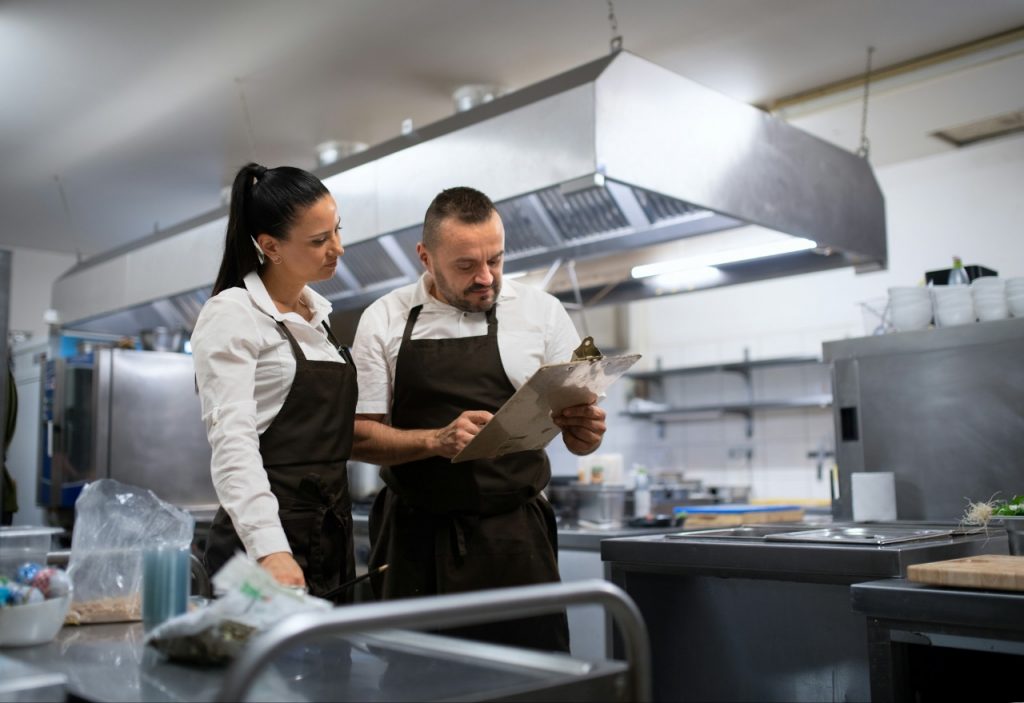
According to operational performance studies, restaurants that implement formal management routines—such as weekly meetings to review labor and food costs—report a 15–20% increase in operational efficiency within the first year. These meetings do not need to be exhaustive; they simply need to be consistent. By institutionalizing the habit of reviewing metrics, staff members begin to shift their mindset from "completing a shift" to "managing a business."
Expert Perspective: The Stewardship of Hospitality
Rosana Santos Calambichis, an entrepreneur and seasoned operator with over two decades of experience, notes that the distinction between creating value and protecting value is the defining challenge of the modern restaurateur.
"Creating value is the work of culinary passion," Calambichis writes in her upcoming book, The Food Business Blueprint. "Protecting value is the work of operational discipline. The moment a guest pays for a meal, an expectation is created. They expect the same quality, the same hospitality, and the same experience every time they return. Delivering excellence once is an achievement. Delivering it consistently for years requires an operation designed to support that promise."
Calambichis emphasizes that this transition is not about stifling creativity; it is about providing a framework where creativity can flourish. "Structure does not replace hospitality," she adds. "It allows hospitality to flourish."
Implications for the Future of the Industry
The implications of this shift are profound. As the food industry faces increasing pressure from rising ingredient costs, labor shortages, and changing consumer expectations, the era of the "unstructured" restaurant is drawing to a close.
The Rise of the "Operational Leader"
The future belongs to the operator who can marry the art of the table with the science of the ledger. This requires a new breed of leadership:
- Delegation as Strategy: Identifying key decisions that staff members are authorized to make, thereby building confidence and reducing bottlenecks.
- Cross-Training: Building a redundant, skilled workforce that can adapt to the unexpected, ensuring that service never falters, regardless of who is on the roster.
- Financial Literacy: Encouraging managers to think like owners by sharing metrics and involving them in the budgeting process.
The Culture of Consistency
Ultimately, a restaurant that endures is a restaurant that has successfully transitioned its "soul" from the owner’s hands into its operating manuals. When standards are reviewed regularly—when finished plates are compared to the documented ideal and procedures are refined as the menu evolves—the restaurant ceases to be a volatile experiment and becomes a pillar of the community.
Conclusion: The Path Toward an Enduring Table
The journey from a passionate concept to a thriving, permanent establishment is marked by the owner’s ability to evolve. It is a transition from being the "hero" of the story to being the "architect" of the system.
By building teams that perform with confidence, establishing clear decision boundaries, and treating operational practices as the highest form of leadership, restaurateurs can protect their initial passion from the attrition of time. Culinary excellence will always be the draw, but it is the quiet, systematic protection of that excellence that ensures a restaurant remains a part of its community’s celebrations, traditions, and daily lives for decades to come.
The work of an operator is, at its core, an act of stewardship. By focusing on the discipline of the process, the entrepreneur ensures that their dream remains not just a memory, but a reliable, living reality.