Ammar Sabilarrohman
 Ali Ikhwan
 Dwi Wanna
 Neng Nana
 Siti Muinah
 Suro Senen
By Paul Clarke | October 5, 2026
In the quiet, unpretentious corners of the Mission District in late 2003, H. Joseph Ehrmann was simply trying to keep the lights on at Elixir. The space was a weathered dive bar, the kind of neighborhood institution where the menu began and ended with beer and shots. At the time, the concept of a "craft cocktail" was not just absent from the business plan—it was absent from the cultural zeitgeist.
"The cocktail thing was not a thing—it wasn’t even on my radar," Ehrmann recalls. "My focus was on being a neighborhood bar, and when I opened, it was all about beers and shots—not cocktails."
Yet, Ehrmann was standing on the precipice of a seismic shift. Within a few short years, San Francisco would cement itself as the epicenter of a global movement that transformed the humble neighborhood tavern into a temple of mixology.
A City in Flux: The Pre-Renaissance Landscape
Before the rise of the "modern classic," the Bay Area was already quietly nurturing a culture of drink excellence. Establishments like the historic Starlight Room—which would later find a new life as the sleek, contemporary Starlite in 2024—and 15 Romolo were already cultivating a generation of bartenders who respected the craft.
At the same time, Julio Bermejo’s Tommy’s Mexican Restaurant was performing a quiet revolution, introducing the world to the "Tommy’s Margarita," a drink that stripped away the syrupy, neon-green cliches of the era in favor of fresh lime, agave nectar, and high-quality tequila.
Meanwhile, institutions like the Absinthe Brasserie & Bar and the Slanted Door acted as the primary incubators for the city’s burgeoning talent. Bartenders like Marco Dionysos, Jeff Hollinger, and Jonny Raglin at Absinthe, and visionaries like Erik Adkins, Jennifer Colliau, and Thad Vogler at Slanted Door, were not merely serving drinks; they were conducting research and development. They were debating ratios, sourcing better spirits, and re-discovering the lost techniques of the pre-Prohibition era.

2006: The Year the Dam Broke
If the early 2000s were the simmering period, 2006 was the boiling point. It was the year that witnessed the birth of two institutions that would permanently alter the DNA of the American bar: Alembic and Bourbon & Branch.
Bourbon & Branch, in particular, became a symbol of the era’s ambition. Co-founder Brian Sheehy credits the success of the venture to the late, great bartender Todd Smith. "Todd had 20 years of cocktail and spirits knowledge that he poured into the cocktail program he created for Bourbon & Branch," Sheehy says. "And the top cocktail bartenders in San Francisco all looked up to Todd, so they lined up to support him and joined our team."
The roster of talent that flowed through those doors is legendary: Jon Santer, Dominic Venegas, and Neyah White. These individuals didn’t just work behind the bar; they invented the vocabulary of the modern cocktail. From Smith’s "Black Manhattan"—a savory, nuanced twist on the classic—to Santer’s "Revolver," these drinks migrated from San Francisco menus to become staples in bars from Tokyo to London.
The West Coast Philosophy: Culinary-Driven Libations
Also joining the fray in 2006 was Rye, established by Jon Gasparini and Greg Lindgren. Having already cut their teeth at 15 Romolo, the duo brought a specific, fresh perspective to the downtown scene.
"There weren’t a lot of standalone bars in 2006 doing fresh, culinary-driven drinks—that was usually associated with a restaurant kitchen," Gasparini explains. "Cocktails were very precious and important, and we were doing the West Coast-style program with herbs and muddlers. We made it really hard on ourselves, but we’ve figured out over time how to make it easier."
This "West Coast style" was characterized by a direct line between the produce market and the shaker. While New York bars were often defined by rigid adherence to historical recipes, San Francisco leaned into its agricultural backyard. The use of seasonal fruit, fresh herbs, and an almost chef-like approach to ingredient sourcing defined the city’s unique contribution to the movement.
Chronology: The Evolution of a Scene
- 2003: H. Joseph Ehrmann acquires a dive bar in the Mission and transforms it into Elixir. Initially a beer-and-shot house, it later becomes a landmark for cocktail innovation.
- 2004-2005: The "incubator" era. Absinthe and Slanted Door formalize training programs, fostering a cohort of future industry leaders.
- 2006: The watershed year. Bourbon & Branch and Alembic open, bringing a high-concept, spirits-forward focus to the city. Rye opens, pioneering the "culinary" approach to cocktails.
- 2010s: The "Cocktail Boom." San Francisco-born techniques (large-format ice, clarified juices, and complex infusions) become industry standards.
- 2020-2023: The Pandemic Pivot. The industry faces unprecedented closures, including the temporary shuttering of 15 Romolo.
- 2024-2026: The Second Wind. The reopening of Starlite and the restoration of 15 Romolo signal a resilient return to form, blending history with modern hospitality.
Adapting to the Currents: The Business of Longevity
Maintaining a successful bar for two decades is an exercise in constant adaptation. The bars that survived—and thrived—were those that refused to be anchored by their own initial success.
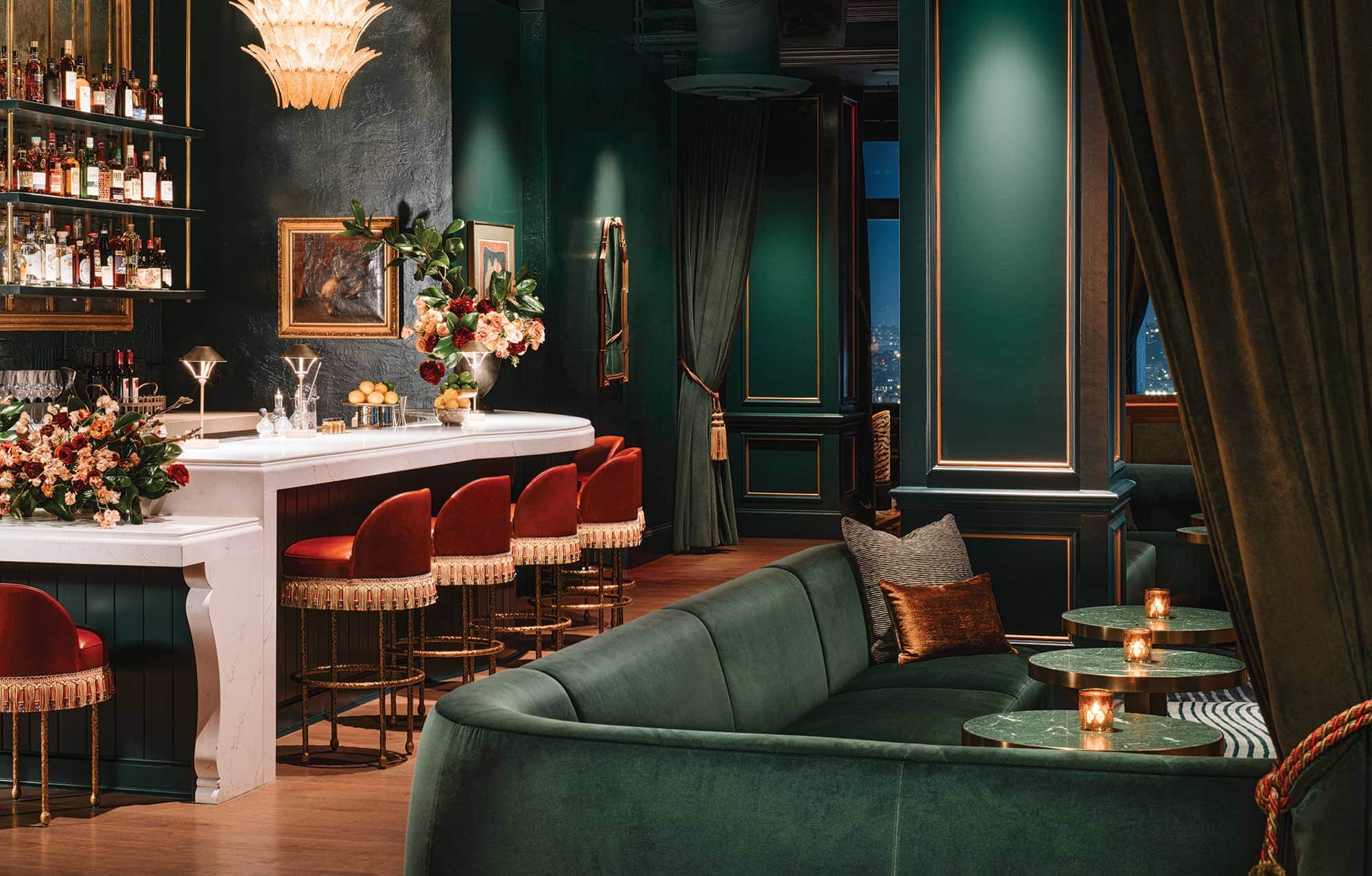
"Fads come and go, trends come and go," says Ehrmann, who eventually integrated a world-class cocktail program into Elixir’s operations. "When I first opened, vodka was the biggest-selling thing, then everybody hated vodka. Then it was whiskey, and now it’s agave. You have to be cognizant of what people want."
This pragmatism is the unsung hero of the San Francisco scene. While many cities saw their "cocktail pioneers" fade away when the aesthetic shifted from speakeasy-dark to bright and approachable, San Francisco’s operators focused on hospitality. They realized that the "craft" in craft cocktail is not just about the recipe, but about the experience of the guest.
Supporting Data: The Economic Impact
While the craft cocktail movement began as an aesthetic and cultural shift, it became an economic powerhouse. The growth of these "high-end" bars revitalized stagnant neighborhoods, increased property values, and created a new category of hospitality employment.
Data from the early 2010s showed that bars focusing on "bespoke" or "craft" offerings saw a 30% higher check average than traditional neighborhood taverns. More importantly, these venues became tourist destinations, drawing visitors from around the world who specifically sought out the "San Francisco cocktail experience." This influx of spirits-tourism helped insulate the local economy during fluctuations in other sectors.
Official Perspectives: The Industry View
Industry experts suggest that the San Francisco model succeeded because of its collaborative nature. Unlike other competitive markets where "secret recipes" were guarded with ferocity, the San Francisco community was defined by an open-source ethos.
"We were all trading ideas," says one veteran bartender who requested anonymity. "If someone found a way to clarify lime juice or make a better orgeat, we shared it. We wanted the whole city to have a reputation for excellence. We knew that if the tide rose, all our ships would rise."
This community-first approach helped the city weather the post-pandemic storm. Even when iconic spots closed, the talent remained, migrating to new projects or returning to "revive" old haunts, ensuring that the institutional knowledge wasn’t lost.
Implications: The Legacy of the Movement
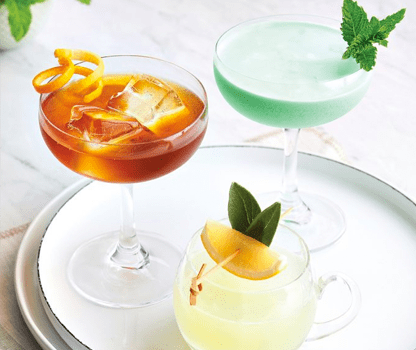
The implications of the San Francisco cocktail revolution extend far beyond the city limits. The techniques perfected in these bars—the use of house-made bitters, the elevation of the "classic" recipe, and the focus on ice quality—are now the baseline expectations for any reputable bar in the world.
However, the true legacy is in the professionalization of bartending as a career. Before the mid-2000s, bartending was often viewed as a stop-gap job. The pioneers of San Francisco turned it into a discipline, demanding the same level of respect, study, and creative rigor as the culinary arts.
As we look toward the future, the lessons from the past twenty years remain clear: The best bars are not those that chase the latest Instagram trend, but those that understand the delicate balance between historical reverence and modern innovation. Whether it is a "Rolls Royce Piña Colada" at the new Starlite or a classic Black Manhattan at a neighborhood institution, the spirit of the city remains the same: a relentless, creative, and deeply hospitable pursuit of the perfect drink.
The San Francisco cocktail scene is not just a chapter in history; it is an ongoing conversation. And as the city continues to evolve, its bars remain the most reliable place to hear the latest news, share a story, and—above all—enjoy a drink made with the kind of care that only two decades of mastery can provide.