

 Azzam Bilal Chamdy
 Neng Nana
 Nana Muazin
 Dwi Wanna
 Raul Delapena Setiawan
 Asro
Asro
Introduction: The Silent Crisis of Gluten-Free Nutrition
September marks Hunger Action Month, a national initiative spearheaded by Feeding America to shine a light on the persistent issue of food insecurity in the United States. While the campaign typically addresses broad systemic hunger, a specific, often overlooked demographic is grappling with a dual crisis: individuals living with celiac disease.
For the millions of Americans diagnosed with celiac disease, there is no pharmacological cure. Their "medicine" is a strictly enforced, lifelong gluten-free diet. However, this medical necessity comes with a staggering financial burden. With inflation and the specialized nature of gluten-free production, these essential food items can cost up to 183% more than their gluten-containing counterparts. This economic barrier has created a silent epidemic within the community, where one in six celiac patients faces food insecurity.
In response, the Celiac Disease Foundation (CDF) has established the Celiac Disease Foundation Food Insecurity Resource Network (CD-FIRN). This vital program, bolstered by the passion of young advocates like Riley DeFusco, is transforming how medical institutions and food equity organizations collaborate to keep vulnerable patients healthy.
The Economics of Exclusion: Why Celiac Patients Are at Risk
To understand the necessity of CD-FIRN, one must first understand the clinical reality of celiac disease. When a person with celiac disease consumes gluten, it triggers an immune reaction that damages the lining of the small intestine. Over time, this leads to malabsorption, chronic pain, and a host of secondary health complications.
The Financial Burden of Health
The primary barrier to wellness for low-income patients is the "gluten-free tax." A 2022 study highlighted that food insecurity is significantly more prevalent in the celiac population than in the general public. When a family is forced to choose between rent, utilities, and the high markup of specialized gluten-free bread, flour, and pasta, health is often the first casualty.
"The cost of being healthy is often prohibitive for families already living on the margins," says a spokesperson for the Celiac Disease Foundation. "When you factor in that gluten-free food is not just a preference but a medical requirement, the lack of access to these items becomes a matter of public health policy, not just individual consumer choice."
The Genesis of the CD-FIRN Program
Recognizing that food pantries rarely stock safe, gluten-free options, the Celiac Disease Foundation partnered with the Food Equality Initiative to bridge the supply gap. The CD-FIRN program operates through a network of 35 hospitals across the United States.
How the Model Works
The program is designed for efficiency and dignity. Once a patient at a partner hospital is identified as food insecure, they are enrolled in the program. Rather than forcing families to rely on inconsistent food bank donations, CD-FIRN provides monthly boxes of verified gluten-free staples, delivered directly to the patient’s home. This ensures that the patient’s medical diet is maintained without the stress of navigating the retail market or risking cross-contamination at a generic food pantry.
A Catalyst for Change: The Story of Riley DeFusco
The success of CD-FIRN is increasingly driven by grassroots advocacy. This September, the Foundation highlighted the work of Riley DeFusco, a teen advocate whose personal journey with celiac disease led her to become a pivotal force in expanding the program’s footprint in Arizona.
Chronology of Advocacy
- The Diagnosis (Age 13): Growing up in an Italian-American household, Riley’s diagnosis felt like a seismic shift. "I went from a world of pasta four nights a week to a life defined by GI distress, doctor’s appointments, and school absences," she recalls.
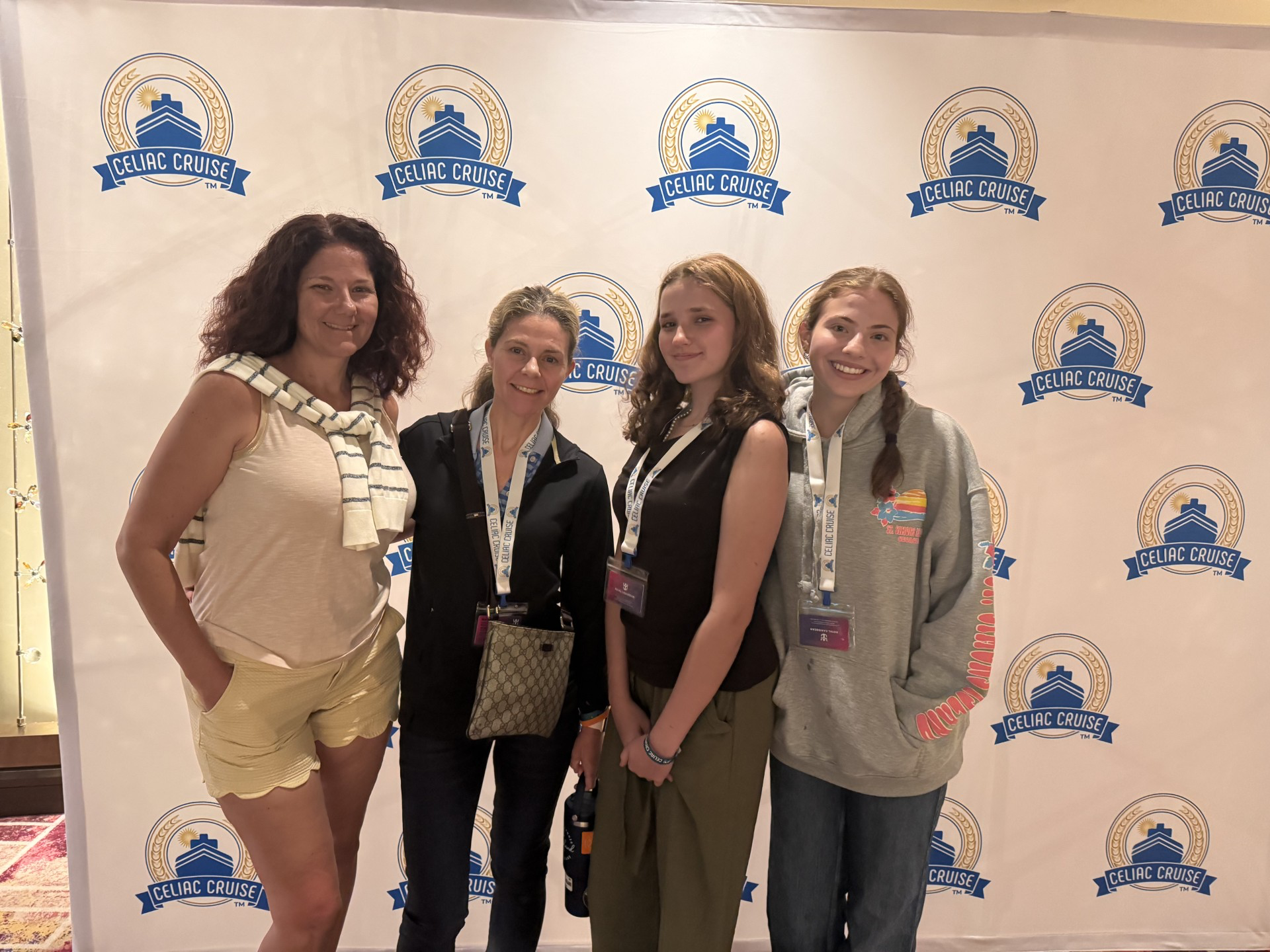
- The Realization (July 2026): While attending a Celiac Cruise, Riley and her mother attended a keynote presentation regarding the CD-FIRN program. Upon learning of the program’s reach, Riley noted a glaring deficiency: the lack of sites in the American Southwest.
- The Call to Action (Summer/Fall 2026): Motivated by the session, Riley took the initiative to contact hospitals in her home state, including the Phoenix Children’s Hospital.
- The Expansion: By leveraging the support of the Celiac Disease Foundation’s outreach team, Riley helped navigate the administrative hurdles, successfully securing hospital partnerships to bring the program to Arizona.
The Power of Youth Engagement
Riley’s story serves as a case study for effective advocacy. "Truthfully, the process was not as complex as it appears," she explains. "The biggest hurdle was simply the fear of starting. Once I picked up the phone and sent those first few emails, I realized that hospitals are often looking for ways to better serve their patients—they just need the right resources and the right connection."
Lessons in Advocacy and Resilience
Riley’s experience provides a roadmap for others seeking to impact their local healthcare systems. Her advice to fellow patients is simple: Action is the antidote to despair.
"Resilience is not just about enduring the pain of a diagnosis," she notes. "It’s about finding the courage to take that pain and turn it into a tool that helps others. We have the power to bridge these gaps if we are willing to be the link between the patient and the provider."
The Celiac Disease Foundation has emphasized that Riley’s success is not an outlier. They are actively encouraging members of the community to reach out via their advocacy department ([email protected]) to discuss how they, too, can influence the expansion of CD-FIRN sites in their regions.
Broader Implications for Public Health
The success of the CD-FIRN model raises important questions about the role of hospitals in addressing social determinants of health. Traditionally, a hospital’s role is to treat acute conditions; however, by addressing food insecurity, these institutions are engaging in preventative medicine.
Data-Driven Solutions
By providing consistent, medically necessary nutrition, the CD-FIRN program likely reduces the frequency of hospital readmissions and emergency room visits related to celiac complications. This demonstrates that investing in food security is a sound economic strategy for hospital systems. As the program continues to grow, advocates hope to see this model adopted by larger state-funded health initiatives, potentially leading to subsidies or insurance coverage for gluten-free staples—a long-held goal of celiac activists.
Conclusion: A Future of Food Equity
As Hunger Action Month concludes, the work of the Celiac Disease Foundation and advocates like Riley DeFusco continues year-round. The expansion of CD-FIRN in Arizona is a testament to what happens when clinical data meets passionate, community-led action.
For families struggling with the dual burden of celiac disease and food insecurity, the program offers more than just food; it offers a lifeline. It proves that while a diagnosis may change a person’s life, it does not have to dictate their ability to survive and thrive.
For those looking to support this mission, the Foundation provides extensive resources on their website, detailing how to become a partner hospital or how to contribute to the ongoing efforts of the Food Insecurity Resource Network. As we move forward, the goal remains clear: a future where a celiac diagnosis is never synonymous with the inability to put safe, healthy food on the table.
For more information on the CD-FIRN program, visit the official Celiac Disease Foundation resource page. If you are an advocate with a story to share, the Foundation’s advocacy team is waiting to hear from you at [email protected].


 Nila Kartika Wati
 Iffa Jayyana
