

 Azzam Bilal Chamdy
 Neng Nana
 Nana Muazin
 Dwi Wanna
 Raul Delapena Setiawan
 Ali Ikhwan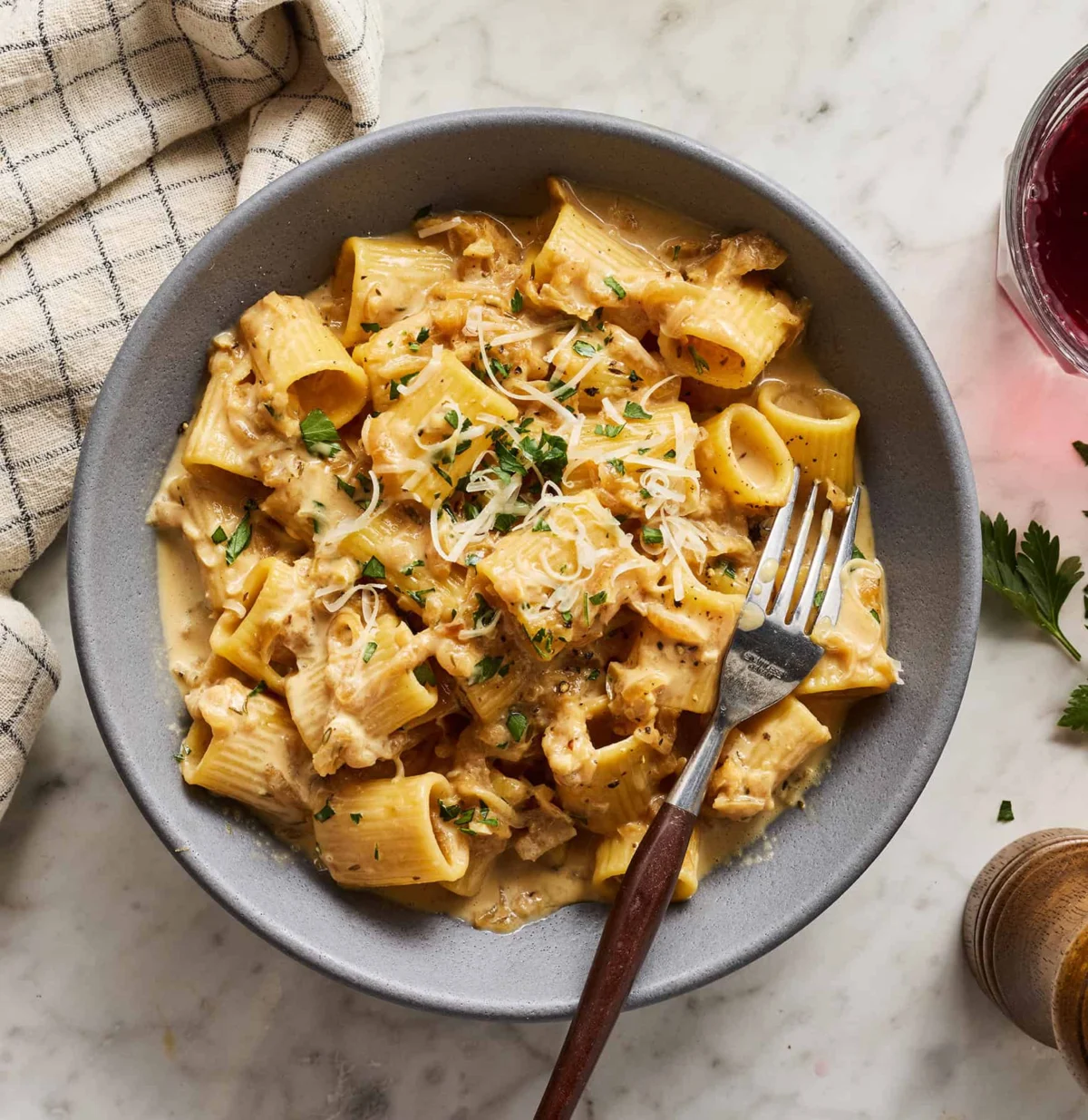
In the culinary world, few dishes evoke the sense of "home" quite like French onion soup. Traditionally, the dish is a labor of love, requiring hours of careful onion caramelization and careful oven-broiling of Gruyère-topped crostini. However, as modern home cooks increasingly demand efficiency without sacrificing the depth of slow-cooked flavors, a new trend has emerged: French Onion Pasta. This innovative dish bridges the gap between classic bistro comfort and the practicality of one-pot cooking, offering a sophisticated, umami-rich experience that is accessible for any weeknight dinner.
Main Facts: The Anatomy of a Modern Classic
At its core, French Onion Pasta is a structural deconstruction of the iconic soup. By utilizing pasta as the vessel for the hallmark flavors of the soup—sweet, slow-cooked onions, aromatic thyme, dry white wine, and a sharp, melting cheese—the dish transforms a starter into a robust main course.
The brilliance of the recipe lies in its simplicity. Unlike traditional soups that require specialized ramekins and broilers, this version is designed to be prepared in a single deep skillet. The star of the show is the caramelized onion base. By slowly sautéing sliced onions until they reach a deep, mahogany brown, the chef unlocks natural sugars, creating a jam-like consistency that provides the foundational flavor profile. The addition of tangy white wine acts as a deglazing agent, lifting the fond (the browned bits at the bottom of the pan) to create a complex base.
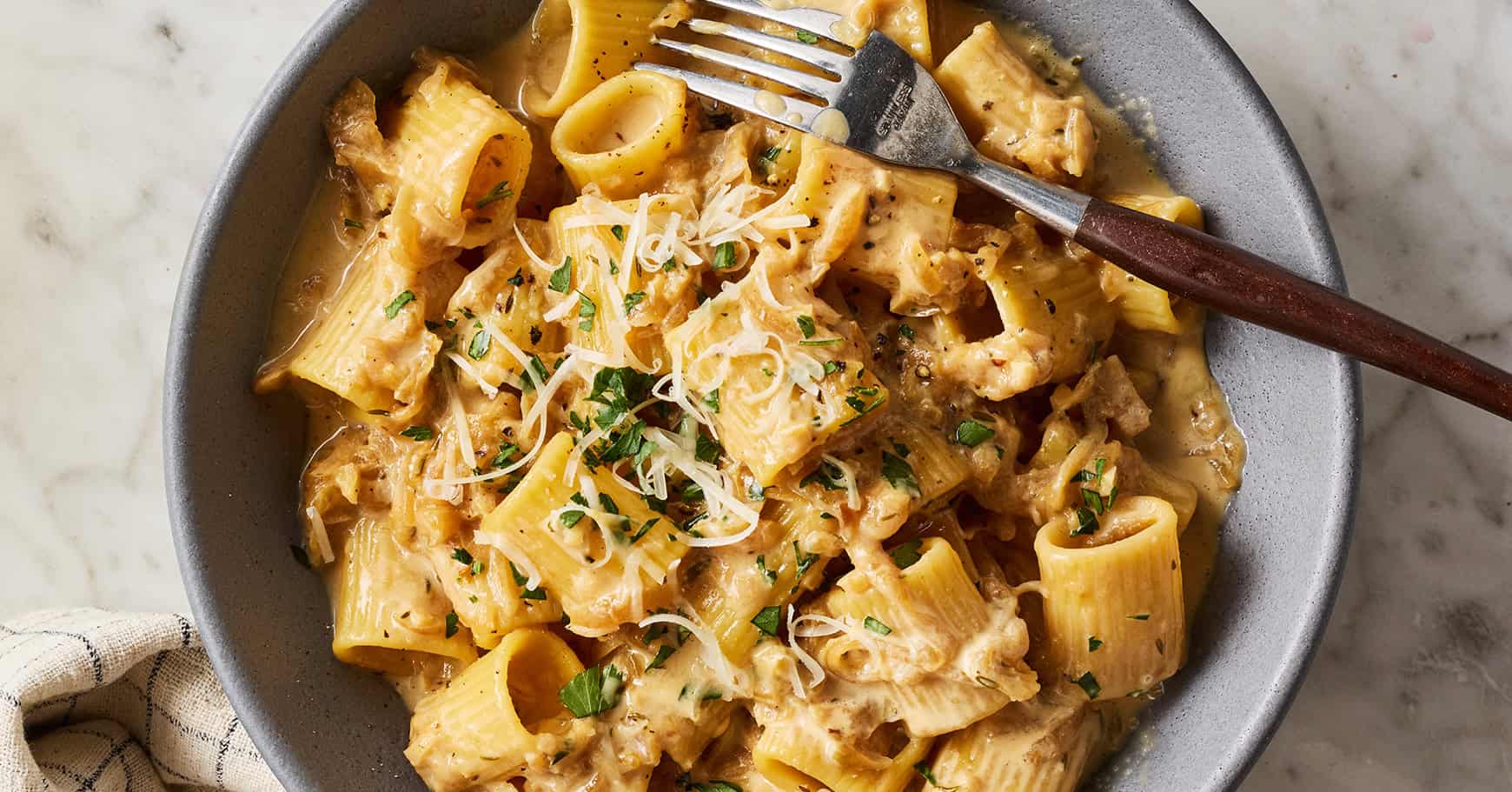
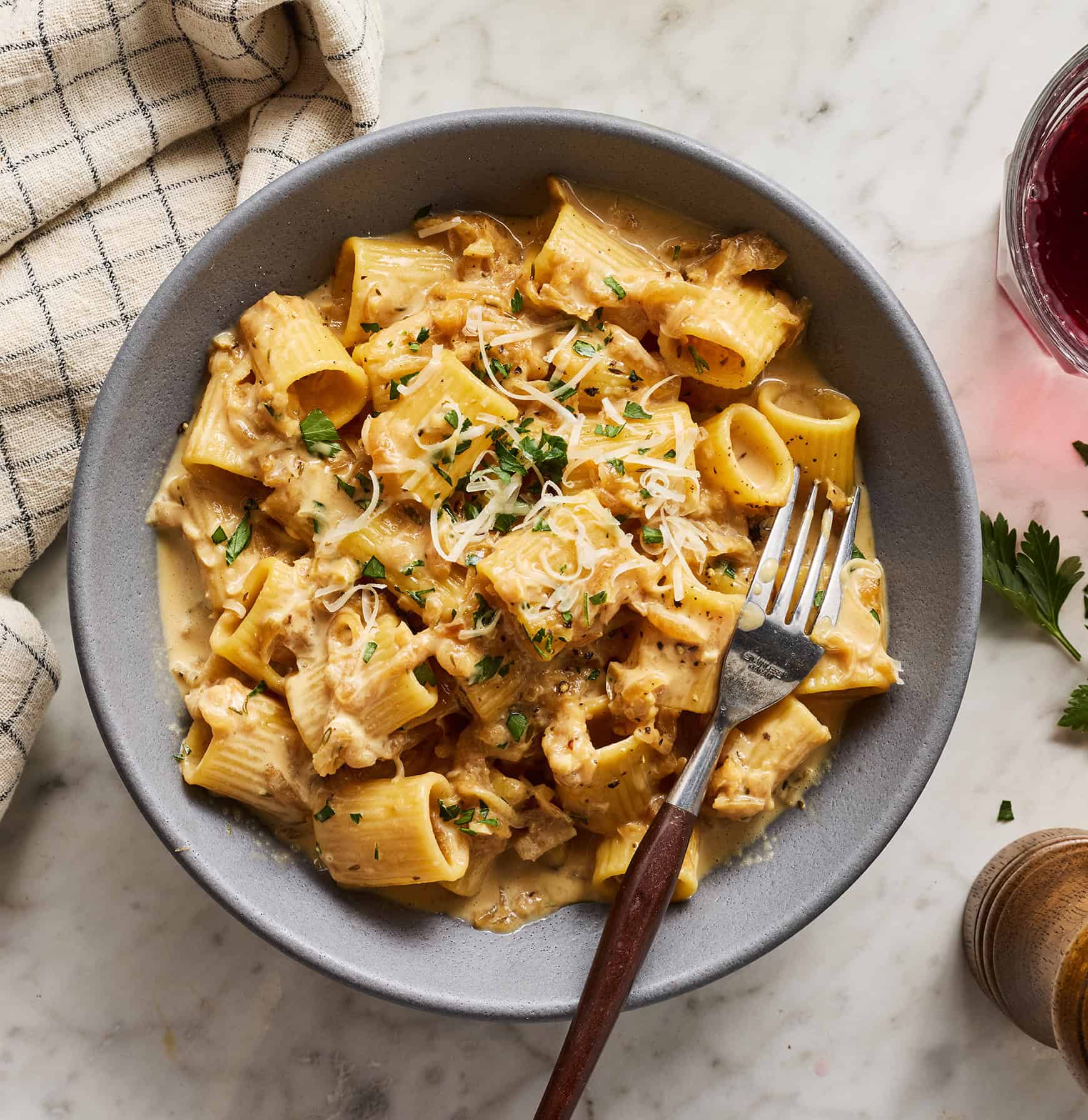
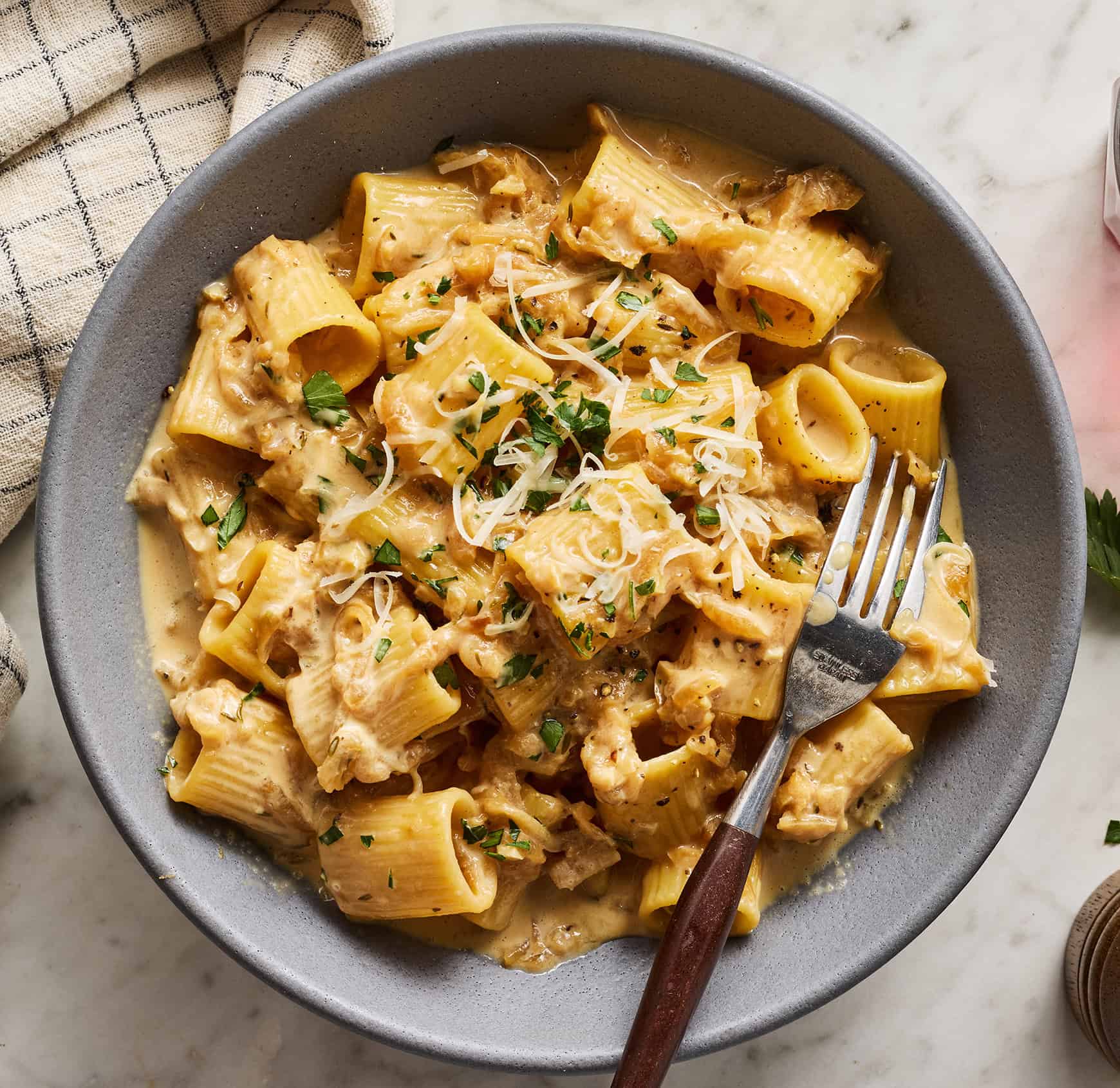
When pasta, broth, and a touch of cream are introduced, the starch released by the noodles as they simmer creates a velvety, emulsified sauce. The final touch—the introduction of premium Gruyère cheese—provides the necessary salty, nutty finish that rounds out the palate.
Chronology: The Evolution of the One-Pot Method
The rise of the "one-pot" cooking method has been one of the most significant shifts in home gastronomy over the last decade. Historically, the culinary arts emphasized "mise en place" and the use of multiple vessels: a pot for boiling water, a skillet for searing, and a saucepan for reductions.
- The Preparation Phase (0–20 Minutes): The process begins with the most critical stage: the transformation of the onions. This cannot be rushed. Slicing the onions thinly and cooking them over medium heat for approximately 20 minutes ensures the development of deep, concentrated flavors. The incorporation of garlic and thyme during the final minutes of this stage allows the aromatics to bloom without burning.
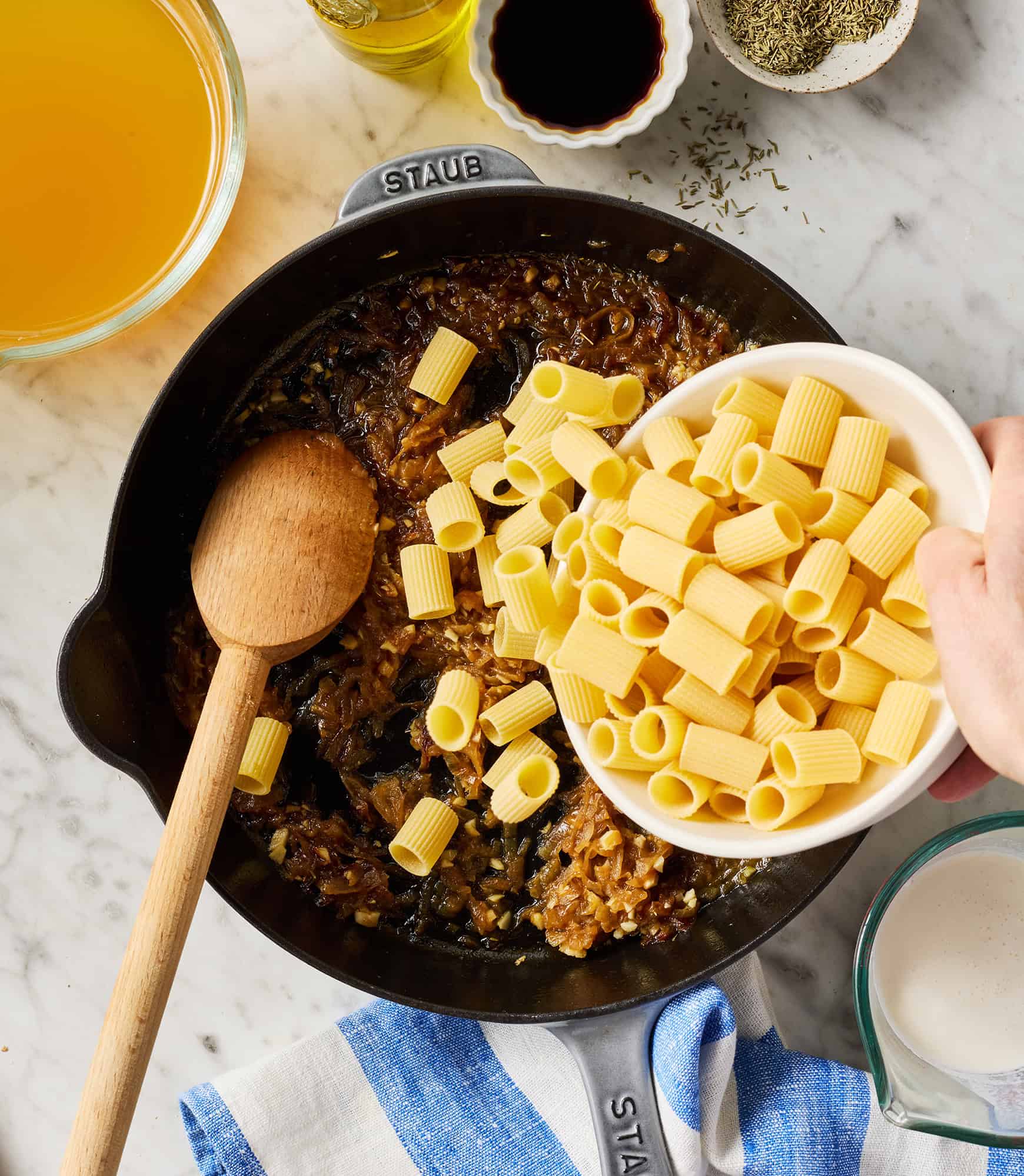
- The Simmering Phase (20–30 Minutes): Once the onions are caramelized, the deglazing occurs. Adding white wine and a splash of balsamic vinegar adds acidity, balancing the sweetness of the onions. The pasta is then introduced directly into this liquid environment. As the pasta boils in the seasoned broth, it absorbs the flavor of the onions rather than diluting it, resulting in a significantly more intense taste experience.
- The Emulsification Phase (5–10 Minutes): The final step involves the integration of the dairy and cheese. By folding in the cheese gradually, the heat of the skillet creates a silky, cohesive sauce that clings to the pasta, effectively mimicking the "melted top" texture of the classic soup without the need for an oven.
Supporting Data: Why Umami is the Secret Weapon
The success of the French Onion Pasta is rooted in food science, specifically the concentration of umami. Umami, often described as the fifth taste, is found in abundance in this dish.
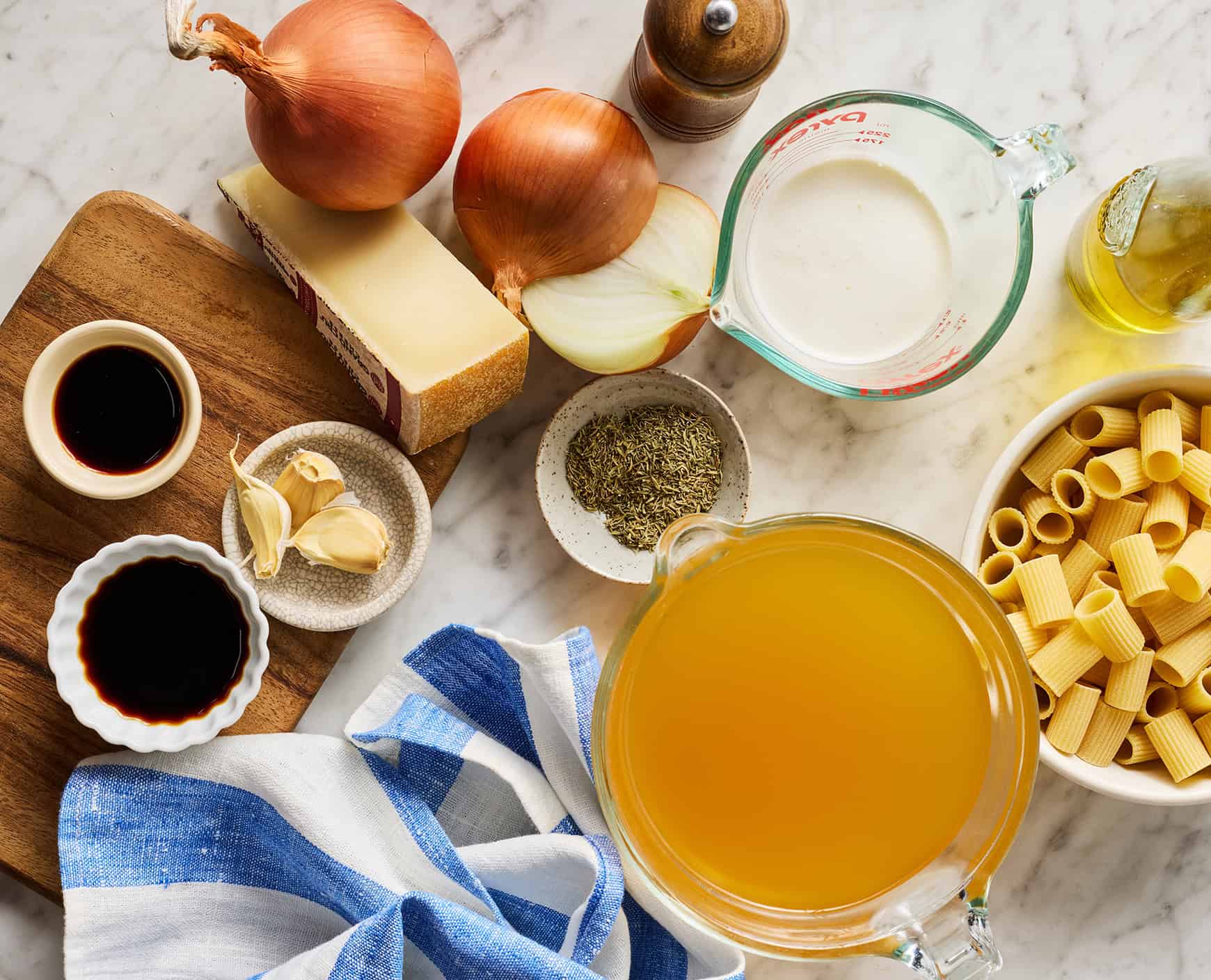
The ingredients chosen for this recipe are a "who’s who" of umami-rich components:
- Caramelized Onions: The Maillard reaction during the 20-minute browning process creates new flavor compounds that are distinctly savory.
- Tamari/Soy Sauce: Often added for depth, this provides a boost of glutamates.
- Gruyère Cheese: This specific variety of cheese is aged, which increases its glutamate content, providing a savory punch that balances the starch of the pasta.
- Broth: Using a high-quality beef or vegetable broth provides a liquid base rich in amino acids.
From a nutritional standpoint, the dish provides a substantial caloric density, making it an ideal meal for colder seasons. With approximately 545 calories per serving, it offers a balanced macronutrient profile—roughly 19 grams of protein and 53 grams of carbohydrates—providing both sustained energy and comfort.
Official Culinary Perspectives: Expert Insights
Professional chefs often debate the merits of one-pot pasta dishes. Critics initially argued that boiling pasta in sauce would result in a gummy texture. However, recent culinary innovations have debunked this, provided that the liquid-to-pasta ratio is managed with precision.
Chef Sarah Jenkins, a proponent of simplified techniques, notes: "The key to successful one-pot pasta is the release of the starch. In a traditional pot, you discard the starchy water. In this method, the starch becomes the thickener for your sauce. It’s not just a time-saver; it’s a superior way to achieve a restaurant-quality cling."
The recipe for French Onion Pasta, as championed by platforms like Love & Lemons, has gained significant traction because it respects the heritage of the soup while acknowledging the realities of the modern home kitchen. The ability to produce a dish with such depth of flavor in under an hour is a major selling point for busy families and professionals alike.
Implications: The Shift Toward Accessible Gourmet
The popularity of this dish signals a broader shift in how we approach home cooking. We are moving away from the era of complex, multi-step recipes that require industrial-level preparation and toward "elevated simplicity."
The Environmental and Economic Impact
One-pot cooking is inherently more sustainable. It reduces the consumption of water (no separate pot to fill) and minimizes the energy required to clean multiple pans. Economically, the ingredients required—onions, dry pasta, broth, and a wedge of cheese—are staples that are generally affordable and have a long shelf life. This makes the recipe an excellent candidate for budget-conscious meal planning.
The Social Component
Comfort food is inherently social. By reducing the time spent standing over a stove monitoring multiple burners, the cook is freed to engage with guests or family. The "one-pot" presentation also allows for a rustic, family-style serving method, where the skillet can be brought directly to the table.
Future Outlook
As we look toward the future of home dining, it is clear that recipes like this are here to stay. They represent the democratization of high-end bistro flavors. We are likely to see more "deconstructed" classics appearing in home kitchens—dishes that honor the tradition of their origins while embracing the efficiency of contemporary tools.
In conclusion, French Onion Pasta is more than just a passing food trend. It is a masterclass in flavor balancing and efficiency. By capturing the essence of the French bistro in a single, well-executed pan, home cooks can enjoy the warmth and complexity of a dish that feels like it took all day to prepare, without the logistical burden of a professional kitchen. Whether you are a novice cook looking for a reliable weeknight staple or a seasoned home chef looking to refine your repertoire, this dish offers a perfect, savory escape.


 Basiran
 Jia Lissa
