

 Azzam Bilal Chamdy
 Neng Nana
 Nana Muazin
 Dwi Wanna
 Raul Delapena Setiawan
 Iffa Jayyana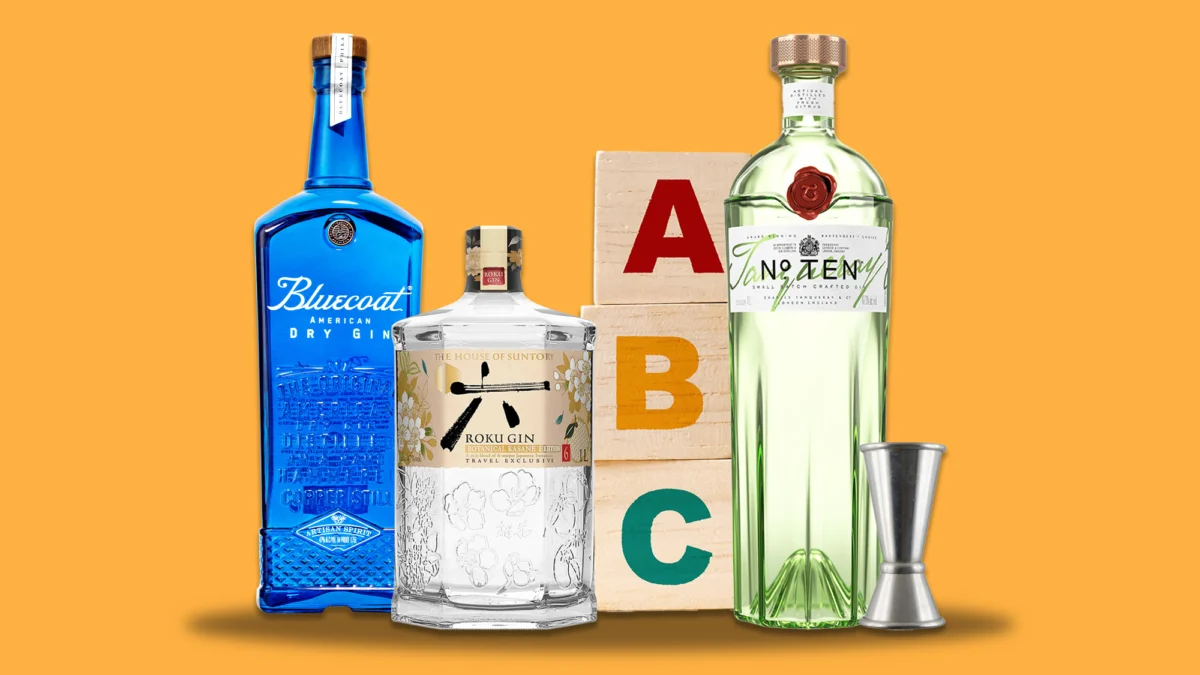
In the early days of the craft cocktail revival, gin was a notoriously tough sell. While brown spirits like bourbon and rye were undergoing a massive resurgence in popularity, gin—with its polarizing, piney profile—often felt like a bridge too far for the average drinker. Many consumers, conditioned by the neutrality of vodka, found the botanical intensity of gin challenging, if not downright medicinal.
This reluctance forced bartenders to get creative. A legendary piece of cocktail folklore from the famed Pegu Club in New York City tells of bartenders who would discreetly steer hesitant guests toward the gin category by promising them it was simply "juniper-flavored vodka." It was a white lie, perhaps, but one that served a higher purpose: opening the door to a world of flavor that had been relegated to the back bar for far too long.
Two decades later, the narrative has shifted entirely. Gin has blossomed from a "grandma’s drink" into one of the most dynamic and innovative spirits categories on the planet. From the traditional London Dry styles that built the foundation of the cocktail canon to contemporary expressions incorporating everything from African marula fruit to Islay-foraged botanicals, the modern gin landscape is a playground for the curious enthusiast. However, this explosion of choice has introduced a new hurdle: analysis paralysis. With thousands of labels competing for shelf space, where does a newcomer begin? To answer that, we consulted 15 of the industry’s top bartenders to identify the most accessible, versatile, and rewarding bottles for the gin-curious.
A Chronology of the Gin Comeback
The transformation of gin from a misunderstood spirit to a global powerhouse did not happen overnight. Its trajectory mirrors the broader evolution of the modern cocktail movement.
The Dark Ages (Late 1990s – Early 2000s)
During the dawn of the cocktail renaissance, the market was dominated by mass-produced, industrial spirits. Gin was largely viewed through the lens of a few major brands that, while iconic, lacked the nuance and craft branding that would eventually ignite the category.
The Craft Distillation Boom (2010 – 2018)
As consumers began seeking "terroir" and transparency in their spirits, small-batch distilleries emerged. This era saw the birth of the "New Western" style, which downplayed the traditional juniper-heavy profile in favor of floral, citrus, and herbal notes. This shift was critical; by softening the medicinal "piney" edge, distillers made gin palatable to a demographic that had previously sworn it off.
The Global Expansion (2019 – Present)
Today, we are in the era of regional expression. Distilleries in South Africa, Japan, Mexico, and beyond are utilizing indigenous botanicals to tell stories of their geography. Gin is no longer just a British export; it is a global medium for artistic expression, allowing distillers to craft spirits that are as much about the place of origin as they are about the base spirit.
The Expert Consensus: Top Recommendations for Beginners
When asked to select a bottle for a novice, our panel of 15 bartenders focused on three key metrics: balance, versatility, and the "palatability" of the juniper profile.
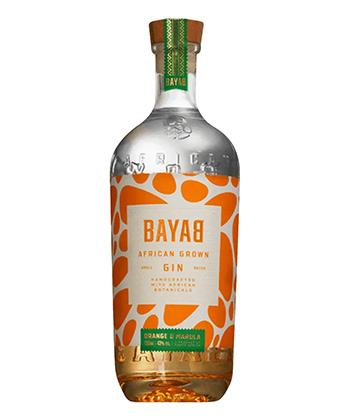
1. The Tropical Gateway: Bayab Orange and Marula
"Bayab Orange and Marula gin is an excellent introduction for those who fear the medicinal flavor often associated with the category," says Zack Atzert of The Fountain Inn. By highlighting the vibrant, citrusy notes of the sub-Saharan marula fruit, this expression offers a bright, intense experience that plays well in both a Martini and a Gimlet.
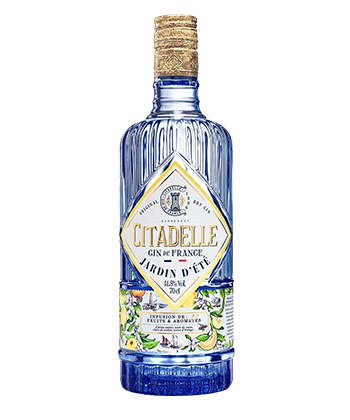
2. The Gold Standard: Citadelle Gin
For Jarett Karlsberg of the Wythe Hotel, the answer is a "middle-of-the-road" powerhouse. Citadelle stands out because they cultivate their own juniper, ensuring the botanical punch is fresh rather than astringent. It is the perfect archetype of an approachable, well-made London Dry gin.
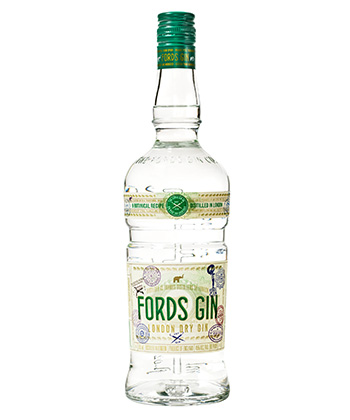
3. The Bartender’s Workhorse: Fords Gin
Charlotte Marshall, beverage director at Nic & Junior’s Tavern, champions Fords Gin for its versatility. "It was developed with input from bartenders to be a balanced, all-purpose bottle," she explains. Because it is priced accessibly and designed to work in almost any classic recipe, it represents a low-risk entry point for home bartenders.
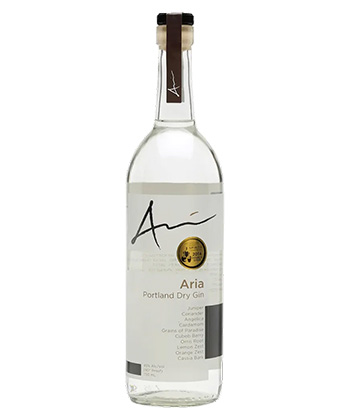
4. The Bridge: Aria Classic Dry Gin
Jessica Brown of Portland’s Nostrana suggests Aria for its ability to balance tradition with modern accessibility. "It strikes a balance between the London Dry style and approachable floral and citrus notes," she notes. It is a spirit that can hold its own in a complex Negroni while remaining light enough for a refreshing Gin & Tonic.
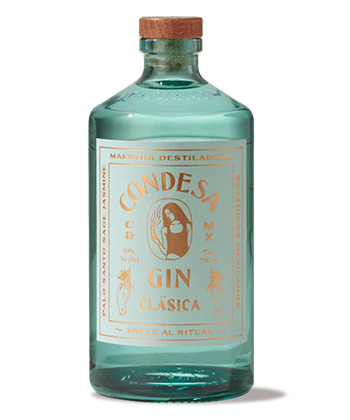
5. The Botanical Shift: Condesa Gin ‘Clásica’
Ricky Dolinsky highlights the importance of non-traditional botanicals. By utilizing Mexican ingredients like palo santo and Mexican sage, Condesa offers a softer, more fragrant profile that challenges the assumption that all gin must taste like a forest.
Supporting Data: Why "Juniper-Forward" Isn’t Everything
For years, the industry relied on the "juniper-forward" definition as the singular standard for quality. However, data from consumer research indicates that modern drinkers prioritize "flavor profile" over "category adherence."
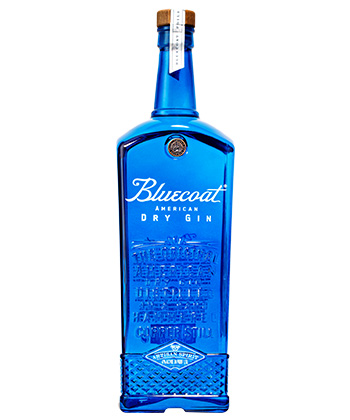
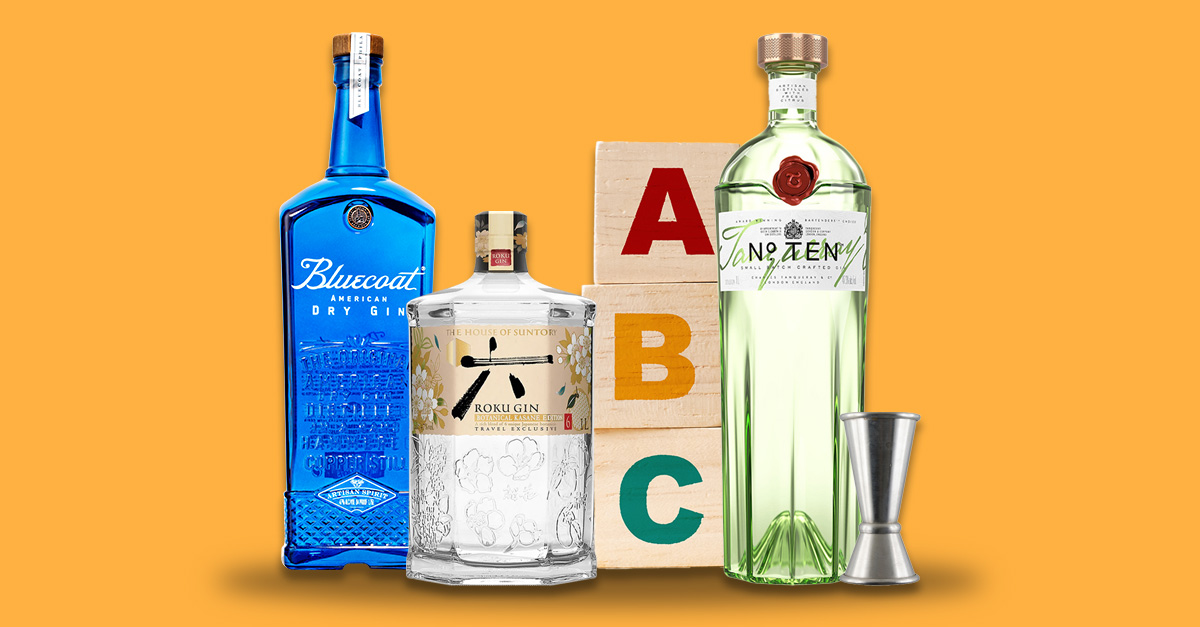
A significant portion of the growth in the gin sector is driven by the "aromatic" and "citrus" segments. As B. Cole of Valerie in NYC points out, "Bluecoat American Dry Gin is my no-brainer recommendation because it is wonderfully textured and citrus-forward, with a delicate, spicy finish." This preference for texture and citrus over aggressive coniferous notes is the primary driver behind the category’s continued expansion.
Furthermore, the "sippability" factor—often measured by the ABV and the quality of the base spirit—has become a priority. High-proof gins like Letherbee, which are not chill-filtered, retain essential oils that bloom in the glass, providing a sensory experience that is far removed from the harsh, bottom-shelf gins of the past.
Official Perspectives: The Role of the Bartender
The professional bartender acts as the ultimate filter in the spirits industry. Their role is no longer just to mix drinks, but to curate experiences and provide the context necessary for a guest to expand their palate.
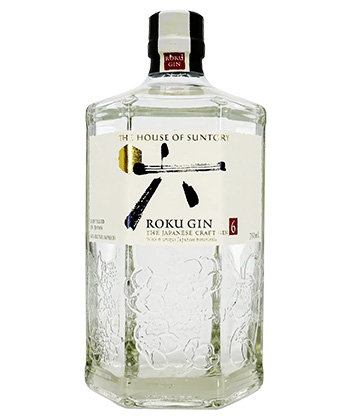
Martha Davis, lead bartender at The Marigold Club, notes that her choice, Suntory Roku, is a "team player." Its use of Japanese botanicals like sakura and yuzu allows it to blend harmoniously with other cocktail ingredients, making it an ideal "gateway" for those who don’t want their spirit to fight with their mixers.
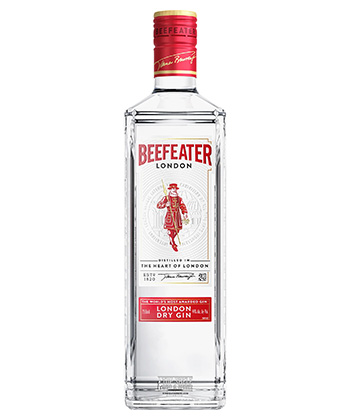
Conversely, some experts believe in starting with the classics to understand the framework of the spirit. Sarah Clark of The Dearborn recommends Beefeater for its crisp, clean, and honest representation of the London Dry style. "Once you understand that classic profile," notes José Maria Dondé Rangel, "you can move into the more experimental Japanese, Italian, or Mexican gins."
Implications for the Future of Gin
The implications of this shift are profound. As the stigma of the "piney gin" fades, we are seeing a homogenization of the cocktail menu where gin is no longer a niche choice but a default.
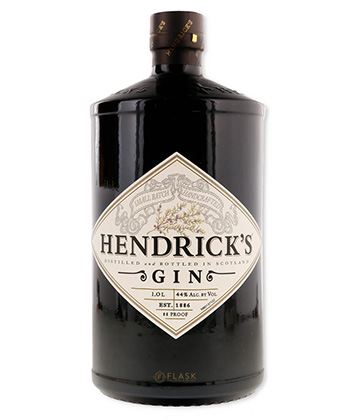
- Consumer Confidence: As more "gateway" gins (like Hendrick’s, with its cucumber/rose profile, or the various flavored Bayab expressions) gain market share, the barrier to entry for the spirit is effectively lowered.
- Increased Competition: With so many brands vying for the "beginner" title, distillers are being forced to innovate through sustainable sourcing and local terroir, which ultimately elevates the quality of the entire category.
- The Home Bar Revolution: The trend of "at-home mixology" means that the bottles bartenders recommend must be versatile enough to make a Martini, a Negroni, and a Collins. This has pushed brands to focus on "resilient" flavor profiles that don’t collapse when diluted or mixed with sugar and acid.
In conclusion, the era of the "gin-hater" is rapidly coming to a close. Whether you prefer the bright, tropical notes of an African-distilled spirit or the refined, botanical complexity of an Islay-based gin, the current market offers a perfect starting point for everyone. As our panel of experts proves, the best way to start your journey is to abandon your preconceptions, pick a bottle that sounds like it fits your personal palate, and start mixing. After all, the best gin is the one that tastes like an invitation rather than a chore.


 Layla Zulfa
 Evan Lee Salim