

 Azzam Bilal Chamdy
 Neng Nana
 Nana Muazin
 Dwi Wanna
 Raul Delapena Setiawan
 Jia Lissa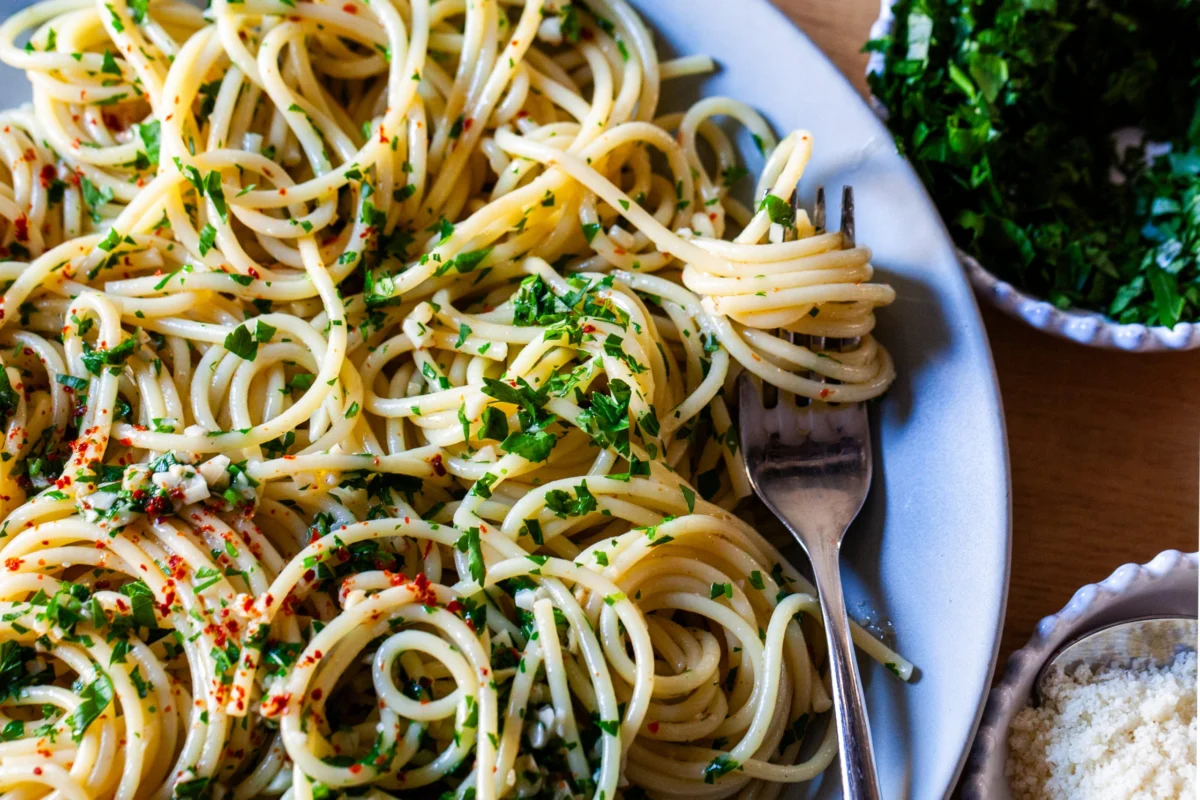
In the modern culinary landscape, where elaborate sous-vide techniques and complex fermentation projects often dominate social media feeds, there remains a quiet, humble hero that anchors the kitchens of both professional chefs and exhausted parents alike: Spaghetti Aglio e Olio.
Originating from the sun-drenched streets of Naples, this dish is more than a recipe; it is a lesson in minimalism. At its core, the dish consists of little more than pasta, garlic, high-quality olive oil, and a pinch of red pepper flakes. Yet, its ability to transform a meager pantry into a gourmet experience has solidified its status as a global staple. As we navigate the "dog days" of summer—a time characterized by heat-induced lethargy and a desire to minimize time spent over a sweltering stove—the enduring relevance of aglio e olio serves as a vital reminder that great cooking is not defined by complexity, but by the thoughtful execution of simple, high-quality ingredients.
The Anatomy of a Kitchen Staple: Main Facts
The brilliance of spaghetti aglio e olio lies in its "back-pocket" accessibility. It requires no specialized equipment, no expensive proteins, and no lengthy marinating times. It is the culinary equivalent of a safety net for the home cook.

The core mechanics of the dish are dictated by the emulsification of starchy pasta water and fat. By saving a portion of the water used to boil the noodles, the cook creates a glossy, cohesive sauce that clings to every strand of spaghetti. This process—often referred to in professional kitchens as mantecare—is the secret to the dish’s signature mouthfeel. Unlike cream-based sauces that can feel heavy in the summer heat, the garlic-infused oil provides a punch of savory aromatics that feels both indulgent and light.
A Chronological Evolution: From Neapolitan Streets to Global Tables
Tracing the history of aglio e olio takes us back to the Campania region of Southern Italy. Historically, this dish was the food of the peasantry. Garlic was cheap and readily available, and olive oil was a local commodity, making it an affordable way to flavor carbohydrates.
- The 18th and 19th Century Origins: Initially, the dish was often associated with extreme poverty, as it required no expensive additions like meat or cheese. However, as it traveled with migrants across the Atlantic, it underwent a subtle transformation.
- The Mid-20th Century Expansion: As Italian-American cuisine began to flourish, aglio e olio found its way into home kitchens across the United States. It became a favorite for its speed, perfect for families juggling busy schedules.
- The Digital Age Renaissance: In the last decade, the dish has seen a resurgence. Food bloggers and culinary influencers have championed the recipe as the ultimate "lazy dinner," highlighting its ability to be customized with whatever happens to be lingering in the refrigerator—be it wilted spinach, leftover roasted vegetables, or a handful of cherry tomatoes.
Supporting Data: Why It Remains the King of Efficiency
When evaluating the "value" of a recipe, professional chefs often look at the ratio of effort to impact. Aglio e olio scores at the top of this metric.

- Time Efficiency: From boiling the water to plating the final dish, the process rarely exceeds 15 minutes.
- Ingredient Cost: A standard serving costs a fraction of a restaurant-grade meal, making it an essential tool for budget-conscious households.
- Versatility: Culinary data shows that aglio e olio serves as a "base" for a variety of proteins. Adding lemon-grilled shrimp, seared chicken thighs, or even a simple side of seasonal greens allows the home cook to upgrade the dish without compromising its foundational simplicity.
Studies on consumer cooking habits suggest that during periods of high stress or vacation—such as when one is dealing with the limitations of an unfamiliar vacation rental kitchen—home cooks revert to "comfort primitives." Aglio e olio is the quintessential comfort primitive. It requires no recipe card, only a memory of the sizzling sound of garlic hitting warm oil.
The Chef’s Perspective: Technical Mastery of the Pan
While the dish is simple, the difference between a "greasy" plate of pasta and a "silky, restaurant-quality" plate lies in technique. We consulted with culinary experts to clarify the common pitfalls.
The "Cold-Start" Method:
Many amateur cooks burn their garlic, turning it bitter and acrid. The professional standard involves adding the garlic and olive oil to the pan before the heat is turned on. By starting cold, the garlic infuses the oil slowly as the temperature rises. This controlled extraction ensures a mellow, sweet, and deeply aromatic profile rather than a burnt, sharp one.

The Emulsification Process:
The addition of the pasta water is not merely for dilution; it is a chemical necessity. The starch in the water acts as a binding agent, allowing the oil and the pasta to become a unified dish. "Without the pasta water," notes a leading food scientist, "you are simply eating oily noodles. With it, you are eating a sauce."
The Societal Implications of the "Fudge" Factor
There is a psychological component to cooking that is often overlooked in traditional food journalism. As the modern household becomes increasingly burdened by the mental load of daily life—the "bucket of fudge," if you will—the kitchen often becomes a source of anxiety rather than creativity.
Aglio e olio serves as a circuit breaker for this anxiety. It is a dish that grants the cook permission to do less. In an era of performative cooking, choosing to boil pasta with garlic is an act of self-care. It signals that it is acceptable to prioritize one’s own energy levels while still providing a meal that is objectively delicious. It is the culinary equivalent of a "reset button."

Beyond the Recipe: Customization and Personalization
While the dish is rigid in its philosophy, it is incredibly flexible in its execution. The debate over the inclusion of Parmesan cheese is a classic point of contention among traditionalists. While some purists argue that the saltiness of the pasta water and the sharpness of the garlic should stand alone, the reality of the modern home kitchen is one of individual preference.
If your household prefers a hit of umami, the addition of Parmesan or Pecorino is a widely accepted modification. Others might opt for a squeeze of fresh lemon juice to cut through the richness of the oil, or a scattering of toasted breadcrumbs for texture. The dish effectively "absorbs" the personality of the cook.
Conclusion: A Nudge Toward Simplicity
As August draws to a close and the pace of life begins to shift, we are reminded that our kitchens do not need to be laboratories of complexity to be effective. Aglio e olio is a testament to the fact that when you start with excellent olive oil, fresh garlic, and perfectly timed pasta, you are halfway to a memorable meal before you have even turned on the stove.

So, the next time you find yourself staring into a nearly empty refrigerator, exhausted by the day’s demands, remember the Neapolitan classic. Let the sizzle of the garlic be the background music to a quiet, delicious evening. It is a meal that respects your time, satisfies your hunger, and proves, once and for all, that the best things in life are often the simplest.
Pro-Tips for the Perfect Aglio e Olio
- Salt the Water: Treat your pasta water like the sea. It is the only chance you have to season the pasta itself.
- Don’t Overcook: Pull the pasta out 2 minutes early. It will finish cooking in the pan with the oil and water, ensuring a perfect al dente texture.
- Quality Matters: Because there are so few ingredients, the quality of your olive oil will define the final flavor. Use a high-quality extra virgin olive oil if possible.
- Stir Vigorously: When combining the pasta with the oil and water, move the pan constantly. The motion helps the emulsion form, creating that signature glossy coating that separates a home cook from a master.

 Evan Lee Salim
