

 Azzam Bilal Chamdy
 Neng Nana
 Nana Muazin
 Dwi Wanna
 Raul Delapena Setiawan
 Rifan Muazin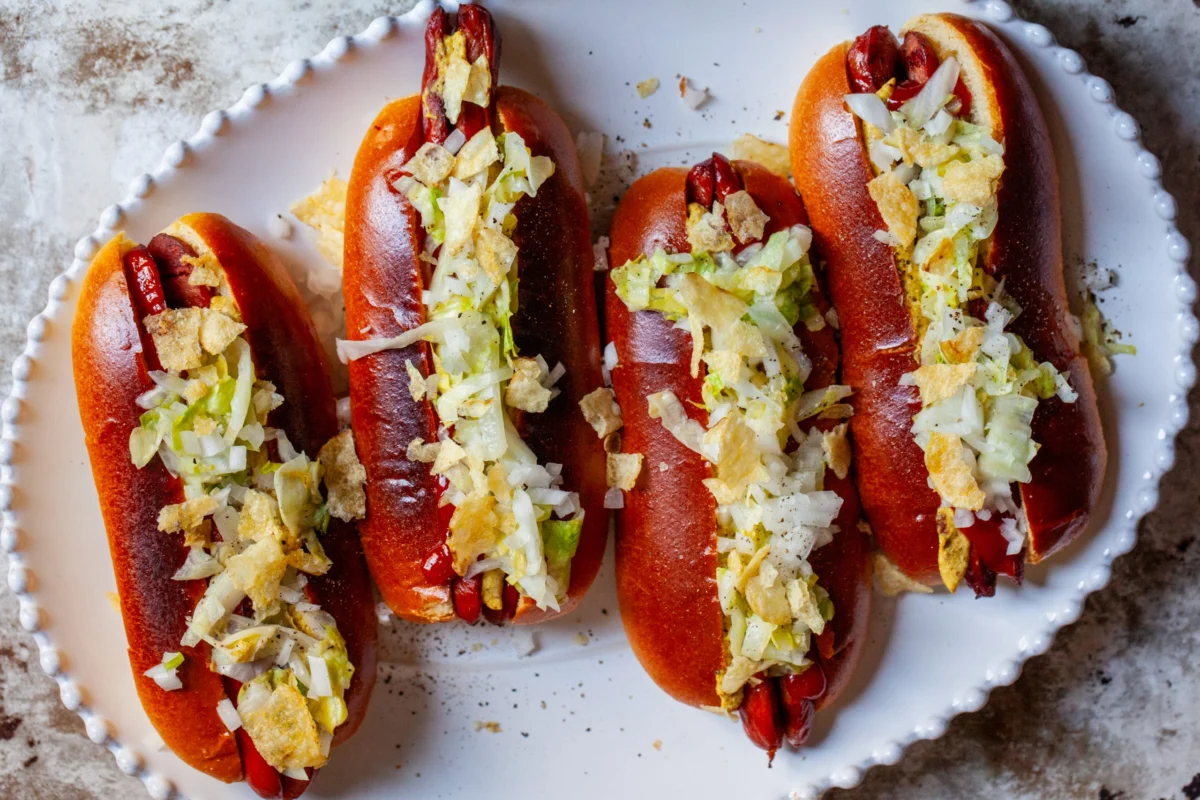
In the vast lexicon of American comfort food, few items are as ubiquitous—or as polarizing—as the hot dog. While often relegated to the status of a low-effort backyard staple, the humble frankfurter is currently undergoing a culinary re-evaluation. Debunking the myth that one must manually grind, season, and stuff their own casings to achieve a "gourmet" experience, food enthusiasts and home chefs are proving that the secret to a world-class hot dog lies not in the production of the meat itself, but in the precision of its preparation and the elevation of its toppings.
Main Facts: The Art of the Elevated Frankfurter
For years, the standard approach to the hot dog has been a binary choice: boiled or charred on a grill. However, the current shift in home cooking trends favors a more intentional technique known as "butterflying." By splitting the sausage lengthwise while leaving a small hinge intact, the cook exposes the interior surface area to direct heat. This process achieves a trifecta of culinary benefits: it creates a superior "sear" or crust, it prevents the sausage from rolling around on the grill, and—most importantly—it creates a stable, trough-like foundation for premium toppings.

The modern hot dog is no longer limited to the trinity of yellow mustard, ketchup, and relish. The current movement introduces acidity and texture as the primary pillars of flavor. By incorporating "vinegared iceberg lettuce"—a crisp, pickled take on the standard shred—and the savory crunch of crumbled potato chips, the dish moves from a monochromatic, salty snack to a multi-dimensional meal that balances temperature, fat, and acid.
Chronology: From Street Food to Kitchen Staple
The transformation of the hot dog’s preparation has evolved through several distinct phases:

- The Industrial Era: The hot dog was popularized as a pre-processed, shelf-stable convenience food. During this time, the focus was entirely on portability. The "ballpark style" dominated, favoring quick preparation methods like steaming or boiling.
- The Grilled Aesthetic: As outdoor cooking became a middle-class American pastime, the grill became the standard, albeit imprecise, tool for cooking hot dogs. The primary complaint during this era was the "rolling dog," which often led to uneven charring or burnt casings.
- The Technique-Driven Shift: Within the last decade, high-end food media and culinary blogs began emphasizing the "butterfly" cut. This technique, originally popularized in parts of Latin America and later adopted by gourmet hot dog stands, shifted the focus from "heating the meat" to "caramelizing the surface."
- The Current Innovation: The modern era, exemplified by current culinary experimentation, focuses on the "topping architecture." By looking toward international influences—such as the Venezuelan practice of adding potato sticks or chips—home cooks are now treating the hot dog as a vehicle for complex flavor profiles.
Supporting Data: Why Texture and Acid Matter
In culinary science, the success of a dish is often dictated by the "mouthfeel" and the balance of macronutrients. A standard hot dog is essentially a cylinder of fat and protein. Without an external textural contrast, the experience can become monotonous.
- Acidity: The addition of vinegared iceberg lettuce provides a "bright" note that cuts through the rich, savory fattiness of the cured meat. This is similar to the function of pickles in a burger or kimchi in a fatty pork taco.
- Crunch: The inclusion of crumbled potato chips—or the thin "potato sticks" often found in South American street food—serves to break up the uniform density of the sausage and the soft, pillowy texture of the bun.
- Surface Area: By butterflying the frankfurter and using a weighted press, cooks can increase the Maillard reaction (the chemical reaction between amino acids and reducing sugars that gives browned food its distinctive flavor).
Official Responses and Culinary Expert Opinions
While traditionalists may argue that the "purity" of the hot dog is lost with the addition of sophisticated toppings, culinary experts note that the hot dog is, by its very nature, a "blank canvas."

"We often confuse convenience with culinary ceiling," says a noted food commentator. "Just because a product comes in a package doesn’t mean it shouldn’t be treated with the same respect as a steak or a piece of fish. If you apply the same physics—heat management, moisture control, and acidity balance—to a hot dog, the result is objectively better."
Furthermore, the trend of moving the cooking process from the "triple-digit heat" of a backyard grill to the climate-controlled environment of a kitchen oven or cast-iron skillet is gaining traction. This "indoor-first" mentality allows for better control over the heat, resulting in a more consistent "snap" in the casing and a deeper color on the meat.

Implications: A New Era of Home Dining
The implications of this shift are twofold. First, it democratizes the "gourmet" experience. By focusing on simple, accessible ingredients like iceberg lettuce, vinegar, and store-bought potato chips, any home cook can elevate a budget-friendly staple into a meal that feels intentional and well-considered.
Second, this movement highlights the importance of global influence in local food culture. The integration of international toppings—whether it’s the Venezuelan influence of potato chips or the refined pickling techniques of various global cuisines—reminds us that our culinary habits are never static.

A Note on Global Solidarity
In the context of global food culture, it is important to acknowledge the origins of these influences. As we look to Venezuela for inspiration in our home kitchens, it is vital to remain aware of the challenges facing those communities. Recent natural disasters in regions like Venezuela have devastated local food security. Initiatives like World Central Kitchen, which mobilize to provide hot meals to those in crisis, remind us that the joy of food is a universal language. When we enjoy our meals, we are connected to a global network of farmers, chefs, and communities, and supporting those who provide food in times of catastrophe is a critical part of the modern culinary ethos.
Conclusion: The Perfect Assembly
To master the modern hot dog, one must discard the notion that it is a "fast food." Instead, treat it as a curated project:

- The Prep: Create a quick brine of water, vinegar, sugar, and salt to macerate the iceberg lettuce. This provides the necessary acidity.
- The Sear: Butterfly the dog and use a heavy pan or press to ensure the meat is flattened, creating a uniform, browned surface.
- The Assembly: Apply a base layer of mustard and ketchup, pile on the vinegared lettuce for height and freshness, and finish with a generous scattering of crumbled chips for that final, necessary crunch.
By focusing on these small, scientific adjustments, the hot dog evolves from a basic summer snack into a versatile, sophisticated dish worthy of any table, regardless of the temperature outside. The era of the "uninspired" hot dog is over; the age of the elevated, intentional frankfurter has arrived.

 Evan Lee Salim
