

 Azzam Bilal Chamdy
 Neng Nana
 Nana Muazin
 Dwi Wanna
 Raul Delapena Setiawan
 Pevita Pearce
Listen to This Article:
The world of food and wine is replete with iconic pairings: the robust marriage of steak and red wine, the effervescent delight of oysters with Champagne, or the bold counterpoint of blue cheese alongside a glass of Port. These combinations are so ingrained in culinary lore that many recognize them instinctively, often without fully grasping the underlying principles that make them sing. Yet, for those standing before a labyrinthine wine shop aisle or navigating an extensive restaurant list, a handful of classic matches offers only a starting point.
To move beyond rote memorization and embrace true confidence in selection, one must delve into the core principles of food and wine pairing. This foundational understanding empowers home cooks to elevate a dinner party, chefs to refine a dish, and aspiring sommeliers or hospitality professionals to master their craft. The daunting "wall of bottles" transforms from an enigma into a landscape of delicious possibilities, approachable and inviting.
Beyond the Binary: Debunking the Red-Meat/White-Fish Myth
The adage, "white wine with fish, red wine with meat," serves as a helpful, albeit vastly oversimplified, introduction to pairing. While it hints at a fundamental concept – matching intensity – it falls far short of a complete rule. A truly successful pairing considers the entirety of a dish, where elements such as the sauce, seasoning, cooking method, richness, and accompanying ingredients often wield as much influence as the primary protein itself.
Consider a delicate white fish, such as sole or cod, poached and served with a bright lemon-herb sauce. Its subtle flavors and light texture would indeed find a harmonious partner in a crisp, high-acid white wine like Sauvignon Blanc or a Pinot Grigio. However, envision a richer fish, like salmon or halibut, pan-seared and bathed in a decadent butter or cream sauce. Here, a fuller-bodied Chardonnay, perhaps one with a touch of oak, would offer the necessary weight and richness to complement, rather than overpower, the dish.
Similarly, chicken, often relegated to white wine territory, demonstrates remarkable versatility. A simple grilled chicken breast with fresh vegetables might align perfectly with an unoaked Chardonnay or a dry Riesling. Yet, a robust coq au vin, braised in red wine, or a herb-crusted roast chicken, can find an exquisite partner in a light-bodied red like Pinot Noir, whose earthy notes and subtle tannins enhance the savory depth of the poultry. The key, therefore, lies not in the protein alone, but in the comprehensive flavor profile of the entire plate.
The Sommelier’s Blueprint: Five Pillars of Food & Wine Harmony
For those seeking to make informed choices with greater certainty, a structured approach is invaluable. Before uncorking a bottle, consider the dish holistically, identifying the flavors, textures, and taste elements that truly define it. These five questions form a robust framework, guiding you to a harmonious selection:
1. How Intense Is the Dish? A Symphony of Weight and Body
The most fundamental principle of pairing involves matching the overall intensity of the food with the body and power of the wine. A delicate dish, with its subtle nuances, risks being completely overwhelmed by a robust, high-alcohol wine, rendering the food flavorless. Conversely, a light, ethereal wine can taste thin, weak, or disappear entirely when confronted with a rich, deeply flavored, or heavily textured dish.
Lighter Pairings: Dishes characterized by their freshness and lightness—think a crisp green salad, succulent grilled shrimp, or delicately poached fish—thrive alongside wines with a lighter body and vibrant acidity. Sauvignon Blanc, known for its zesty citrus and herbaceous notes, is a classic choice. Similarly, elegant lighter reds like Pinot Noir, with its nuanced red fruit and earthy undertones, can beautifully complement dishes such as roast chicken, mushroom-based pasta, or delicate charcuterie. The goal is a gentle embrace, where neither component overshadows the other.

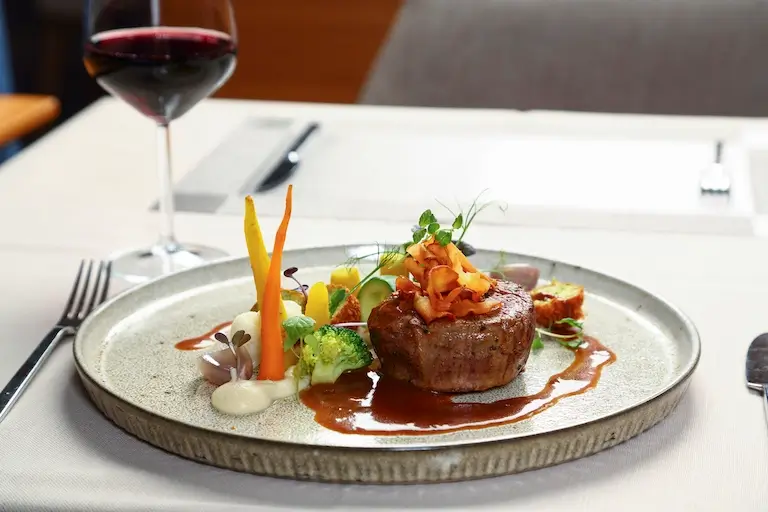
Richer Pairings: When the plate presents a more substantial character—braised beef short ribs, a perfectly grilled steak, or pasta cloaked in a creamy Alfredo sauce—the wine must possess commensurate weight and structure. Bold reds like Cabernet Sauvignon, with its firm tannins and dark fruit, or a full-bodied, oaked Chardonnay, offering creamy textures and notes of vanilla, can stand up to and balance such richness. It’s crucial to remember that the "complete effect" encompasses the sauce, seasoning, texture, and cooking method, not merely the main ingredient. A well-seared steak, with its caramelized crust and inherent richness, finds a formidable partner in a tannic red, the fat and protein softening the wine’s astringency while the wine’s structure complements the meat’s intensity.
2. What Is the Dish’s Dominant Flavor? Unmasking the Heart of the Dish
Often, the largest ingredient on the plate is not the sole, or even primary, determinant of a dish’s flavor. A vibrant sauce, an aromatic spice blend, a pungent marinade, a fresh garnish, or a transformative cooking method can collectively create the "flavor profile" that truly dominates the palate. Is the dish bright and citrusy, smoky and savory, earthy and creamy, or spicy and aromatic? Identifying this prevailing character is paramount.
Consider the versatile salmon. If prepared with a squeeze of lemon, fresh dill, and served alongside a crisp cucumber salad, its dominant flavors are unequivocally fresh, herbal, and bright. This profile naturally steers toward wines like Sauvignon Blanc, Albariño, or a dry Riesling, which echo these zesty, aromatic qualities. However, glaze that same salmon with a miso-soy-ginger marinade, and the flavor paradigm shifts dramatically. The profile becomes savory, salty, and aromatic. Here, a fruit-forward Pinot Noir, an off-dry Riesling (to balance the salinity and umami), or even an aromatic Gewürztraminer would offer a more compelling match.
The same principle applies to beef. A steak crusted with cracked black peppercorns demands a wine with enough spice and structure to complement its pungent heat, such as a Syrah or a powerful Cabernet Sauvignon. Conversely, a steak served with a vibrant, herbaceous chimichurri sauce might be better suited to a Malbec, Cabernet Franc, or a fresh, herbal red that harmonizes with the garlicky, verdant notes. In each scenario, the objective is to select a wine that either amplifies existing flavors within the dish or provides a counterpoint to balance an especially rich, sharp, spicy, or intense element. Once the dominant flavor is identified, the next step is to dissect its constituent taste elements.
3. Which Taste Element Stands Out? The Chemistry of the Palate
While "flavor" describes the overall sensory experience, "taste elements" are the specific chemical interactions on the tongue: acidity, sweetness, salt, fat, bitterness, chile heat, and umami. Understanding which of these predominates in a dish is crucial for predicting its interaction with wine.
-
Acidity: Acidic foods—think tomato-based sauces, vibrant citrus dressings, or tangy goat cheese—demand wines with equally bright acidity. A low-acid wine will taste dull, flat, or even sweet when paired with an acidic dish. Chianti, a Sangiovese-based wine renowned for its high acidity, is a quintessential partner for classic Italian tomato dishes. Wines typically lower in acidity, such as Viognier, Gewürztraminer, warm-climate Chardonnay, or Merlot, should generally be avoided with highly acidic foods.
-
Sweetness: A golden rule: the wine must always be at least as sweet, if not sweeter, than the food. Dry wines, when paired with sweet desserts, will taste unpleasantly sharp, bitter, or thin, stripped of their fruit. Moscato d’Asti, Sauternes, late-harvest Riesling, or a rich Port are all excellent choices for desserts, their sweetness harmonizing with the dish’s sugar content.
-
Salt: Salt is a wine’s friend. It has a magical ability to soften bitterness and enhance a wine’s perceived fruitiness. Sparkling wines—Champagne, Cava, Lambrusco—with their effervescence and acidity, are superb with salty fried foods or cured meats. Sweet wines, like Port, also create a compelling contrast with salty, pungent cheeses.
-
Fat and Richness: Rich, fatty foods require a wine with sufficient acidity, effervescence, or tannic structure to cleanse the palate and prevent the pairing from feeling heavy or cloying. The classic pairing of Champagne with fried chicken exemplifies this: the bubbles and acidity cut through the grease, refreshing the mouth. Similarly, a Barbera’s bright acidity complements a rich meat ragù, while the firm tannins of Cabernet Sauvignon are beautifully softened by the fat and protein of a marbled steak.
-
Chile Heat: This element demands careful consideration. The alcohol in wine can intensify the burning sensation of capsaicin, while high tannins can feel harsher and more bitter. For chile-forward curries, spicy noodles, or dishes featuring hot peppers, opt for lower-alcohol, fruit-forward wines with a touch of residual sweetness. Off-dry Riesling or Gewürztraminer are excellent choices, as their sweetness tempers the heat and their lower alcohol content avoids exacerbating it.
-
Umami: Foods rich in umami—mushrooms, aged cheeses, soy sauce, miso, cured meats, and tomatoes—present a unique challenge. Umami can make some wines taste noticeably more bitter, metallic, or tannic. Wines with lower tannins and prominent fruit, such as Pinot Noir, Gamay, Riesling, or sparkling wines, tend to be more forgiving and harmonious with umami-rich dishes.
The Enigma of Tannin
"Tannin" is a frequently used, yet often misunderstood, term in the wine lexicon. These phenolic compounds, derived primarily from grape skins, seeds, and stems, and sometimes from oak barrel aging, impart a distinctive drying, slightly puckering sensation in the mouth. Think of the astringency left by strong black tea or an unripe persimmon. To discern a wine’s tannic level, observe the mouthfeel after swallowing: a high-tannin wine leaves the gums, tongue, or inner cheeks feeling dry and grippy, while a low-tannin wine feels smoother and softer.
Tannins are crucial for a wine’s structure, texture, and aging potential, particularly in fuller-bodied reds. With fatty, protein-rich foods like a well-marbled steak, these tannins find their perfect foil. The fat and protein bind with the tannins, softening their astringency and allowing the wine’s fruit and savory notes to shine. However, with dishes high in chile heat or bitterness, highly tannic wines can clash, leading to a harsher, more unpleasant experience.
4. Would Complement or Contrast Work Best? The Art of Balance
Pairings can achieve success through two primary approaches:
- Complementary Pairings: Here, the wine and food share similar qualities, creating a harmonious extension of flavors. A rich, buttery lobster dish finds its match in a full-bodied, oaked Chardonnay, where the wine’s creamy texture and notes of vanilla or toast echo the dish’s richness. Earthy mushrooms often pair beautifully with the similarly earthy, forest-floor notes of Pinot Noir. An herb-laden goat cheese salad is naturally complemented by a Sauvignon Blanc, whose vibrant citrus and herbaceous characteristics mirror the freshness of the food.
- Contrasting Pairings: This approach relies on the wine providing a counterpoint to a dominant element in the food, creating balance through difference. Dry sparkling wines—Champagne, Cava, Crémant—excel at cutting through the richness of fried chicken or tempura, their bracing acidity and effervescence cleansing the palate between bites. An off-dry Riesling, with its touch of sweetness, expertly cools the fiery heat of a spicy curry. A sweet Port provides a magnificent foil for the intense saltiness and sharpness of blue cheese, creating a delightful push-and-pull on the palate.
Both strategies are valid and effective. The choice hinges on the desired effect: do you wish to amplify existing flavors, or introduce a refreshing, balancing, or sweet counterpoint?
5. Is There a Regional Pairing Worth Trying? "What Grows Together, Goes Together"
When faced with uncertainty, an excellent starting point is to consider the geographical origins of both the dish and the wine. Foods and wines that have evolved side-by-side in the same region often possess an inherent synergy, having been crafted to complement local flavors and ingredients over centuries. This principle is often encapsulated as "what grows together, goes together."
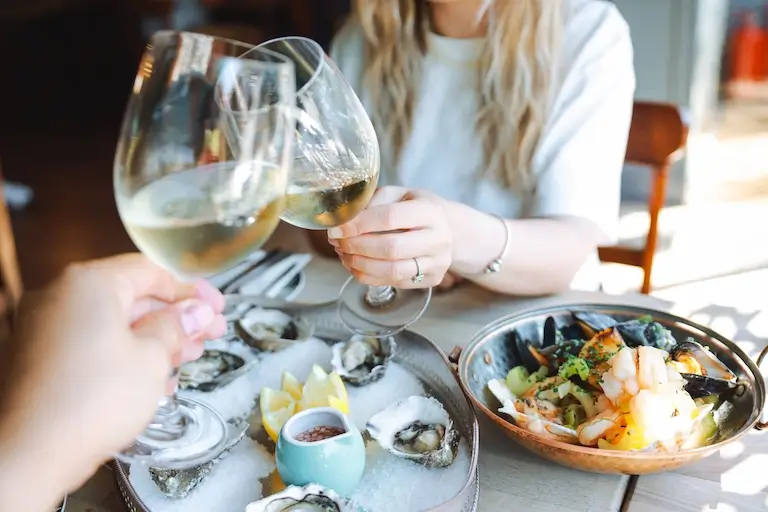
A rustic, tomato-based Tuscan pasta dish, for instance, finds its ideal partner in a Chianti or another Sangiovese-based wine from the same region. The wine’s bright acidity and savory notes perfectly align with the regional cuisine. Oysters and shellfish harvested from the Atlantic coast of France are traditionally paired with Muscadet, while Galician seafood often finds its match in the crisp, saline Albariño. Provençal rosé is a natural accompaniment to the grilled vegetables, seafood, olives, and herb-forward Mediterranean dishes of its homeland. Similarly, the Tempranillo-based wines of Rioja are classic choices for Spanish lamb, cured jamón, and roasted peppers.
Gregory Bonath, Escoffier’s Academic Operations Manager and a certified sommelier, eloquently describes how these local connections deepen the dining experience. "People want to attach themselves to that local something. I feel like it’s important to showcase that. If we’re going to talk about a trout that was fished locally, let’s also talk about grapes that were grown 50 miles away, and add that into the experience." This approach not only enhances the flavors but also imbues the meal with a profound sense of place and cultural authenticity. While not a rigid rule, regional pairing offers a flavorful, historically informed starting point.

Mastering the Classics: Deconstructing Iconic Pairings
Understanding the "why" behind classic pairings is more valuable than mere memorization. By recognizing the balance these combinations create, one can apply similar principles to a broader range of dishes.
Quick-Reference Pairing Table
| Dish Type | Try This Wine | Why It Works |
|---|---|---|
| Grilled or roasted steak | Cabernet Sauvignon, Syrah, Malbec | Fat and protein soften tannin; wine matches dish’s intensity and savory notes. |
| Tomato-based pasta | Chianti, Barbera, Sangiovese | High acidity keeps pace with the tomato’s acidity, complementing herbal notes. |
| Fried or crispy food | Champagne, Cava, Crémant | Bubbles and acidity cut through fat, refreshing the palate between rich bites. |
| Spicy curry or chile-forward noodles | Off-dry Riesling, Gewürztraminer | Sweetness and lower alcohol soften chile heat, complementing aromatic spices. |
| Blue cheese or salty, pungent cheese | Port | Sweetness balances the salt and sharpness, creating a bold, satisfying contrast. |
| Buttery lobster, scallops, or cream sauce | Oaked Chardonnay | Buttery, toasted notes echo the dish’s richness, providing a harmonious extension. |
| Goat cheese, herb salads | Sauvignon Blanc | Herbal, citrus notes and acidity complement the tang and freshness of the dish. |
| Mushroom dishes | Pinot Noir | Earthy flavors and light tannin support without overwhelming the delicate fungi. |
| Oysters, raw shellfish | Muscadet, Albariño | Bright acidity and minerality echo the sea, cleansing the palate. |
| Fruit-based dessert | Moscato d’Asti, late-harvest Riesling | Wine’s sweetness matches or exceeds the dish’s sweetness, preventing sourness. |
Deep Dive into Classic Matches:
-
Cabernet Sauvignon and Steak: A quintessential pairing. Cabernet Sauvignon, known for its robust body, firm tannins, and notes of blackcurrant, cedar, and often a hint of bell pepper, is a formidable match for a richly seared or grilled steak. The meat’s substantial fat and protein effectively tame the wine’s astringent tannins, allowing its complex fruit and savory characteristics to emerge. The wine’s structure, in turn, stands up to the steak’s intense flavors and textures, creating a powerful, balanced experience.
-
Chianti and Tomato-Based Pasta: Tomatoes, with their inherent acidity, pose a challenge for many wines, often making them taste bland or sour. Chianti, primarily crafted from Sangiovese grapes, boasts a vibrant acidity that harmonizes perfectly with marinara, ragù, or lasagna. Its characteristic cherry, herbal, and savory notes also find a natural affinity with garlic, oregano, basil, and aged Italian cheeses, creating an authentic regional pairing.
-
Sauvignon Blanc and Goat Cheese: This pairing is a testament to complementary flavors and textures. The lively, often grassy or citrus-driven acidity of Sauvignon Blanc cuts through the creamy texture and tangy notes of goat cheese, refreshing the palate. Many Sauvignon Blancs also exhibit herbal or mineral undertones that beautifully echo the fresh herbs, leafy greens, or vinaigrettes often found in goat cheese salads and tartines.
-
Sparkling Wine and Fried Food: A classic example of a contrasting pairing. The crisp acidity and effervescent bubbles of Champagne, Cava, Crémant, or other dry sparkling wines act as a natural palate cleanser. They cut through the richness and fat of fried chicken, french fries, tempura, or crispy appetizers, providing a refreshing counterpoint that makes each bite feel as vibrant as the first.
-
Pinot Noir and Mushrooms: Pinot Noir’s nuanced profile often includes earthy, woodsy, and red-fruit notes, which perfectly complement the umami-rich flavors of mushrooms. Its relatively light body and moderate tannins ensure it supports, rather than overpowers, delicate mushroom risotto, pasta dishes, tarts, or roasted vegetables.
-
Off-Dry Riesling and Spicy Food: For dishes with significant chile heat, an off-dry Riesling is a champion. Its noticeable fruit, refreshing acidity, and touch of residual sweetness work in concert to temper the spice. Furthermore, Riesling’s typically lower alcohol content prevents the heat from being unpleasantly amplified, making it ideal for spicy curries, chile-forward noodles, or dishes seasoned with ginger and lemongrass.
-
Chardonnay and Buttery Seafood: A fuller-bodied Chardonnay, especially one that has undergone oak aging or malolactic fermentation, can be an exquisite partner for rich seafood like lobster, scallops, crab, or fish served with butter or cream sauces. The winemaking process imparts creamy, buttery textures and notes of vanilla or toast, which beautifully echo the richness of the dish. For lighter, simply prepared seafood with citrus, an unoaked Chardonnay would be a more appropriate, crisp choice.
-
Albariño and Shellfish: Hailing from Spain’s Rías Baixas, Albariño is celebrated for its bright acidity, aromatic citrus and stone-fruit flavors, and often a subtle saline quality. This inherent freshness and minerality makes it a natural companion for oysters, mussels, clams, shrimp, and simply grilled white fish, particularly when served with lemon or other vibrant, fresh ingredients that highlight its oceanic character.
-
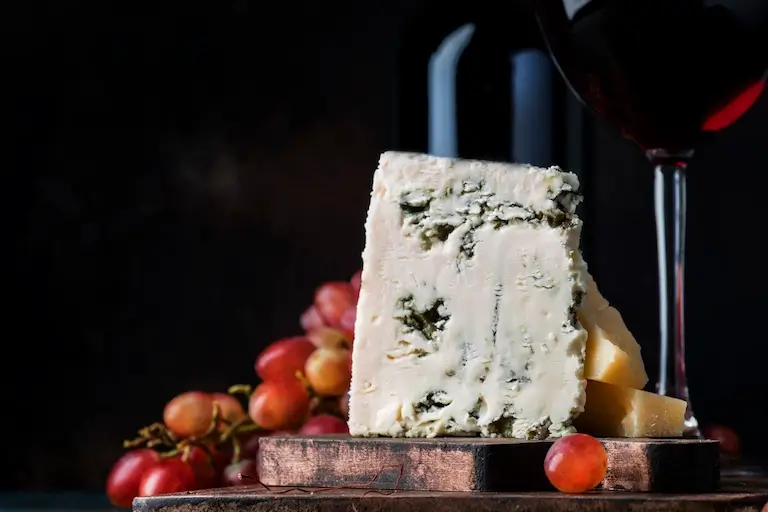
Port and Blue Cheese: This bold, contrasting pairing is a revelation. The concentrated sweetness and intense dark fruit flavors of Port create a dramatic counterpoint to the powerful saltiness and pungent notes of blue cheese. The cheese enhances the perception of fruit in the Port, while the Port’s sweetness softens the cheese’s sharper edges, resulting in a deeply satisfying and complex experience. It’s a vivid reminder that sweet wines deserve a place beyond dessert, particularly at the cheese course.
-
Moscato d’Asti and Fruit-Based Desserts: Moscato d’Asti, a lightly sparkling, aromatic, and distinctly sweet wine from Piedmont, Italy, is a delightful match for fruit-based desserts. Its flavors often evoke peach, apricot, citrus, and orange blossom. Paired with fruit tarts, fresh berries, poached peaches, or a light sponge cake, its sweetness ensures it keeps pace with the dessert, preventing the wine from tasting thin or sour.
From the Field: André Mack Makes Wine Pairing More Playful
Not every wine pairing occasion demands white tablecloths or elaborate tasting menus. Sommelier André Hueston Mack has forged a career around demystifying wine and making it accessible and enjoyable for everyone. After honing his skills at prestigious establishments like The French Laundry and Per Se, Mack launched Maison Noir Wines, where witty bottle names and unpretentious language dismantle traditional formality. His philosophy encourages playful yet thoughtful pairings, such as rosé with pizza or a chilled red with tacos, demonstrating that a well-considered match can be relaxed, personal, and undeniably fun. Mack’s approach emphasizes storytelling and connection, inviting diners to embrace curiosity rather than strict adherence to rigid rules.
Navigating Pitfalls: Common Pairing Missteps and Solutions
Even with a solid understanding of principles, certain missteps can hinder an otherwise thoughtful pairing. Awareness of these common errors can help refine your selections:
| Common Mistake | Why It Can Cause Problems | Try This Instead |
|---|---|---|
| Pairing only by protein | The sauce, seasoning, cooking method, and sides often define the dish’s flavor more than the main ingredient. | Consider the entire plate. Salmon with lemon and dill suggests Albariño, while salmon with a rich cream sauce might call for Chardonnay or Pinot Noir. |
| Letting the food overpower the wine | A delicate wine can vanish beside a smoky, rich, or heavily seasoned dish, losing its character. | Match the intensity. Pair bold, structured wines like Cabernet Sauvignon or Syrah with robust meat dishes, and lighter wines with more delicate foods. |
| Choosing a wine with too little acidity | Tomato, citrus, vinegar, and tangy cheeses will make a low-acid wine taste flat, dull, or sweet. | Look for wines with bright, cleansing acidity such as Chianti, Barbera, Sauvignon Blanc, Albariño, or dry Riesling. |
| Serving a dry wine with a sweeter dish | Dessert will make a dry wine taste sour, bitter, or thin, stripping it of its fruit. | Always choose a wine that is at least as sweet as the food, such as Moscato d’Asti, Port, Sauternes, or late-harvest Riesling. |
| Pairing high alcohol or heavy tannin with chile heat | Alcohol intensifies the burning sensation, and tannins can feel harsher or more bitter. | Opt for lower-alcohol, fruit-forward wines with some residual sweetness, like off-dry Riesling, Gewürztraminer, or demi-sec Vouvray. |
| Overlooking umami | Umami-rich foods (mushrooms, soy sauce, aged cheese) can make tannic wines taste more drying or metallic. | Reach for lower-tannin options such as Pinot Noir, Gamay, Riesling, or sparkling wine, which are more forgiving with umami. |
| Ignoring serving temperature | An icy white wine will have muted aromas and flavors, while a warm red can seem heavy or overtly alcoholic. | Serve white wines chilled but not freezing cold (around 45-50°F / 7-10°C) and many red wines slightly cooler than room temperature (around 60-65°F / 15-18°C) for optimal expression. |
| Following rules over personal taste | A technically "correct" pairing is ultimately unsuccessful if you or your guests don’t enjoy the wine. | Use pairing principles as informed guidance, but always prioritize personal preference and choose wines that people genuinely want to drink. Experimentation and enjoyment are key. |
Cultivating Confidence: The Journey of a Culinary Professional
Whether you’re selecting bottles for a casual dinner, developing an innovative menu, or envisioning a future as a sommelier, continuous practice and an insatiable curiosity are your greatest assets. Certified Sommelier Connor Fowler, an Escoffier graduate now making his mark at Tavernetta in Denver, traces his own development back to asking simple, yet profound, questions during an externship: "Why does this pair with this dish?" This foundational curiosity propelled him forward.
Begin with the dish, meticulously working through the five guiding questions. Then, observe how the wine interacts with each bite. Does one pairing make the food taste brighter, richer, more harmonious, or simply leave you eager for the next sip? Over time, these small, deliberate observations will sharpen your palate and instill greater confidence in your choices. This journey not only enhances your personal dining experiences but also opens doors to deeper interests in flavor development, hospitality, and the intricate alchemy of food and drink coming together to create unforgettable moments.
A culinary education, particularly one focusing on flavor development, technique, menu planning, and hospitality, provides an invaluable foundation for this journey. Programs like those offered at Escoffier can equip you with the knowledge and skills to navigate the complex, yet rewarding, world of food and wine. Contact us today to explore how Escoffier’s programs can align with your culinary and hospitality aspirations.
FAQs
Q: What wine works best with a complex dish that has many different flavors?
A: For dishes with multiple, diverse elements, a versatile wine with moderate acidity and fruit, such as a dry sparkling wine, a dry rosé, or a light-bodied red like Gamay (Beaujolais), can bridge different flavors without clashing with any single one. Offering two complementary wines side-by-side can also empower guests to find their own preferred match.
Q: How do I choose a wine for spicy food without intensifying the heat?
A: To avoid intensifying chile heat, opt for lower-alcohol, fruit-forward wines with a touch of sweetness, such as off-dry Riesling or Gewürztraminer. These wines temper the spice and provide a refreshing contrast. Avoid high-alcohol or heavily tannic wines, as they tend to exacerbate the burning sensation.
Q: Is it better to pair one wine with an entire meal or a different wine with each course?
A: For a casual meal with varied courses, a single versatile bottle like a dry rosé, an unoaked Chardonnay, or a light-bodied Pinot Noir can comfortably carry the meal. For a more formal dinner or a tasting menu, pairing a different, carefully selected wine with each course allows for a more precise enhancement of specific flavors and elevates the overall dining experience.
Q: What are the most versatile wines for food pairing?
A: Several wines are renowned for their versatility across a wide range of dishes. Dry rosé, with its balanced acidity and fruit, can pair with almost anything. Sauvignon Blanc, with its crispness and herbaceous notes, complements many lighter dishes. Light-bodied Pinot Noir, with its subtle tannins and earthy fruit, is also remarkably adaptable, working well with both poultry and mushroom-based dishes.


 Iffa Jayyana
 Ali Ikhwan
