

 Azzam Bilal Chamdy
 Neng Nana
 Nana Muazin
 Dwi Wanna
 Raul Delapena Setiawan
 Sagoh
Sagoh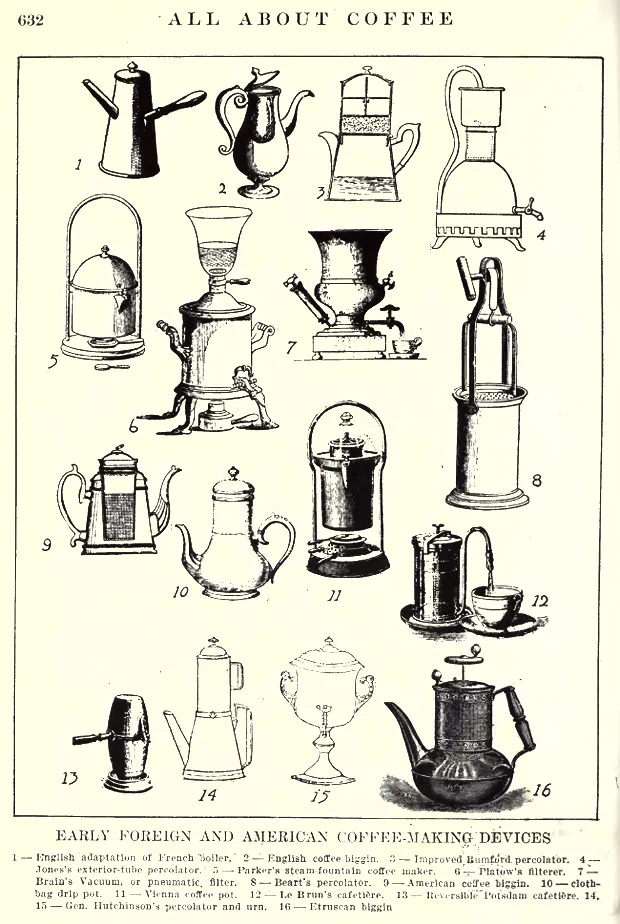
For many, the morning ritual of brewing coffee is a simple, meditative act. However, to the chemist, a cup of coffee is a high-stakes arena of mass transfer, thermodynamics, and fluid dynamics. As we continue our deep dive into the science of coffee, we move beyond the chemical composition of the bean and into the physical environment of the extraction process itself. Whether you favor the iconic Hario V60 or a simple immersion press, you are engaging in a complex, multi-variable system where "perfect" is not just an opinion—it is a pursuit of precise, selective extraction.
Main Facts: The Physics of Percolation
Coffee extraction is fundamentally a process of selective dissolution. When hot water meets roasted coffee, it does not dissolve the bean uniformly. Instead, different chemical compounds possess varying solubilities and extraction rates. If we were to extract every component at the same rate, we would lack the nuanced flavor profiles that make specialty coffee so compelling.
To achieve a "perfect" cup, we aim for selective extraction—a controlled, uneven extraction where desired compounds are prioritized while undesirable, bitter, or astringent compounds are minimized. In the realm of percolation (commonly known as the "pour-over" method), this is achieved by gravity filtration. Unlike a mechanical coffee percolator, which recirculates water through a heating element, the pour-over relies on the steady flow of water through a bed of grounds.
Water, by its nature, is "lazy." It will always follow the path of least resistance. This physical reality leads to the phenomenon of channeling, where water bypasses large sections of the coffee bed, leaving them under-extracted while over-extracting other parts. Mastering the pour-over, therefore, is not merely about the recipe; it is about managing fluid flow, particle size distribution, and heat retention to ensure that the water interacts with the coffee grounds in a meaningful, uniform manner.
A Chronological Perspective on Brewing Innovation
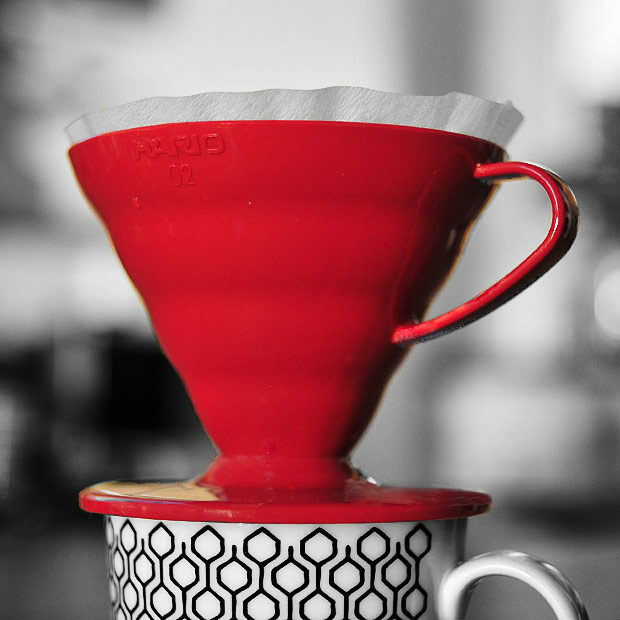
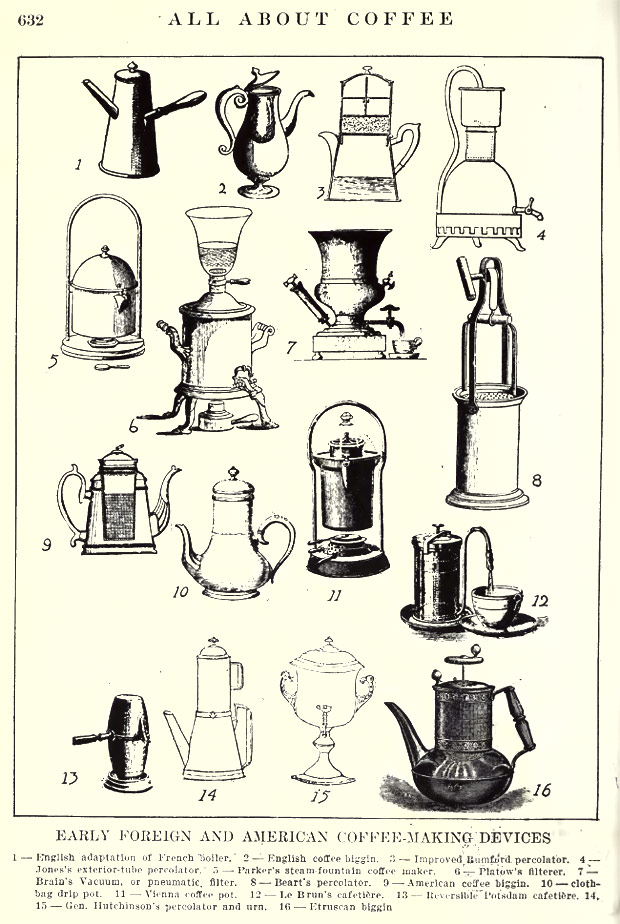
The human obsession with refining the coffee extraction process is not a modern phenomenon. For over two centuries, inventors have sought to "untie the coffee knot."
The Early Days (19th Century)
In the early 1800s, the invention of the percolator marked a shift toward standardized home brewing. While revolutionary for its time, the convection-based mechanism often scorched the coffee, leading to the metallic, bitter notes associated with historical office-grade brews.
The Mid-Century Refinement (1970s)
The 1970s saw a surge in the popularity of drip-style coffee makers. Manufacturers began to experiment with filter geometry, moving away from simple flat-bottomed baskets to cone-shaped designs. This era established the foundational parameters we still discuss today: the importance of brew ratio, grind size, and water temperature.
The Modern Era: Precision and Variables
Today, we exist in an era of "hyper-optimization." From the development of goose-neck kettles that provide precise inflow control to the creation of advanced drippers like the Tricolate or the Gabi Dripmaster, the focus has shifted toward eliminating "bypass"—the water that moves around the coffee bed rather than through it. The modern barista now views the coffee maker not as a simple funnel, but as a laboratory-grade tool where every ridge, hole, and material choice serves a specific function.
Supporting Data: Understanding the Variables
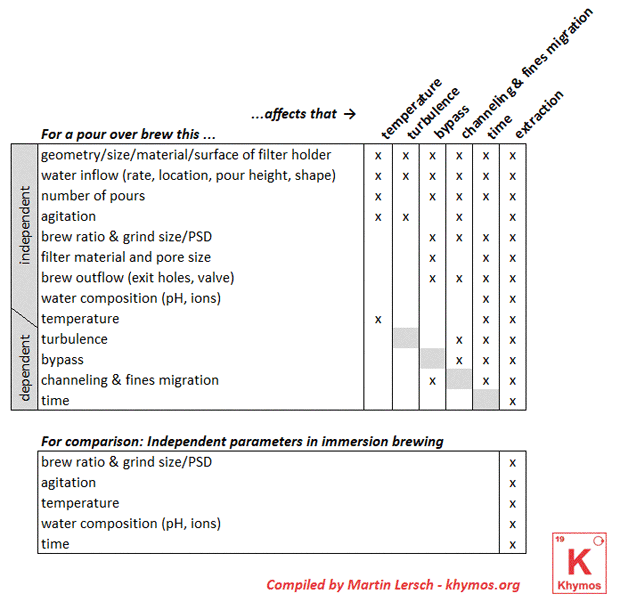
To truly control the extraction, one must categorize the variables into independent and dependent groups. Our analysis reveals that complexity arises from the high degree of correlation between these parameters.
Material and Thermal Insulation
Temperature stability is the bedrock of consistent brewing. Metal, while durable, is a poor choice unless vacuum-insulated (like the Stagg X/XF), as it conducts heat away from the brewing slurry too rapidly. Ceramic and plastic (such as the polypropylene Hario V60) offer better thermal retention, with plastic being particularly favored for its low heat conductivity and high durability.
Geometry and Surface Interaction
The geometry of the filter holder dictates the "flow path."
- Cone-shaped holders (e.g., V60): Create a deep, narrow coffee bed that slows flow, enhancing contact time.
- Flat-bottomed holders (e.g., Kalita Wave): Utilize a wider, shallower bed. While this allows for faster flow, it introduces a higher risk of channeling.
- The "Wall" Effect: The inside surface of the dripper is critical. A smooth surface, such as in a Chemex, causes the wet filter paper to stick to the sides, effectively sealing the flow and forcing water through the center of the bed—a brilliant, albeit unintentional, way to minimize bypass.
The Bypass Problem
"Bypass" occurs when water avoids the coffee grounds entirely, diluting the finished brew. Our data suggests that the most effective way to eliminate bypass is to utilize a cylindrical filter holder where the entire filter bed is submerged or constrained below the water column. Devices like the Aeropress, the Tricolate, and even the laboratory-grade Büchner funnel demonstrate that by restricting the flow path, we achieve a more consistent and predictable extraction yield.
Implications: The Quest for Repeatability
The inherent complexity of pour-over brewing creates a significant downside: unintended, random variation. When a recipe fails to account for variables like flow rate, filter porosity, and bypass, two people using the same beans will produce vastly different results. This inconsistency is the primary driver of coffee "myths" and the proliferation of conflicting online advice.
For the home brewer, this implies that "perfect" coffee is less about following a rigid, secret recipe and more about understanding the mechanics of your specific equipment. If your coffee is consistently sour, the extraction is likely too low (too little contact or too coarse a grind). If it is bitter, you are likely over-extracting.
The Case for Immersion Brewing
Given the volatility of the pour-over, immersion brewing (e.g., French Press, Aeropress) stands out as a beacon of robustness. By steeping grounds in water for a fixed time, we rely on time—rather than flow dynamics—to reach equilibrium. While immersion methods can sometimes result in a "muted" flavor profile due to the lack of a refined paper filter, they offer a level of repeatability that is difficult to match with manual percolation.
Expert Analysis: Is There a "Ultimate" Method?
In the world of coffee, the search for the "ultimate" cup often leads back to chemistry. While the elaborate, Rube Goldberg-esque coffee makers featured in pop culture (such as Gale Boetticher’s setup in Breaking Bad) are often treated as fictional curiosities, they actually represent a genuine desire to treat coffee extraction as a controlled scientific experiment.
The industry is currently moving toward a hybrid model. We are seeing the rise of brewers that combine the control of an immersion phase (using a shut-off valve) with a final percolation draw-down. This allows the barista to exploit the best of both worlds: the high extraction yield and flavor clarity of percolation combined with the robustness and precision of immersion.
Conclusion: The Path Forward
Ultimately, the complexity of brewing is a feature, not a bug. It provides the creative space for baristas to manipulate flavor, body, and acidity to their liking. However, for those seeking the "best cup of coffee," the goal should be to simplify the variables.
Whether you are a home enthusiast or a professional, the path to improvement lies in observation. Watch how your water flows. Note the difference in the filter bed after the draw-down is complete—is it flat, or does it have deep craters indicative of channeling? By controlling the variables—grind size, temperature, and, most importantly, the flow path—you move from being a passive brewer to an active participant in the chemistry of your morning cup.
As we continue this series, we will explore new innovations in hardware that aim to minimize the "randomness" of the process. For now, remember that every cup is an experiment. Treat it with the rigor it deserves, and the results will speak for themselves.

 Pevita Pearce
 Layla Zulfa
