

 Azzam Bilal Chamdy
 Neng Nana
 Nana Muazin
 Dwi Wanna
 Raul Delapena Setiawan
 Ali Ikhwan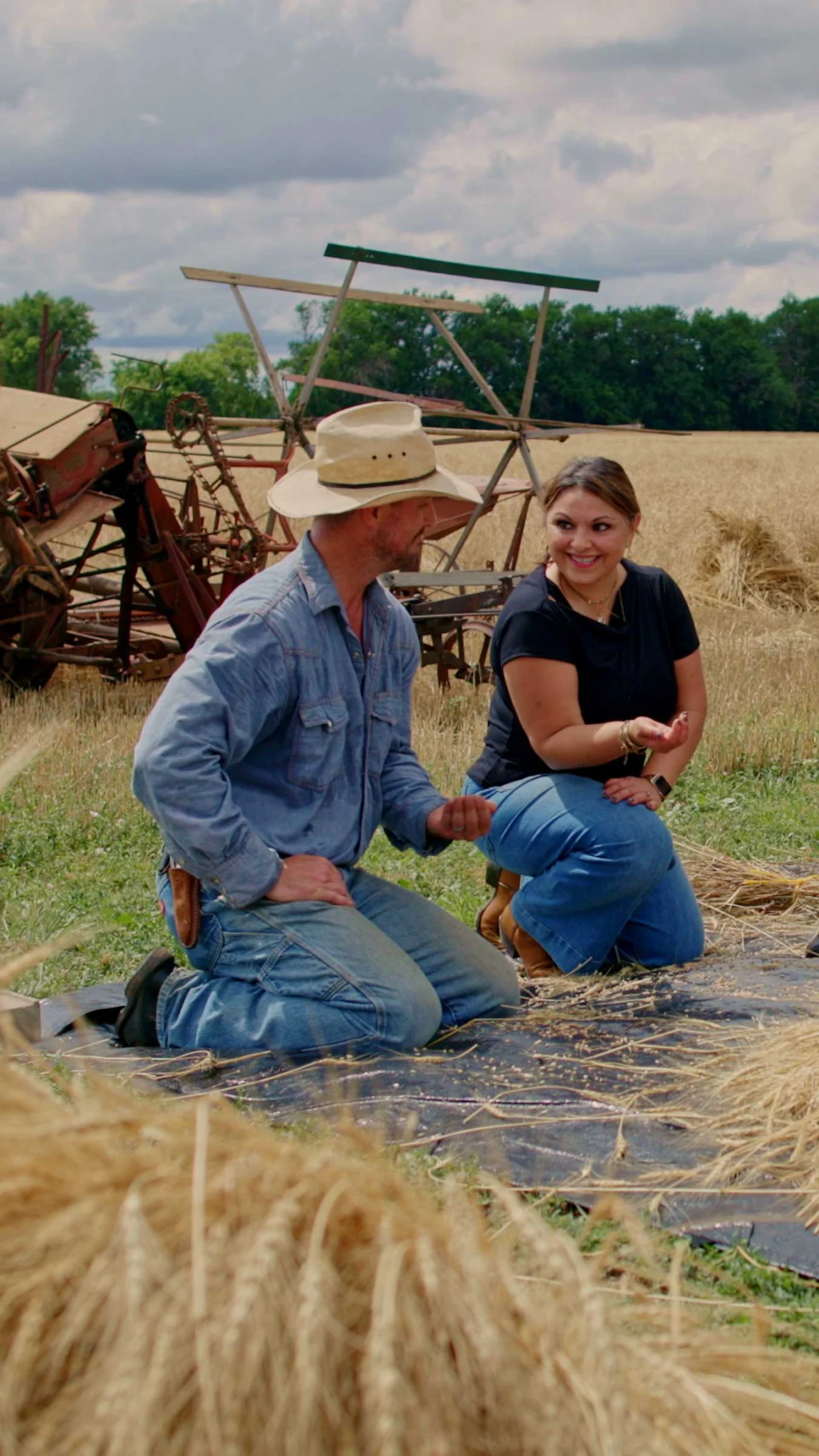
Introduction: Beyond the Bumper Sticker
For most Americans, the phrase "No Farms, No Food®" is a ubiquitous slogan seen on rural bumpers and regional farmer’s market stalls. But for television host, author, and food advocate Capri Cafaro, those four words represent a foundational truth of the American economy and national stability. Having spent years embedded with dairy producers, grain growers, and agricultural cooperatives, Cafaro has witnessed the intersection of policy and soil health firsthand.
In an era defined by rapid urbanization, climate volatility, and supply chain fragility, the preservation of agricultural land has transcended the status of a niche environmental concern. It has become a critical pillar of national sustainability. As the American Farmland Trust (AFT) continues its decades-long mission to protect the nation’s working lands, voices like Cafaro’s are helping bridge the gap between the urban consumer and the rural producer, highlighting a simple reality: the future of our food system depends on the viability of the land beneath our feet.
The Evolution of the American Landscape: A Chronology of Loss
To understand the urgency of the AFT’s current mission, one must look at the historical trajectory of American land use.
The Mid-Century Expansion (1950–1980)
Following World War II, the United States saw an unprecedented boom in suburban development. As interstate highways carved through the countryside, high-quality agricultural land—often the flattest and most fertile near growing metropolitan hubs—was rapidly converted into housing developments and commercial shopping centers. By the 1970s, the loss of farmland had reached a level that caught the attention of policymakers and agriculturalists alike.
The Founding of the AFT (1980)
Recognizing that the loss of soil was an irreversible threat to the national food supply, a group of visionaries founded the American Farmland Trust in 1980. Their premise was revolutionary: they argued that protecting the land was not enough; one had to also support the economic viability of the farmer. This "land-plus-farmer" approach remains the bedrock of their organizational philosophy today.
The Modern Era of Fragility (2000–Present)
In the 21st century, the pressures on farmland have intensified. The rise of "mega-developments," industrial sprawl, and the aging of the American farming population have created a "perfect storm." According to data from the USDA and AFT, the nation is losing an average of 2,000 acres of farmland per day. This loss is not merely an aesthetic concern; it is the destruction of the natural infrastructure required to feed a growing population.
Supporting Data: The Scale of the Crisis
The statistics provided by the American Farmland Trust serve as a sobering reminder of what is at stake. The organization’s research indicates that the United States has reached a critical juncture regarding land security.
- The Pace of Conversion: Between 2001 and 2016, approximately 11 million acres of agricultural land were converted to non-agricultural uses. A significant portion of this land was categorized as "nationally significant"—the most productive, versatile, and resilient soil in the country.
- The Demographic Cliff: The average age of the American farmer is now over 58 years old. Within the next two decades, we expect to see the largest transfer of land in U.S. history. If this land is not protected by easements or transitioned to the next generation of farmers, it is highly likely to be sold to developers.
- The Gender Gap and Opportunity: Women now farm or co-farm more than 40 percent of U.S. farmland. This demographic shift is pivotal to the future of agriculture, yet women farmers often face greater barriers to accessing capital, land, and technical support. AFT’s initiatives specifically target these gaps to ensure that the diversity of the American farming community is reflected in its leadership.
The Human Element: Capri Cafaro’s Advocacy
Capri Cafaro’s advocacy is rooted in her role as a storyteller. By exploring regional food cultures, she has seen how local food systems act as the lifeblood of American communities. "Anyone who eats should recognize that farmland preservation and supporting the next generation of farmers is critical to our sustainability as a nation," Cafaro notes.
Cafaro’s perspective is informed by the realization that food systems are not just about supply chains; they are about people. Her work aims to amplify the voices of the women who are increasingly driving the agricultural economy. By aligning herself with the AFT, Cafaro is not just endorsing a policy; she is advocating for a shift in public consciousness. She argues that the disconnect between the supermarket shelf and the farmer’s field is a dangerous gap that must be closed to ensure the longevity of our food supply.
Official Responses and Strategic Pillars
The American Farmland Trust functions as a bridge between the fields and the halls of power. Their approach rests on three strategic pillars:
1. Protecting Agricultural Land
AFT utilizes conservation easements and state-level policy advocacy to ensure that land remains in agricultural production. By providing financial and legal frameworks, they prevent the permanent conversion of farmland into residential or commercial real estate.
2. Promoting Environmentally Sound Practices
The organization recognizes that protecting land is futile if the land is degraded. Through technical assistance and research, AFT helps farmers adopt regenerative practices—such as cover cropping, no-till farming, and managed grazing—that improve soil health, sequester carbon, and increase water retention.
3. Keeping Farmers on the Land
This is perhaps the most difficult aspect of their mission. AFT works to remove barriers to entry for beginning farmers, provides business planning resources, and assists in farm succession planning. By ensuring that the economic model of the family farm remains viable, they prevent the "forced sale" scenarios that often lead to land fragmentation.
Implications for the Future: A National Imperative
The implications of ignoring the current trajectory of American farmland are profound. Should the current rate of conversion continue, the United States risks losing its self-sufficiency in key agricultural sectors.
Economic Implications
Agriculture is a massive component of the U.S. GDP. When prime farmland is converted to asphalt, the local economic multiplier effect—where money spent at a farm stays within the local community—is lost forever. Furthermore, the cost of food increases as supply chains become more reliant on long-distance, international shipping rather than regional production.
Environmental Implications
Farmland is not just a food factory; it is an environmental asset. Managed farmland provides vital ecosystem services, including flood mitigation, wildlife habitat, and carbon sequestration. A shift away from agriculture toward urban sprawl increases the environmental footprint of our communities while simultaneously reducing our capacity to mitigate climate change.
National Security Implications
A nation that cannot feed itself is inherently vulnerable. Recent global supply chain disruptions have highlighted how quickly food availability can be compromised. By keeping farmland in the hands of farmers, the U.S. ensures that its food supply remains resilient, localized, and under domestic control.
Conclusion: A Call to Action
The mission of the American Farmland Trust is not merely about preserving the past; it is about securing the future. As Capri Cafaro aptly demonstrates, the stewardship of the land is a responsibility shared by all, not just those who work the soil.
For the average citizen, the path forward is clear: support organizations that prioritize the protection of working lands, choose products from local producers, and demand policies that incentivize conservation over conversion. The "No Farms, No Food®" mantra is a reminder that every meal we consume is a vote for the type of landscape we want to inhabit.
By joining the American Farmland Trust, individuals become part of a larger, systemic solution—ensuring that the next generation of farmers has the land, the tools, and the support to continue the essential work of feeding the nation.
Join the movement to protect our heritage and our future.
For more information on how you can contribute to the preservation of America’s agricultural backbone, visit farmland.org/edible.
About American Farmland Trust
The American Farmland Trust is the only national organization that takes a holistic approach to agriculture, recognizing the inextricable link between the land, the practices used to farm it, and the farmers themselves. By fostering a culture of stewardship and providing the necessary resources for land preservation, AFT has successfully protected millions of acres and empowered tens of thousands of farmers to transition toward more sustainable and profitable practices. Whether through public policy advocacy or direct on-the-ground support, AFT remains the premier advocate for the American agricultural landscape.


 Iffa Jayyana
