

 Azzam Bilal Chamdy
 Neng Nana
 Nana Muazin
 Dwi Wanna
 Raul Delapena Setiawan
 Basiran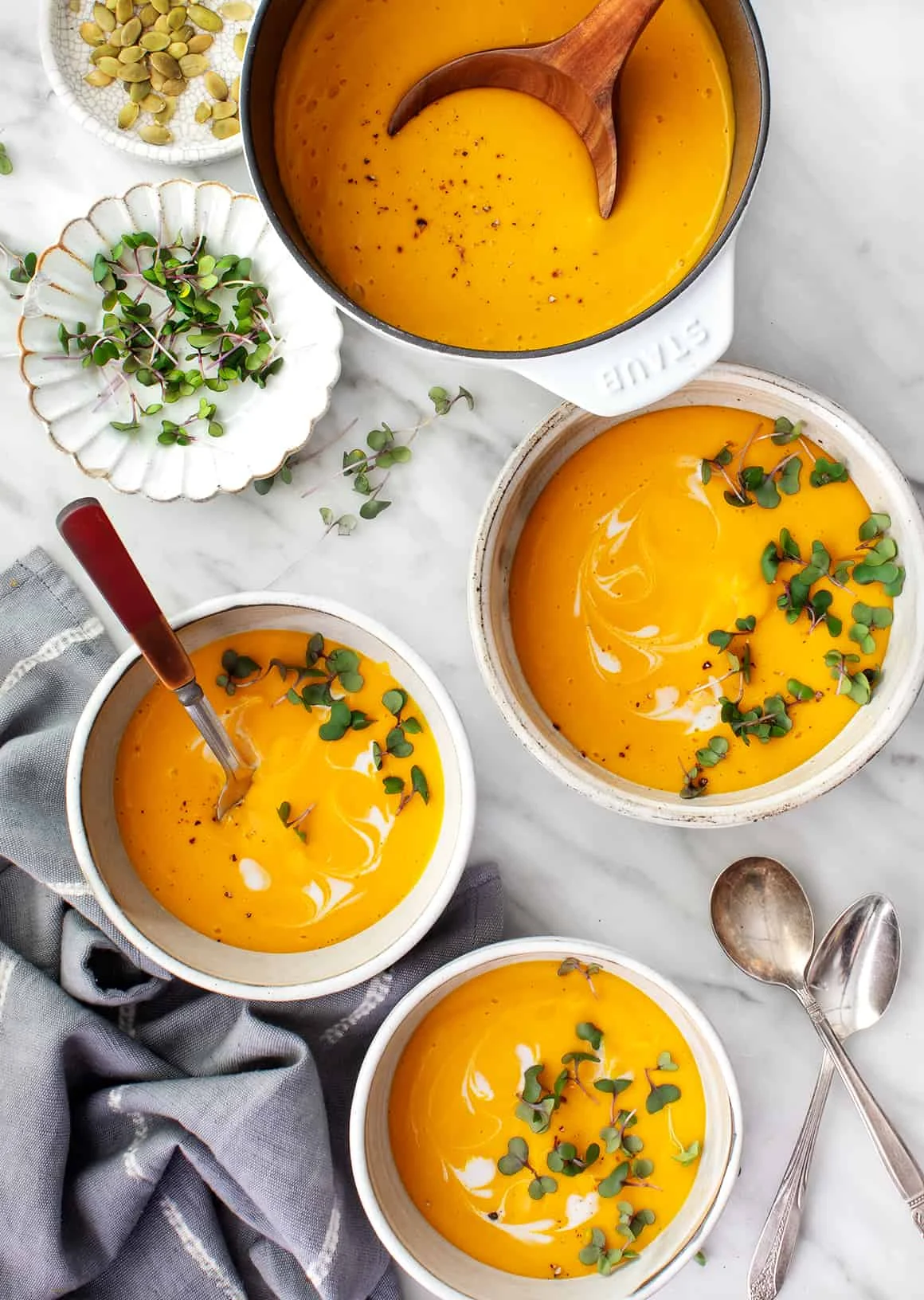
As the crisp autumn air replaces the humidity of summer, the culinary world undergoes a distinct shift. The focus moves from light, fresh salads to hearth-centered, warming meals that provide both sustenance and emotional comfort. At the center of this seasonal transition stands a dish that has become synonymous with the fall harvest: creamy, spiced pumpkin soup.
While pumpkin soup is a staple in many cultures, the modern interpretation—characterized by a silky texture, aromatic curry spices, and the richness of coconut milk—has elevated it from a simple rustic puree to a sophisticated weeknight masterpiece. Whether crafted from the caramelized flesh of a freshly roasted squash or whisked together from a convenient pantry staple, this dish represents the perfect marriage of health-conscious eating and indulgence.

The Core Elements: A Masterclass in Seasonal Ingredients
The appeal of this specific recipe lies in its versatility and its reliance on high-quality, autumnal produce. The primary challenge for any home cook is selecting the correct variety of squash. While the cultural association often jumps to the large, fibrous carving pumpkins found on front porches, experts warn that these are ill-suited for the kitchen.
Selecting the Right Squash
The ideal pumpkin soup requires a cultivar with dense, sweet, and low-moisture flesh. Culinary professionals and home chefs alike recommend varieties such as:

- Kabocha Squash: Known for its chestnut-like sweetness and incredibly smooth, velvety texture when blended.
- Red Kuri Squash: Offers a subtle, nutty flavor that pairs exceptionally well with warming spices.
- Buttercup and Butternut Squash: Reliable workhorses that provide a consistent, creamy base and a natural, sugary profile that balances the heat of the curry spices.
By avoiding the stringy texture of field-grown carving pumpkins, one ensures the finished product achieves that signature, restaurant-quality consistency.
The Power of the Pantry
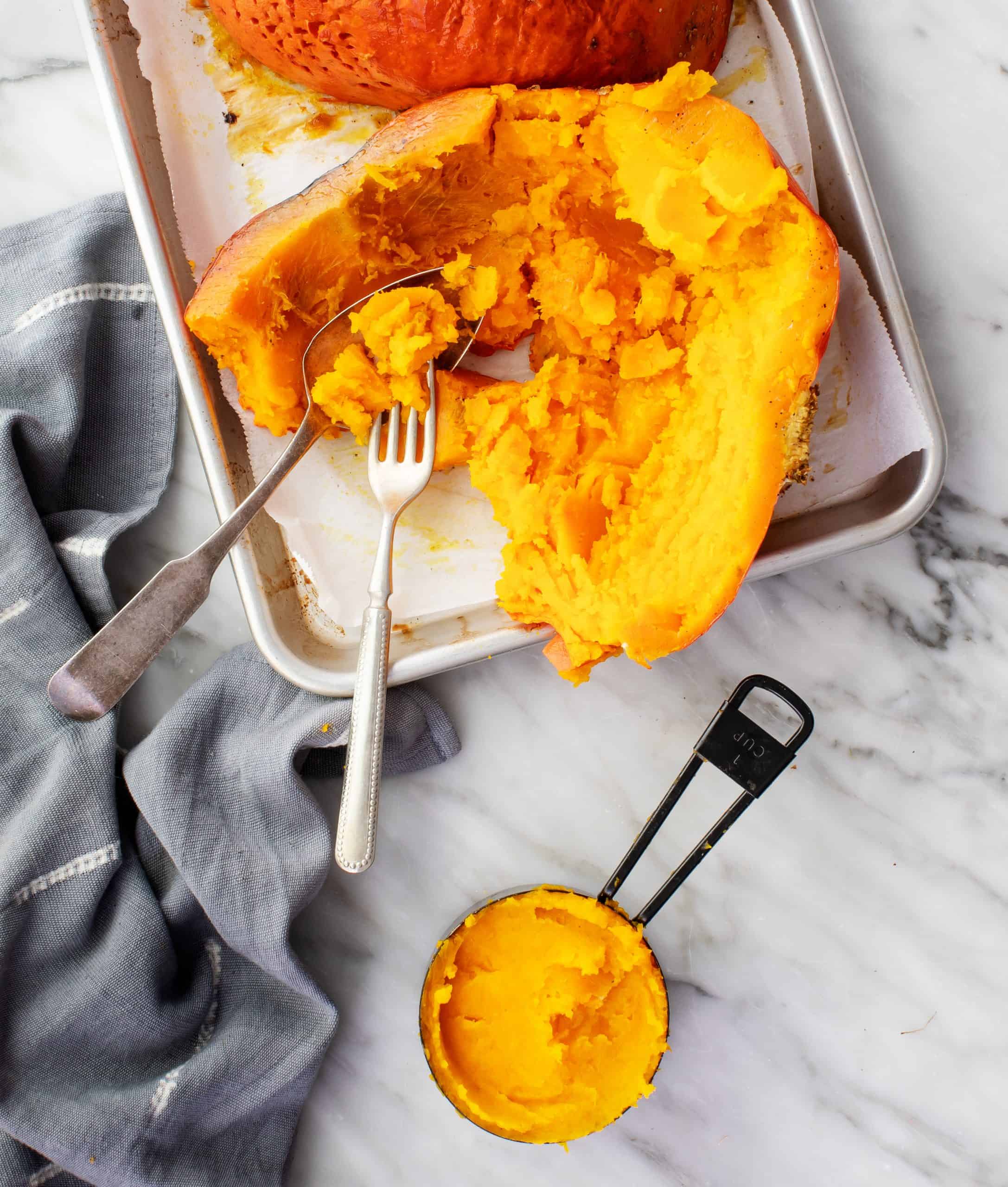
For those navigating the time constraints of a modern work week, the inclusion of canned pumpkin puree is not merely a compromise—it is a strategic culinary choice. Canned puree provides a concentrated flavor profile that allows for a rapid assembly of the dish, turning a project that would otherwise take hours of roasting and preparation into a 30-minute endeavor. When combined with aromatics like ginger, garlic, and high-quality curry powder, the difference between fresh and canned becomes remarkably negligible.

A Chronology of Preparation: From Raw Squash to Velvety Soup
The beauty of this recipe is its modular nature, accommodating both the patient cook who enjoys the slow ritual of roasting and the busy professional looking for a quick, nutritious meal.
The Roasting Ritual (For the Enthusiast)
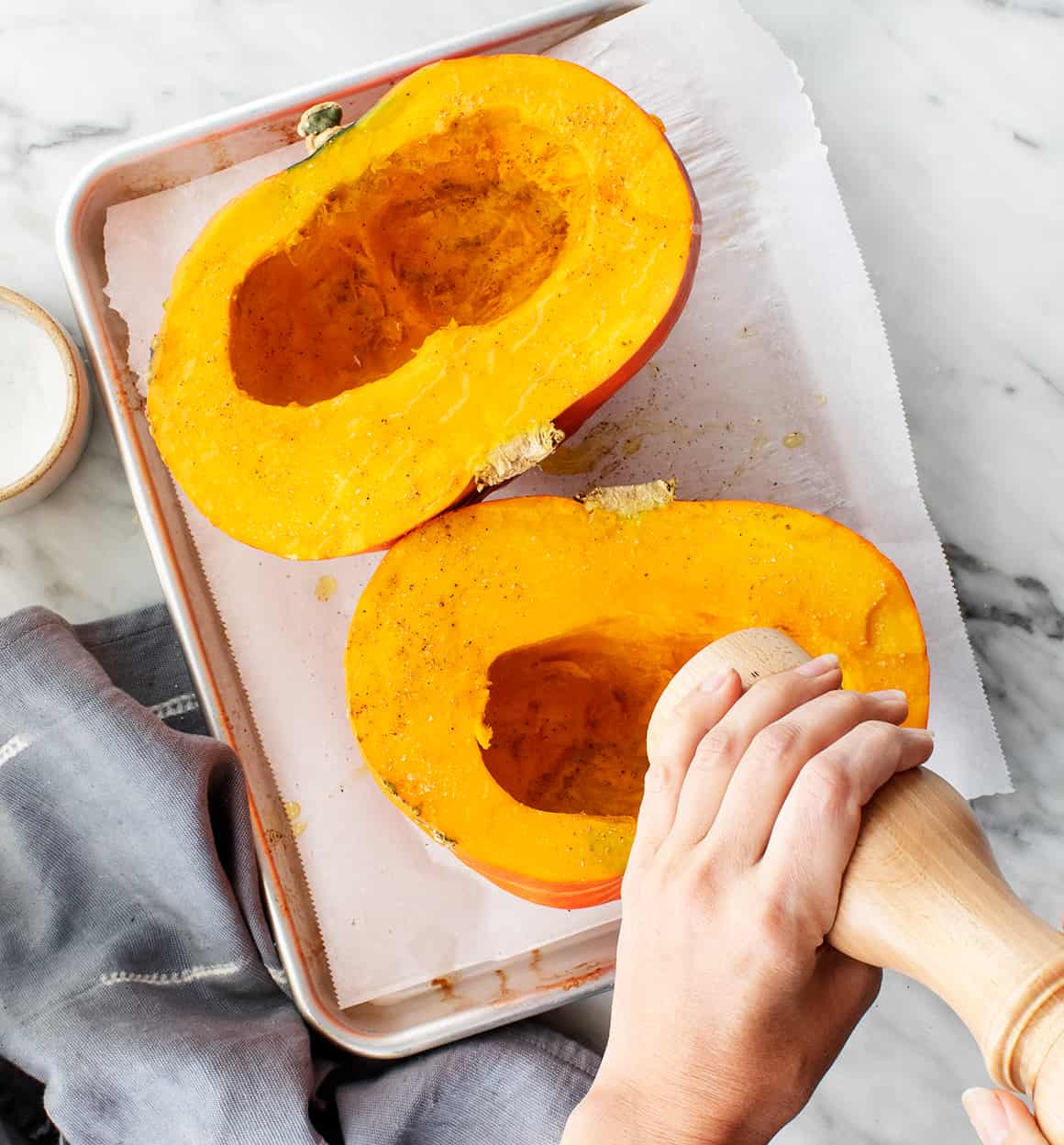
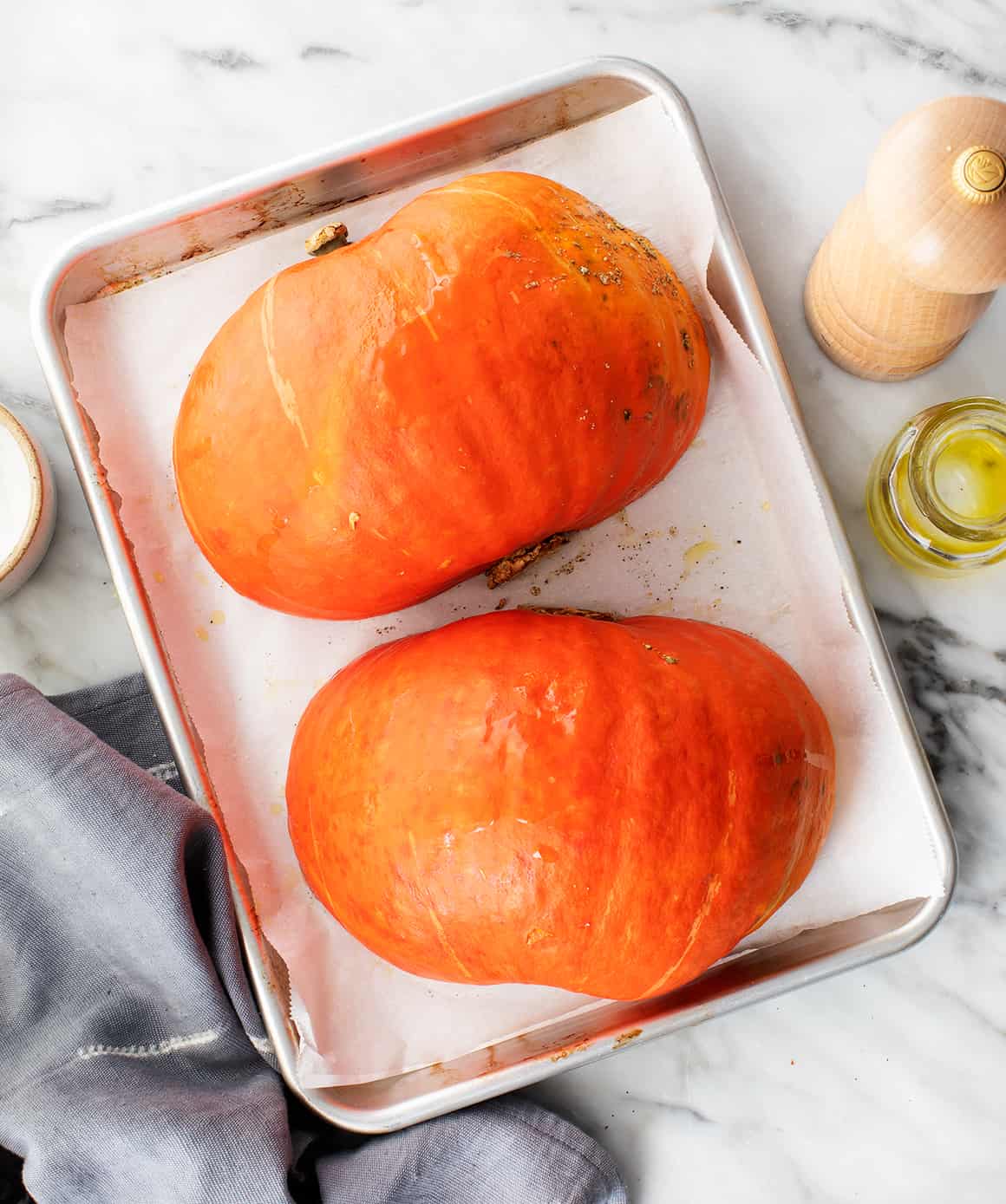
For those with time, the roasting process is the most vital step. The procedure begins by splitting the chosen squash vertically, removing the seeds and fibrous pulp. Once the interior is clean, the cut surfaces are brushed with high-quality olive oil and seasoned with salt and pepper. Placing the squash cut-side down on a parchment-lined sheet creates a steaming effect within the shell, concentrating the natural sugars as the heat hits 400°F (200°C). Depending on the size of the squash, this process takes between 40 and 60 minutes.
The Simmer and Sauté (The Common Path)
Regardless of whether you roast your own squash or opt for the canned alternative, the second phase of preparation is where the flavor profile is built. In a heavy-bottomed Dutch oven, the base of the soup is formed by sautéing onions until translucent. The addition of aromatics—fresh ginger, garlic, and a curated blend of curry spices—is crucial. These must be stirred until the "blooming" of the spices occurs, a chemical reaction that releases essential oils and creates a deep, fragrant foundation.
The liquid components—vegetable broth and rich coconut milk—are then introduced. The coconut milk acts as the primary fat source, providing a luxurious mouthfeel that makes the dish satisfying without the need for heavy cream or butter.
The Final Emulsion
The final step is the transformation of texture. Using either a high-powered blender or an immersion blender, the mixture is emulsified until perfectly smooth. This is the moment to adjust the viscosity; if the soup is too thick, adding water in small increments allows the cook to achieve a precise, silky consistency. A final splash of vinegar is added at the end, providing a necessary acidity to cut through the richness of the coconut milk and the sweetness of the squash.
Supporting Data: Nutritional Density and Dietary Impact
Beyond its sensory appeal, this pumpkin soup is a nutritional powerhouse. Analyzing the standard serving size, it is clear why this dish is favored by health-conscious families.

Nutritional Breakdown
- Vitamin A: With a massive concentration of 22,273 IU per serving, this soup provides over 400% of the recommended daily intake. This is largely due to the beta-carotene content in the squash.
- Fiber and Digestion: Providing 6 grams of fiber per serving (25% of the daily value), it serves as a gut-healthy option that promotes sustained satiety.
- Fat Profile: While it contains 21g of fat, the majority is derived from plant-based saturated fats found in coconut milk, which are processed differently by the body compared to animal-derived fats.
- Low-Glycemic Considerations: At 19g of carbohydrates, it is a moderate option for those managing blood sugar levels, especially when compared to denser, grain-based comfort foods.
The inclusion of curry spices—specifically turmeric, which is often a key component of curry powder—adds anti-inflammatory benefits, making the soup as restorative as it is delicious.
Culinary Implications: Pairing and Preservation
A well-executed pumpkin soup is more than a starter; it is a canvas for textures and flavors.
The Art of the Garnish
The aesthetic presentation of the soup is equally important to the dining experience. Garnishes should provide contrast. Toasted pumpkin seeds offer a necessary crunch against the smooth liquid, while a swirl of coconut milk creates a visual focal point. Microgreens or freshly chopped cilantro add a pop of herbaceous brightness that prevents the palate from becoming fatigued by the rich, earthy flavors.
Serving Suggestions
For a complete, balanced meal, this soup pairs exceptionally well with:

- Carbohydrate pairings: Crusty sourdough bread, focaccia, or a grilled cheese sandwich featuring aged cheddar or gruyère.
- Salad pairings: A crisp kale salad with toasted walnuts or a shaved apple and fennel slaw provides a fresh, acidic contrast to the warm, heavy soup.
Storage and Longevity
In an era where meal prepping is essential, this recipe excels. The soup remains stable in an airtight container in the refrigerator for up to four days. As it cools, the starches in the squash will cause the soup to thicken; this is normal. When reheating, a small amount of water or vegetable stock should be whisked in to restore the desired consistency.
Furthermore, the soup is highly freezer-friendly. By freezing it in portioned containers, home cooks can have a "break-glass-in-case-of-emergency" meal ready for up to three months. Simply thawing it in the refrigerator overnight and reheating on the stovetop ensures that the texture remains intact, proving that convenience does not have to come at the cost of quality.

Conclusion: A Seasonal Staple
As temperatures drop and the days grow shorter, the human desire for warming, nutrient-dense food becomes paramount. This curried pumpkin soup stands as a testament to the idea that simple, wholesome ingredients—when treated with proper technique—can result in a meal that is both profoundly comforting and nutritionally robust.
Whether one chooses to spend an hour roasting a beautiful kabocha squash or five minutes opening a tin of organic puree, the result is a dish that anchors the home kitchen during the fall months. It is, by all accounts, the quintessential autumn experience in a bowl.



 Jia Lissa
