

 Lina Hope
 Iffa Jayyana
 Lina Irawan
 Ammar Sabilarrohman
 Ali Ikhwan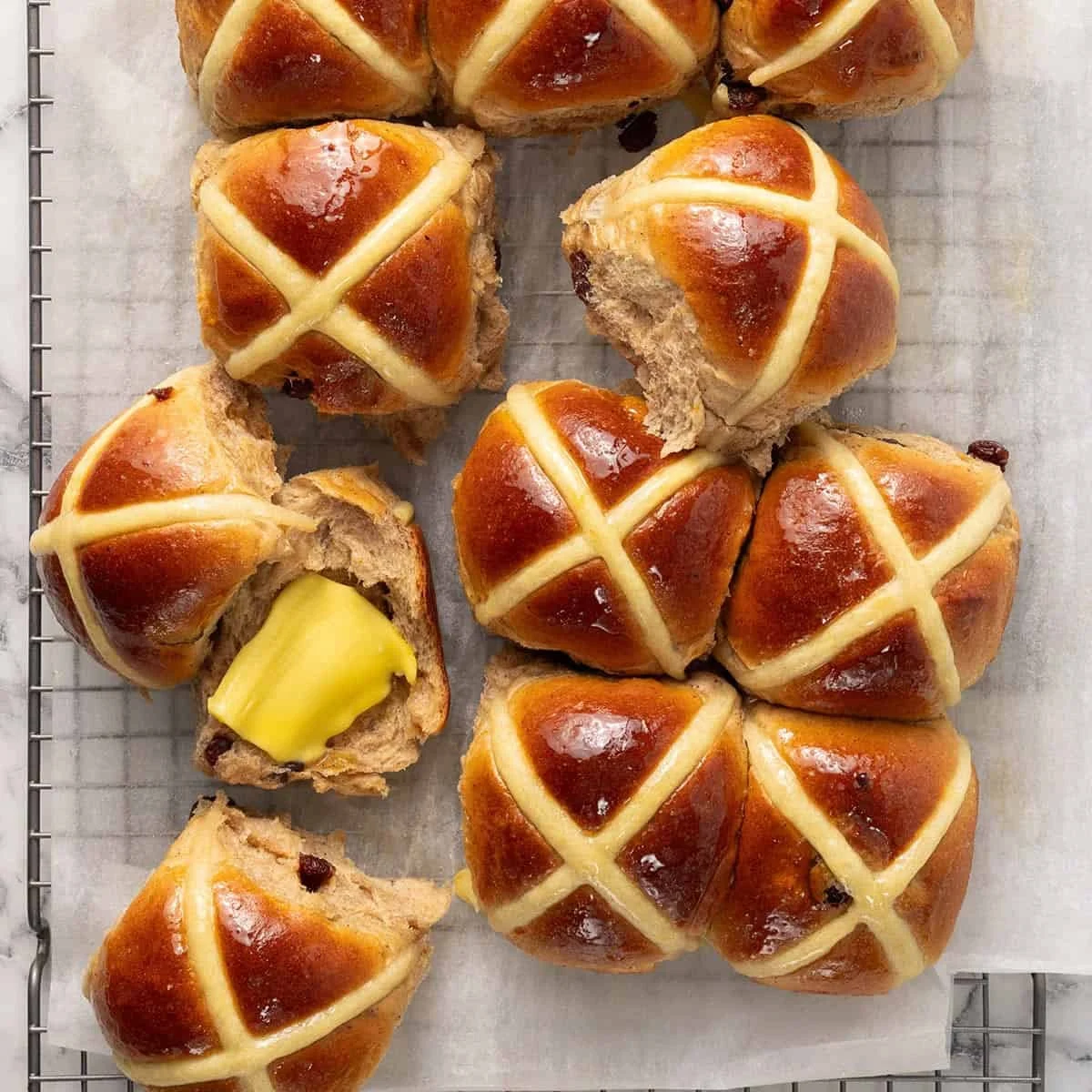
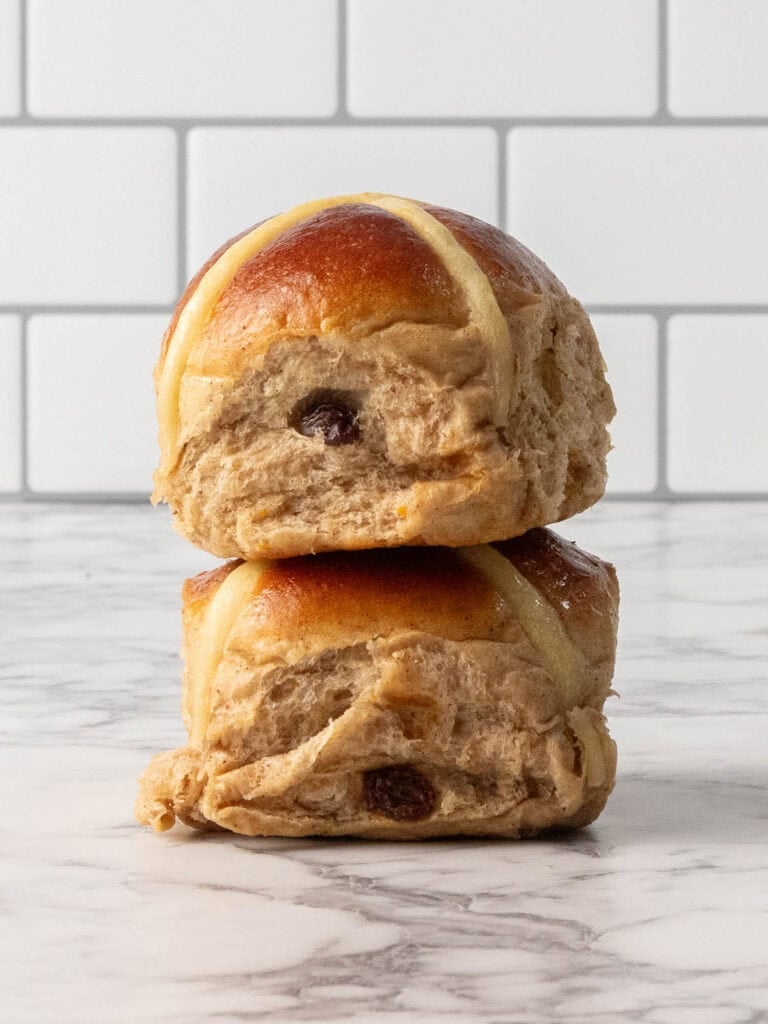
For many, the Easter season is defined by the distinct, aromatic scent of warm spices and toasted fruit drifting from local bakeries. The hot cross bun—a spiced, yeast-leavened sweet bun marked with a cross—has transcended its traditional religious roots to become a seasonal staple of global baking. However, achieving that elusive "bakery-level" softness at home often feels like a culinary mystery.

Renowned baker and content creator Nick Makrides, the mind behind The Scran Line, has demystified this process. By leveraging the Japanese Tangzhong method, home bakers can now replicate the professional-grade texture that keeps these buns pillowy, moist, and soft for days. This guide explores the science behind the perfect bun, the "laws" of consumption, and the technical mastery required to elevate your holiday baking.

The "Hot Cross Bun Law" and the Pursuit of Perfection
Before diving into the mechanics of the dough, one must respect the cultural mandates of the hot cross bun. According to Makrides, there is a rigid, almost sacred, protocol for enjoying these treats.
"You must tear your soft hot cross bun in half with your fingers—never a knife," Makrides asserts. "It must be served warm, with a minimum of a half-centimeter thick slice of salted butter, and then sandwiched together before consumption. To deviate from this is to invite culinary shame."
This insistence on warmth and texture underscores the importance of the dough’s internal structure. A bun that dries out or becomes dense loses the ability to properly hold that melting butter, which is essential to the flavor profile. The goal is a bread that is neither overly sweet nor overly dense, allowing the sultanas to provide localized bursts of sweetness while the dough remains a light, airy canvas for the spices.
Chronology of the Craft: The Tangzhong Method
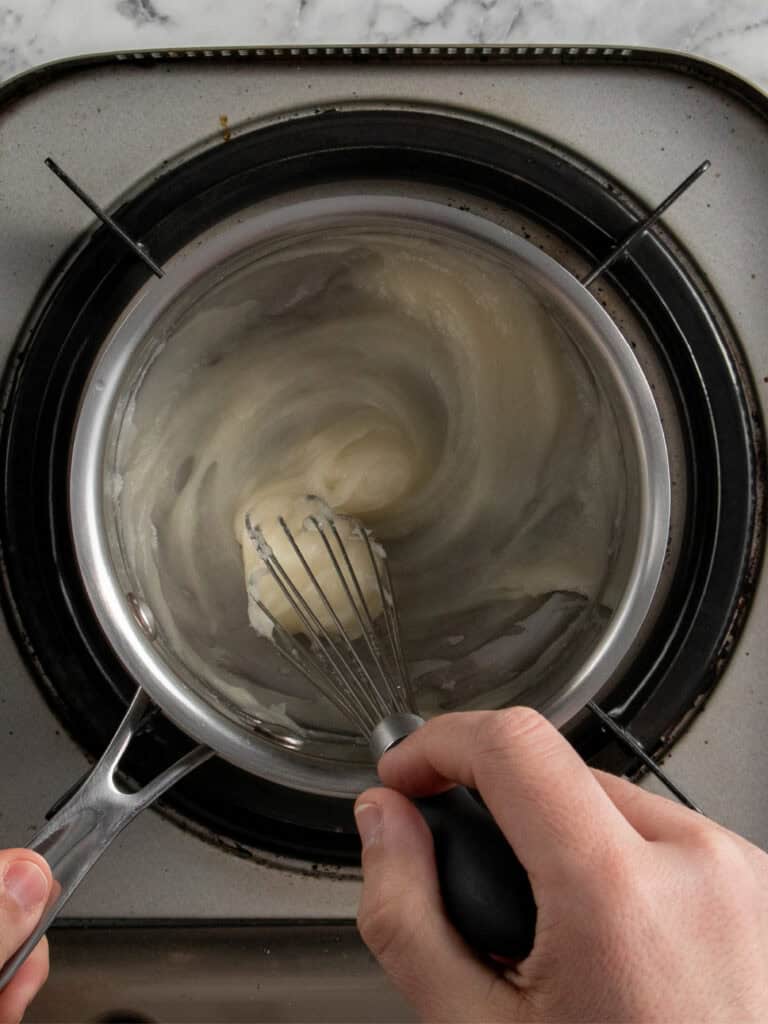
The primary secret to achieving professional results at home is the implementation of the Tangzhong method. Originating from Japan, this technique involves cooking a small portion of the recipe’s flour and water (or milk) into a thick paste or "roux" before incorporating it into the main dough.
1. Gelatinization: The Science of Moisture
When flour and liquid are heated together, the starch granules in the flour gelatinize. This process allows the mixture to absorb significantly more water than it would at room temperature. When this pre-gelatinized mixture is added to the bread dough, it holds onto moisture during the baking process and long after the buns have cooled. This is why Tangzhong-based breads stay soft for days, whereas traditional brioche or enriched doughs might stale or firm up within 24 hours.
2. The Cooling Phase
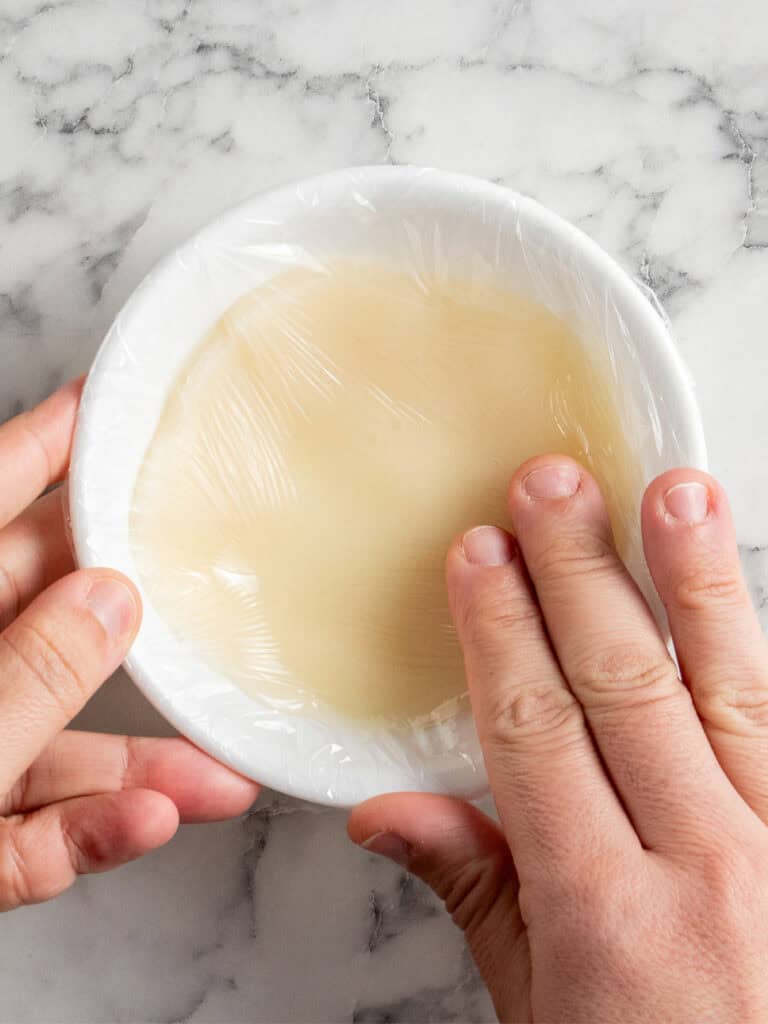
Precision is vital. The Tangzhong must be prepared and then cooled to room temperature. Introducing a warm paste into the yeast-based dough can prematurely activate the yeast or melt the fats, leading to a compromised structure. Patience in this stage is the difference between a light, fluffy bun and a flat, dense one.
3. The Slow Fermentation
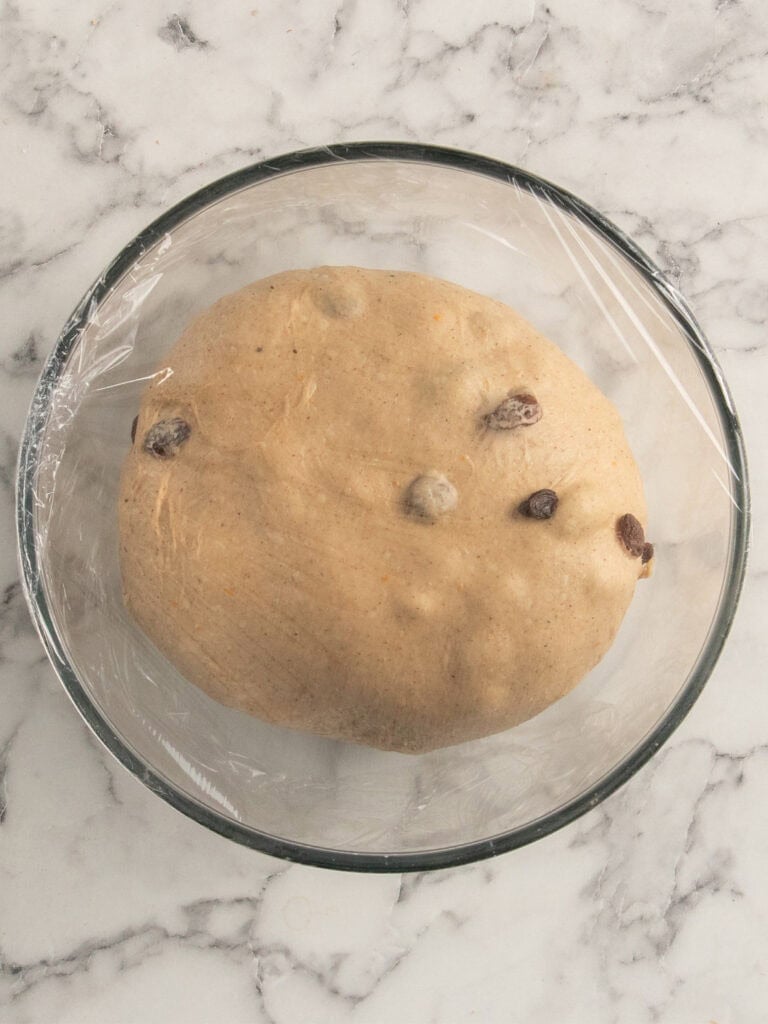
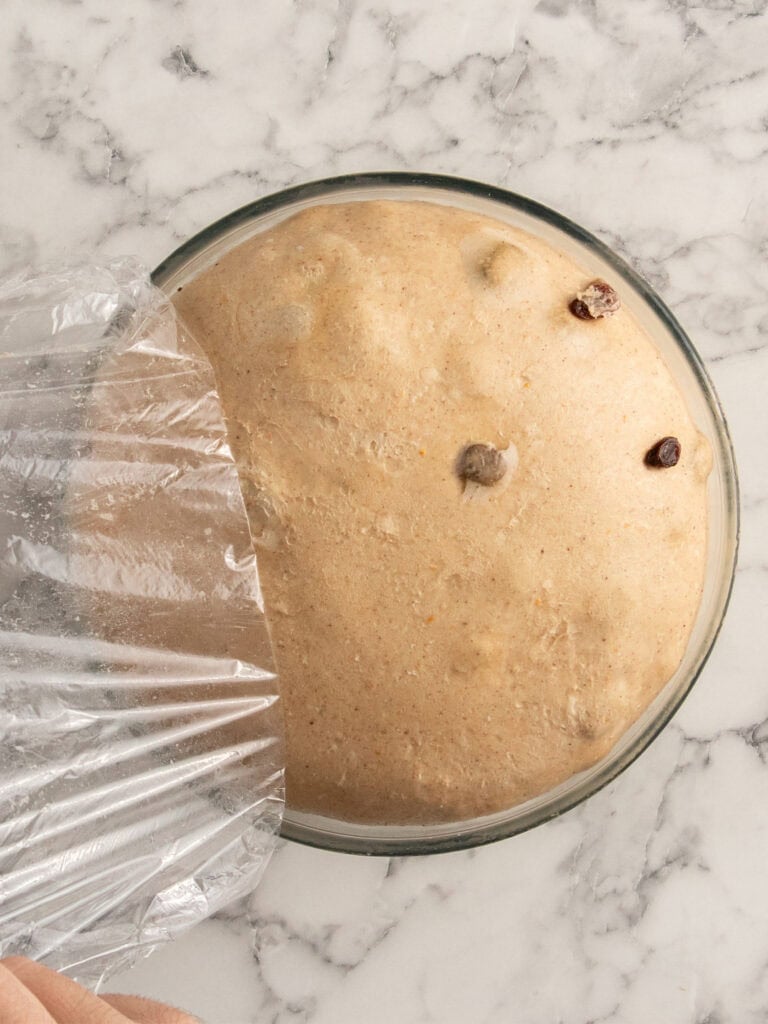
While these buns can be made in a single day, the superior approach involves an overnight chill in the refrigerator. After the initial rise, the dough is placed in the fridge for at least four hours—or preferably overnight. This "cold fermentation" serves two purposes: it makes the dough easier to shape and, crucially, it allows the enzymes in the flour and yeast to develop a deeper, more complex bread flavor that rapid rising simply cannot replicate.
Supporting Data: Texture vs. Time
One of the most common pitfalls for home bakers is an over-reliance on "mixing times" listed in recipes. Makrides notes that mixing times are inherently subjective and dependent on the equipment being used.
The Role of Mixer Friction
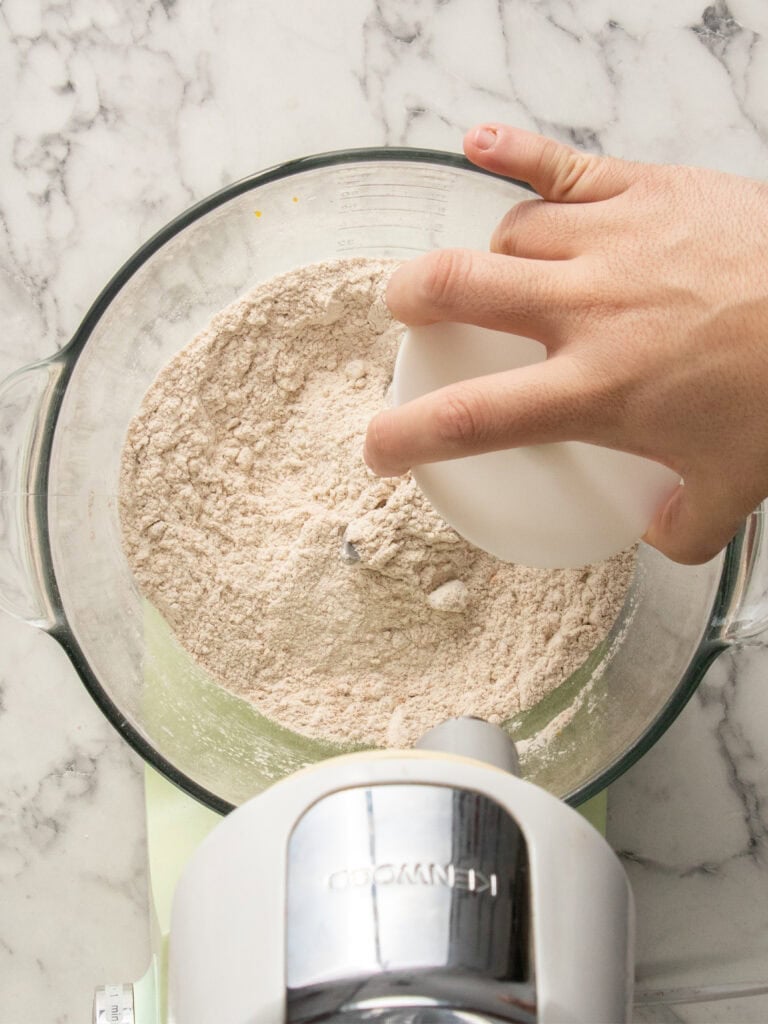
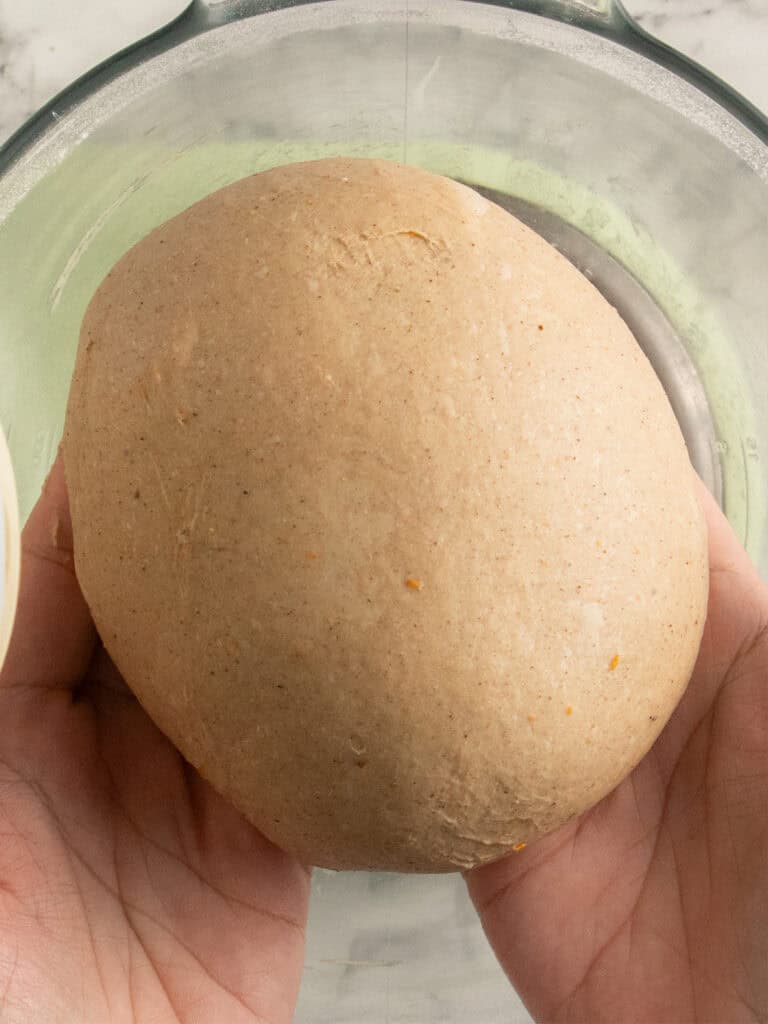
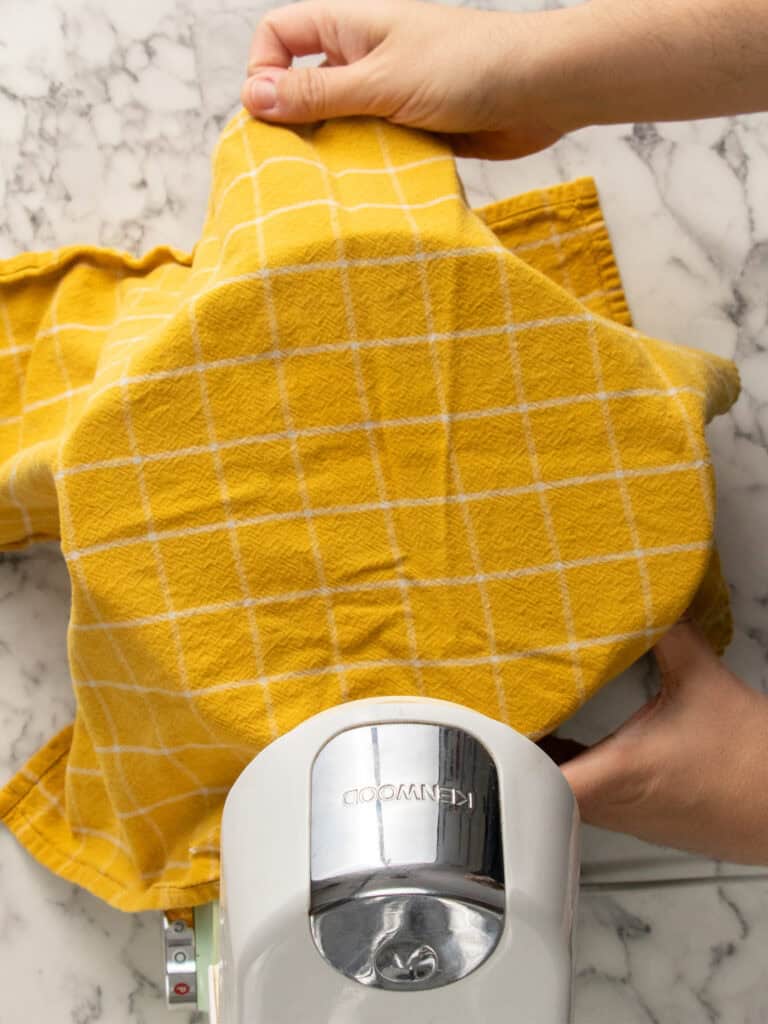
A spiral mixer, like the Ooni Halo Pro, develops gluten with significantly more efficiency and friction than a standard planetary mixer with a dough hook, such as a Kenwood or KitchenAid. Because the spiral mixer works the dough more aggressively, the time required to reach the "windowpane test" stage will be much shorter.
The Windowpane Test
Instead of following a clock, bakers should rely on tactile feedback:

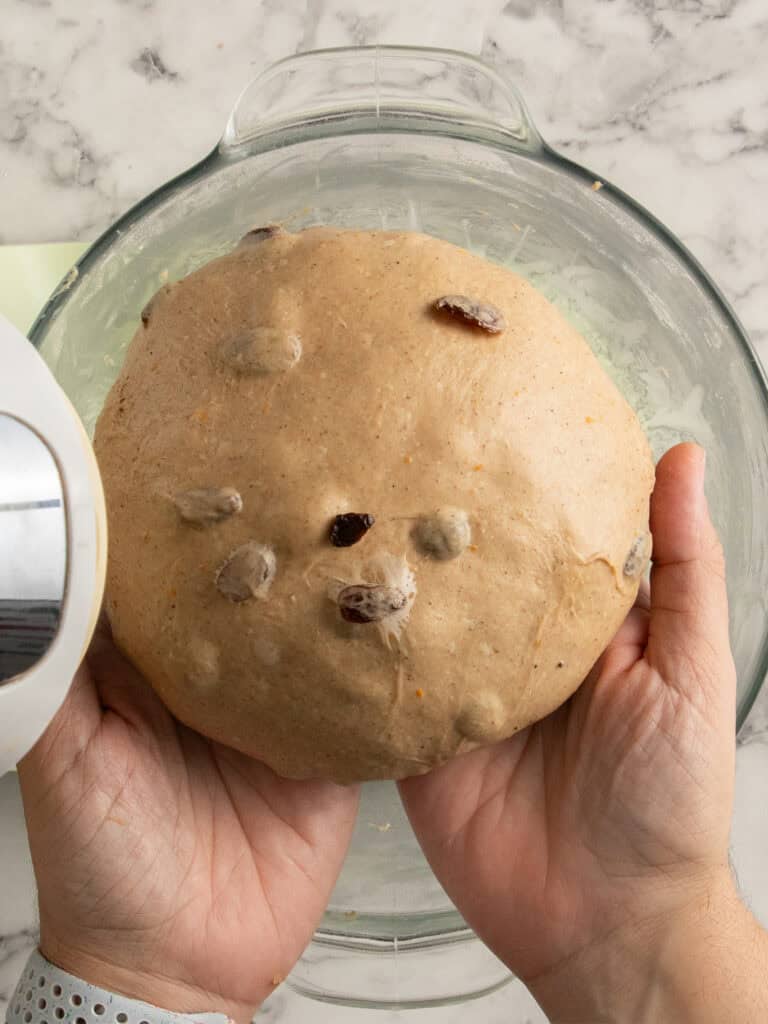
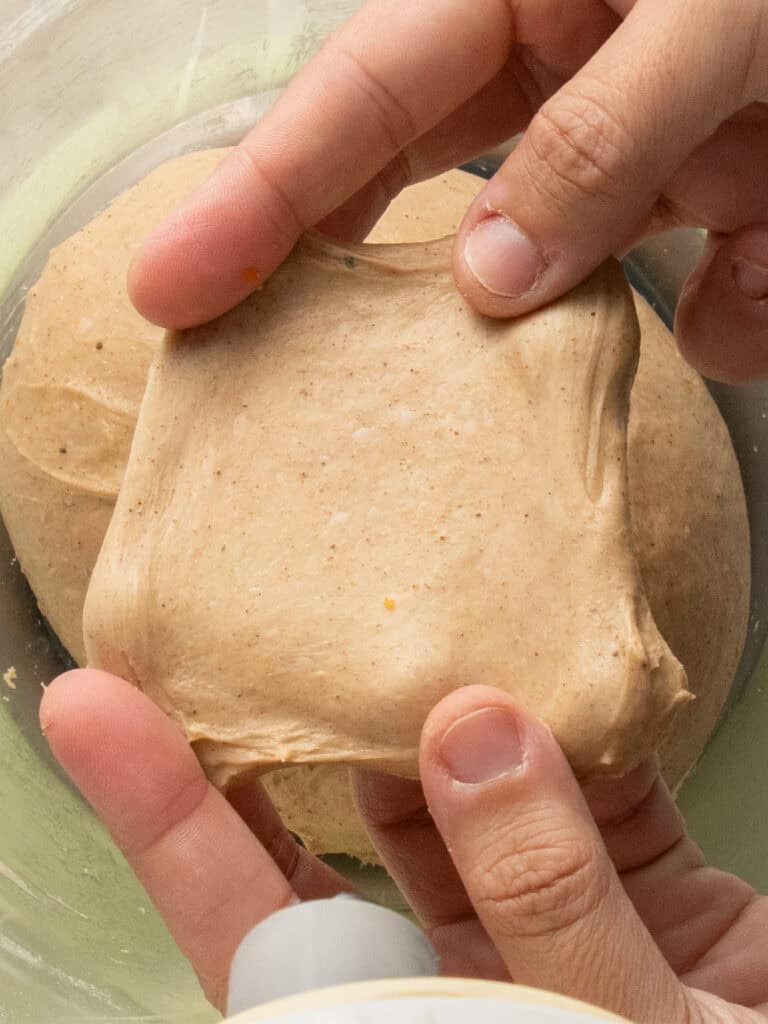
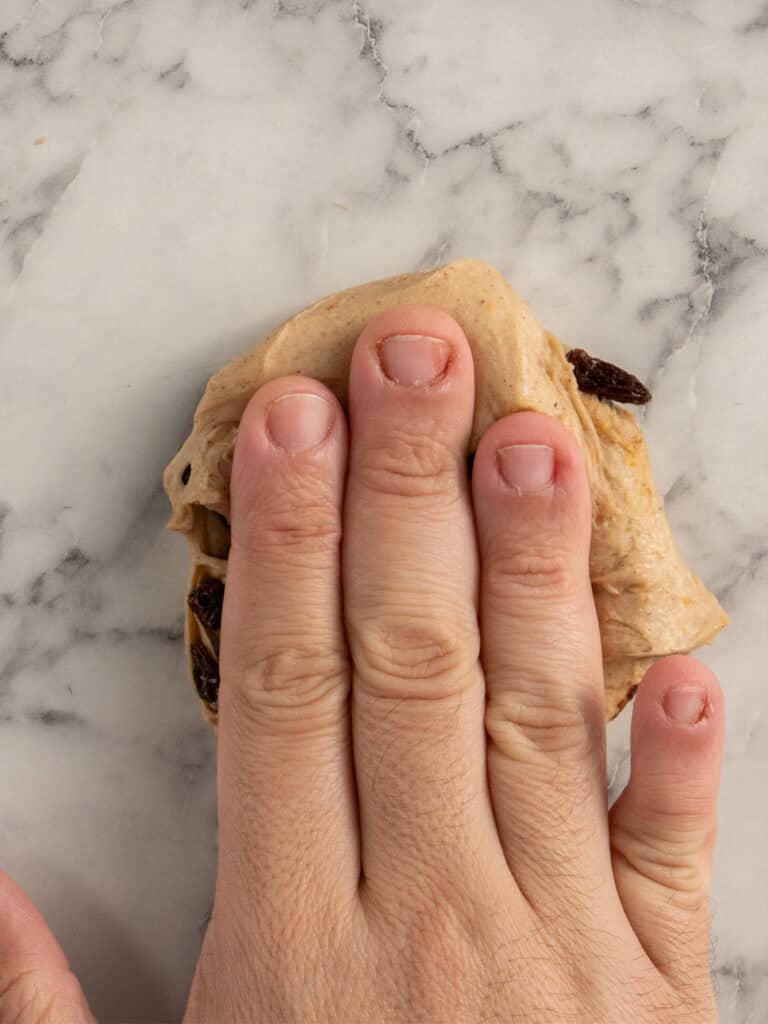
- The Windowpane Test: Stretch a small piece of dough between your fingers. If you can stretch it until it is translucent without it tearing, the gluten network is fully developed.
- The Texture: The dough should feel tacky but should not adhere to your skin. If the dough is sticking to your hands, the gluten structure has not yet trapped the necessary air to maintain its shape.
This meticulous attention to structural integrity is what allows the dough to hold the gas generated by the yeast. A strong gluten network ensures that when the buns rise in the oven (the "oven spring"), they expand into light, airy pillows rather than collapsing under their own weight.
Professional Insights and Official Recommendations
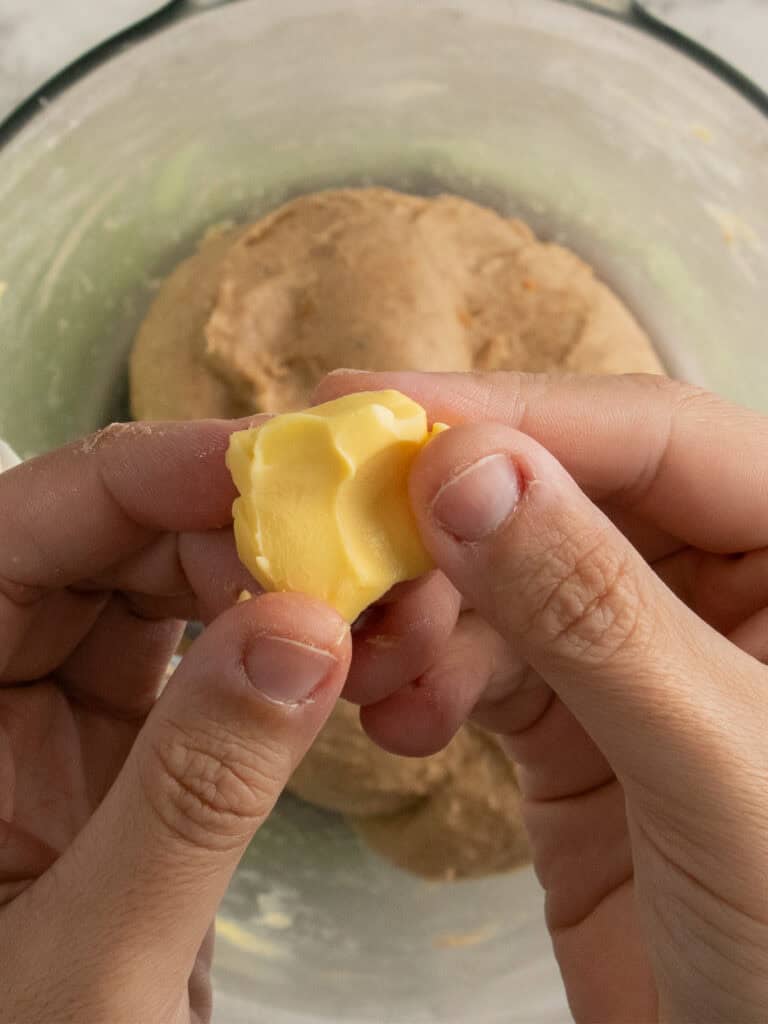
When constructing the final dough, the inclusion of fat—specifically, high-quality softened butter—is non-negotiable.
The Temperature of Fats
The butter must be at a precise 18°C (65°F). At this temperature, the butter is soft enough to incorporate smoothly into the dough without melting. If the butter is too soft or oily, it will prevent the gluten strands from bonding, resulting in a heavy, greasy bun. If it is too cold, it will remain in lumps, creating uneven pockets in the final product.
The Piping of the Crosses
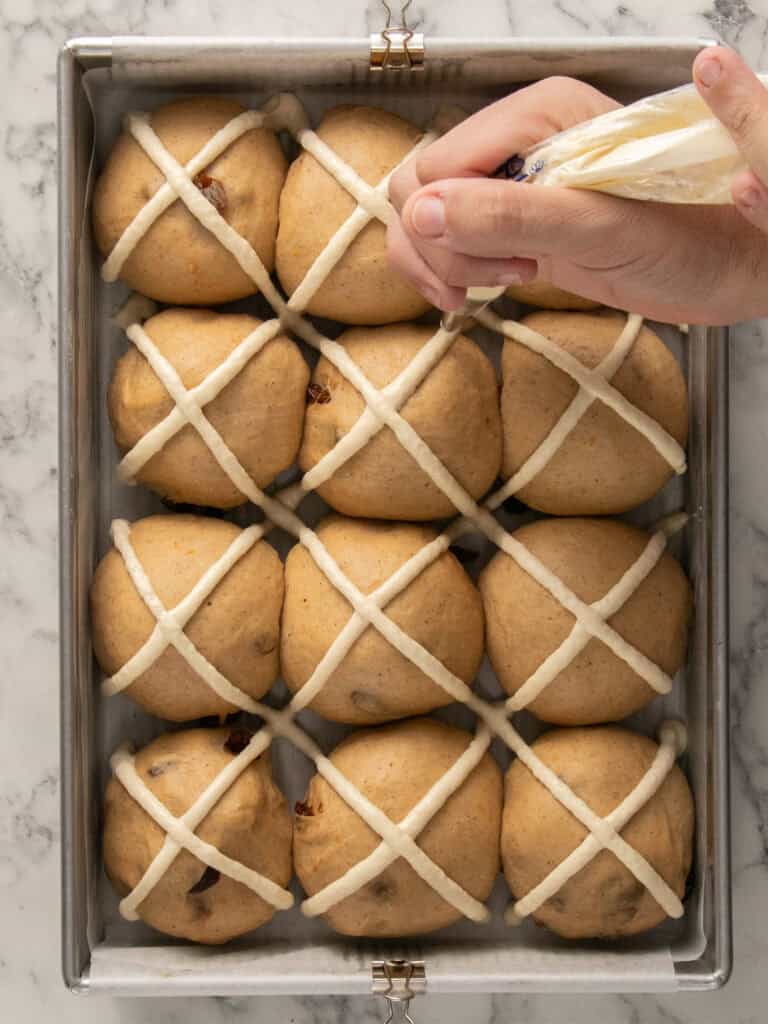
The signature cross on top of the bun is created by a flour paste. A critical tip from the professional kitchen is to never prepare this paste too far in advance. As the paste sits, the flour continues to hydrate and develop gluten, which results in a lumpy, stringy, and aesthetically unappealing cross. The paste should be mixed fresh, just before piping, to ensure a smooth, clean line that stays in place during the bake.
The Glaze
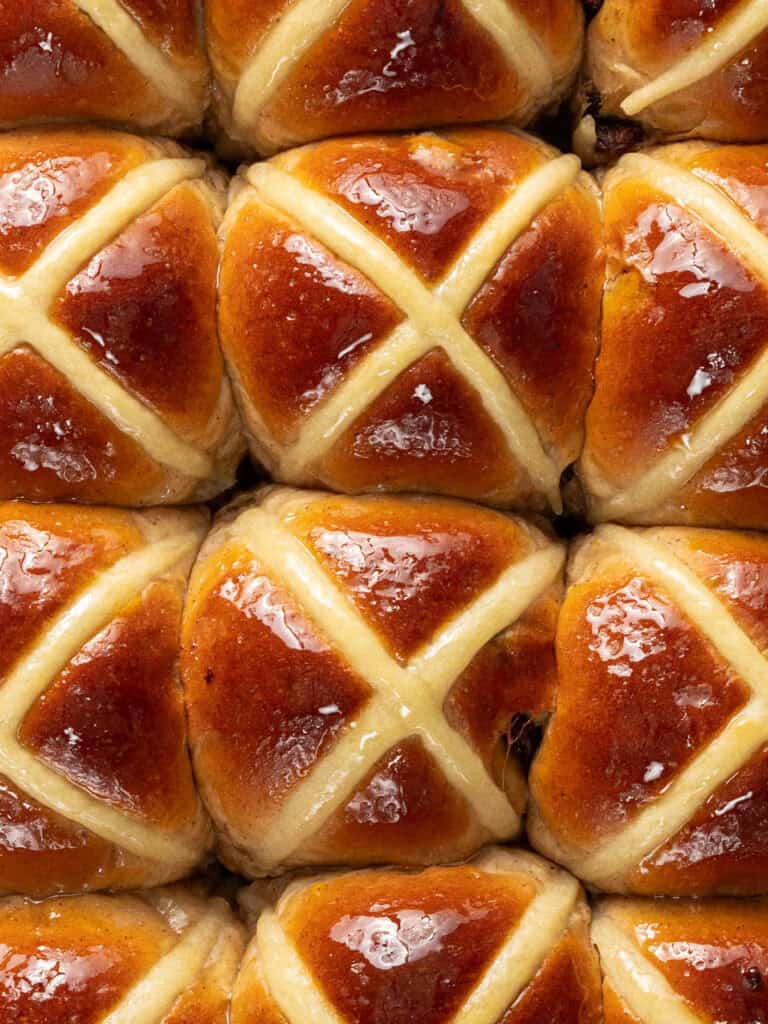
The final step is the application of a glossy orange-infused syrup. This glaze is not merely for decoration; it seals the surface of the bun, locking in moisture and providing a subtle, citrus-spiced finish that complements the cloves, cinnamon, and allspice within the dough.
Implications for the Home Baker
The adoption of professional techniques like Tangzhong and cold fermentation represents a shift in home baking. It marks the transition from "following a recipe" to "understanding the chemistry of baking."
By focusing on the following, the home baker can achieve results that rival commercial bakeries:
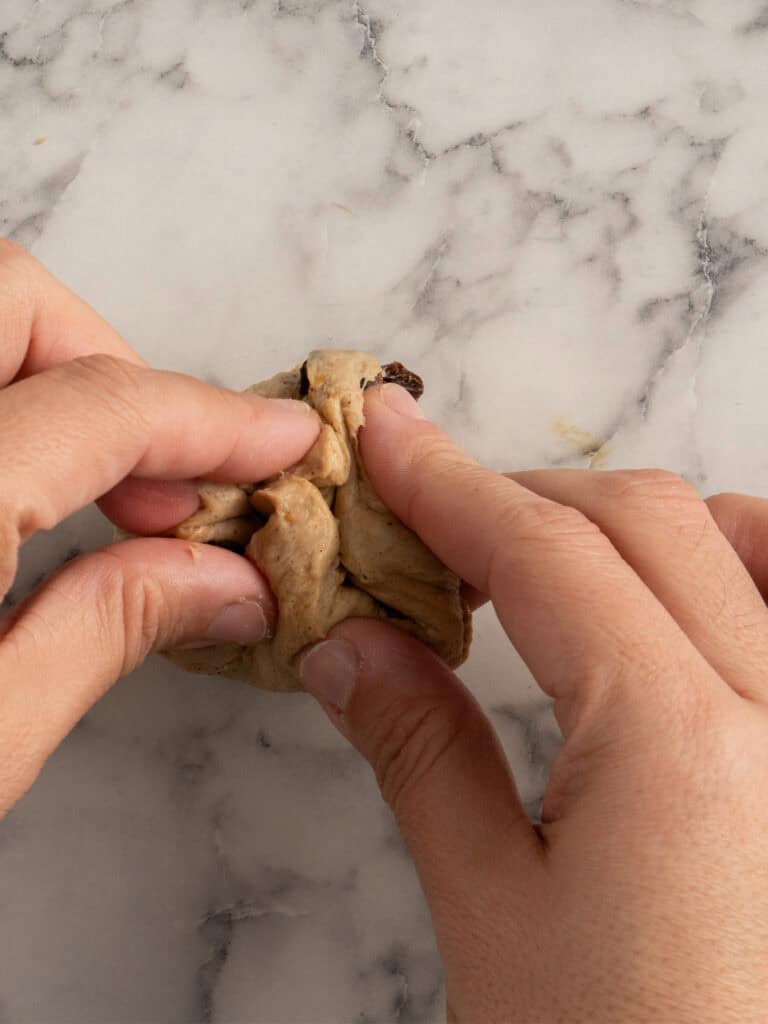
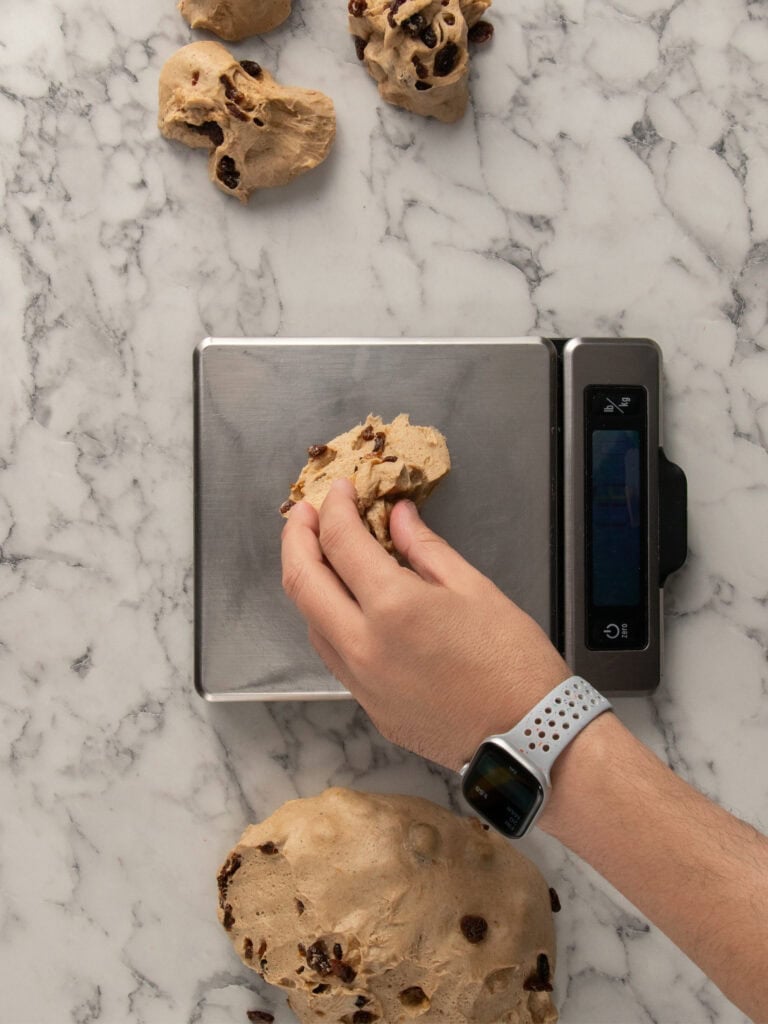
- Prioritizing Weight over Volume: Using digital scales for precision, particularly with flour and hydration, is essential for consistency.
- Respecting the Fermentation: Giving the dough time to develop flavor and strength in the refrigerator pays dividends in the final product.
- Visual and Tactile Cues: Learning to identify the windowpane test and the correct dough texture is a skill that translates across all yeast-based baking, from brioche to dinner rolls.
As the industry continues to see a resurgence in artisan home baking, the "bakery-level" standard is becoming more accessible. Whether one chooses to bake the classic fruit-filled bun or experiment with the rich, decadent chocolate variations now popular in modern kitchens, the underlying principles of hydration, gluten development, and temperature control remain the bedrock of a perfect, soft hot cross bun.
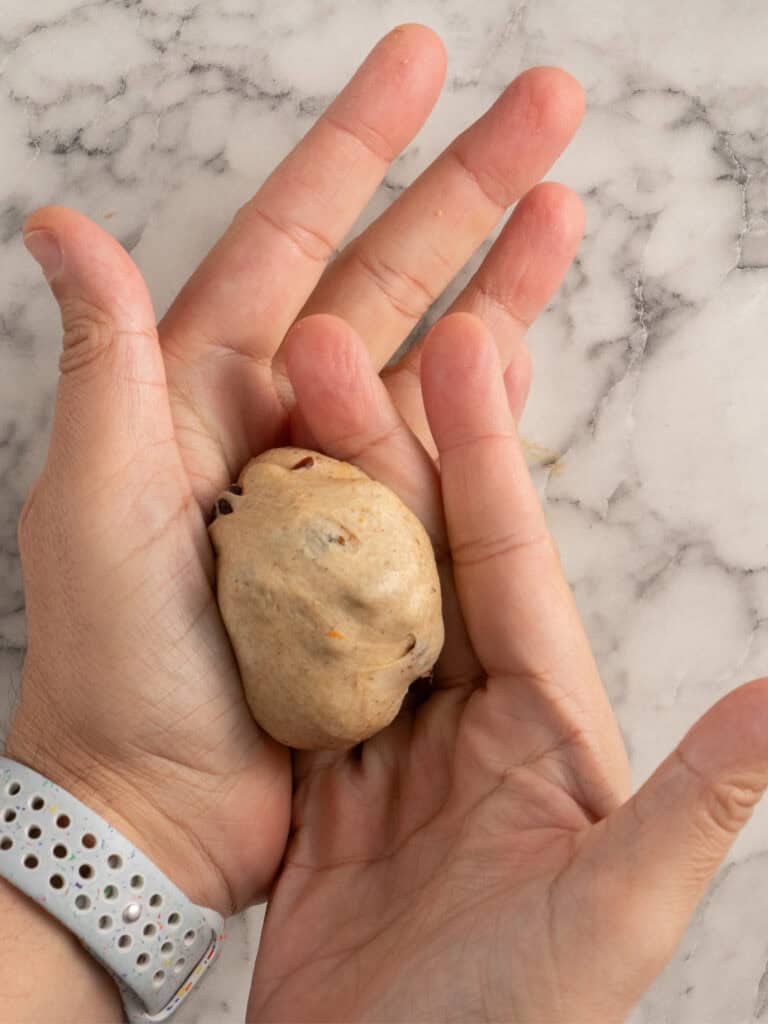
For those eager to master these techniques, the path is clear: embrace the science, respect the process, and—most importantly—ensure you have enough salted butter on hand to honor the "Hot Cross Bun Law."

 Dwi Wanna
 Suro Senen
