

 Lina Hope
 Iffa Jayyana
 Lina Irawan
 Ammar Sabilarrohman
 Ali Ikhwan
 Pevita Pearce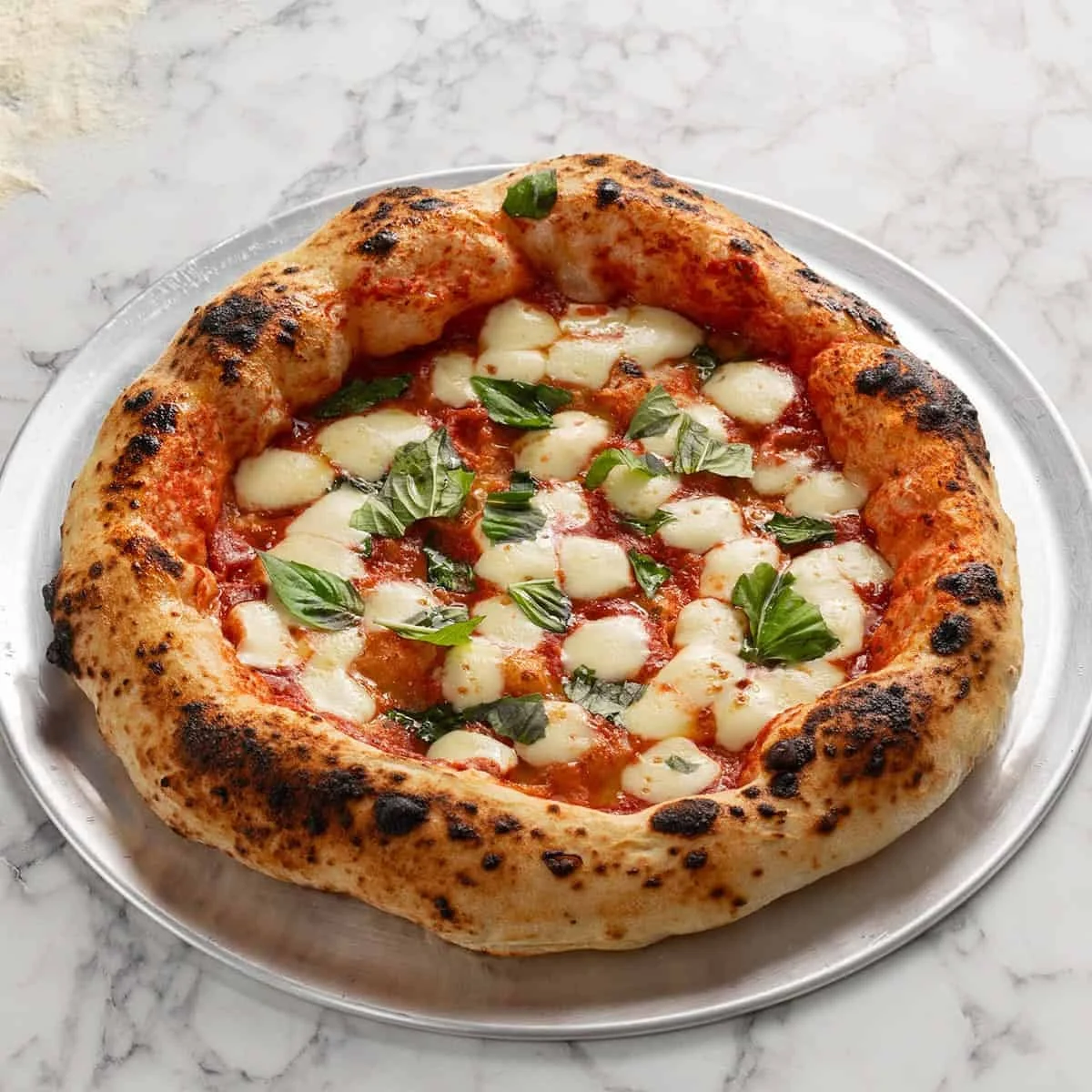
For years, the gold standard of pizza—the elusive, leopard-spotted, soft-yet-chewy Neapolitan crust—was considered the exclusive domain of professional pizzerias equipped with massive, wood-fired ovens. However, a shift is occurring in home kitchens worldwide. Through meticulous experimentation and a better understanding of fermentation science, home cooks are now achieving professional-grade results using standard home appliances.
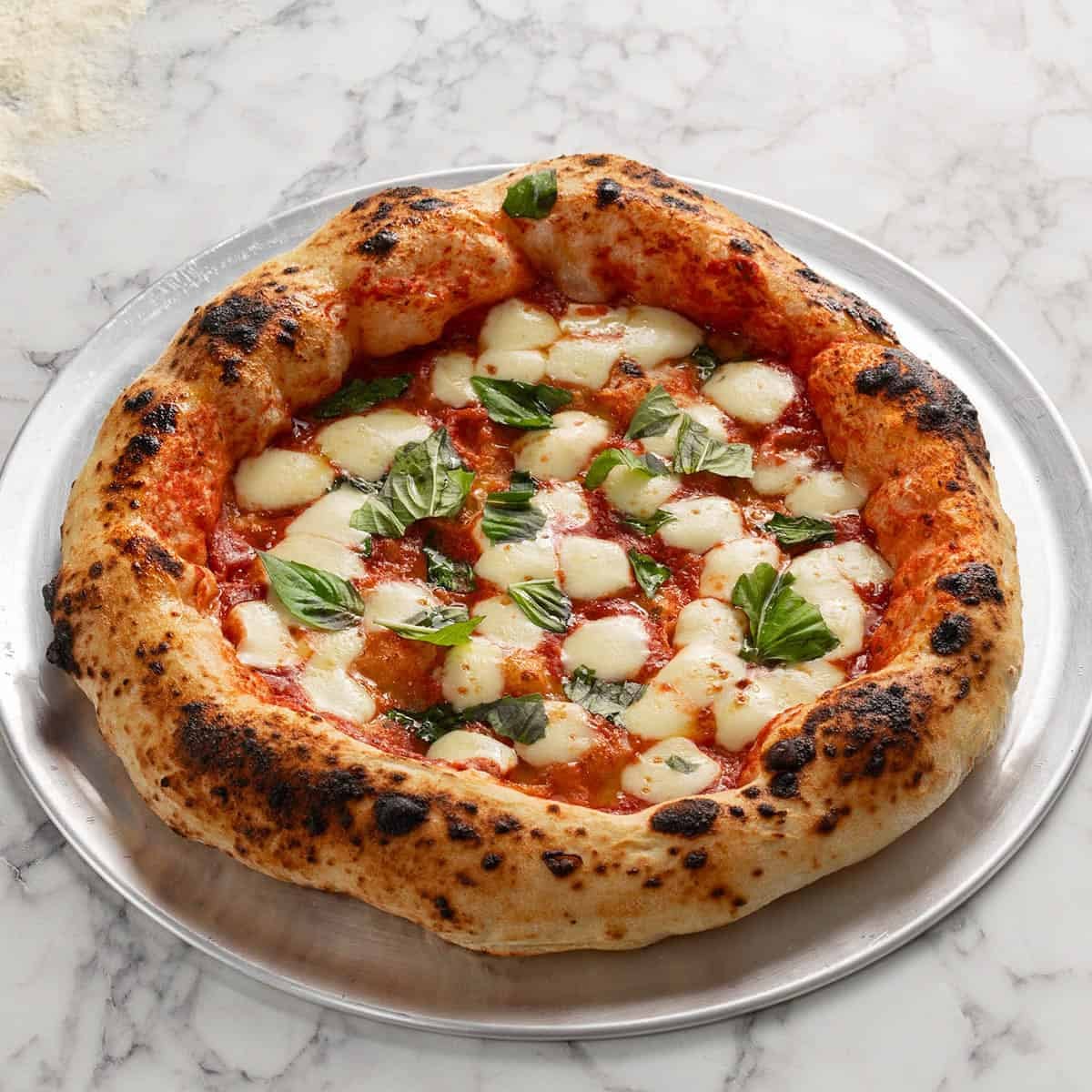
This deep dive into the craft of Neapolitan-style pizza explores the methodology, the science of the "poolish," and the essential techniques required to bring the authentic taste of Naples into your own home.
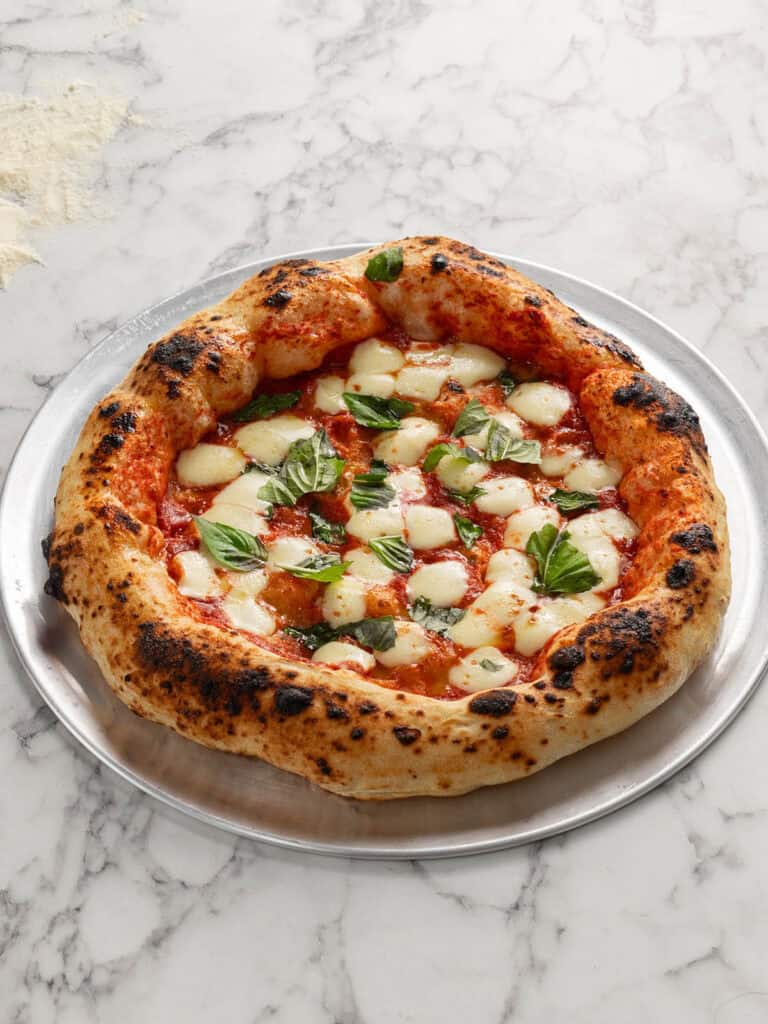
The Foundation: Why Flour and Fermentation Define the Crust
At the heart of every great pizza is the dough. While many amateur recipes rely on quick-rise yeast and high-speed kneading, true Neapolitan-style dough demands patience. The "secret" that separates a flat, cracker-like crust from a light, airy, and bubbly masterpiece lies in two primary factors: the quality of the flour and the duration of the fermentation process.
The Critical Role of High-Gluten Flour
There is no substitute for the right base ingredient. After extensive testing with standard pantry staples like plain flour and bread flour, the results consistently fall short of the Neapolitan ideal. To achieve the necessary structure that traps air during the bake, one must use "00" pizza flour—specifically a variety designed for slow fermentation.
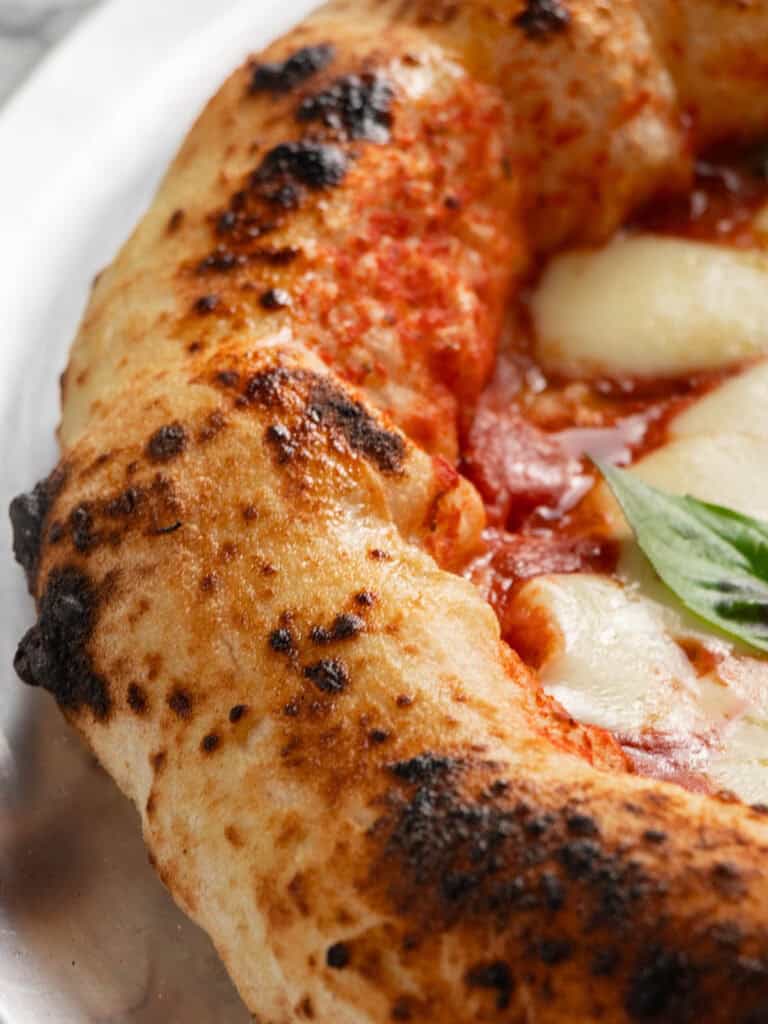
The "00" designation refers to the milling grade, which is extremely fine, similar to talcum powder. This flour has a higher protein content, which creates a stronger gluten network. Brands like Caputo’s Pizzeria flour have become the industry standard for a reason: they provide the elasticity required for the thin, delicate stretching that characterizes a high-hydration dough.
The Science of the Poolish Method
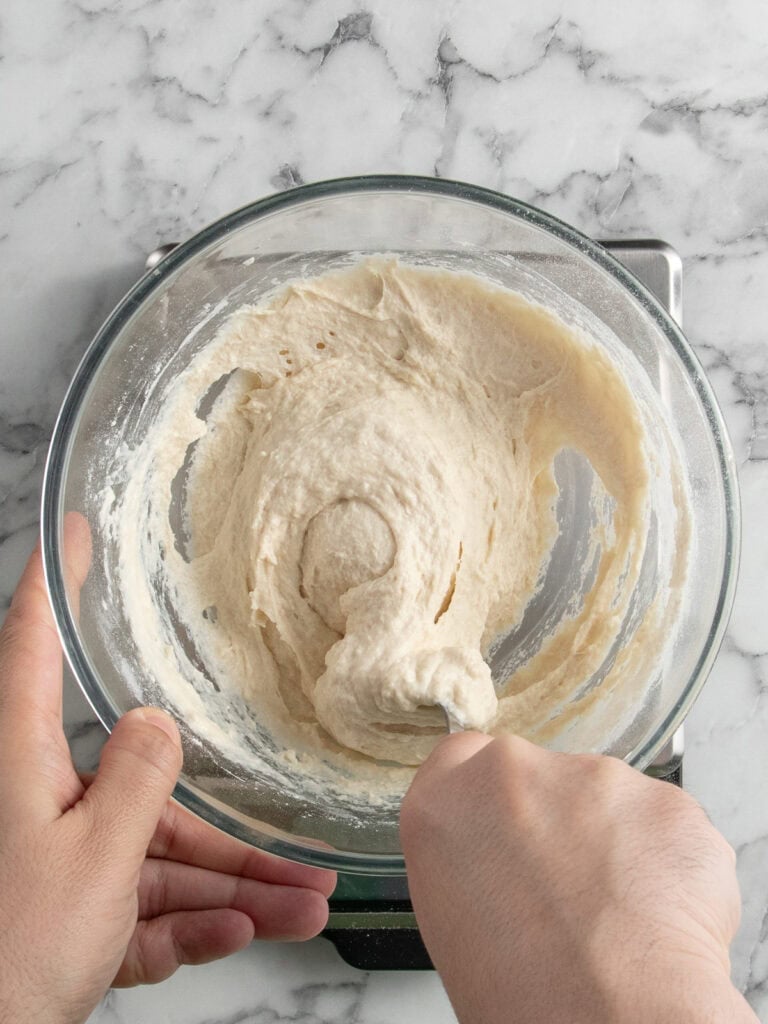
The technique recommended here is the "poolish" method. A poolish is a pre-fermented paste—a starter that essentially gives the dough a head start on flavor development and structural integrity. By mixing equal parts flour and water with a precise amount of yeast and a touch of honey, the baker creates a vibrant, active environment for bacteria and yeast to thrive.
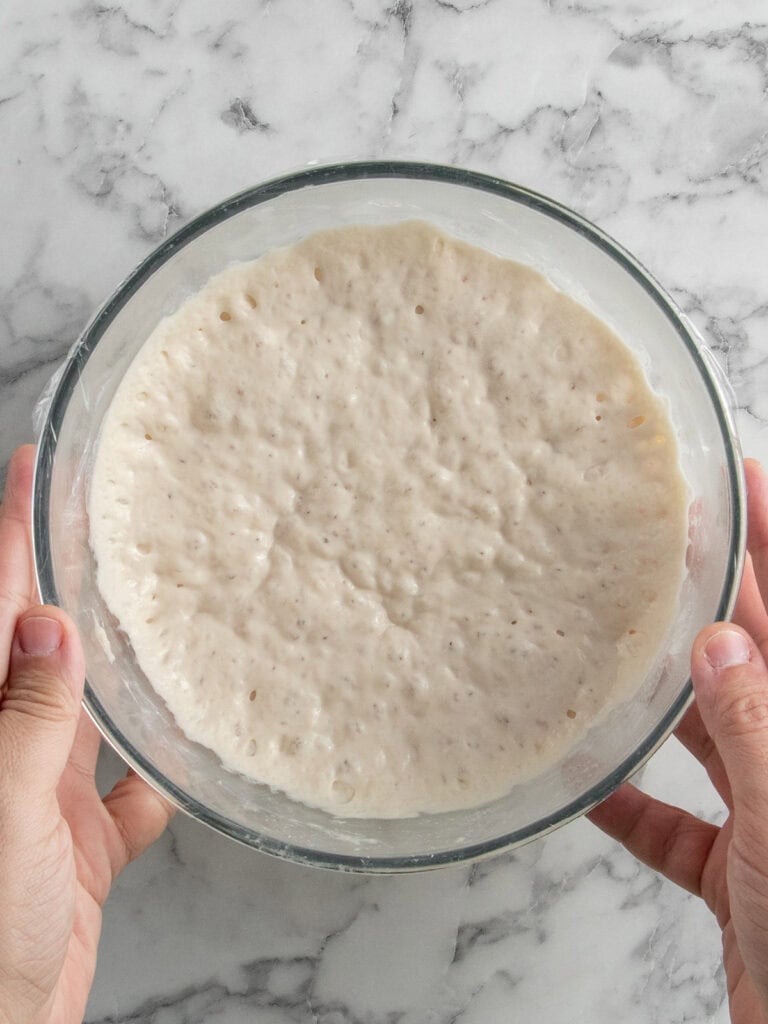
This pre-ferment is then refrigerated for 24 hours. During this period, the enzymes in the flour break down complex starches into simpler sugars, which not only deepens the flavor profile but also ensures that the crust will brown beautifully under heat, creating those coveted "leopard spots."
Chronology of the Craft: A Five-Day Workflow
Creating high-quality pizza is not a task for a hurried weeknight. It is a process that requires a multi-day commitment. Understanding the timeline is essential for success.
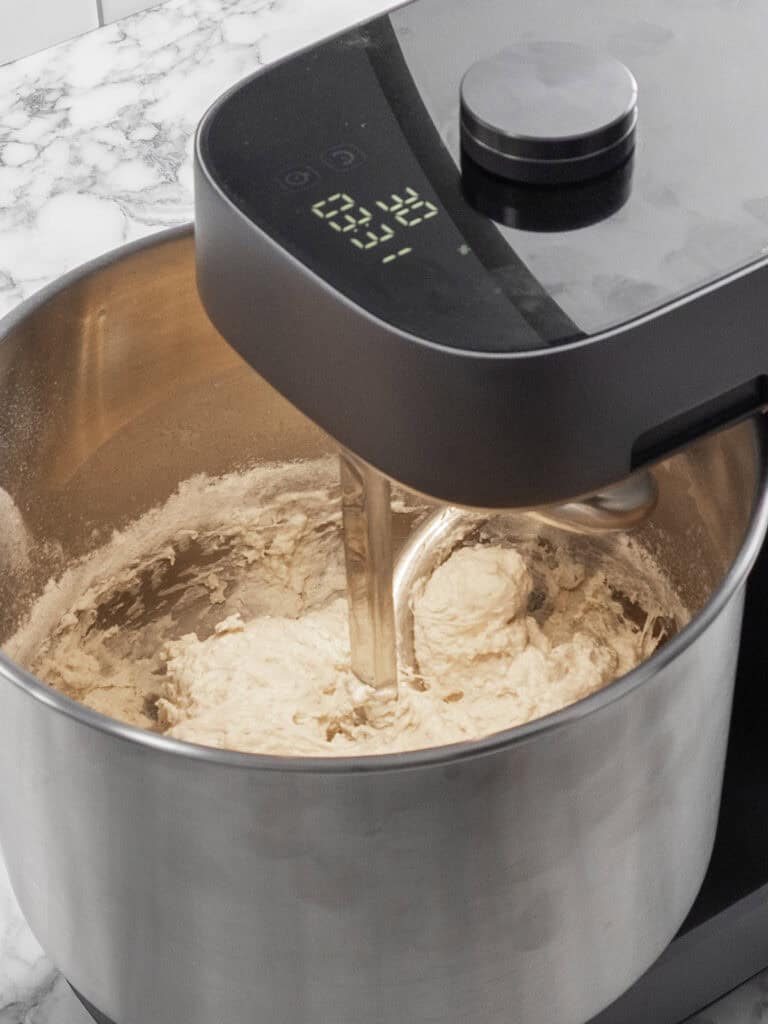
- Day 1: The Poolish. This is the foundational day. The mixture is prepared and allowed to sit, effectively beginning the flavor-building process.
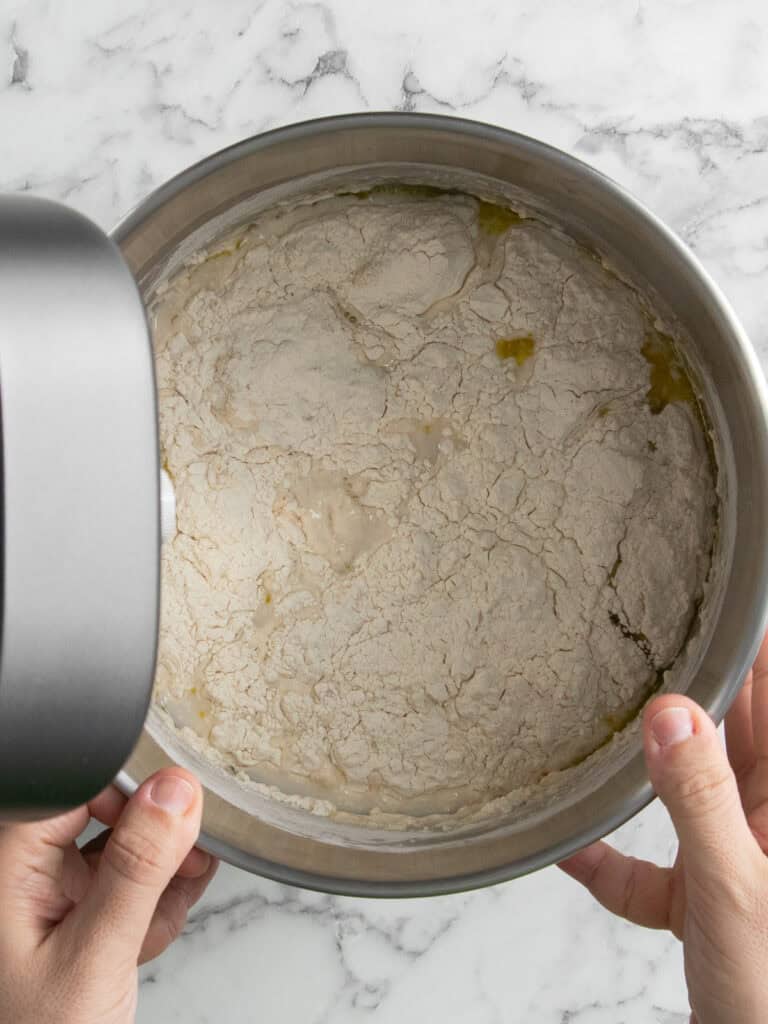
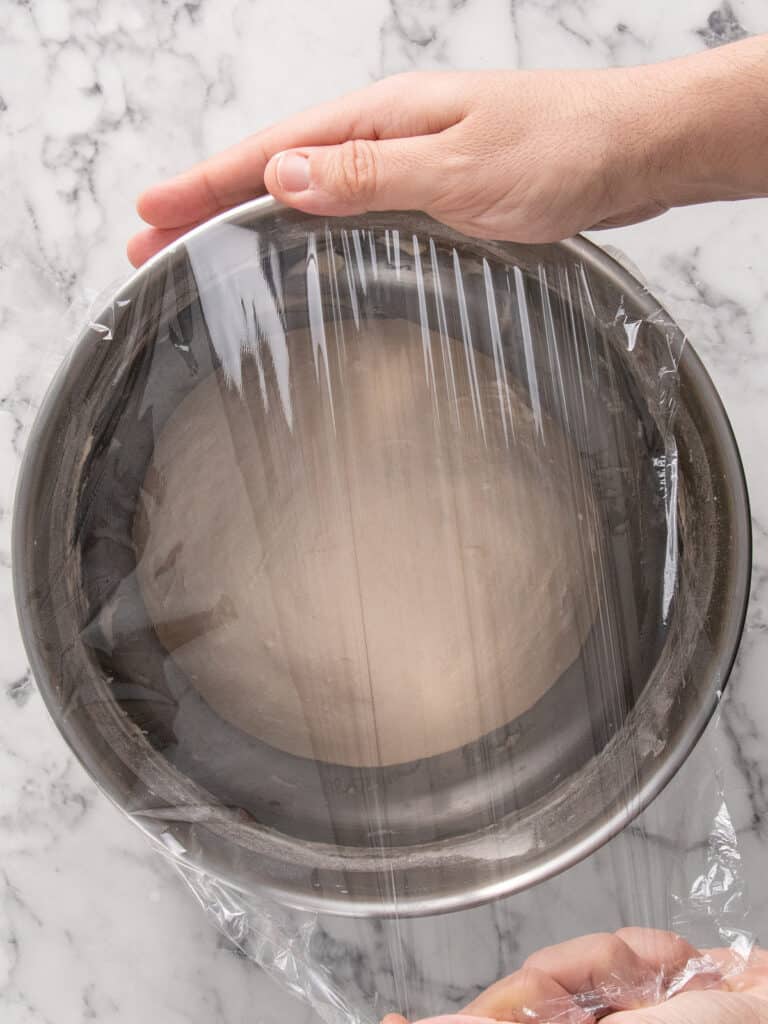
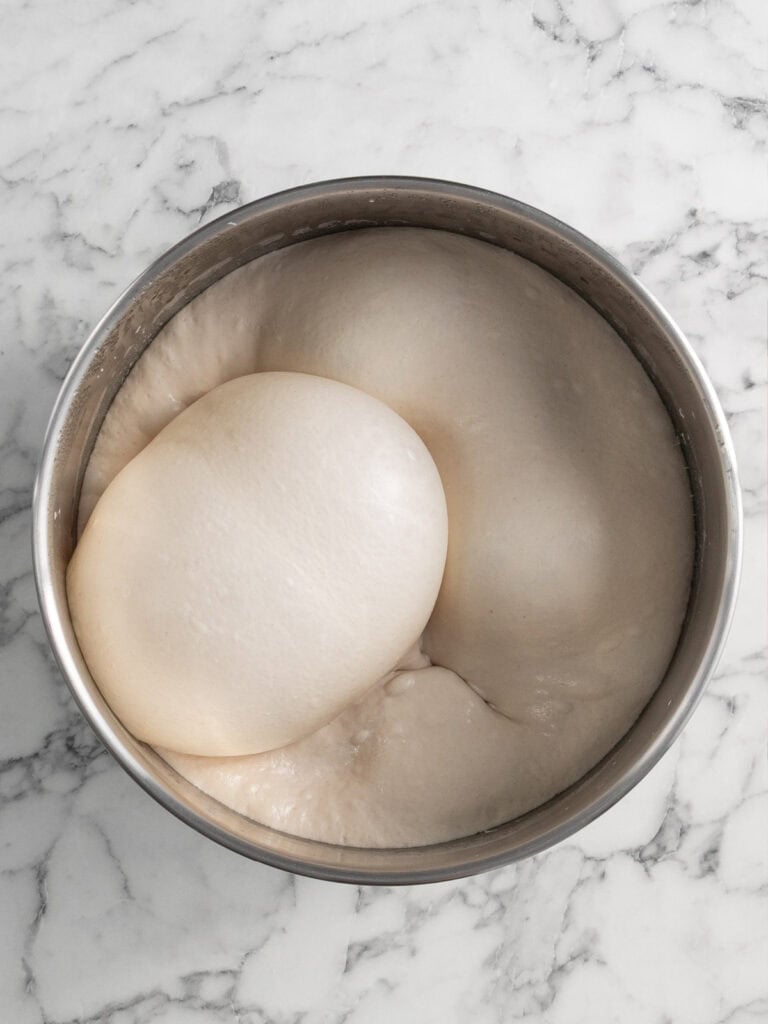
- Day 2-3: Cold Fermentation. The bulk dough is kneaded and placed into the refrigerator. This is the "hands-off" period. During this time, the dough undergoes a slow, cold rise. This stage is crucial for the development of the "chew" that makes Neapolitan pizza so addictive.
- Day 4-5: The Final Rise. Once the dough is portioned into individual balls, it undergoes a final proof at room temperature. This is where the final structural bubbles are formed. The dough should be handled with extreme care during this stage to ensure those pockets of gas remain intact.
Supporting Data: Hydration and Heat Management
Modern pizza making is as much about physics as it is about cooking. The dough in this recipe features a 70% hydration level. In baking terms, hydration refers to the ratio of water to flour by weight.
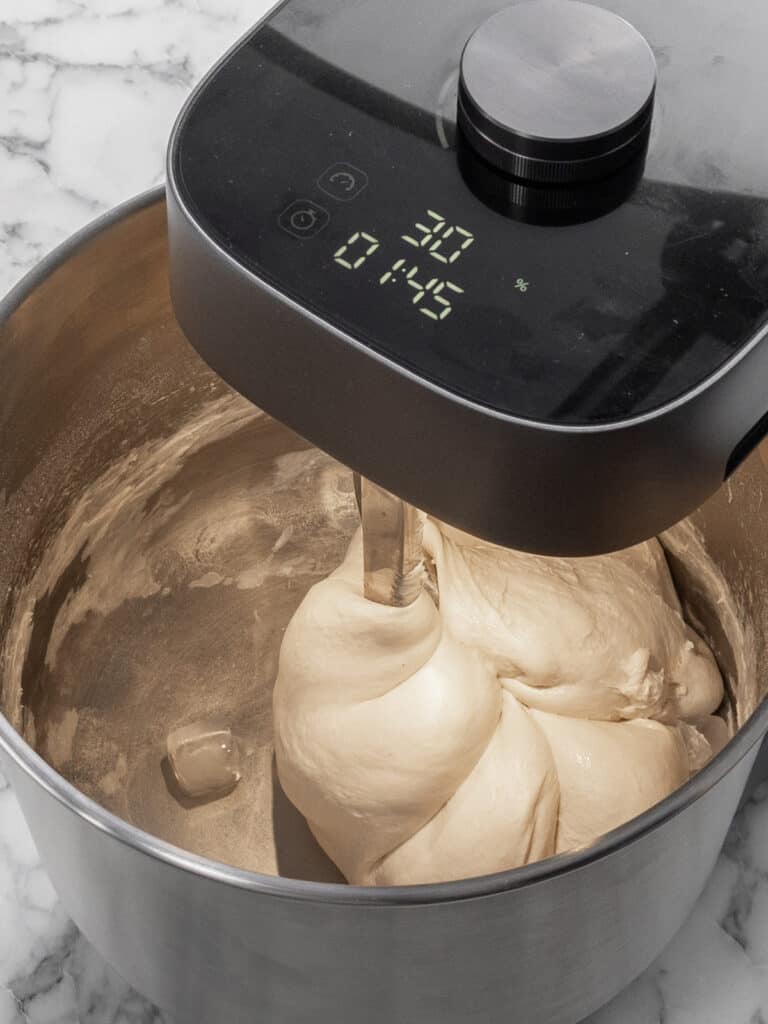
A 70% hydration is considered relatively high, which is exactly what makes the crust soft and "open-puffed." However, this high water content makes the dough sticky and difficult to handle for the uninitiated. To manage this, the baker must rely on cold-temperature handling and the use of fine semolina flour on the workbench to prevent sticking without incorporating too much extra flour into the dough itself.
The Role of Temperature
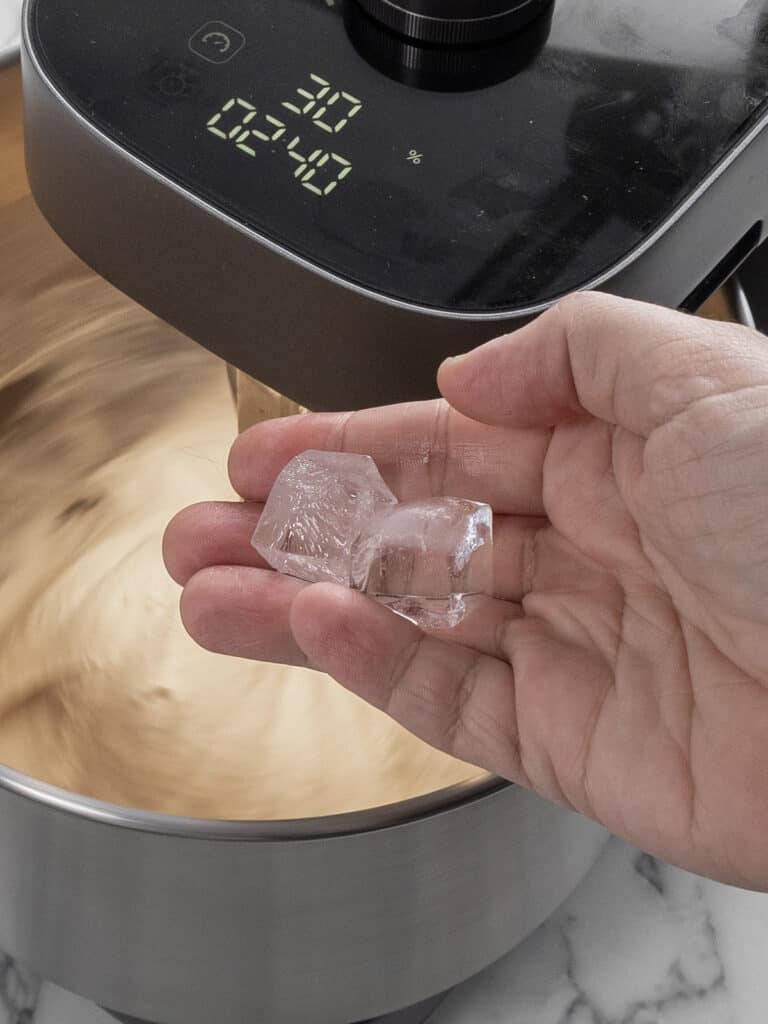
Whether you are using a dedicated outdoor pizza oven (such as an Ooni or Gozney) or a standard residential oven with a pizza steel, heat management is the variable that determines success. A pizza oven should be preheated for at least 30 to 40 minutes to reach temperatures upwards of 400°C (750°F). When using a home oven, a pizza steel—which mimics the thermal mass of a brick oven—is non-negotiable.
Professional Insights: Stretching and Shaping
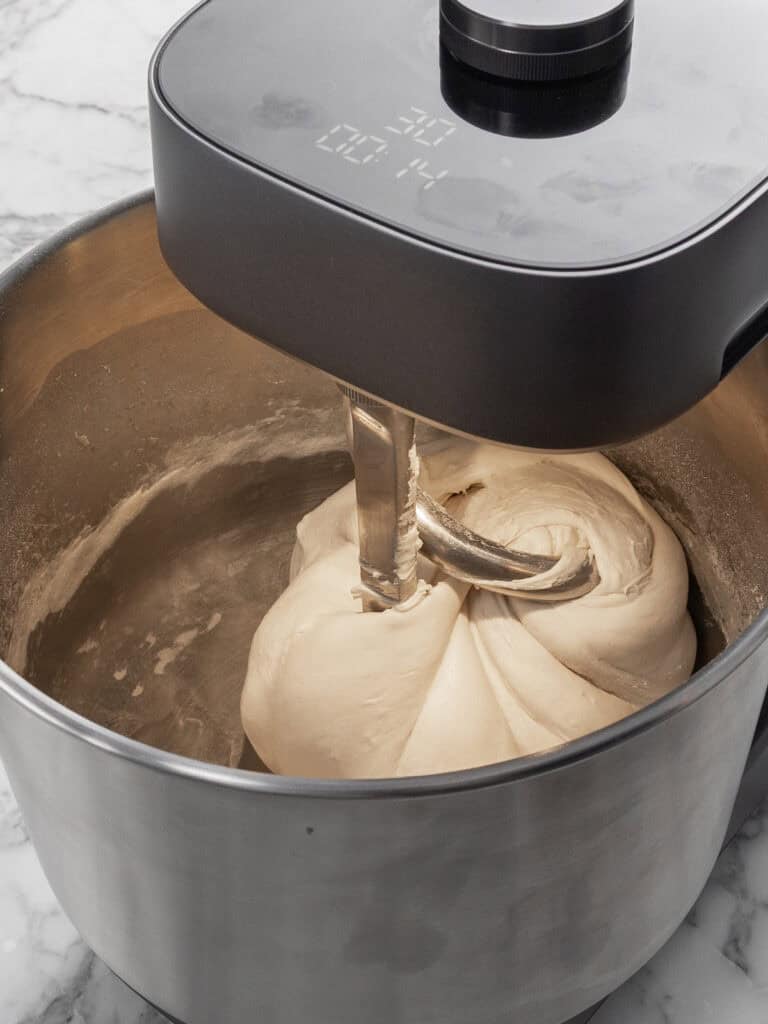
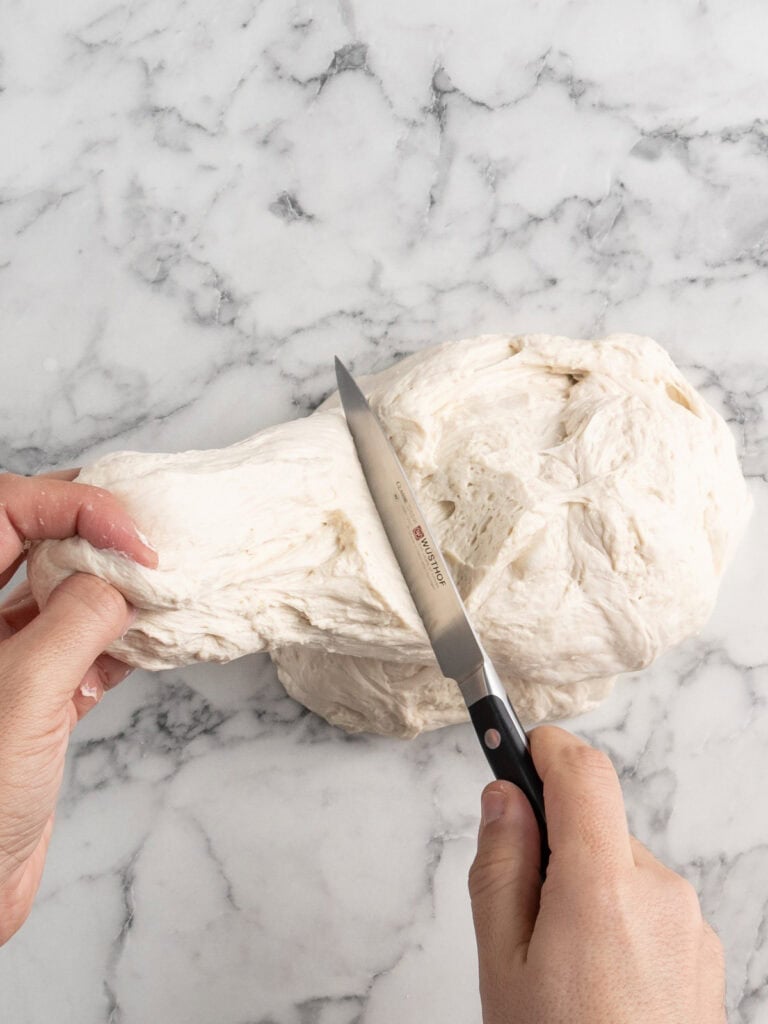
The most intimidating part of the process for beginners is the physical act of stretching the dough. The goal is to move the air bubbles from the center of the dough toward the crust, creating the "cornicione" (the raised, puffy edge).
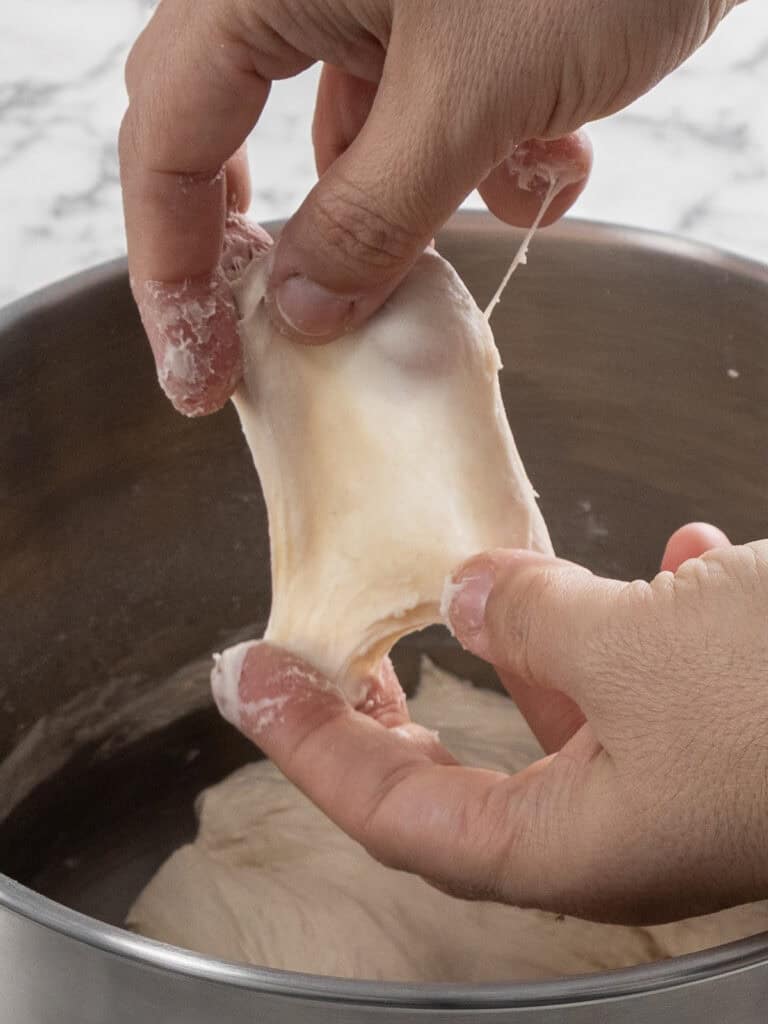
The Technique:
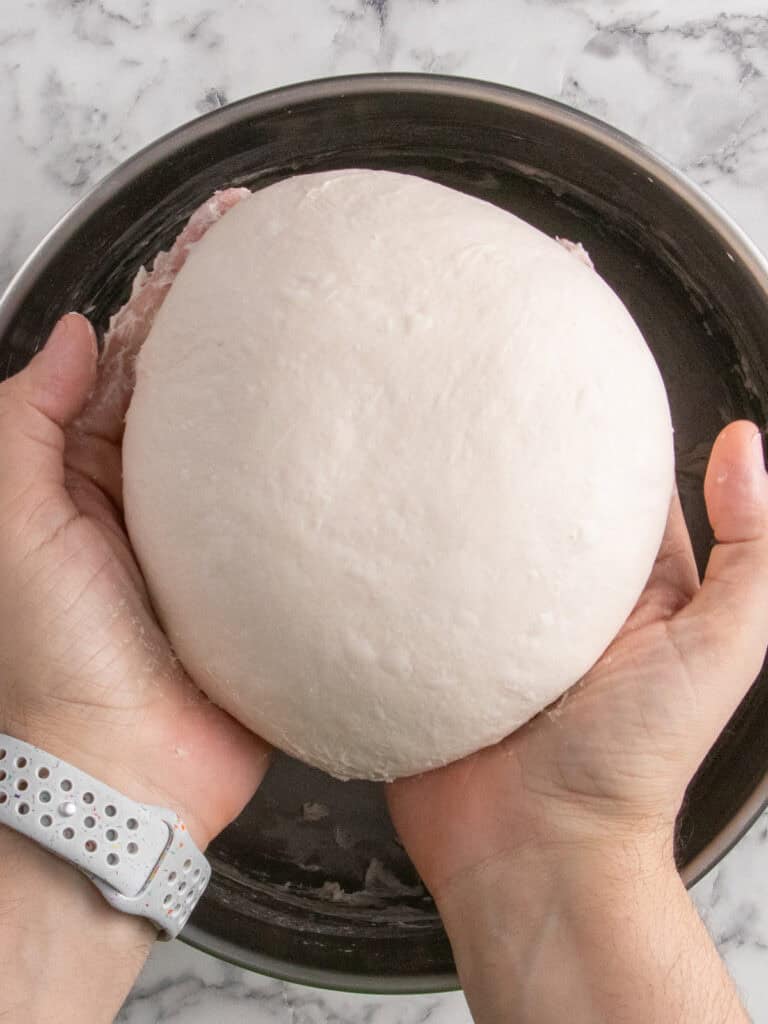
- The Pinch: Using your fingers to press into the center of the dough ball, leaving a perimeter of about an inch untouched.
- The Turn: Rotating the dough while gently pulling outward.
- Gravity: Allowing the weight of the dough to do the work rather than pulling it aggressively, which can tear the gluten network.
If the dough snaps back, it needs more time to rest. Forcing it will only result in a dense, tough crust. As the saying goes in professional kitchens: "The dough is the boss." If it isn’t ready to stretch, let it sit for another ten minutes.
Implications for Home Baking
The beauty of this refined approach is that it democratizes high-end culinary results. You no longer need a commercial wood-fired oven costing thousands of dollars to create a meal that rivals a $25 restaurant pie.
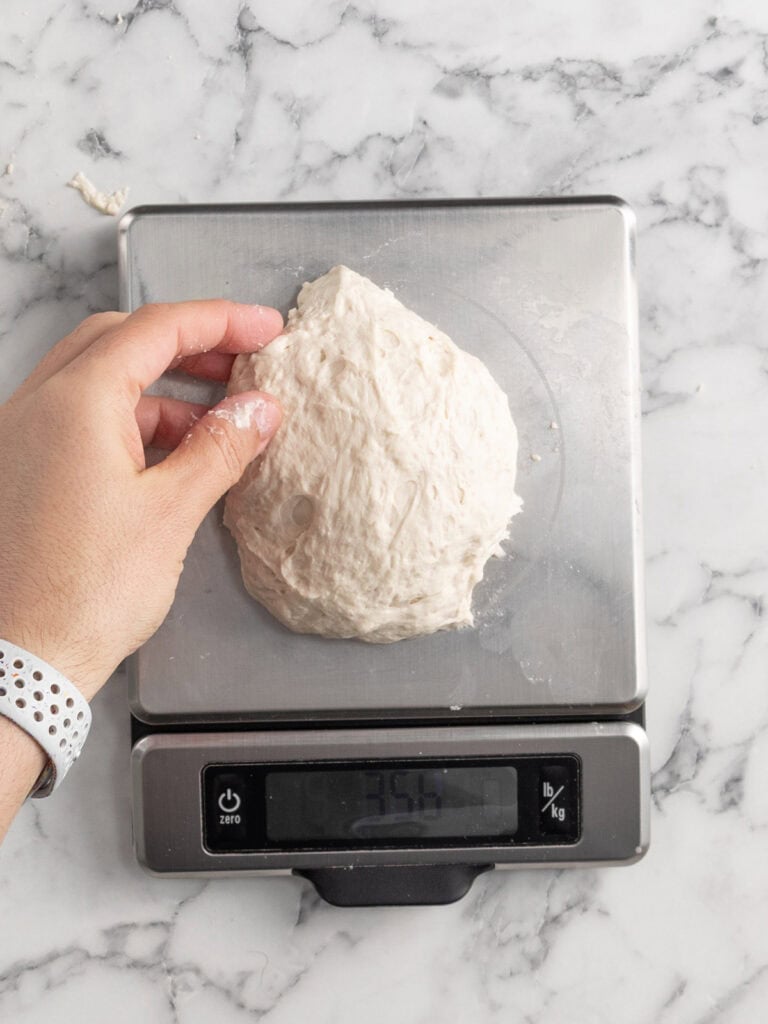
However, there is a learning curve. The primary implication for the home cook is the need for precision. Because this is a high-hydration dough, using digital kitchen scales is mandatory. Volumetric measurements (cups and spoons) are simply too inconsistent to provide the reliable results required for a 70% hydration recipe.
Furthermore, the "pizza snob" test—as seen with four-year-olds who refuse to eat standard crusts but devour these—highlights that texture is the ultimate indicator of quality. When the fermentation is correct, the crust becomes light, airy, and flavorful, essentially becoming the best part of the meal.
Expert Tips for Success
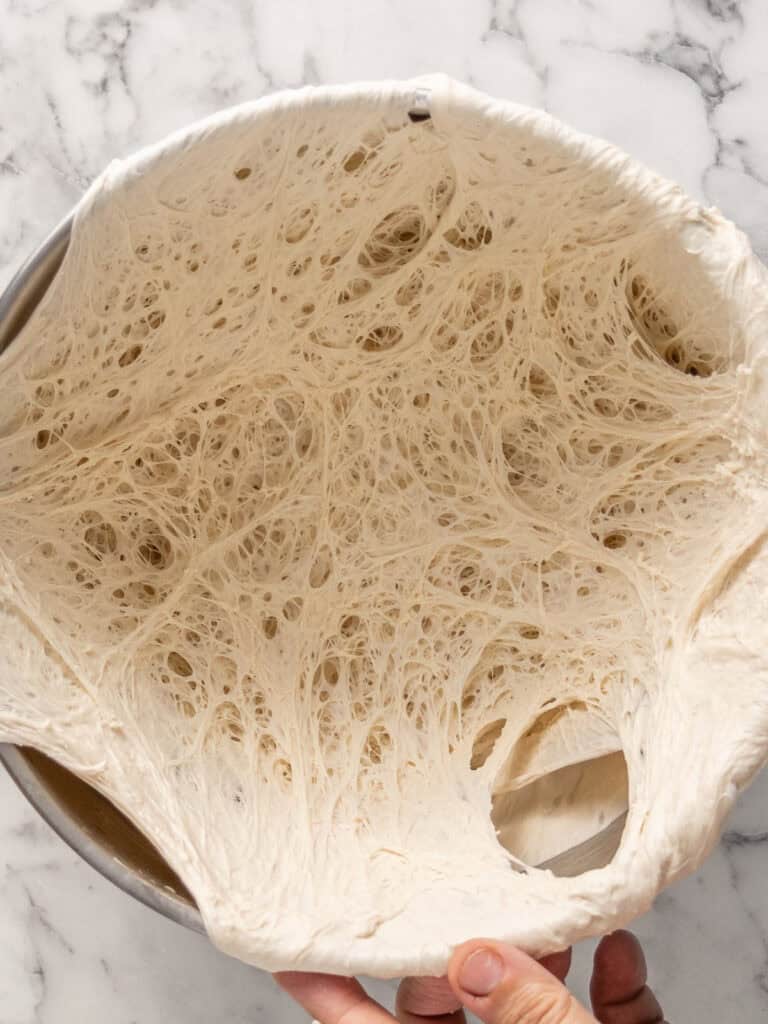
- The Windowpane Test: Before the final ferment, take a small piece of dough and stretch it. If you can see light through it without it tearing, your gluten is perfectly developed.
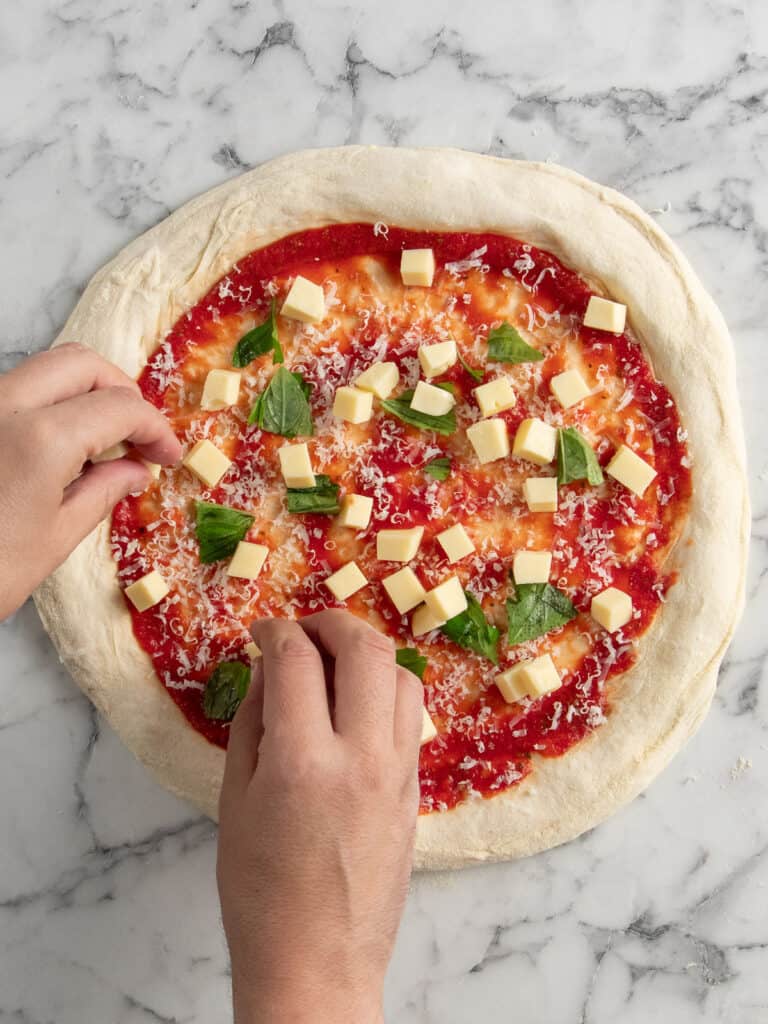
- Topping Restraint: Neapolitan pizza is a study in minimalism. Too many toppings, especially wet ones like fresh mozzarella or heavy sauces, will steam the dough rather than bake it, resulting in a "soggy bottom." Always pat your mozzarella dry before using.
- The Final Stretch: If you are using a pizza peel, ensure it is well-floured with semolina. A "stuck" pizza is a heartbreak for any chef. Build the pizza on the peel quickly and transfer it to the oven with a swift, confident motion.
Conclusion
Mastering the Neapolitan pizza at home is a journey of refinement. It requires a shift in mindset from "cooking a meal" to "managing a process." By respecting the fermentation time, choosing high-quality "00" flour, and learning the delicate art of the stretch, you move from merely feeding yourself to crafting an experience.
Whether you are hosting a dinner party or simply seeking the ultimate Friday night meal, the time invested in the poolish, the cold ferment, and the final bake will pay dividends in every bite. Your kitchen is now, effectively, a pizzeria. Enjoy the process.

 Dwi Wanna
 Suro Senen
