Lina Hope
 Iffa Jayyana
 Lina Irawan
 Ammar Sabilarrohman
 Ali Ikhwan
 Raul Delapena Setiawan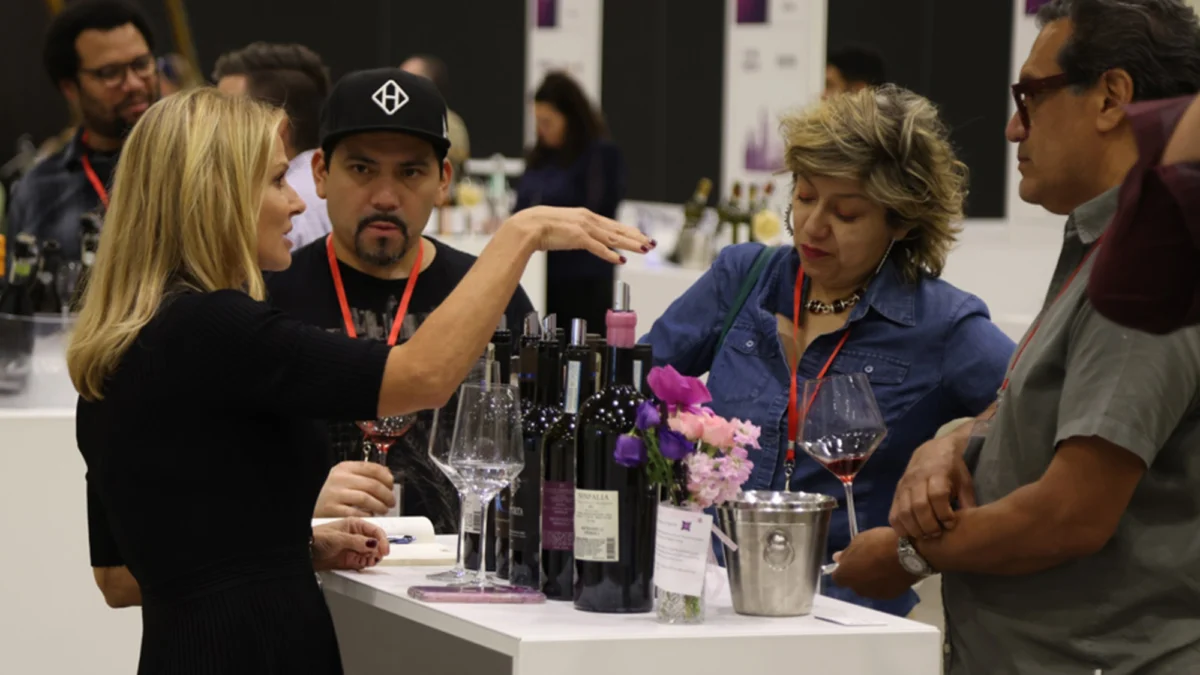
On October 26 and 27, the heart of Manhattan’s Pier 36 will transform into a sprawling Mediterranean landscape. For the third edition of Vinitaly.USA—and its highly anticipated debut in New York City—the event is set to host an unprecedented showcase of Italian viticulture. Organized in close collaboration with the Italian Trade Agency (ITA), this landmark gathering promises to be the largest assembly of Italian wine producers in the United States this year, featuring over 300 exhibitors and a staggering 2,500 distinct labels.
The Scope of the Event: A Continental Palate
For the uninitiated, Italian wine can feel like a labyrinth of thousands of indigenous grapes, centuries-old traditions, and a climate that shifts dramatically from the snow-capped Alpine peaks of the north to the sun-drenched, volcanic sands of the south. Vinitaly.USA aims to demystify this complexity by providing a 11,000-square-meter floor plan where attendees can curate their own "palatal tour."
Whether you are a professional sommelier seeking the next breakout producer or a dedicated enthusiast hoping to deepen your understanding of regional typicity, the event offers a spectrum of experiences. One might begin the morning with the bright, saline minerality of a Prosecco Superiore from the hills north of Venice, transition to the complex, nutty oxidation of an aged Pecorino from the Marche, and finish the day with the brooding, luxurious power of an Amarone della Valpolicella from Veneto.
The breadth of representation is exhaustive. Major consortia, including Brunello di Montalcino, Asti DOCG, Lugana DOC, and Vini delle Venezie, will be present, alongside niche regional collectives from Sardinia, Lazio, and the rugged slopes of Friuli-Venezia Giulia.
Chronology of the Experience: A Two-Day Itinerary
The event is structured to balance leisure with intensity, ensuring that the two-day window is maximized for both networking and education.
Day 1: Discovery and Regional Exploration
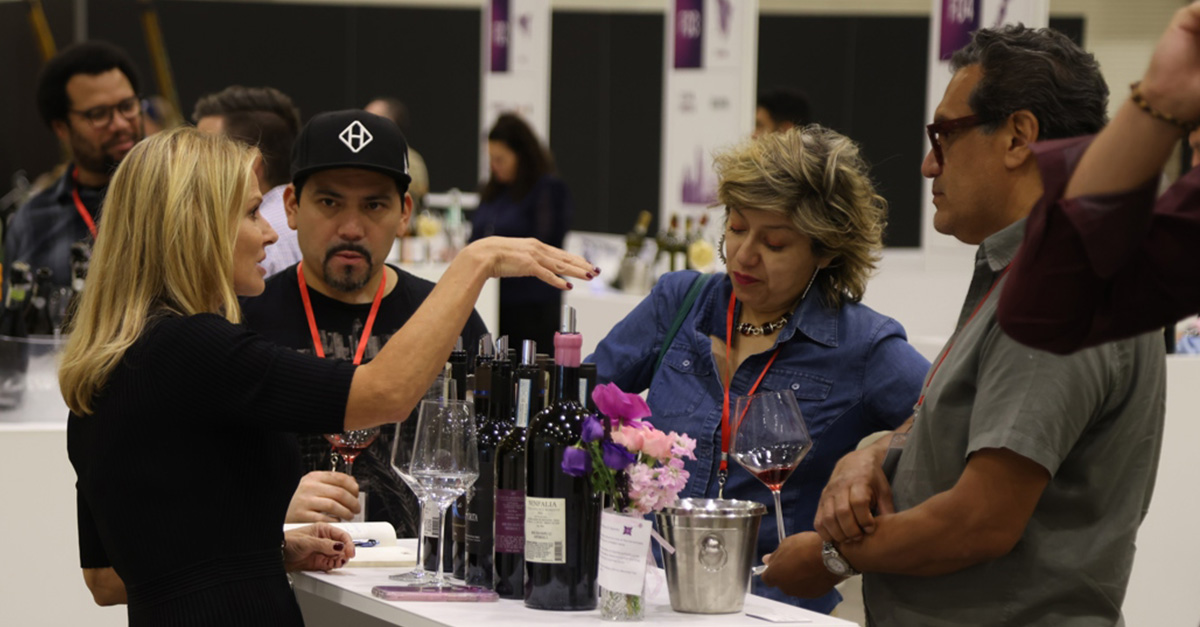
The opening day focuses on breadth and discovery. Attendees are encouraged to navigate the floor by "threading" a specific grape or region—such as tracking the evolution of Sangiovese across different microclimates—or by contrasting the coastal influence of Sardinia against the high-altitude conditions of the Prealps.
Educational seminars begin in earnest on the first morning, with sessions such as "Sardegna: An Island Apart," which dives into the unique viticultural isolation of the region, and "Beyond Nebbiolo & Sangiovese," a session specifically tailored for trade professionals looking to diversify their wine lists with lesser-known, high-quality indigenous varieties.
Day 2: Advanced Technical Analysis and Business Strategy
The second day shifts toward mastery and industry logistics. The morning includes deep-dive masterclasses, while the afternoon is reserved for the most serious students of the vine. Master of Wine Sarah Heller will lead the Vinitaly International Academy Advanced Tasting, a rigorous two-hour session featuring 22 wines. This session is strictly for ambassadors and experts looking to refine their ability to "read" the structural components and regional identity of Italian wines in comparative, blind, or semi-blind settings.
Supporting Data and Technical Insights
The scale of Vinitaly.USA is not merely a marketing metric; it represents a significant logistical feat. With over 600 registered wine buyers—representing the most influential importers, distributors, and retail groups in the U.S.—the event serves as a critical bridge between Italian production and the American consumer market.
The educational program is supported by rigorous analysis of current trends. For instance, the seminar "More than Meets the Vines: Metodo Classico Today" explores the shift in consumer demand toward traditional-method sparkling wines that rival the quality of Champagne. Similarly, the "Lagoon Road" seminar uses geological mapping to explain the difference in flavor profiles between Pinot Grigio grown in the alluvial plains versus the marl-rich soils of the Friulian hills.

Perhaps the most challenging and engaging portion of the event is the "Can You Taste Italy Blind?" session. Rather than a superficial party trick, this workshop utilizes specific tasting frameworks to break down wine into its component parts: acidity, tannin, alcohol, and extract. It is designed to teach attendees how to identify "typicity"—the fingerprint of a specific region—even when the label is hidden.
The Business of Wine: The wine2wine Forum
While the public focus remains on the juice in the glass, the heart of the event is the wine2wine Business Forum. This segment addresses the "three-tier reality" of the American market, which is often the biggest hurdle for Italian producers entering the U.S.
"The Future of Wine Tourism in Italy: Who Decides Where American Wine Travelers Go Next?" is a central theme, exploring the intersection of travel and consumption. The seminar "Texas Is Not One Wine Market" highlights the granular approach required to succeed in the U.S., contrasting the distinct consumer preferences of Austin, Dallas, and Houston. Furthermore, "From Importer to Shelf" provides a transparent, unvarnished look at the distribution chain, offering producers actionable advice on how to navigate the complex legal and logistical landscape of American alcohol regulation.
These sessions are intended to provide more than just theory; they aim to provide a roadmap for sustainability in a competitive market. By bringing producers and American Master Sommeliers together to "ask each other the questions that matter," the forum encourages a candid dialogue that can reshape how Italian wine is positioned on U.S. wine lists.
Implications for the Future of Italian Wine
The significance of moving Vinitaly.USA to New York City cannot be overstated. New York remains the epicenter of the American wine trade, and by placing this event in the heart of the city, the organizers are signaling a desire to move beyond the traditional "Old World" prestige and into the daily conversation of the modern American consumer.
The implications for the industry are twofold. First, there is a clear push to champion "native" varieties. As climate change forces producers to rethink viticulture, Italy’s deep bench of indigenous, drought-resistant, or heat-tolerant grapes is becoming a strategic asset. By highlighting these grapes, the event is effectively future-proofing Italian wine in the eyes of the American market.
Second, the shift toward professionalized education—exemplified by the Vinitaly International Academy—suggests that Italian producers are no longer content with being "discovered." They are intent on being understood. By fostering a community of "Italian Wine Ambassadors," the organization is creating a network of advocates who can articulate the nuances of a Barolo or the mineral tension of a Friulian white to a consumer who is increasingly overwhelmed by choice.
Conclusion: A Call to Exploration
Vinitaly.USA is a reminder that Italian wine is not a singular commodity. It is a mosaic of thousands of stories, each tied to a specific patch of soil, a specific history, and a specific family. Whether it is through the technical precision of a masterclass or the informal conversation at an exhibitor booth, the event promises to leave its attendees with more than just a pleasant palate memory. It offers the tools to ask better questions and the curiosity to keep seeking out the "undiscovered" Italy.
As the event concludes on October 27, the success of the gathering will be measured not just in the volume of wine poured, but in the new connections formed between the vineyards of Italy and the bustling market of the United States. For those ready to move beyond the familiar labels and explore the deep, complex, and rewarding world of Italian viticulture, the doors at Pier 36 are open.
To register for this year’s sessions and view the full lineup of masterclasses, visit the official Vinitaly.USA registration page.
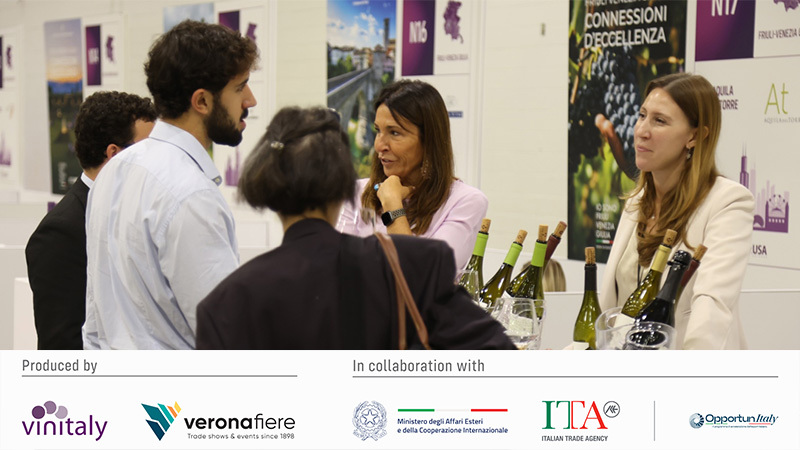
This article is proudly sponsored by the Italian Trade Agency (ITA), committed to promoting the excellence of Italian food and wine culture globally.


 Siti Muinah