

 Lina Hope
 Iffa Jayyana
 Lina Irawan
 Ammar Sabilarrohman
 Ali Ikhwan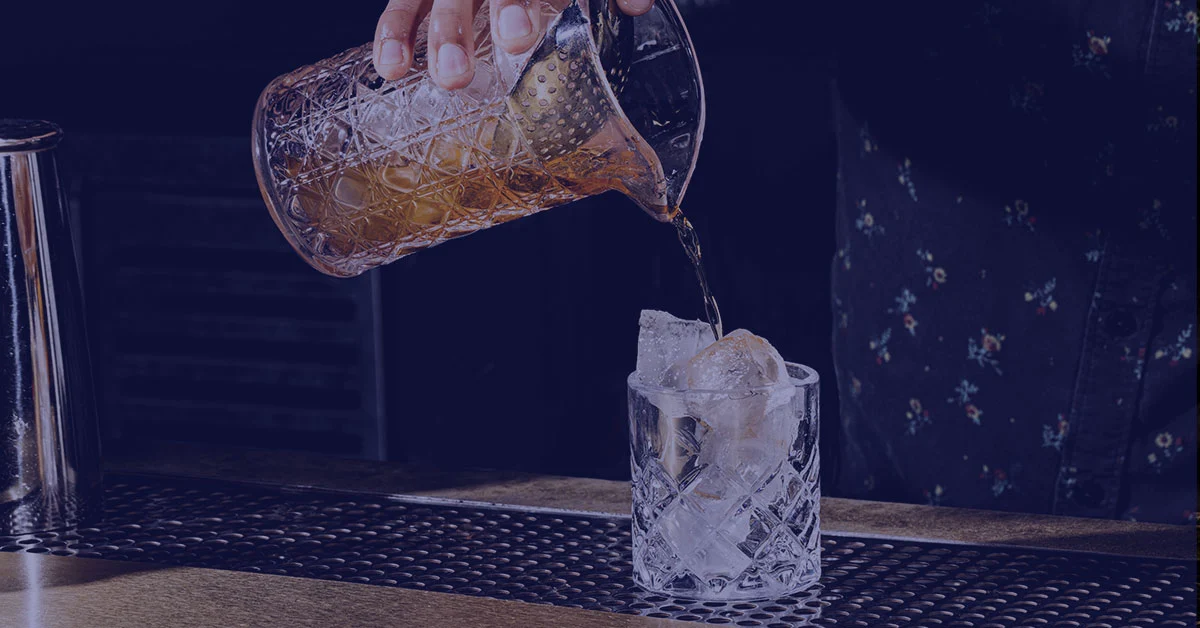
For many restaurateurs, the bar program is the financial lifeblood of an establishment—a high-margin engine that keeps the lights on and the staff paid. However, for a growing number of Indigenous chefs across North America, the decision to stock a bar is fraught with historical weight, personal trauma, and a radical commitment to decolonizing the culinary arts. As they design their menus, these chefs are forced to contend with the shadows of colonization, systemic health disparities, and the persistent, harmful stereotypes that have long categorized Native peoples as biologically or culturally susceptible to addiction.
The Intersection of Sovereignty and Spirits: Main Facts
The dilemma faced by Indigenous chefs like Zach Keeshig of Naagan in Ontario is not merely a business decision; it is an act of reclamation. When Keeshig opened his doors in 2024, he made a conscious choice to omit wine, beer, and spirits entirely. This decision is rooted in a sobering reality: alcohol-related death rates among Indigenous populations in North America remain three to five times higher than those of the general population.
For Keeshig, these statistics are not abstract. They are personal. Having lost his father to alcoholism, Keeshig views the absence of alcohol not as a limitation, but as an essential component of his mission to define what Indigenous food can be. Like processed sugar and white flour, industrialized alcohol has no place in a pre-contact Indigenous diet.
The core of the issue lies in the tension between the "cash cow" necessity of a bar program and the cultural integrity of an Indigenous restaurant. Can a chef truly honor their heritage while serving products that are historically tied to the displacement, trauma, and systematic erosion of their communities?
A History of Disruption: A Chronological Overview
To understand the current landscape, one must look at the historical trajectory of substance use in the Americas.
- Pre-Contact: For millennia, Indigenous peoples across the continent brewed fermented beverages and utilized mind-altering substances, but these were almost exclusively reserved for ceremonial or spiritual purposes. They were treated as medicine, not as recreational commodities.
- The Arrival of Industrialized Alcohol: European settlers introduced Vitis vinifera for winemaking, brought beer, and eventually industrialized the distillation of spirits. This shift transformed the relationship between humans and substances, moving from sacred use to mass consumption.
- The 19th Century: As federal governments in the U.S. and Canada forcibly removed Indigenous peoples from their ancestral lands and confined them to reservations, food sovereignty was shattered. The introduction of the reservation system created an environment of dependency and trauma that would define the next century.
- The Modern Era: Today, while most Indigenous people live in urban or suburban environments, those in tribal communities—roughly 20% in the U.S. and 40% in Canada—face significant socio-economic barriers. These include systemic poverty, lack of access to healthcare, and the pervasive effects of intergenerational trauma.
Debunking the Biological Myth
A critical barrier in public perception is the long-standing, scientifically debunked theory that Native peoples possess a "biological weakness" or "genetic predisposition" to alcohol. Historians like Michael D. Wise, author of Native Foods: Agriculture, Indigeneity, and Settler Colonialism in American History, argue that this myth serves a specific political purpose.
"Alcohol is this deus ex machina force that absolves American settlers," Wise explains. By framing the struggles of Native communities as a biological failing, the settler-colonial state shifts the blame away from the violence of displacement, the destruction of indigenous food systems, and the ongoing systemic neglect that characterizes the reservation experience.
Spero Manson, director of the Centers for American Indian & Alaska Native Health at the Colorado School of Public Health, points to the high prevalence of PTSD-qualifying events in tribal communities. With 60-70% of individuals in these areas exposed to serious trauma—ranging from physical violence to structural neglect—the issue is not one of biology, but of environment and inherited trauma.
The Spectrum of Practice: How Chefs Respond
Indigenous chefs occupy a complex spectrum when it comes to their bar programs. Some, like Inez Cook of Salmon n’ Bannock in Vancouver, adopt a strict philosophical boundary. Cook emphasizes that "we don’t mix alcohol with medicine." She reserves traditional ingredients like sage and sweetgrass for non-alcoholic mocktails, while using Indigenous ingredients like soopolallie (soap berries) to create elaborate, alcohol-free foams that provide the sophistication of a cocktail without the alcohol.
Other chefs view the bar program through the lens of market reality. Cree chef Shane Chartrand of Paperbirch in Alberta is sober himself, yet he chooses to serve local mead, beer, and wine. His reasoning is pragmatic: "I can only be as Indigenous as the world allows me to be at a dinner where people are paying $120." Similarly, Choctaw chef David Skinner of Ishtia in Texas argues that in a high-end dining environment, customers expect a standard of service that includes wine and spirits.
However, even when chefs decide to serve alcohol, they face a double-edged sword. They are expected to participate in the industry, yet they are often subjected to offensive stereotypes. Roxanne Fernandez Tiburolobo, a Chiricahua Apache Nde and Rarámuiri brewer, has noted that customers are often surprised to see a Native person involved in the production of alcohol, reflecting the persistent, paternalistic belief that Indigenous people "cannot handle" or "should not have" access to these products.
Implications for the Future of Indigenous Gastronomy
The movement to omit or reframe alcohol is part of a larger, more significant shift toward reclaiming Indigenous foodways. It is about more than just what is in the glass; it is about the revitalization of traditions, the elevation of foraged ingredients, and the assertion of sovereignty.
Chef Crystal Wahpepah of Wahpepah’s Kitchen in Oakland, California, avoids the term "alcohol-free." Instead, she highlights the "non-alcoholic" nature of her menu, focusing on the deep, ancestral knowledge of plant-based teas. By utilizing ingredients that connect guests to the land, she turns the beverage program into an educational experience that honors history rather than obscuring it.
At Naagan, Zach Keeshig takes this a step further, curating a pairing menu that rivals the complexity of a fine wine list. Using cedar tea sweetened with birch syrup, tart wild gooseberry juice, and house-made vinegar tonics flavored with bee balm, he proves that fine dining does not require alcohol to be transformative. His guests frequently express that they "didn’t miss alcohol whatsoever," confirming that the value of an Indigenous restaurant lies in the chef’s mastery of the land and their ability to tell a story that has been silenced for too long.
Conclusion: A Remarkable Resilience
To run a successful Indigenous restaurant in a world that has historically sought the erasure of Indigenous culture is, as Spero Manson suggests, an act of "strength, resilience, and survival." Whether a chef chooses to omit alcohol entirely or incorporates it with caution and care, the focus remains on the assets of their communities.
The shift toward non-alcoholic, land-connected beverage programs is not just a trend; it is a profound reclamation of health and identity. By centering Indigenous knowledge and distancing themselves from the industrialized, settler-colonial narrative of alcohol, these chefs are creating spaces that are not only financially viable but also spiritually and culturally restorative. They are proving that the future of fine dining lies in a return to the roots—both literally and figuratively—and in doing so, they are writing a new, empowered chapter in the history of North American food.


 Siti Muinah
 Nana Wu