

 Ammar Sabilarrohman
 Ali Ikhwan
 Dwi Wanna
 Neng Nana
 Siti Muinah
 Lina Irawan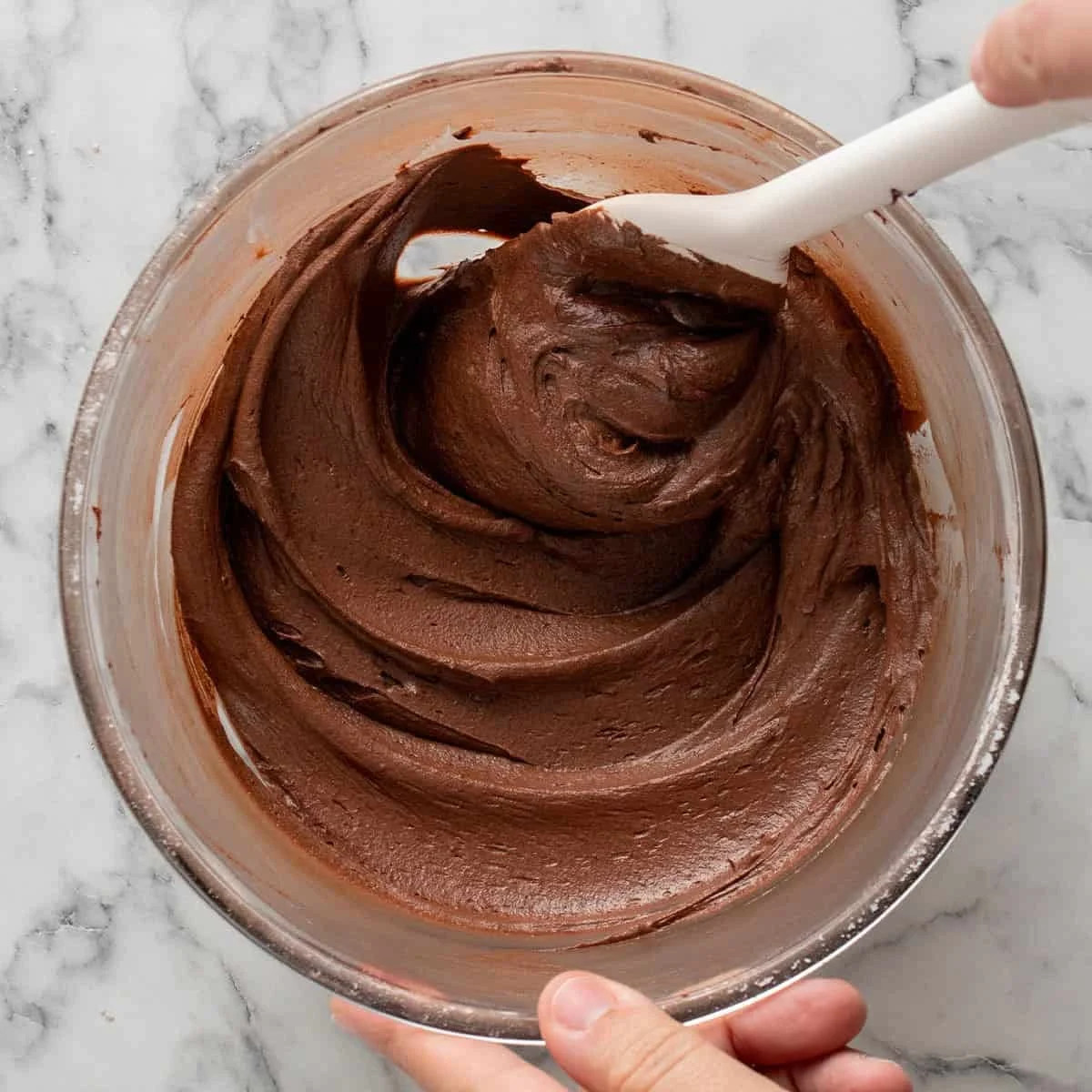
In the high-stakes world of professional pâtisserie, where precision, temperature control, and elaborate tempering techniques reign supreme, there is something remarkably refreshing about a recipe that rejects complexity in favor of pure, nostalgic satisfaction. Nick, the culinary mind behind The Scranline, has recently sparked a conversation among amateur and veteran bakers alike with his latest release: a five-minute, old-school chocolate frosting that promises to bridge the gap between convenience and gourmet quality.
This isn’t just a simple topping; it is a culinary time capsule. By stripping away the need for complicated emulsions or long resting periods, this recipe taps into a specific type of comfort that modern, social-media-driven baking often overlooks. As home bakers look for ways to elevate their weekend projects without spending an entire day in the kitchen, this frosting has emerged as a definitive solution.
The Core Concept: Efficiency Meets Nostalgia
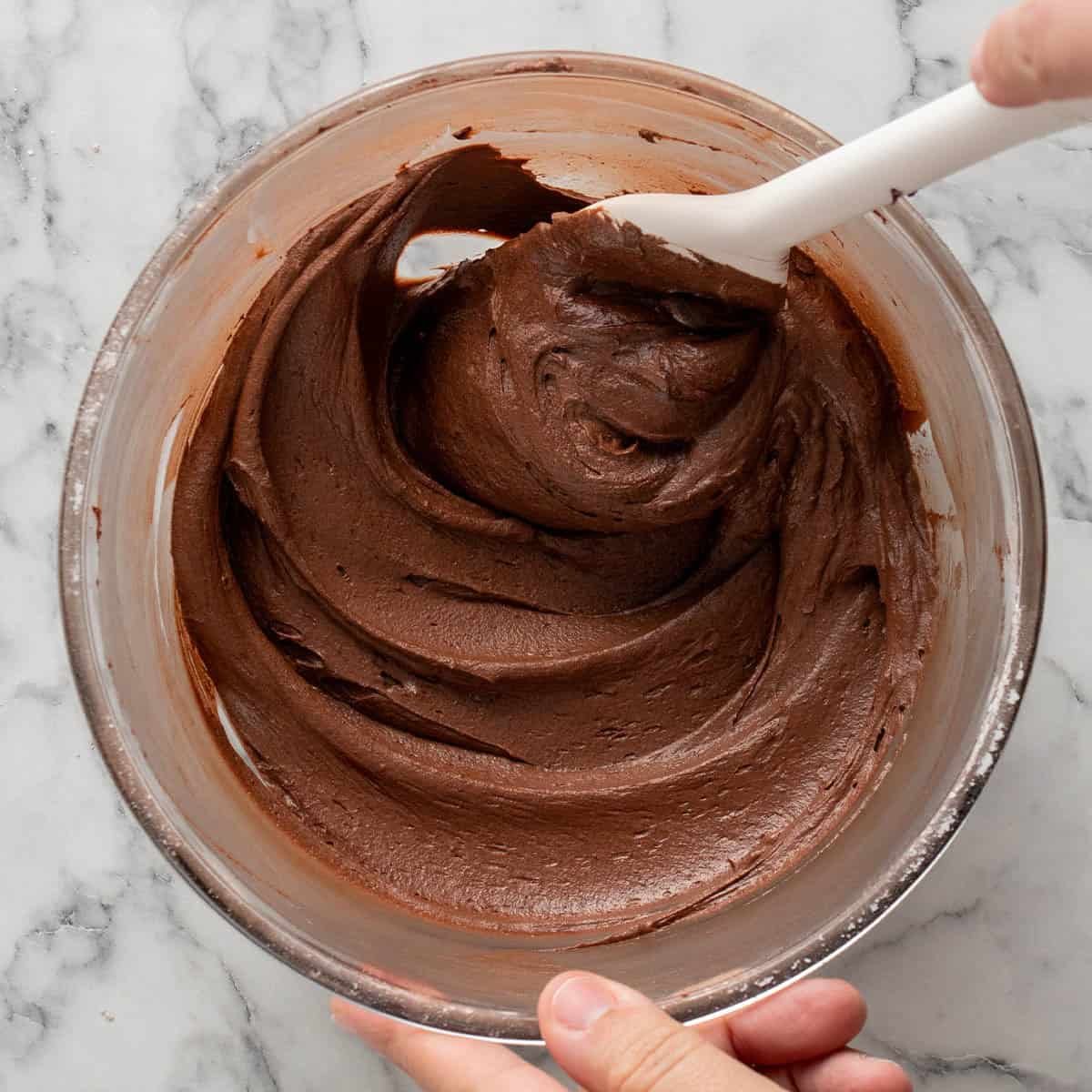
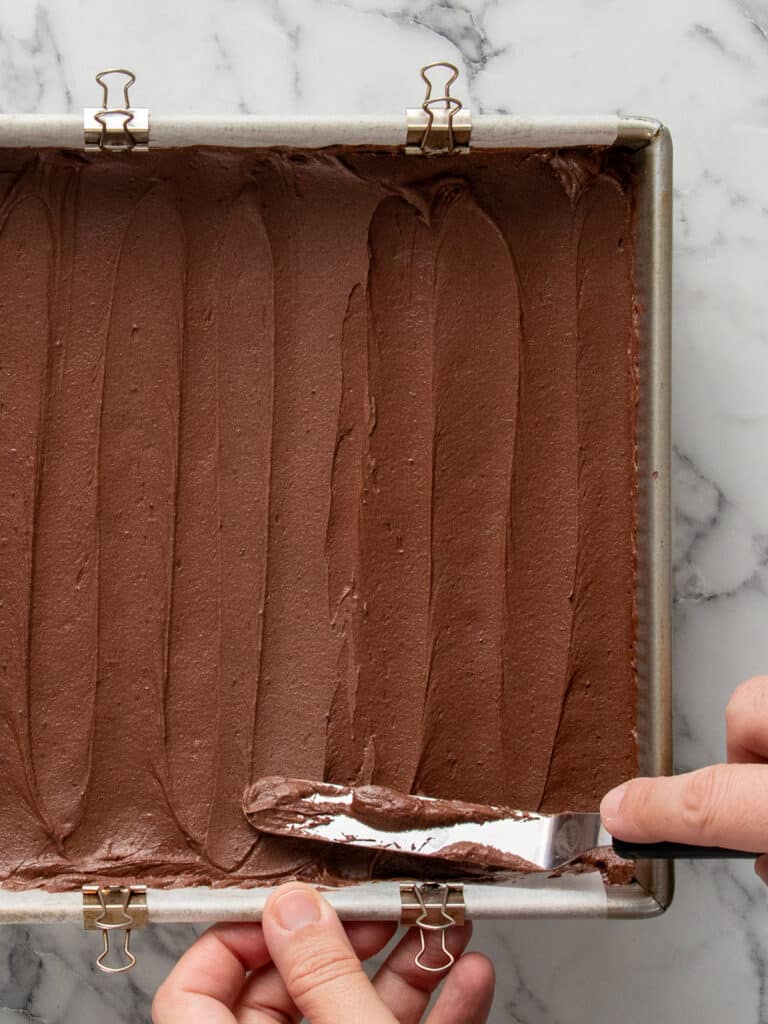
At its heart, this 5-minute chocolate frosting is an exercise in minimalism. The ingredient list is refreshingly brief, relying on pantry staples: cocoa powder, high-quality butter, and a touch of warm milk. Unlike modern Swiss meringue or Italian buttercream frostings, which require the patient whisking of egg whites over a double boiler, this recipe is designed for immediate gratification.
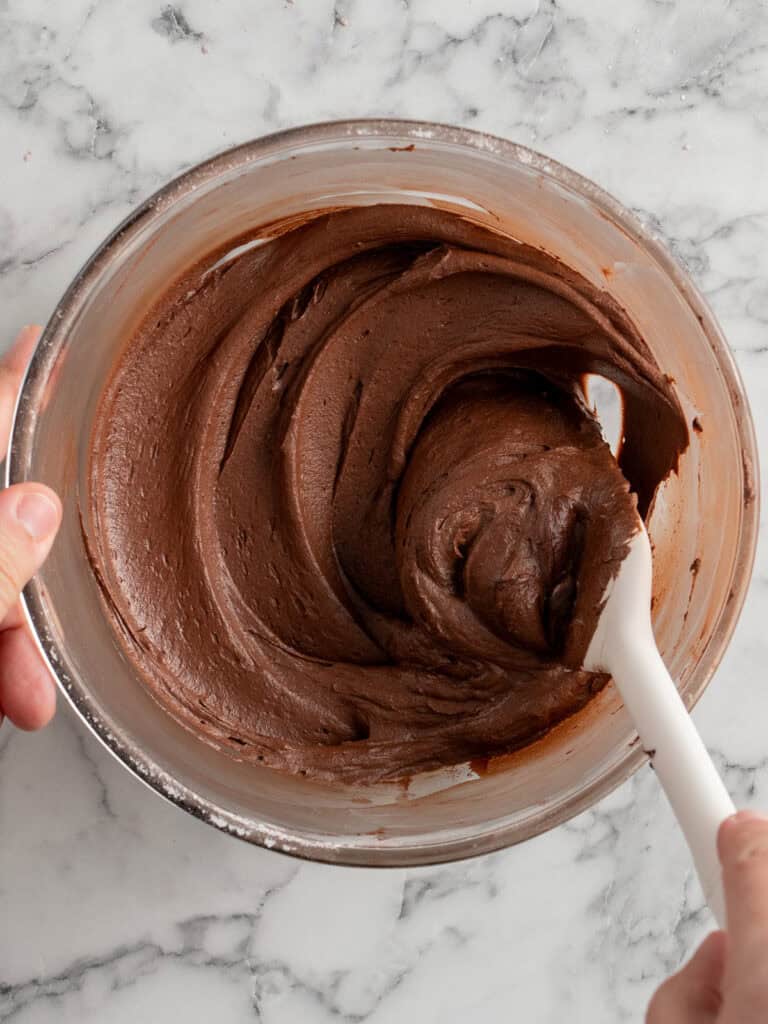
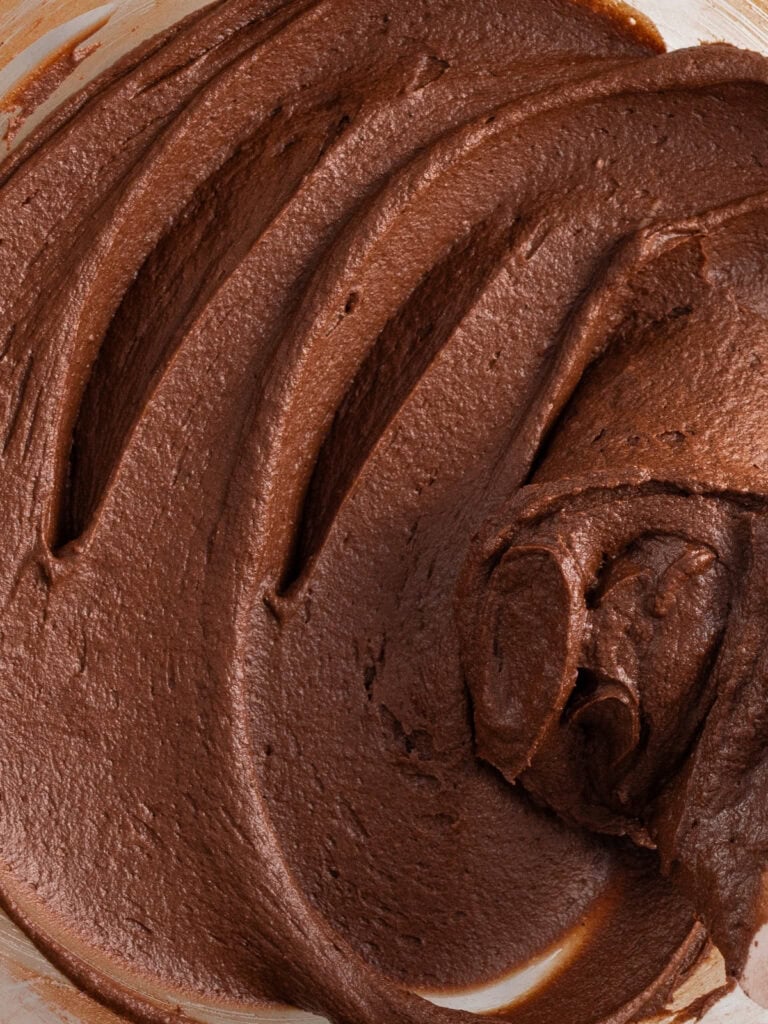
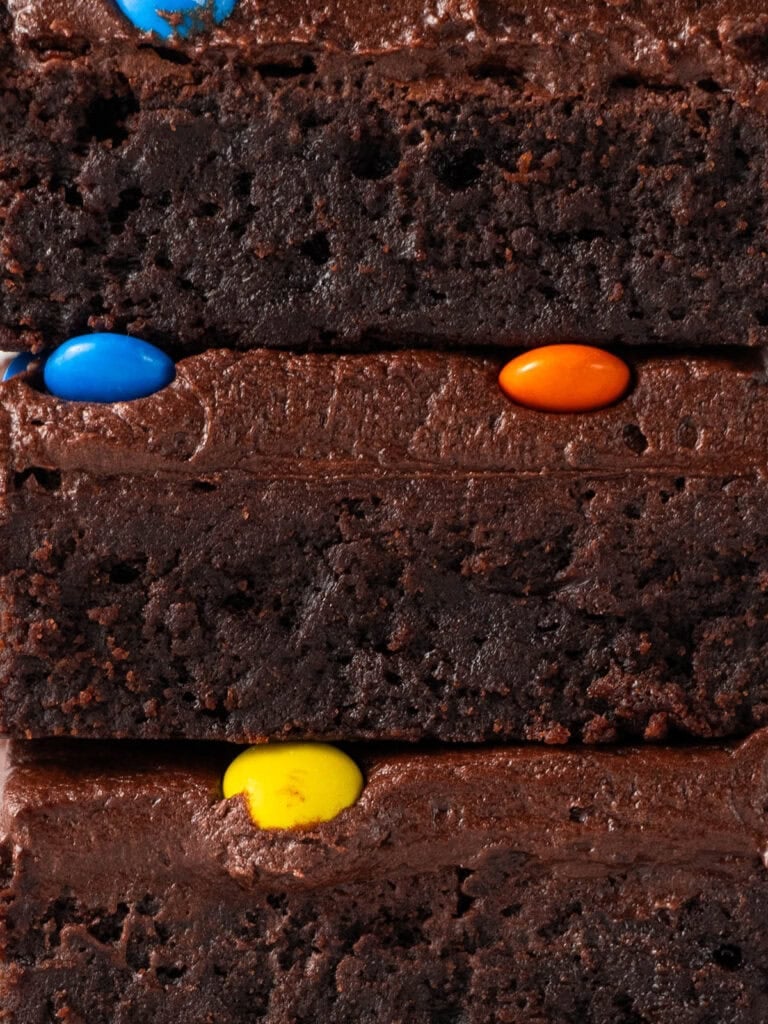
The result is a thick, spreadable, and intensely rich chocolate coating that develops a subtle, nostalgic crust—the kind of texture that many home bakers associate with childhood holiday treats and classic Yule logs. It is a departure from the "Instagram-perfect" ultra-smooth finishes, favoring instead a rustic, honest appearance that tastes like a return to a pre-internet era of home baking.
A Chronology of the Recipe’s Development
The journey of this recipe follows a trajectory of refinement. While Nick is widely known for his sophisticated Ermine frosting—a technique prized for its velvety, custard-like consistency—he recognized a recurring demand from his audience for something more accessible.
- The Concept Phase: The initial goal was to recreate the specific "set" of a traditional chocolate icing that his mother used to prepare during the holiday season.
- The Ingredient Calibration: Testing began with standard cocoa powders, though the transition to Dutch-processed cocoa was eventually solidified to ensure a deep, dark color and a robust flavor profile that could stand up to the sweetness of the sugar.
- Texture Trials: The primary hurdle was the ratio of butter to liquid. If the milk was too cool, the fat would seize; if it was too hot, the sugar would dissolve into a syrup rather than a spread. Through iterative testing, the "warm milk" technique was established as the golden rule for achieving the desired viscosity.
- Final Polish: The addition of sea salt was the final, critical step. By introducing a savory note, the recipe successfully avoided the "cloying" sweetness often associated with quick-mix frostings.
Supporting Data: The Science of the "Quick Frosting"
To understand why this recipe succeeds where others fail, one must look at the chemistry of the ingredients.
The Role of Dutch-Processed Cocoa
Dutch-processed cocoa is treated with an alkalizing agent, which reduces its natural acidity. This not only makes the chocolate flavor more profound but also affects the solubility of the cocoa particles. In a five-minute recipe, this solubility is vital; it allows the chocolate flavor to disperse evenly through the butter base without requiring extended heating or emulsification.
The Thermal Factor
The use of warm milk serves two purposes: it helps incorporate the powdered sugar into the butter without creating lumps, and it gently melts the butter just enough to create a glossy finish. This is a delicate balance. If the liquid is too hot, the mixture will break. If it is too cold, the frosting will remain grainy.
Nutrient Profile and Dietary Considerations
While this is a dessert-focused recipe, the nutritional density is significant. Per serving, the frosting contains approximately 2,379 kcal (in bulk), with 108g of fat and 338g of sugar. It is a calorie-dense topping, designed for moderation and enjoyment, emphasizing that this is a "treat" rather than a daily staple. The presence of 22g of fiber and 15g of protein, derived from the cocoa and dairy components, provides a small nutritional offset to the sugar content.
Culinary Applications: Beyond the Brownie
While the recipe is frequently paired with "Cosmic Brownies"—a nostalgic nod to 90s-era snacks—the versatility of this frosting is its greatest strength.
- Cupcake Foundations: Because the consistency is thick, it holds its shape well, making it ideal for piping onto chocolate or vanilla cupcakes.
- The "Messy" Aesthetic: As noted in the development notes, the recipe is designed to look best when it isn’t perfect. Slicing the frosted dessert at room temperature creates a slightly messy, soft edge that highlights the creaminess of the frosting.
- Kids’ Baking Projects: Given the low barrier to entry, it serves as an excellent introduction to baking for children, teaching the basics of folding, whisking, and ingredient ratios without the risk of over-mixing or temperature-sensitive failure.
Official Guidance on Technique and Storage
For those looking to achieve the best results, the author provides specific "pro-tips" that differentiate a successful batch from a mediocre one:
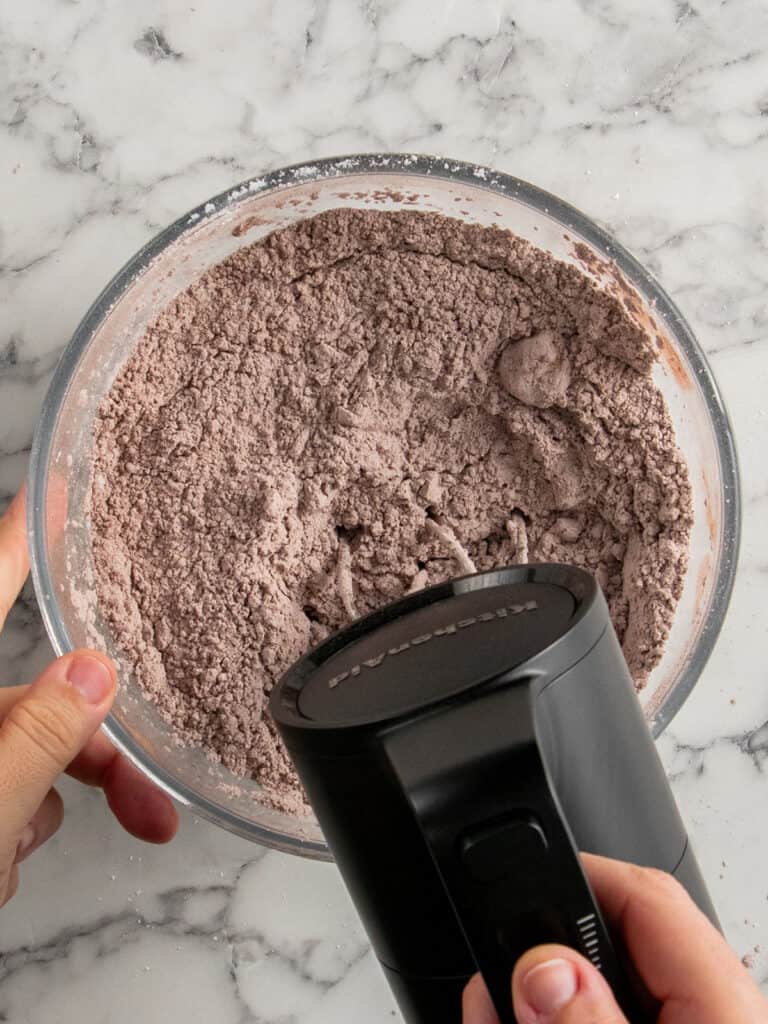
- The Spatula vs. Electric Mixer: While a hand-held electric mixer is recommended for maximum fluffiness, the recipe is entirely achievable with a rubber spatula. The trade-off is simply a denser, more "fudgy" texture, which many purists actually prefer.
- Softened Butter Parameters: The butter should be soft enough to yield to pressure but firm enough to retain its structural integrity. If the butter is too soft (approaching the point of melting), the frosting will lose its ability to hold a peak.
- Storage Protocols: This frosting is best consumed fresh. However, if leftovers remain, it can be stored in an airtight container at room temperature for up to two days. If the frosting stiffens, a quick, vigorous re-whipping will restore its original, glossy texture.
Implications for the Home Baking Community
The popularity of this recipe highlights a shift in the broader culinary landscape. After years of the "perfectionism movement"—where bakers were encouraged to create gravity-defying cakes and mirror-glazed entremets—there is a palpable appetite for "low-stakes" baking.

This 5-minute frosting represents a democratization of the kitchen. It removes the intimidation factor that often keeps people from baking from scratch. When a user can produce a high-quality, professional-tasting frosting in less time than it takes to visit a grocery store, the barrier to creating homemade memories is significantly lowered.
Furthermore, it reinforces the value of the "community rating" system. By encouraging users to leave star ratings and share their own photos, the creator is fostering a digital ecosystem where baking is viewed as a collaborative, ongoing experiment. The, "let the cuts be messy" philosophy is more than just a stylistic choice; it is an invitation for bakers to stop striving for perfection and start enjoying the sensory experience of the food they create.
In conclusion, this 5-minute chocolate frosting is a masterclass in efficiency. It proves that culinary excellence does not always require hours of labor or complex equipment. Sometimes, the most memorable results come from a simple combination of good-quality ingredients, a bit of patience, and a willingness to embrace the imperfect, delicious, and nostalgic qualities of a true homemade treat. Whether you are frosting a tray of cosmic brownies or a simple vanilla cake, this recipe is a reliable addition to any baker’s repertoire, ensuring that the joy of baking remains as accessible as it is delicious.

 Nana
Nana
 Basiran
