Lina Irawan
 Lina Hope
 Rifan Muazin
 Neng Nana
 Jia Lissa
 Layla Zulfa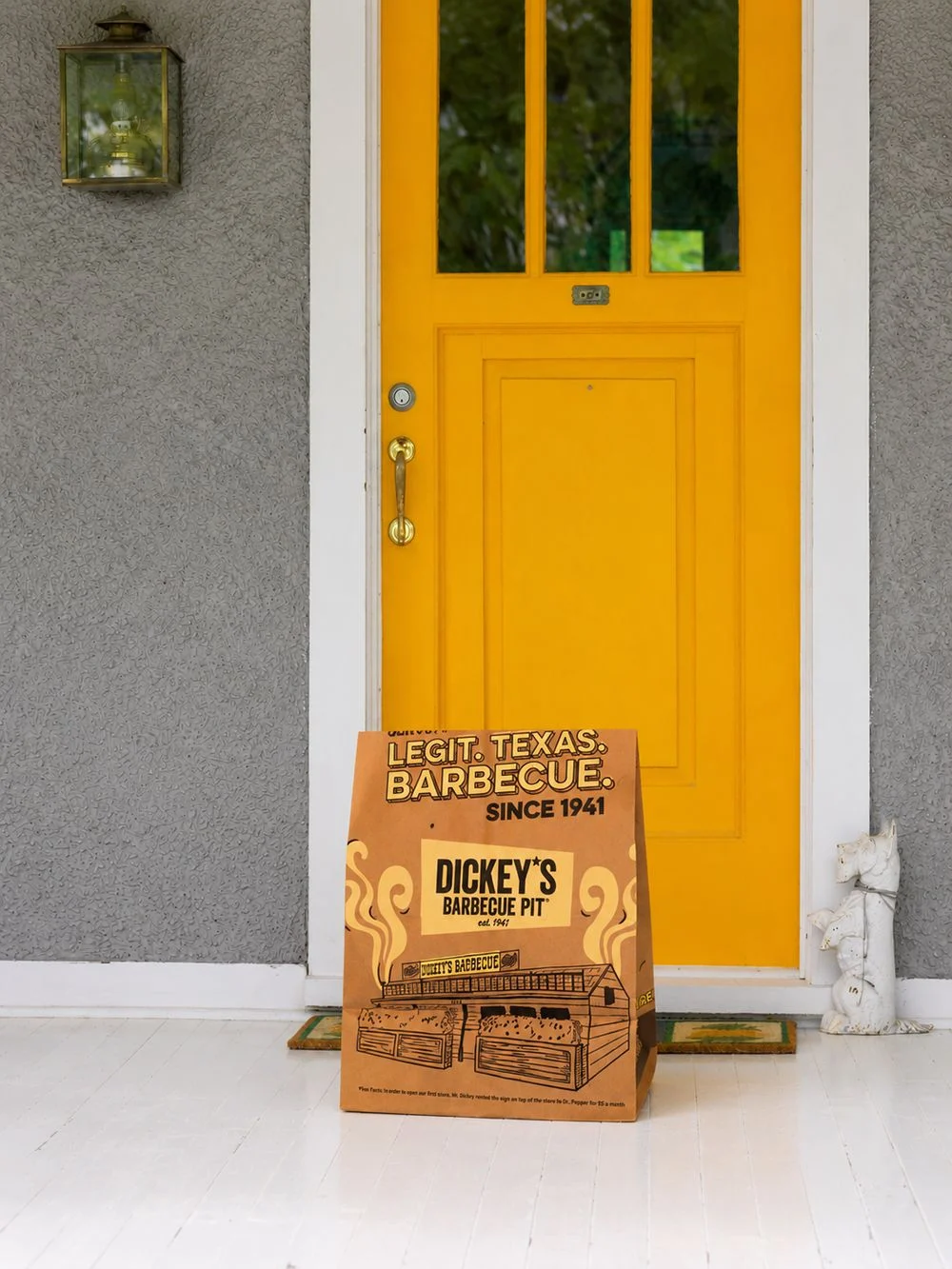
The landscape of American dining is undergoing a seismic shift, moving away from traditional brick-and-mortar footprints toward agile, tech-driven models. Nowhere is this more evident than in the heart of the Rio Grande Valley, where Dickey’s Barbecue Pit—the world’s largest barbecue franchise—has officially inaugurated a cutting-edge, digital-first location in McAllen, Texas.
Opening its doors on Tuesday, October 27, this new venture represents a strategic evolution for the 85-year-old brand. By embedding itself within the Cambria Hotel at 701 S. Ware Road, Dickey’s is moving beyond the conventional restaurant layout to meet the demands of a mobile-first, convenience-oriented consumer base.
The Strategic Shift: A New Model for Authentic Barbecue
The decision to open a "non-traditional" location in McAllen is not merely a logistical choice; it is a calculated response to the changing habits of modern diners. As urban density increases and the demand for instant gratification via delivery apps grows, established chains are finding that their traditional expansive dining rooms may no longer be the most efficient way to serve their communities.
Owned and operated by O’Reilly Hospitality Management, LLC, the McAllen location functions as a high-velocity hub designed specifically for online ordering, off-premise consumption, and large-scale catering. By utilizing the existing infrastructure of the Cambria Hotel, the partnership optimizes operational costs while maintaining the high standards of "Legit. Texas. Barbecue." that the brand has cultivated since its founding in 1941.
"We’re excited to share Dickey’s with the Rio Grande Valley and serve the McAllen community," said Tim O’Reilly of O’Reilly Hospitality Management, LLC. "Dickey’s has always been about bringing people together over great barbecue, and this location allows us to do that in a way that’s fast, convenient, and perfect for feeding families, businesses, and events of all sizes."
Chronology of a Legacy: From Dallas to the Rio Grande Valley
To understand the weight of this opening, one must look at the historical trajectory of the Dickey’s brand. Founded in 1941 by World War I veteran Travis Dickey, the original Dallas location served as a modest outpost for authentic, pit-smoked meats. Over the ensuing eight decades, the brand weathered the evolution of the American food industry, growing from a single Texas storefront into a global powerhouse.
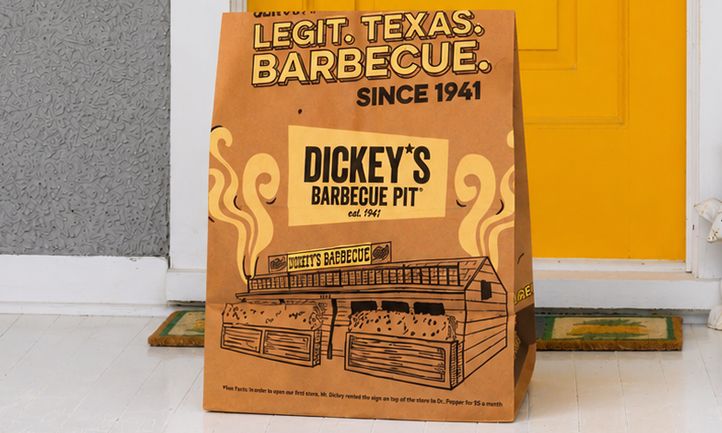
- 1941: Travis Dickey opens the first Dickey’s Barbecue Pit in Dallas, Texas, focusing on low-and-slow wood-fired techniques.
- 1994: The brand begins its aggressive expansion into the franchising model, allowing the concept to scale across the United States.
- 2020s: The brand pivots heavily toward digital integration, including the development of a proprietary app and deep integration with third-party delivery platforms.
- October 2026: The McAllen "digital-only" location launches, marking a milestone in the company’s efforts to modernize its footprint through non-traditional real estate partnerships.
This timeline reflects a brand that has successfully bridged the gap between old-world culinary traditions and the digital age. By refusing to compromise on the smoking process while simultaneously embracing the technological demands of 2026, the brand has remained relevant across generations.
Supporting Data: Why Digital-Only Matters
The move to a digital-only or "non-traditional" location is backed by significant industry trends. According to recent market analysis in the quick-service restaurant (QSR) sector, off-premise dining—which includes delivery, drive-thru, and takeout—now accounts for over 60% of total industry revenue.
For a brand like Dickey’s, the advantages of this shift are twofold:
- Operational Efficiency: By removing the requirement for a traditional dine-in floor plan, the franchise reduces overhead costs related to seating, maintenance, and front-of-house staffing. This allows the business to focus its resources on high-quality labor—the pitmasters who manage the smokers.
- Market Penetration: Non-traditional locations, such as those found in hotels, convenience stores, or ghost kitchens, allow the brand to enter high-traffic areas where full-sized restaurants would be physically impossible or prohibitively expensive to build.
The McAllen location operates daily from 11 a.m. to 9 p.m., providing a consistent window for both lunch rushes and evening dinner orders. By leveraging platforms like Uber Eats, DoorDash, and ezCater, the location ensures that its menu—ranging from slow-smoked brisket and pulled pork to their signature homestyle sides—is accessible to the entire McAllen metropolitan area.
The "No B.S." Philosophy: Maintaining Quality at Scale
One of the primary concerns when a brand expands its digital presence is the potential dilution of quality. However, Dickey’s has doubled down on its "No B.S. (Bad Stuff)" pledge. The company maintains that even in a digital-first, high-speed environment, the core pillars of their product must remain intact:
- Wood-Fired Smoking: All meats are smoked on-site using real hickory wood.
- Quality Ingredients: A commitment to clean labels and the avoidance of artificial preservatives or synthetic additives.
- The Big Yellow Cup: A cultural icon that remains the centerpiece of the customer experience, whether the meal is enjoyed at home or in an office boardroom.
The catering arm of the business is particularly robust in this new location. By utilizing the catering hotline (+1-866-227-2328), local businesses in McAllen can order bulk quantities of meats and sides, simplifying the logistics for large corporate luncheons and community gatherings.

Implications for the Rio Grande Valley and Beyond
The opening of this location has profound implications for the local economy and the broader restaurant industry.
Economic Impact
For McAllen, the presence of a well-known, established brand like Dickey’s—even in a digital capacity—signals a healthy environment for franchise investment. It creates local jobs and integrates the supply chain with local vendors, while providing a reliable food source for the growing population of the Rio Grande Valley.
The "Ghost" Trend
Industry analysts are watching the McAllen project closely. If this location proves successful in maintaining the brand’s reputation for quality, it is likely that O’Reilly Hospitality Management and other franchisees will look to replicate this model in other hotel and non-traditional sites across the country. The "digital-only" shift is no longer just a trend for small startups; it is a survival mechanism for established giants.
Future Outlook
As we look toward the end of the decade, the integration of AI-driven ordering, automated kitchen workflows, and hyper-local delivery logistics will likely become the standard for the barbecue industry. Dickey’s is effectively future-proofing itself by ensuring that its brand identity—rooted in 1941—is compatible with the technological infrastructure of the 2030s.
How to Engage with the New Location
For the residents of McAllen, the new era of barbecue is just a few taps away. The brand encourages guests to utilize their mobile app, which offers rewards and streamlined ordering.
- Ordering Channels: Customers can order directly via Dickeys.com or the official mobile app, available on the Apple App Store and Google Play.
- Third-Party Platforms: For those already integrated into the delivery ecosystem, the location is active on Uber Eats, DoorDash, and ezCater.
- Community Engagement: The brand continues to foster its community presence through its active Facebook and Instagram channels, where they highlight local promotions and menu updates.
By balancing the heavy, smoky heritage of Texas barbecue with the rapid-fire pace of the modern digital landscape, the new McAllen location is more than just a place to buy a meal—it is a blueprint for the future of the American restaurant industry. As the pits continue to smoke at 701 S. Ware Road, the residents of the Rio Grande Valley are invited to experience a legacy that has survived, evolved, and thrived for 85 years.


 Iffa Jayyana