Lina Irawan
 Lina Hope
 Rifan Muazin
 Neng Nana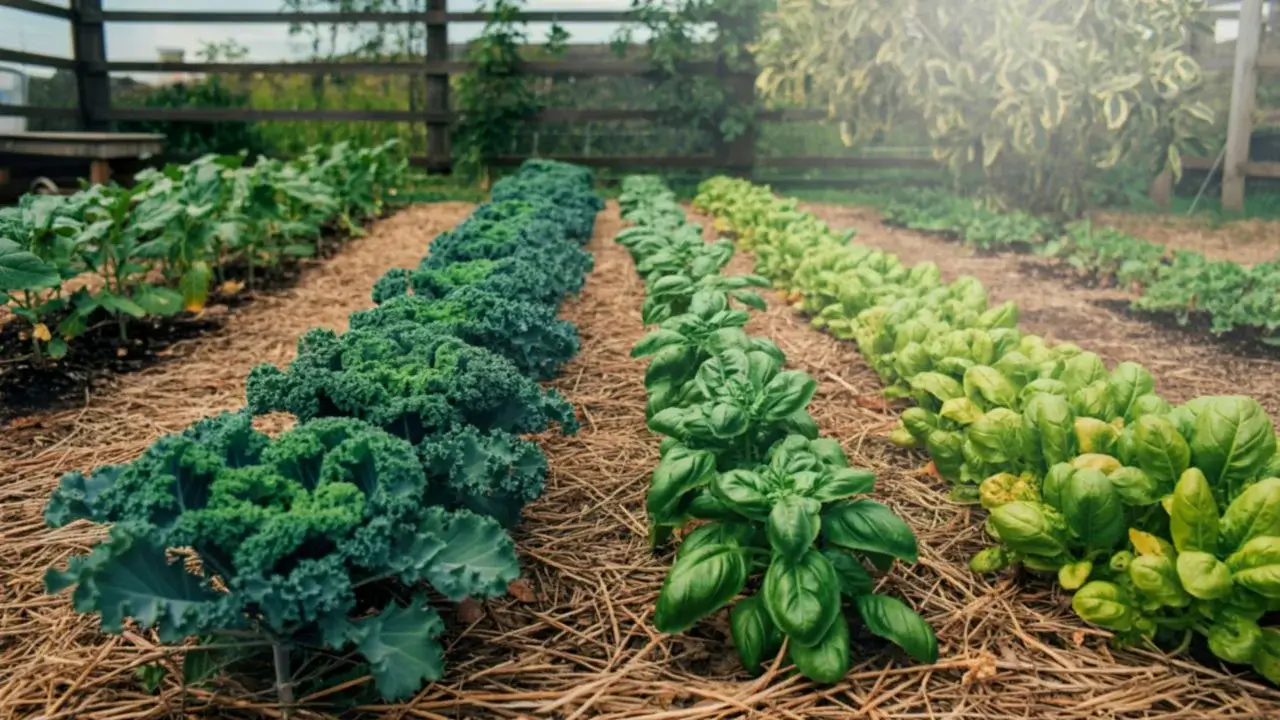
 Jia Lissa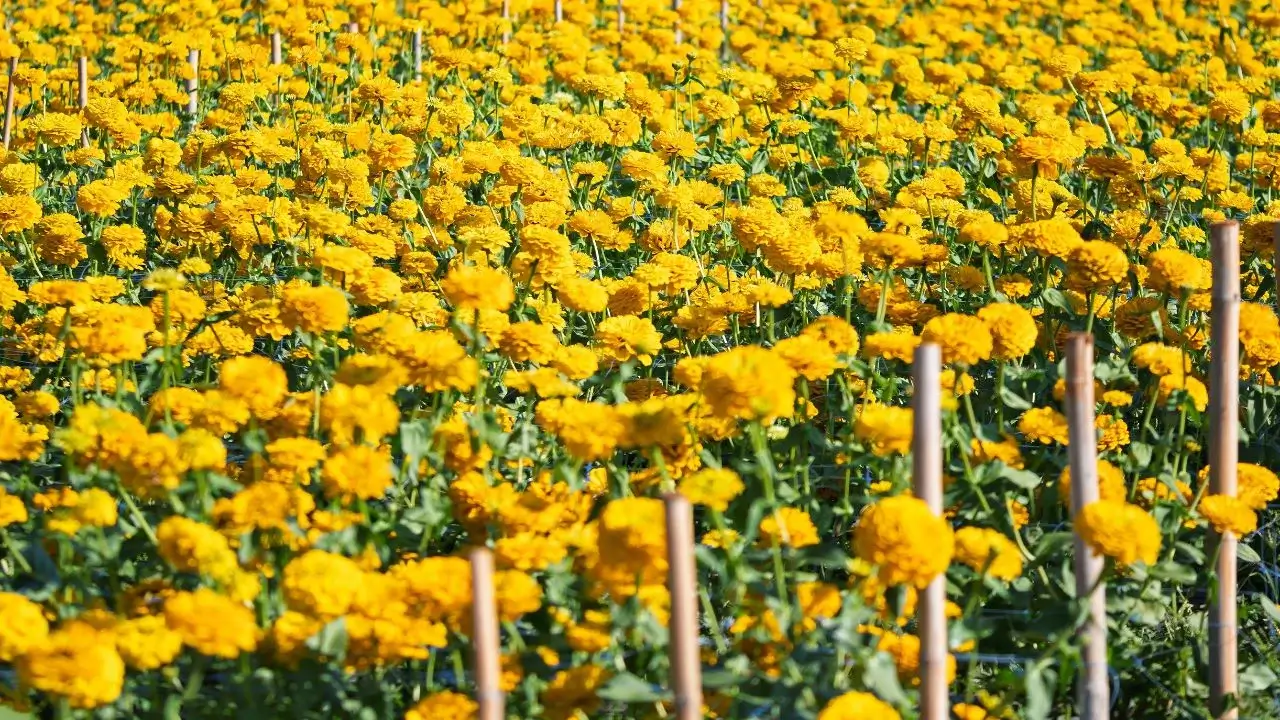
As the frost recedes across the North American landscape, the month of May emerges as the definitive pivot point for farmers and homesteaders alike. It is a period defined by transition, where the urgency of the spring planting window meets the strategic foresight required for a successful autumn harvest. Whether you are managing a sprawling commercial operation or a specialized market garden, May offers a unique opportunity to calibrate your crop selection based on regional climate, market demand, and soil readiness.
While environmental conditions—such as day length, soil temperature, and the risk of late-season frost—remain the primary determinants of what can be sown, modern agricultural techniques have expanded these boundaries. Through the use of season-extension tools like high tunnels, row covers, and cold frames, growers are now able to push the limits of their growing zones. However, success in May requires more than just good weather; it demands a disciplined approach to timing, variety selection, and an openness to calculated experimentation.
Main Facts: The Strategic Importance of the May Window
May is not merely another month in the agricultural calendar; it is the "make-or-break" period for the upcoming production cycle. For growers in warmer climates, this is the prime time to establish heat-loving crops that will define the mid-summer harvest. Conversely, for those in regions with shorter growing seasons, May serves as the essential window to get long-duration crops into the ground before the soil fully warms and the clock toward the first fall frost begins ticking.
The primary objective for any farmer during this time should be twofold: maximizing yield for the market and ensuring the health of the soil through thoughtful rotation. According to agricultural extension services, the decision to plant in May should be governed by a "Market-First" philosophy—focusing on high-value, historically successful crops—balanced against the "Innovation" philosophy, which involves dedicating a small portion of acreage to experimental varieties to test market resilience and local adaptability.
Chronology of the Planting Season
To understand the rhythm of May, one must look at the progression of the season. The month is generally divided into three distinct phases:
- Early May (The Transitional Phase): As the last frost dates pass in many temperate zones, the focus is on hardy transplants and cool-season direct sowings. This is the time for final preparation of irrigation systems and soil amending.
- Mid-May (The Warm-Season Shift): As soil temperatures consistently rise above 60°F (15°C), the risk of cold-shock to sensitive crops diminishes. This is the optimal window for the majority of summer-fruiting vegetables.
- Late May (The Establishment Phase): As we move toward June, the focus shifts to succession planting—ensuring a continuous harvest by staggering seeds for crops like beans, squash, and fast-growing greens.
Essential Crops for May
The following list represents the cornerstone crops for a successful May planting schedule, categorized by their specific needs and environmental requirements.
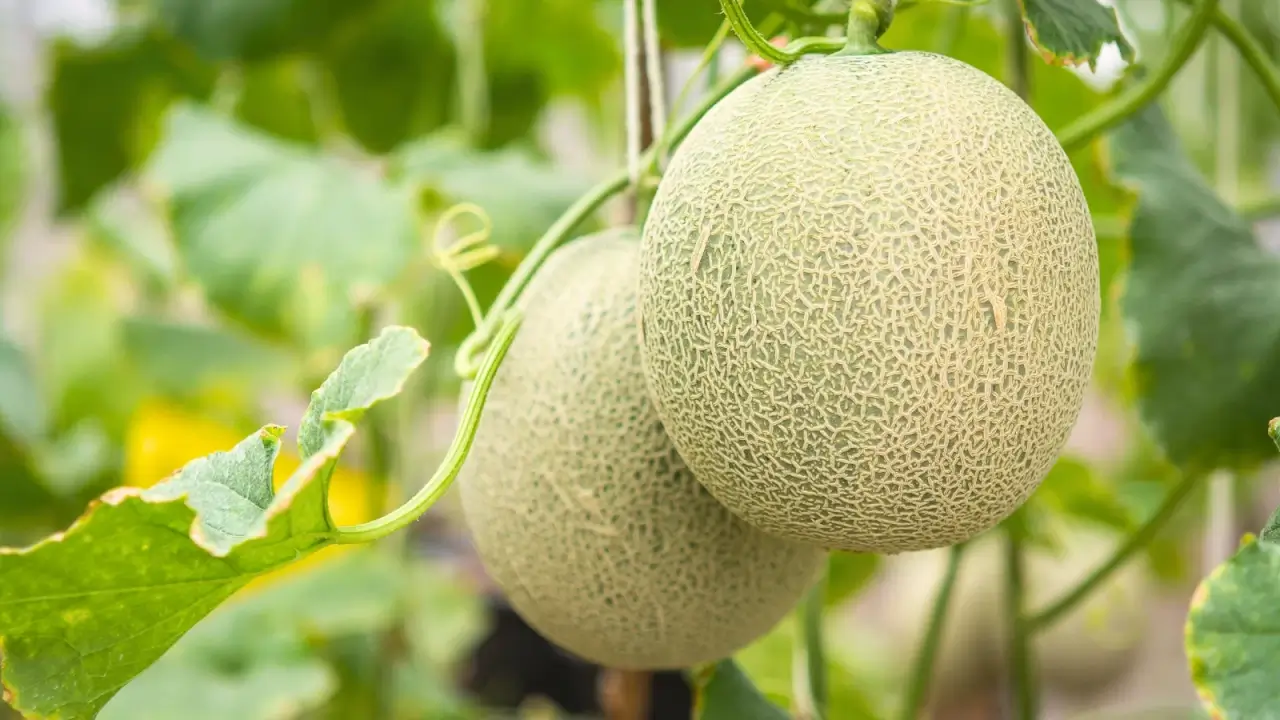
Melons: The Sun-Seekers
Cantaloupe, watermelon, and honeydew are the crown jewels of the summer harvest. These crops thrive in regions with high solar radiation and consistent heat. To ensure success, farmers should provide ample space for vine growth, either on sturdy trellises or sprawling across nutrient-rich, well-drained soil. A consistent feeding schedule—utilizing a diluted, balanced fertilizer every 7 to 10 days—will significantly bolster fruit production. Watermelons, in particular, favor sandy soils and can tolerate wind-exposed coastal areas, making them an excellent choice for farms in these unique microclimates.
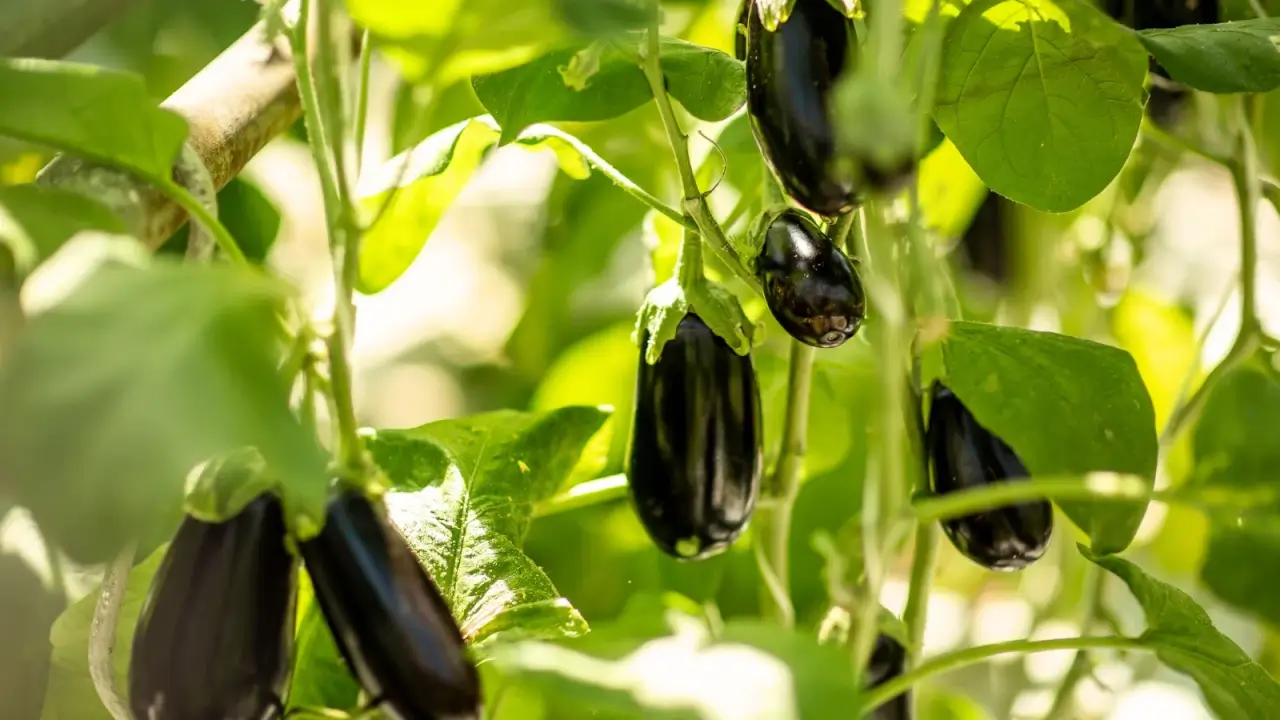
Eggplant: The Solanaceous Staple
Eggplants demand a stable, warm environment. Unlike direct-sow crops, these are best established through robust transplants. Requiring approximately 75 to 90 days to reach maturity, they should be moved to the field as soon as the danger of frost has fully passed. Variety selection is critical: for high-yield operations, the "Epic" variety is renowned for its productivity, while "Nadia" is a reliable producer for larger fruits. For regions that experience temperature fluctuations, "Orient Express" and "Elondo" offer the necessary resilience to perform even when conditions fall slightly below the ideal 75–85°F (24–29°C) range.
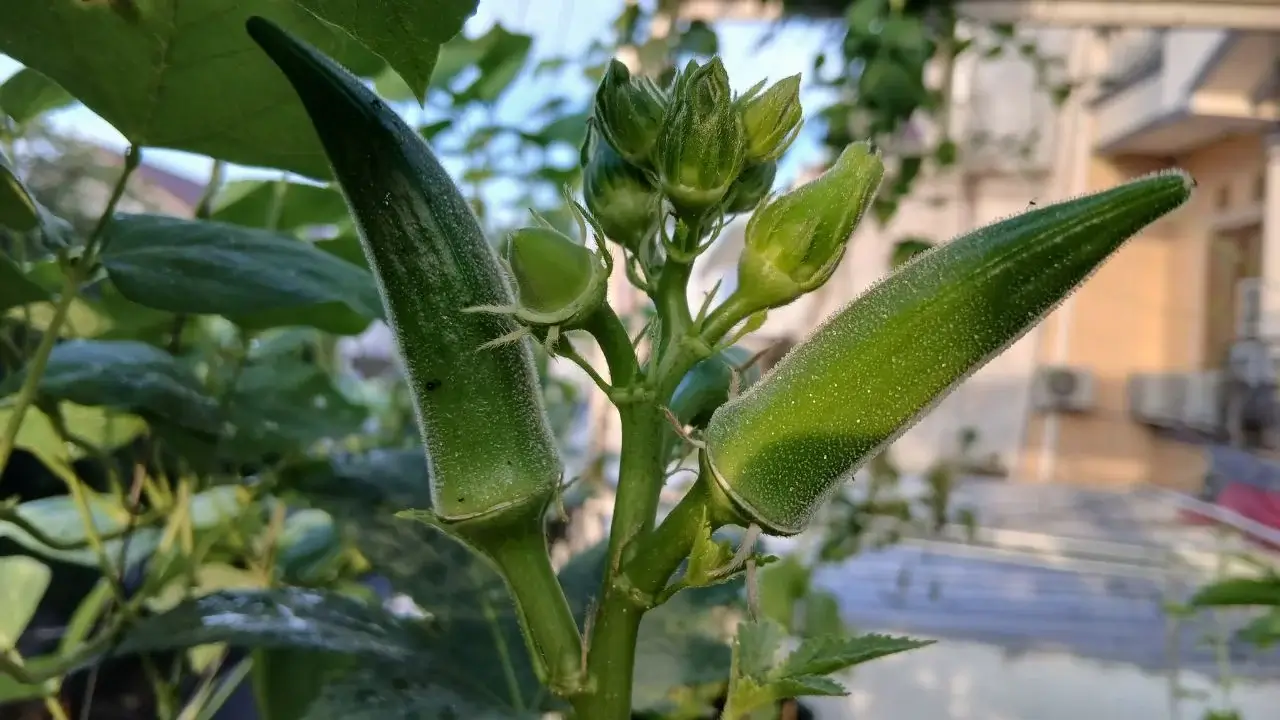
Okra: The Heat-Loving Powerhouse
Often overlooked in northern regions but essential in the South, okra is a champion of the heat. It is a crop that appreciates long, sweltering summers. For the busy farmer, selecting a spineless variety such as "Clemson Spineless 80" is a strategic decision that saves time during the high-frequency harvest periods. Because okra is a heavy producer, it is highly recommended to have a clear plan for your market stand or preservation methods to avoid supply bottlenecks.
Corn: The Foundation of the Field
Growing corn is a commitment to both space and time. Whether you are planting sweet corn for the fresh market, dent corn for high-quality cornmeal, or decorative flint varieties, you must account for a growing season of at least 75 to 90 days. The key to successful corn cultivation is the selection of open-pollinated or heirloom varieties, which preserve the genetic legacy of the plant and often offer superior flavor profiles compared to mass-market hybrids.
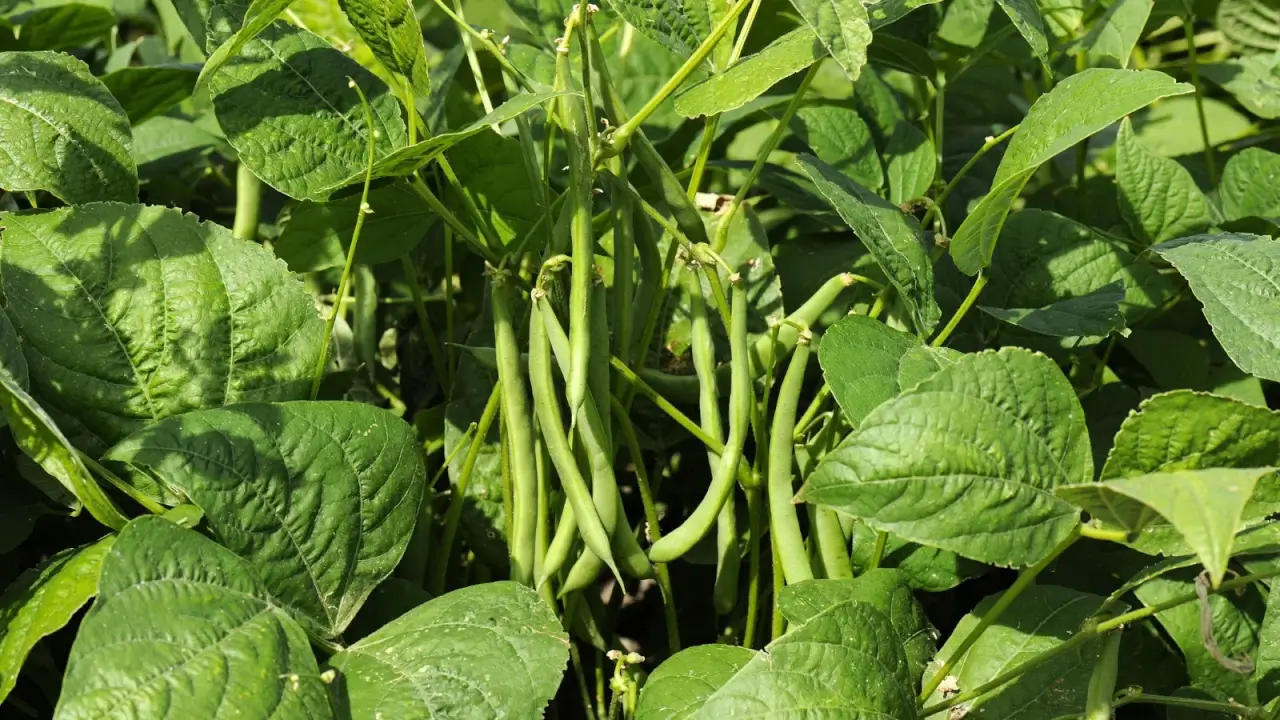
Beans: The Diversity Producers
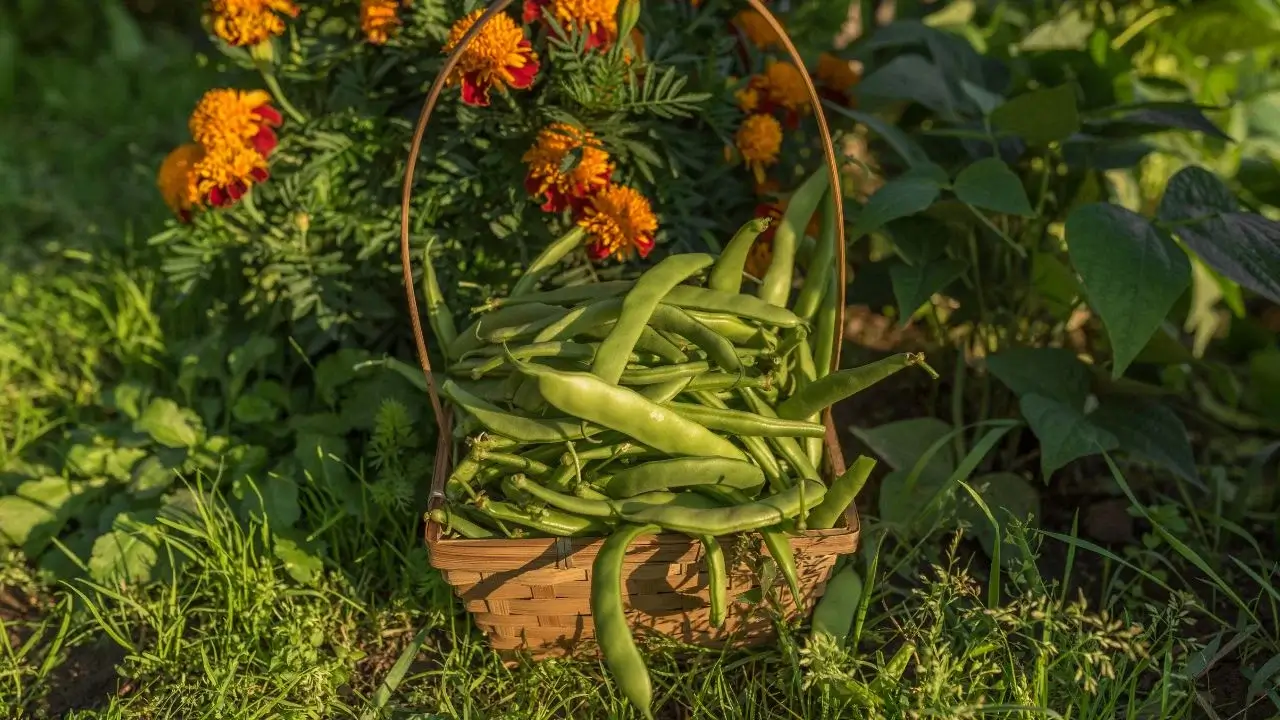
Beans offer an incredible range of adaptability. In cool-summer regions, fava beans are an early-season staple. In hotter, more arid climates, farmers are increasingly looking toward indigenous varieties like the tepary bean, which has been cultivated for centuries in the Southwest. These beans are masterfully adapted to low-water conditions and high diurnal temperature swings, proving that looking toward traditional agricultural wisdom is a viable strategy for modern resilience.
Supporting Data and Technical Considerations
Data from regional agricultural extension programs consistently show that soil temperature is a more accurate indicator for planting than the calendar date. For instance, while a farmer might be tempted to plant squash in early May, if the soil remains below 65°F, the seeds are likely to rot before germinating.
Furthermore, the integration of flowers into the vegetable garden is not merely an aesthetic choice; it is a critical component of Integrated Pest Management (IPM). Sunflowers, zinnias, and marigolds act as beacons for beneficial pollinators and predatory insects that control aphid and mite populations. Integrating these flowers into your May planting map will yield dividends in fruit set and overall crop health.
Implications for the Modern Farmer
The decision-making process in May has significant implications for the farm’s bottom line. By diversifying crop selection—mixing established high-yield varieties with experimental, niche, or heirloom options—a farmer builds a "resilience portfolio."
- Economic Resilience: Planting crops that cater to specific market demands (such as unique heirloom beans or specialty eggplants) allows for higher price points at the market stand.
- Environmental Resilience: By utilizing native or drought-tolerant varieties (like tepary beans or sorghum), farmers can reduce their dependency on intensive irrigation and synthetic inputs.
- Educational Resilience: Every year, a portion of the farm should be treated as a living laboratory. A failed experiment with a new crop is still a success if it provides data on soil suitability and regional climate performance for the following year.
Conclusion: Looking Ahead
As we navigate through May, the farm is a site of intense activity and potential. The crops established now will form the backbone of the summer and early fall income. By adhering to the principles of proper variety selection, soil temperature monitoring, and a commitment to both traditional and modern techniques, growers can ensure that their efforts in May translate into a season of abundance. Whether you are perfecting your trellis system for melons or experimenting with ancient grains like amaranth, the work done this month is the foundation of a resilient and sustainable future.
Remember that the farm is a dynamic system. Even as you plant, be prepared to observe, adapt, and learn. The most successful farmers are not those who follow a rigid schedule, but those who listen to the needs of their land and the shifts in the climate, ensuring that every seed planted in May has the best possible chance to thrive.

 Sagoh
Sagoh