
 Suro Senen
 Nila Kartika Wati
 Asro
Asro
 Layla Zulfa
 Evan Lee Salim
 Raul Delapena Setiawan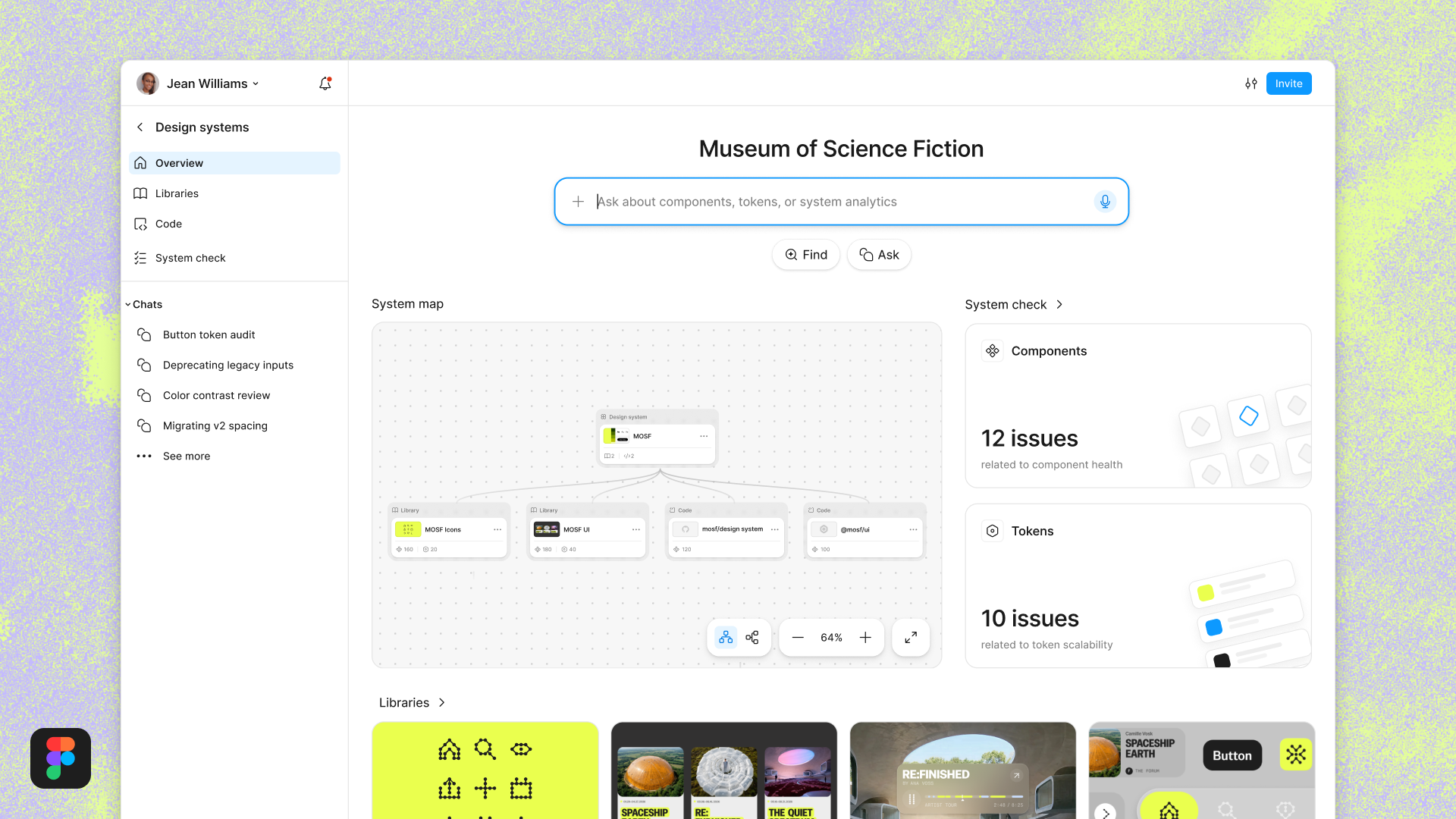
At its inaugural Config event in India, design powerhouse Figma unveiled a suite of transformative tools designed to redefine the relationship between creative intent and technical execution. As the platform pivots to meet the demands of an AI-driven era, it is focusing on "deterministic design"—a methodology that aims to tame the unpredictable nature of generative AI by grounding it in rigorous design systems.
With the launch of Figma Specs, the introduction of public beta access for Code Layers, and a deepened integration with the Payload headless CMS, Figma is positioning itself not just as a design tool, but as the central nervous system for modern software development.
The Core Innovation: Figma Specs and Deterministic Design
The headline announcement from the India event is the introduction of Figma Specs. Recognizing that AI models often hallucinate or deviate from established brand guidelines, Figma has introduced a Markdown-based editor that acts as a "source of truth."
Defining the Design Language
Figma Specs allows teams to document their design language in a clear, structured format. Unlike static documentation stored in external wikis or PDFs, Specs lives directly within the Figma ecosystem. It can function as a standalone file or sit alongside the canvas, ensuring that developers, designers, and AI agents are always aligned.
A Centralized Hub for Context
The power of Specs lies in its connectivity. Users can reference specific canvas elements, embed FigJam diagrams, and integrate code layers directly into the documentation. By creating a centralized repository for design libraries and code guidelines, companies can provide their AI agents with the specific constraints required to produce output that adheres strictly to brand rules. This, in effect, serves as a "guardrail" for generative AI, transforming it from a wild-card tool into a predictable production partner.
Chronology: A Year of Aggressive Expansion
Figma’s journey toward this integration-heavy ecosystem has been marked by a series of deliberate, strategic milestones throughout 2025 and 2026.

- June 2026: Figma first introduced "Code Layers" in a private beta, signaling a desire to move deeper into the developer workflow. This feature allowed designers to inject code directly into their designs, creating highly interactive, production-ready prototypes.
- Late 2025: Marking a major geographic commitment, Figma opened its first office in India, establishing dedicated sales, partnership, and product support teams to capture the booming local market.
- Throughout 2026: The company accelerated its AI agent rollout, gradually opening its "agent on canvas" functionality to a wider user base.
- October 2026 (Present): At Config India, the company pushed Code Layers into public beta and debuted Figma Specs, while simultaneously expanding its Model Context Protocol (MCP) support to include over 20 third-party tools, including Open Code, Dia, Grok Bot, and the Indian AI startup, Sarvam.
The "Build vs. Ship" Disconnect: Data-Driven Insights
To understand why these tools are necessary, one must look at the data provided by Figma’s leadership. Loredana Crisan, Chief Design Officer at Figma, highlights a troubling efficiency gap in the modern software industry.
The Productivity Paradox
According to Crisan, while AI has enabled a 17-fold increase in the volume of code produced, the actual output of functional software releases has only increased by 1.3 times. This data suggests that the vast majority of AI-generated code is not being shipped; it is being used for experimentation, exploration, and prototyping.
The Role of Design in Discovery
Figma’s thesis is that this "excess" code is actually a byproduct of the design process. "A lot of that code is not necessarily built to ship, but really built to discover what the product is," Crisan explained. By providing tools like Code Layers and Specs, Figma aims to shorten the feedback loop, allowing teams to move from the "discovery" phase to the "shipping" phase with far less friction.
The Payload Integration: Closing the Content Loop
Last year’s acquisition of the open-source headless CMS, Payload, has proven to be a cornerstone of Figma’s current strategy. By integrating Payload directly into Figma’s "Make" product, the company is bridging the gap between high-fidelity design and live, dynamic content.
This integration allows designers to manage content structures directly from within the design tool, effectively turning a static layout into a functional, content-managed application. The success of this move is evidenced by a sixfold increase in Payload downloads over the last 12 months, signaling that the developer community is eager for tools that treat design and content as a unified ecosystem.
Strategic Implications: Why India?
Figma’s choice to host its first Config event in India is not merely symbolic; it is a calculated business maneuver. India is currently Figma’s largest market outside the United States, and the platform is already embedded in 40% of the top 100 companies listed on the Bombay Stock Exchange.

A Global Development Hub
As the world’s software development talent continues to gravitate toward India, Figma is securing its position as the default platform for the next generation of global engineering teams. By establishing a physical presence and tailoring features to meet the needs of this massive user base, Figma is effectively "locking in" the market at a critical stage of its digital transformation.
The Rise of AI-Native Design
The implications for the broader tech industry are profound. We are moving toward a future where "designing" means writing constraints that an AI agent can execute.
- Reduced Technical Debt: By utilizing Figma Specs and Code Layers, companies can ensure that the AI-generated code they use is standardized and maintainable from day one.
- Democratized Creation: The ability to turn a design into code via an agent lowers the barrier to entry for non-technical stakeholders to contribute to the software development lifecycle.
- Predictability: By steering AI through centralized design systems, organizations can finally trust generative tools to handle mission-critical design tasks without the fear of brand inconsistency.
Official Perspective and Future Outlook
Figma’s leadership remains bullish on the role of the designer as the ultimate architect of the software experience. "We see Figma as the place where software teams come to decide what they build and ship," Crisan noted during the event.
As the company looks to the future, the expansion of its Model Context Protocol (MCP) suggests that Figma is aiming to be the "source of truth" not just for its own tools, but for the entire third-party AI ecosystem. By inviting external tools like Sarvam and Grok Bot into its orbit, Figma is signaling that it wants to be the interface through which all design-to-code activity is mediated.
The challenge ahead for Figma is maintaining this balance: providing enough power to satisfy professional developers while keeping the intuitive "canvas-first" approach that made them a global success. If the current trajectory holds, Figma is well on its way to becoming the essential platform for the age of AI-augmented product development.
The industry is watching closely to see if this marriage of Markdown-based documentation, headless content management, and generative AI can truly bridge the gap between the creative vision and the shipping reality. If the last year is any indication, the gap is closing fast.


 Pevita Pearce
 Ammar Sabilarrohman