
 Suro Senen
 Nila Kartika Wati
 Asro
Asro
 Layla Zulfa
 Evan Lee Salim
 Asep Darmawan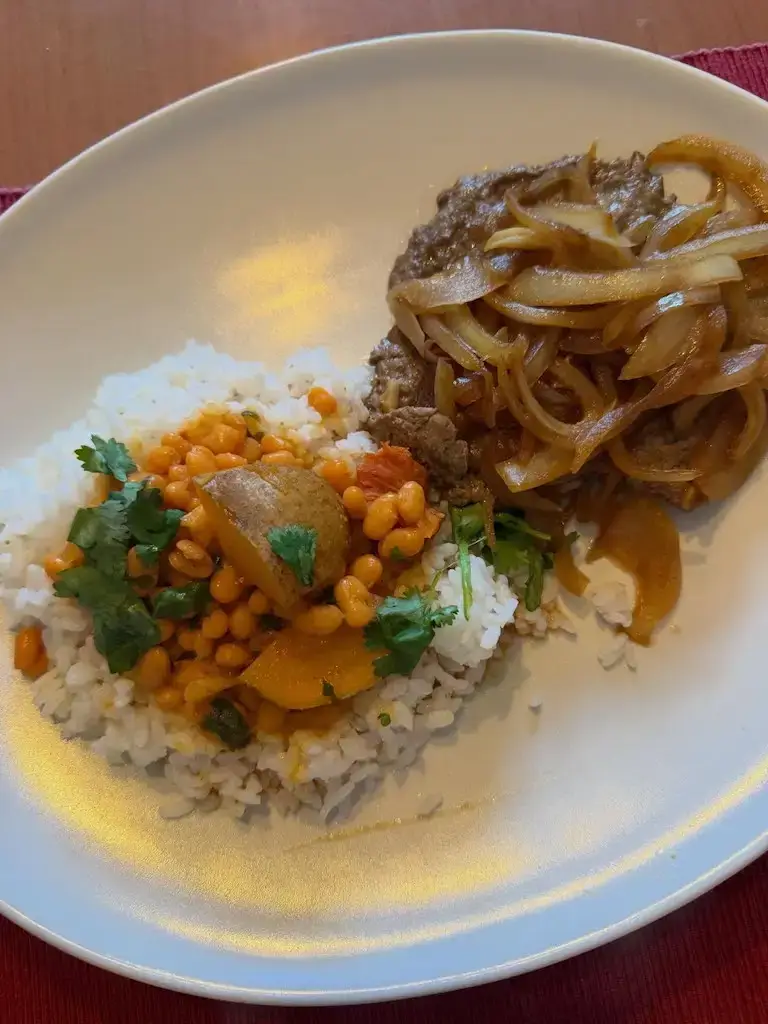
Listen to This Article:
For many parents, the dream of a culinary career often feels like a distant fantasy, tucked away behind the relentless daily demands of family life. It’s 9 p.m., the dishes are finally done, and as you sink onto the couch, your finger hovers over that culinary school tab that’s been open in your phone browser for two weeks. Tomorrow promises the same loop: school drop-off, work, dinner, bath time – a rhythm that has defined years. The thought of weaving class schedules and cooking assignments into this already intricate tapestry often triggers an immediate cascade of logistical anxieties, overshadowing the initial spark of culinary passion. Where does this actually fit?
This pivotal question is the true starting point for countless parents contemplating a professional culinary education. Juggling the intensive demands of culinary training with the irreplaceable responsibilities of parenthood is undoubtedly challenging, requiring significant time and attention. However, parents who successfully navigate this path often share common threads: meticulous planning, a willingness to seek and accept help, and an unwavering commitment to not let their personal aspirations languish on the back burner. This article explores the practical steps and strategic mindset that can empower parents to pursue their culinary passions, from managing childcare and family meals to optimizing study time and cultivating a robust support system.
The Aspiration Amidst the Everyday: Main Facts of the Parental Culinary Journey
The pursuit of a culinary education by parents represents a significant, often life-altering, decision. It’s a testament to the growing trend of adult learners, many of whom are seeking meaningful career changes, professional advancement, or the realization of long-held personal ambitions later in life. For parents, this journey is uniquely complex, intertwined with the well-being and routines of their children and partners. The core challenge lies in harmonizing the rigorous demands of culinary arts – which often involve hands-on practice, theoretical study, and potentially an externship – with the non-negotiable duties of raising a family.
Successful navigation hinges on a proactive approach that transforms potential obstacles into manageable challenges. It requires not just a passion for food but a strategic mind to orchestrate daily life, ensuring both academic success and family stability. The commitment to culinary school becomes a family endeavor, demanding clear communication, shared responsibilities, and a collective understanding of the temporary shifts required to achieve a lasting, positive outcome.
Charting the Course: A Chronology of Preparation and Progress
The journey begins long before the first class. Effective preparation is paramount, setting the stage for a smoother transition and increasing the likelihood of success.
Before School Starts: Getting Your Family on the Same Page
The initial, and perhaps most critical, step is to engage your entire family in an open and honest dialogue about your intentions. Before delving into the minutiae of logistics, articulate what you’re embarking on, why this culinary pursuit is important to you, and what it will realistically entail for your household for the duration of your program. When your family members, particularly your children and partner, grasp the significance of your goals and understand the vision you’re working toward, they are far more likely to offer their understanding, cooperation, and active participation.
This conversation should also extend to addressing potential concerns. A child might voice worries about missing out on your presence at their sporting events or school plays. A partner may express anxieties about shifting financial burdens or household responsibilities. Acknowledging these specific concerns upfront provides concrete issues to plan around. For instance, if attending a child’s basketball game is a high priority, you can pre-arrange for a neighbor or family member to handle school pickups on days you have extended classes, ensuring you can still be in the bleachers for the important moments.
While it’s unlikely you’ll solve every potential challenge before day one, understanding what matters most to your loved ones empowers you to prioritize your planning efforts, building a foundation of shared commitment rather than unexpected upheaval. This pre-emptive communication fosters a sense of collective ownership over your dream, making it a family aspiration rather than solely your own.

(Image: A family of three sitting together at a dining table in conversation, with a child and two adults in a warm home setting.)
Caption: Before school starts, a family conversation can help everyone understand what’s changing and feel like they’re part of the plan.
(Image: Culinary Education Planner & Checklist cover page and internal page screenshots)
Get the Culinary Education Planner & Checklist
Are you ready to embark on your journey to culinary school? Utilize this planner to craft a clear and actionable educational path.
Practical Strategies and Support: Supporting Data for Parental Success
Once the family is united behind the goal, the focus shifts to outlining the day-to-day logistics. There’s no universal blueprint, but identifying common pressure points in advance and having a toolkit of strategies can make a profound difference.
Navigating Childcare While Pursuing Culinary Education
Childcare is often the primary logistical hurdle for parents. Your strategy will largely depend on your children’s ages and whether you opt for an in-person or online culinary program.
For those attending classes on campus, securing reliable childcare during class hours and commute times is essential. This could involve formal daycare, a trusted friend or family member, a nanny, or after-school programs. Even for online students, who benefit from greater flexibility, dedicated childcare can be invaluable. Uninterrupted time to attend live virtual classes, focus on coursework, or complete hands-on cooking assignments significantly enhances learning and reduces stress.
Proactive planning is key. Map out your weekly schedule, identifying predictable gaps where assistance might be needed. Could a neighbor handle a late school pickup? Is a grandparent available for a few hours when a complex assignment demands extra focus? Even a babysitter for a few dedicated hours, even if you’re just in the next room, can provide the mental space needed. It’s also wise to build flexibility into your childcare arrangements, as needs can evolve throughout the program. For instance, programs at Auguste Escoffier School of Culinary Arts require students to complete a hands-on industry externship. While some students seize the opportunity to travel abroad for this experience, many parents choose local options to maintain a better balance with family and other commitments.
Streamlining Family Meals When Time is a Premium
The irony of a culinary student serving simple, hurried meals to their family is not lost on many parents. It’s crucial to accept that family meals may look different while you’re in school, and that’s perfectly acceptable. Your family doesn’t need a five-course gourmet dinner every night just because you’re studying culinary arts. Practical approaches can help:

- Leverage Culinary Assignments: Many online culinary programs require students to prepare dishes in their home kitchens. These assignments can often double as nutritious and exciting family dinners. This integrates your studies directly into family life and saves time.
- Master Meal Prep: Dedicate a few hours on a less busy day (e.g., Sunday) to chop vegetables, cook grains, or prepare proteins that can be easily assembled into different meals throughout the week.
- Embrace Simple, Wholesome Options: Don’t underestimate the power of quick, healthy meals like pasta with pesto, sheet pan dinners, hearty soups, or gourmet sandwiches. The focus should be on nourishment and togetherness, not culinary complexity.
- Delegate and Rotate: Involve your partner and older children in meal planning and preparation. Assign specific nights for them to take the lead, even if it’s ordering takeout or making a simple favorite.
- Batch Cooking Basics: Prepare large quantities of versatile components like roasted chicken, cooked beans, or rice that can be repurposed into various dishes.
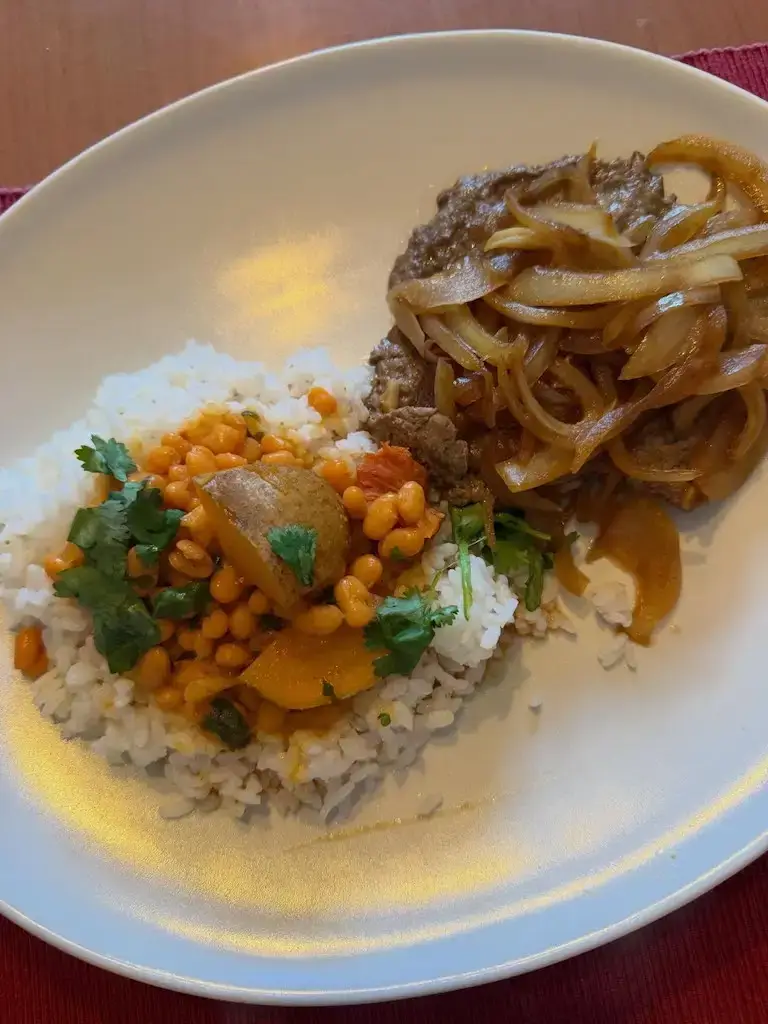
(Image: A plated dish of rice topped with a curry and garnished with fresh herbs, prepared by Escoffier graduate Luis R. as part of a cooking assignment.)
Caption: Online culinary students complete cooking assignments in their own kitchens, and those dishes can often become dinner for the whole family.
Optimizing Study Time with Children at Home
Finding uninterrupted study time with kids around can feel like searching for a needle in a haystack. The key is less about discovering vast blocks of free time and more about establishing a predictable routine and guarding it fiercely.
- Designate "Sacred" Study Hours: Identify specific times – during nap time, after children are in bed, or before the household awakens – and treat these as non-negotiable appointments. Clear boundaries help set expectations for everyone, making it easier to protect this time without daily negotiation.
- Study Buddy System (with your kids): If your children are old enough to have homework, consider doing your coursework at the same time. This turns quiet study time into a shared habit, models the importance of education, and provides a sense of companionship.
- Engage Younger Children: For toddlers and preschoolers, set up engaging, independent activities nearby while you study. Think coloring, building blocks, puzzles, or quiet reading. The goal is focused, contained play that allows you to concentrate.
- Utilize "Dead Time": Can you listen to a lecture podcast during your commute? Review notes while waiting in the school pickup line? Every snatched moment adds up.
Maintaining Household Operations During Your Studies
Keeping the household running smoothly when your attention is divided requires flexibility and a willingness to delegate. The mantra here is: "Done is better than perfect." If someone else loads the dishwasher, it might not be your way, but it’s a task off your plate, freeing up precious time for your studies.
- Empower Children with Chores: Even young children can contribute more than many parents realize. Folding laundry, putting away their dishes, feeding pets, or setting the table can become consistent responsibilities. Older children can take on more substantial tasks like laundry, meal prep, or yard work. Assigning consistent duties gives everyone a role and eliminates recurring decision-making.
- Simplify Routines: Are there non-essential commitments you can temporarily postpone or eliminate? Can you simplify cleaning routines or streamline errands? Less complexity means less to manage.
- Outsource if Possible: If your budget allows, consider services like grocery delivery, a house cleaner once a month, or even a laundry service. Even small acts of outsourcing can significantly reduce your workload.
- Automate What You Can: Set up recurring bill payments, subscribe to essential household item deliveries, or use smart home devices to manage tasks.
Building a Robust Support Network
No parent pursuing culinary school can do it alone. A strong support system, both within the academic institution and your personal life, is indispensable.
At institutions like Escoffier, programs are specifically designed with students’ real-life responsibilities in mind. Dedicated support systems are built into the student experience:
- Success Coaches (Online) & Student Success Managers (On-Campus): These individuals serve as vital points of contact for problem-solving. They assist with attendance, connect students to resources like tutoring or financial aid, and work with you if personal or family issues impact your coursework. They act as navigators, helping you stay on track.
- Chef Instructors: Beyond teaching culinary skills, instructors often provide mentorship and understanding. Mary Weischedel, an Escoffier online baking and pastry graduate, shared her experience: “In the time I was in school, I had a baby. [Chef Instructors] helped me all they could, and I’m so thankful for them!” This empathetic support extends to in-person students as well. Katie Sualog, a mother of two who attended Escoffier’s Austin campus, maintained close communication with her Chef Instructors and administrative staff when her young son was hospitalized. Through makeup work and extra credit, she was able to keep her academic progress intact. “Do not hesitate to ask for help,” Sualog advises. For parents especially, knowing that such understanding and practical assistance is available can make all the difference between perseverance and giving up.
- Peer Networks: Connecting with other parent-students, either through school forums or local groups, can provide invaluable camaraderie, shared strategies, and emotional support. You are not alone in this journey.
Beyond Logistics: Official Responses and Overcoming Guilt
While logistical challenges are tangible and often demanding, they frequently mask a deeper, more insidious worry: the pervasive feeling of guilt about the temporary sacrifices your family might make while you’re immersed in school. This can manifest as feeling selfish for pursuing your dreams, even when it’s objectively a worthwhile endeavor.
Addressing the Guilt Factor
Parental guilt is a powerful emotion, and simply solving your childcare schedule won’t automatically make it disappear. If this resonates, it’s crucial to consciously reframe your perspective and remind yourself of the profound benefits for both you and your family. Earning your culinary credentials can open doors to new career paths, facilitate a long-desired career change, enable you to launch your own business, or significantly enhance your earning potential – all of which can contribute to your family’s long-term financial stability and overall quality of life.
Just as importantly, embarking on and successfully navigating a challenging personal goal provides an invaluable lesson in resilience and ambition for your children. As Katie Sualog articulated, “I want to show my kids that if you truly love something, do not let anybody stop you from getting to your goal and reaching your dreams.” Your pursuit models tenacity, passion, and the importance of lifelong learning.
Batching Your Attention, Not Just Your Time
In the era of constant connectivity and perceived multitasking, managing competing priorities can be significantly eased by focusing intensely on one thing at a time. This concept, often called "batching attention," prioritizes quality over quantity of presence.
When you’re studying, fully immerse yourself in the lesson, practice a technique with undivided focus, rather than attempting to half-watch a demonstration video while simultaneously supervising children. Conversely, when it’s designated family time, make a conscious effort to shut down your laptop, put away your phone, and be fully present. Leave the schoolwork behind on your desk; don’t let it linger, open, on the kitchen island.
Multitasking often creates the illusion of productivity but frequently fragments your energy and dilutes the quality of your engagement with both tasks. Giving a single task your full, unadulterated focus can help you complete it more efficiently, while simultaneously allowing you to offer your family your undivided presence and attention when you step away from your studies. This mindful approach benefits both your academic performance and your family relationships.
(Image: How to Become a Chef cover page and internal page screenshots)
How to Become a Chef: Get the Career Guide!
Have your sights set on wearing the chef’s hat? Discover the steps that may be required to start your culinary career and earn the title of ‘chef’.
Strategic Choices: Online vs. In-Person Culinary School
Escoffier offers both online and on-campus programs, each presenting distinct advantages for parents. The optimal choice hinges on your unique schedule, childcare situation, and preferred learning style. Both formats integrate a hands-on industry externship, and crucially, you have a voice in selecting its location.
| Online Programs | On-Campus Programs | |
|---|---|---|
| Schedule Structure | Academic week runs Wednesday–Tuesday; you complete work within that window rather than at a fixed daily time. | Fixed class times in Austin, TX, and Boulder, CO, with a structured schedule and attendance requirements. |
| Typical Weekly Time | About 15–23 hours per week, depending on program, credential, and personal pace. | Around 25 hours per week for academics and school-related activities. |
| Flexibility | High; watch recorded sessions and complete cooking assignments at times that fit your week, as long as you meet weekly deadlines. | Lower; you’re expected to be in the kitchen or classroom at set times and to be punctual for scheduled labs and lectures. |
| Childcare Planning | Schedule cooking and study blocks around naps, bedtime, or other family routines; you may still need coverage for focused blocks. | Plan for childcare that covers class hours plus commuting time. |
| Where You Cook | Assignments completed in your own kitchen, applying lessons directly to the space where you already cook for your family. | Cooking takes place in professional on-campus teaching kitchens with commercial equipment. |
| Support Available | Success Coaches and Chef Instructors support you remotely, helping with time management, assignment feedback, and staying on track. | Student Success Managers and on-site Chef Instructors help you balance a structured class schedule with the rest of your life. |
| Often Chosen By | Parents with unpredictable schedules, long commutes, or young children at home who need flexible weekly deadlines. | Parents who live near Austin or Boulder, want daily in-person immersion, and have reliable childcare for a predictable daytime schedule. |
The decision between online and in-person learning is a personal one, weighing the benefits of structured, immersive classroom experience against the adaptability and home-based learning of online formats. For many parents, the flexibility of online programs, which allow for self-paced engagement within weekly deadlines, proves invaluable. It enables them to manage family commitments, work, and studies without the rigid demands of a fixed daily schedule. Conversely, parents who thrive in a structured environment and have access to consistent childcare may prefer the hands-on, collaborative experience of an on-campus program.
The Journey of Growth: Implications for Your Family and Future
Going back to school as a parent will undoubtedly necessitate shifts in your daily routine, but it’s crucial to view these changes as temporary, strategic steps toward a significant long-term goal. The skills you acquire, the network you build, and the credentials you earn will open doors to a fulfilling career, ultimately enriching your family’s future.
Putting a few of these simple, yet powerful, strategies in place early can significantly boost your confidence as you embark on this culinary adventure. Remember, you don’t need a flawless, airtight plan to begin your culinary journey; rather, you need an adaptable framework that works for your life right now, and the resilience to adjust it as you go. The most successful parents in culinary school are those who continuously problem-solve and leverage their support systems.
If you find yourself weighing whether the timing is right, or which program structure would best fit your family’s unique dynamics, connecting with someone who deeply understands the demands and offerings of culinary programs can provide invaluable clarity.
Contact us to find out more about which program could be the right fit for you and your family. Your culinary dream doesn’t have to stay on the back burner; with careful planning and robust support, it can become a flavorful reality.
READY TO LEARN MORE ABOUT ATTENDING CULINARY SCHOOL? CHECK OUT THESE ARTICLES NEXT:
- Value of Culinary Education
- How Online Culinary School Builds Kitchen Skills
- Day in the Life of an Online Culinary Student
FAQs
Q: What if a family emergency or illness impacts my ability to attend class or complete coursework?
A: Communicate early and often. Escoffier’s Success Coaches (for online students) and Student Success Managers (for on-campus students) are your primary point of contact for problem-solving. They can assist with attendance issues, connect you to vital resources like tutoring or financial aid, and work with you if a family or health issue affects your coursework. Depending on the specific situation and program policies, options such as makeup work or temporary adjustments to your schedule may be available.
Q: When is the best time to apply, and how much planning time should I allow?
A: Escoffier accepts applications year-round with multiple start dates, offering flexibility. For residential programs and international online students, applications open several start dates in advance. For domestic online students, enrollment is open for the immediate next start date. It’s advisable to use the weeks or months leading up to your chosen start date to arrange childcare, have crucial family conversations, and sort out your household schedule. The more you can put in place before day one, the smoother your transition into student life tends to be.
Q: Do I need prior professional cooking experience to enroll?
A: No prior professional experience is required. Many students begin their culinary journey with only home cooking experience. The curriculum, alongside the mandatory hands-on industry externship, is specifically designed to bridge the gap between cooking for your family and working effectively in a professional kitchen environment.
Q: How do I choose between online and in-person culinary school as a parent?
A: Consider your current schedule, your childcare situation, and how you personally learn best. Online programs often work exceptionally well for parents who need flexible weekly schedules and prefer the convenience of completing cooking assignments in their own kitchens. On-campus programs, conversely, may be more suitable for parents who thrive in a structured, daily environment, live within commuting distance of Austin or Boulder, and have reliable childcare arrangements for a predictable daytime schedule. The comprehensive comparison table provided in this article can help you weigh these factors and make an informed decision.

 Sagoh
Sagoh
 Iffa Jayyana