 Suro Senen
 Nila Kartika Wati
 Asro
Asro
 Layla Zulfa
 Evan Lee Salim
 Basiran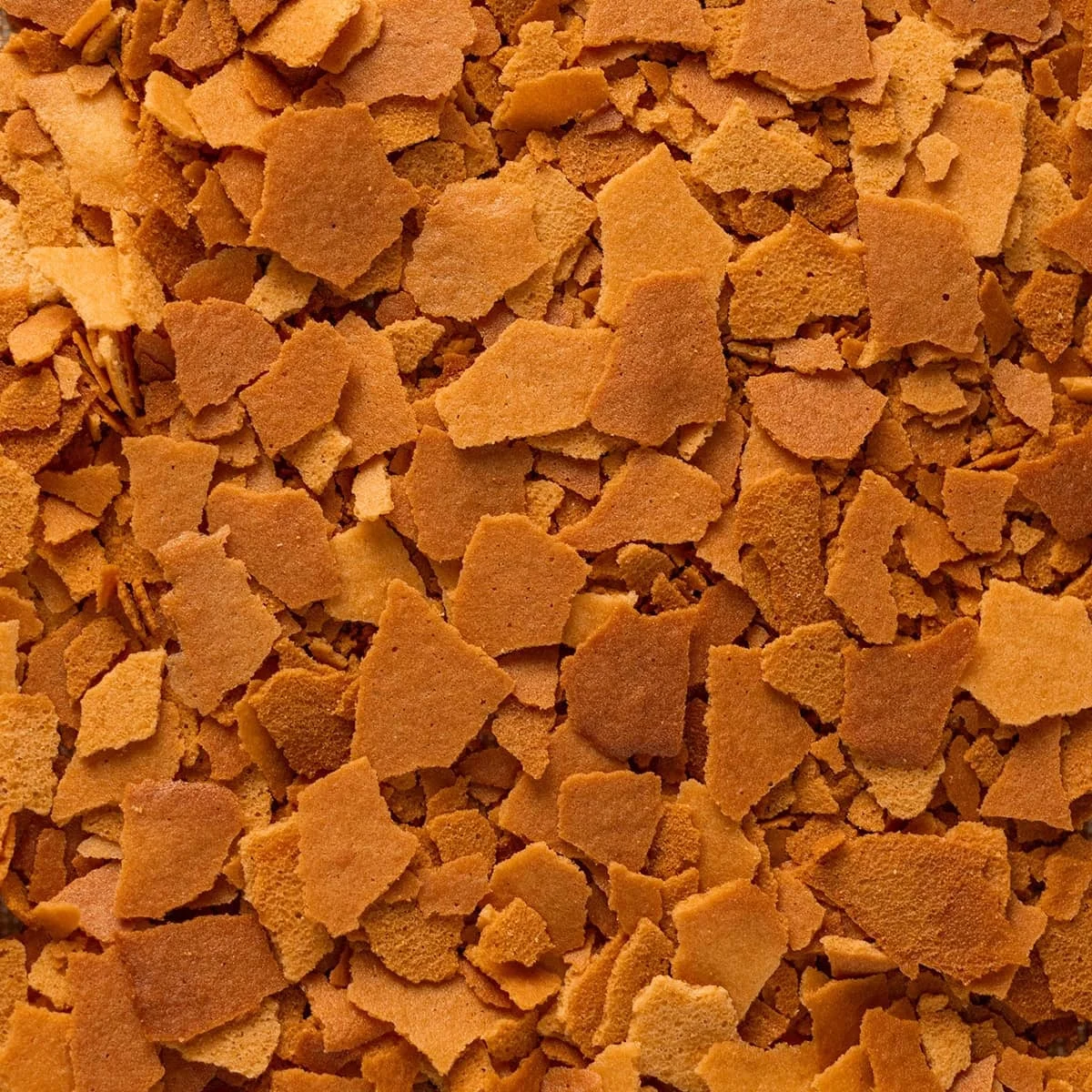
In the intricate world of French pastry, texture is just as vital as flavor. While amateur bakers often focus on the sweetness of a ganache or the silkiness of a mousse, the true masters of patisserie understand that a dessert is only as good as its interplay of mouthfeel. Enter Feuilletine—the whisper-thin, golden, caramelized wafer shards that have become the secret weapon of professional pastry chefs worldwide. Despite its intimidating name and its reputation as a high-end ingredient, this staple is surprisingly accessible to the home baker.
Main Facts: What is Feuilletine?
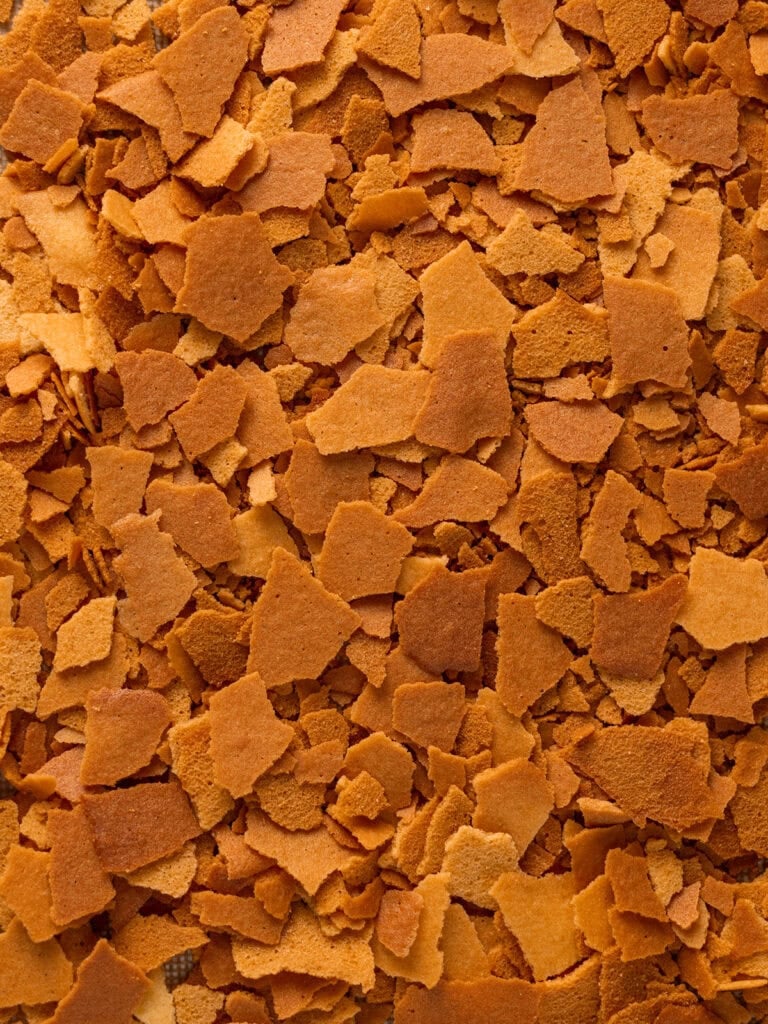
At its core, pailleté feuilletine is a type of crêpe dentelle, broken into delicate, irregular shards. It is characterized by its intense, buttery crunch and deep, caramelized flavor profile. Unlike traditional cookie crumbs or nuts, which lose their texture when introduced to moisture or fats, feuilletine possesses a unique structural integrity.
The "magic" of this ingredient lies in its ability to remain crisp even when folded into fat-based mediums like chocolate, gianduja, Nutella, or dense pralines. This property makes it an indispensable component for pastry chefs looking to add a sophisticated crunch to entremets, truffles, and tarts. Whether you are aiming to recreate the iconic texture of a high-end Ferrero Rocher or simply want to elevate a standard chocolate mousse, these wafer flakes provide that elusive "snap" that separates a good dessert from a professional-grade masterpiece.
Chronology: The Evolution of a Pastry Staple
While the exact origins of feuilletine are steeped in the rich history of Brittany’s biscuit traditions, its transition into the modern culinary spotlight has been a gradual process.
- The Traditional Roots: Historically, the crêpe dentelle—a thin, crispy, rolled biscuit—was a celebrated snack in Western France.
- The Industrial Adoption: As French patisserie moved toward the complex, layered desserts of the late 20th century, chefs sought a component that provided crunch without the risk of turning soggy. The practice of crushing these biscuits became standardized in professional kitchens.
- The Accessibility Shift: For decades, this ingredient was exclusive to commercial baking supply houses, often sold in large, expensive bulk containers.
- The Modern Home-Baking Boom: With the rise of digital culinary education, experts like Nick from The Scranline have demystified the process, proving that this "chef’s secret" can be manufactured in a home oven with minimal equipment and basic pantry staples. Today, it is no longer an elusive professional luxury but a DIY project for the enthusiastic amateur.
Supporting Data: The Science of the Crunch
To understand why feuilletine is so superior to other crunch elements, we must look at the science of moisture migration. In most pastry applications, water-based ingredients (like fruit purées or creams) or fat-based ingredients (like ganache) act as sponges, absorbing any dry, porous components.
Feuilletine is essentially a dehydrated, high-fat, high-sugar wafer. Its low moisture content and high lipid barrier allow it to resist the absorption of surrounding fats. When combined with a chocolate-based filling, the fat from the cocoa butter essentially coats the wafer, creating a hydrophobic layer that keeps the interior of the flake dry and, consequently, crunchy.
Nutritional Profile (Per Batch):
- Calories: 929 kcal
- Carbohydrates: 106g
- Fats: 49g (with 30g Saturated)
- Protein: 13g
- Sugar: 55g
Note: While the caloric density is significant, it is important to remember that these figures apply to the entire batch. In practice, a standard serving of a dessert containing feuilletine uses only a fraction of the total output, making the impact on individual dietary goals minimal.
Culinary Implications and Professional Versatility
The integration of feuilletine into home baking represents a significant shift in how we approach dessert construction. It encourages the baker to think about the "architecture" of their dish.
Elevating the "Kinder Project"
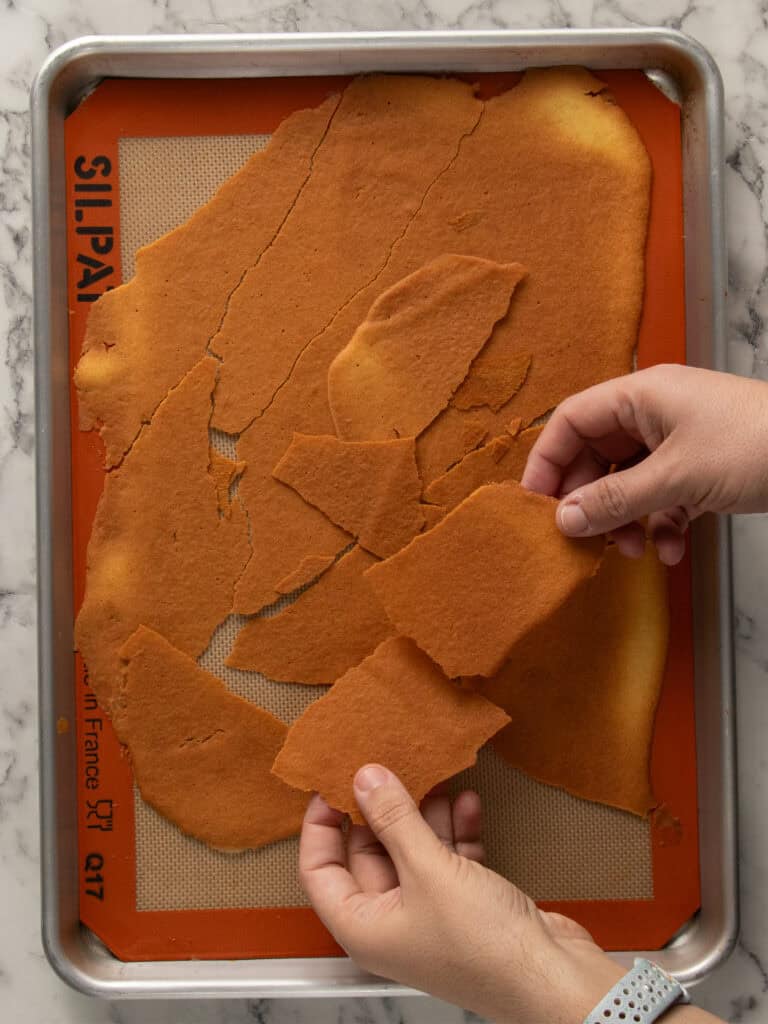
For many, the act of creating feuilletine is an exercise in tactile satisfaction. After baking the thin batter and allowing it to cool into a crisp, golden sheet, the final step—manually shattering the wafer into the desired flake size—offers a therapeutic release. It is often described as a "kinder project for adults," providing a sense of accomplishment that store-bought, pre-crushed versions simply cannot replicate.
Versatility in Application
Beyond the classic Ferrero Rocher-style applications, culinary experts suggest a wide range of uses for this ingredient:
- Textural Contrast: Fold into a chocolate ganache to provide a surprising crunch inside a soft macaron.
- Base Components: Combine with tempered chocolate and feuilletine to create a stable, crunchy base for mousses or entremets.
- Breakfast Elevators: As noted by enthusiasts, a small bowl of fresh, high-quality feuilletine can serve as a decadent, caramelized snack, much like an artisanal, refined breakfast cereal.
Expert Guidance: Best Practices for Success
Achieving the perfect texture requires attention to detail. The following guidelines are essential for those attempting this at home:
Storage Strategy
The primary enemy of feuilletine is humidity. If left exposed to air, the wafers will absorb ambient moisture, losing their signature crispness.
- Airtight is Essential: Once cooled and crushed, store your feuilletine in an airtight, moisture-proof container or a high-quality zip-lock bag.
- Refrigeration: While it can be kept at room temperature for short periods, storing it in the fridge can help maintain its structural integrity for up to three weeks.
- Advance Preparation: One of the greatest advantages of this recipe is its longevity. You can prepare a large batch two weeks in advance, ensuring you always have a "crunch element" ready for your next dinner party or baking project.
Precision in Measurement
Baking is chemistry, and feuilletine is a precise chemical reaction of flour, sugar, butter, and heat. Professional bakers emphasize the use of digital kitchen scales. Measuring by volume (cups) is inherently flawed due to the packing density of dry ingredients. Using grams ensures that the ratio of fat to flour remains consistent, preventing the wafers from becoming either too tough or too greasy.
Conclusion: A Must-Have in the Modern Pantry
Feuilletine has transcended its origins as a niche professional ingredient to become a cornerstone of the modern dessert repertoire. It offers the home baker a chance to elevate their craft, bringing a professional level of texture and sophistication to simple chocolate creations. By mastering the art of the wafer—from the careful balancing of the batter to the final, satisfying crush—you are not just making a component; you are learning the language of texture that defines world-class patisserie.
Whether you are crafting a complex tart or looking for a way to add a sophisticated crunch to your weekend bakes, feuilletine is a project that rewards the effort with a flavor and mouthfeel that is truly unrivaled. So, grab your scales, fire up the oven, and prepare to bring a touch of French professional flair to your own kitchen.

 Asep Darmawan