

 Reynand Wu
 Sagoh
Sagoh
 Basiran
 Evan Lee Salim
 Jia Lissa
 Laily UPN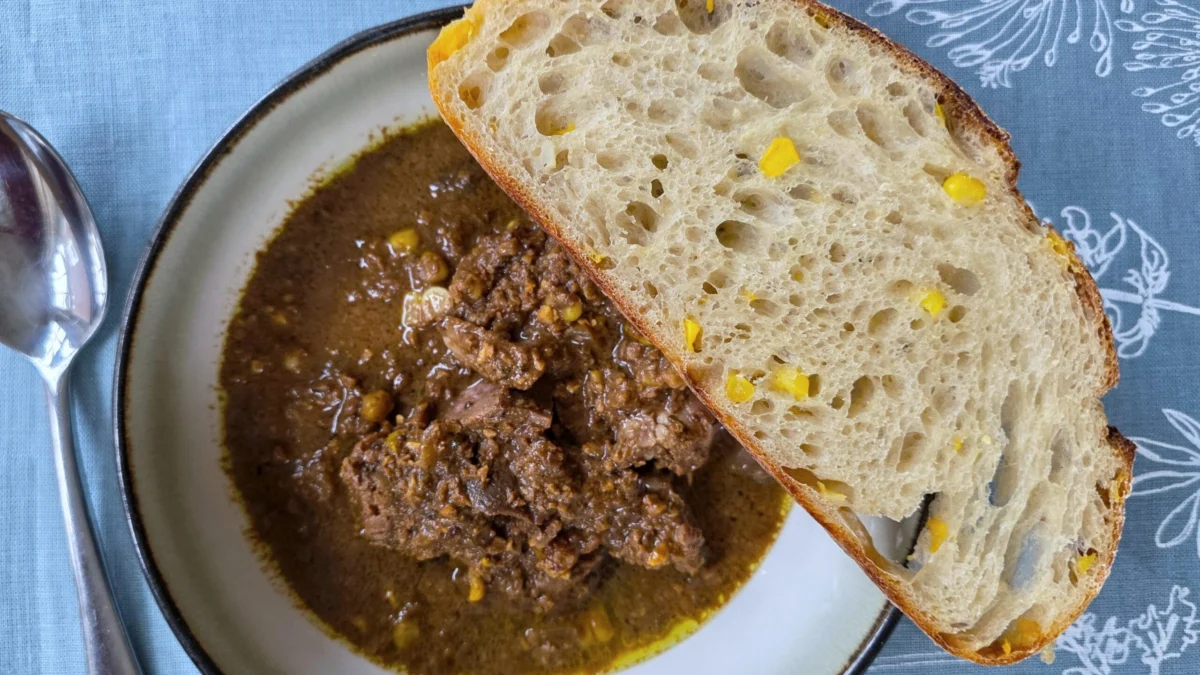
As the final days of summer wane, home bakers and culinary enthusiasts alike look for ways to capture the fleeting essence of the harvest season. For many, this means turning to the hearth. A new technique for artisan sourdough, which integrates both the earthy, complex notes of field corn and the vibrant, sugary snap of fresh sweet corn, is currently capturing the attention of the bread-baking community. This innovative approach to a traditional loaf offers a masterclass in texture, flavor layering, and the resourceful use of seasonal abundance.
Main Facts: The Anatomy of a Corn-Infused Loaf
At its core, this artisan sourdough is a study in contrasts. By utilizing two distinct types of corn, the baker achieves a flavor profile that is simultaneously deep and bright.
The first component is a porridge made from field corn—varieties such as yellow dent or the heirloom "bloody butcher." Field corn provides the structural and aromatic backbone of the bread, offering a nutty, grounded flavor profile that complements the fermentation of the sourdough starter. Whether milled fresh to ensure maximum oil retention and nutrient density or sourced as high-quality store-bought fine cornmeal, this base porridge provides a soft, custard-like interior crumb.
The second component involves the addition of fresh or fresh-frozen sweet corn kernels. Unlike the field corn, these kernels provide textural variation—a deliberate, juicy "pop" that punctuates the chew of the sourdough. When combined, these elements create a bread that is remarkably versatile: sturdy enough to stand up to the bold, savory richness of a Persian fesenjan stew, yet delicate enough to be transformed into a superlative piece of French toast or a simple, buttered morning slice.

Chronology: From Farmstand to Freezer to Fermentation
The development of this recipe follows a trajectory common to many of the best culinary experiments: necessity meeting availability.
- The Seasonal Procurement: Each year, as late summer yields its final, most potent bounty, home bakers typically secure a dozen ears of corn from local farmstands. The critical step here is the processing—boiling, cutting, and properly blanching the kernels. Blanching is not merely a suggestion; it is a vital chemical process that halts enzymatic activity, ensuring the corn remains sweet and bright rather than starchy and dull during its tenure in the freezer.
- The Discovery: A recent kitchen audit revealed a forgotten bag of the previous year’s harvest hidden at the back of the freezer. This discovery served as the catalyst for the current iteration of the Harvest Corn Sourdough.
- The Culinary Synthesis: The baker’s creative process extended beyond the bread itself. By incorporating the corn into the dough, the baker also sought to pair the final product with leftover fesenjan—a complex, labor-intensive Persian stew featuring ground walnuts and pomegranate molasses. This pairing demonstrates the bread’s ability to bridge the gap between traditional American grain arts and sophisticated global flavor profiles.
- The Technical Execution: The process involves a specific lamination technique. About one hour after the initial mixing of the dough, the porridge and the corn kernels are folded in. The dough undergoes two rigorous rounds of stretching and folding, allowing for the gluten network to develop around the inclusions without compromising the structural integrity of the loaf.
Supporting Data: Why "Corn Milk" and Blanching Matter
The success of this bread relies heavily on the quality of the corn and the baker’s attention to detail during preparation.
- The Power of the Cob: A common oversight in corn preparation is failing to scrape the cobs. After cutting the kernels, the back of a knife should be used to extract the "corn milk." This liquid is essentially concentrated sugar and starch, and it adds an incredible depth of flavor to the porridge.
- Enzyme Management: The scientific imperative for blanching cannot be overstated. When corn is cut from the cob, enzymes are released that naturally break down sugars into starches. Blanching denatures these enzymes, "locking" the corn in its peak state of sweetness. This ensures that even months later, when the kernels are folded into the dough, they provide a clean, sweet flavor rather than a muddy, fermented one.
- Protein and Hydration: As noted in the technical requirements, the choice of flour is critical. Using a bread flour with a high protein content (approximately 13.5%) is essential for handling the weight of the porridge and kernels. Bakers using lower-protein flours must adjust their hydration levels accordingly to avoid a slack, unmanageable dough.
Official Perspectives: The Role of Heirloom Grains
Industry experts and artisan millers have long advocated for the use of heritage field corn in baking. Unlike the genetically uniform corn found in mass-produced products, varieties like "Bloody Butcher" offer unique pigmentation and a significantly different starch structure.
"When you mill a grain fresh," one expert noted, "you are accessing the germ and the oils that oxidize rapidly once exposed to air. By incorporating this fresh meal into a sourdough porridge, you are unlocking a flavor intensity that is simply impossible to replicate with commercial, shelf-stable cornmeal."

The shift toward using these heirloom grains is part of a broader "grain revolution" within the artisanal baking sector. This movement emphasizes the importance of the terroir of grains—the idea that where and how a corn crop is grown directly influences the final crumb, crust, and flavor of the bread.
Implications: A New Standard for Seasonal Baking
The rise of the Harvest Corn Sourdough has significant implications for both home kitchens and professional bakeries.
Culinary Versatility
This bread proves that sourdough need not be limited to wheat or rye. By incorporating corn, bakers can cater to a wider range of flavor pairings. The sweetness of the corn balances the acidity of the sourdough, making the loaf an ideal companion for acidic sauces (like the pomegranate in fesenjan), salty cheeses, or even as a base for sweet-and-savory breakfast applications.
Reducing Food Waste
The narrative of this recipe—using last year’s frozen corn to create something entirely new—highlights the sustainability of artisanal bread-making. It encourages bakers to view their freezers as seasonal pantries. Rather than discarding older harvests, the porridge technique provides a mechanism to reintroduce those ingredients into the diet in a highly palatable, desirable form.

The Educational Component
The inclusion of video tutorials demonstrating the lamination of the dough signifies a shift in how recipes are disseminated. Modern baking is no longer just about the written word; it is about the visual and tactile understanding of dough development. Seeing how the corn porridge integrates into the gluten matrix provides a level of clarity that empowers home bakers to attempt more complex, inclusion-heavy breads.
Future Directions
As we look toward future harvest seasons, the potential for this technique is vast. Bakers are already experimenting with substituting different types of field corn or incorporating roasted corn for a smokier finish. The "Harvest Corn Sourdough" is not just a recipe; it is a framework for creative, seasonal, and resource-conscious baking. It serves as a reminder that the best bread often comes from the intersection of tradition, experimentation, and a deep respect for the raw ingredients that the land provides.
Whether one is a seasoned professional or a novice baker, the message is clear: the corn is in the field, the sourdough starter is active, and the possibilities for the next great loaf are limited only by the season and the imagination.


 Layla Zulfa
