

 Reynand Wu
 Sagoh
Sagoh
 Basiran
 Evan Lee Salim
 Jia Lissa
The revival of heirloom tomatoes has transformed from a niche culinary trend into a cornerstone of the modern small-scale farming economy. For the contemporary farmer, these open-pollinated varieties offer more than just aesthetic appeal; they provide a connection to agricultural history, flavor profiles that modern hybrids often lack, and a unique selling point at farmers’ markets.
As we look toward the upcoming growing season, selecting the right varieties is a strategic decision that balances climate suitability, market demand, and production goals. Whether you are a seasoned producer looking to diversify your offerings or a new farmer establishing your crop plan, the following 11 heirloom varieties represent the gold standard for quality, productivity, and resilience.
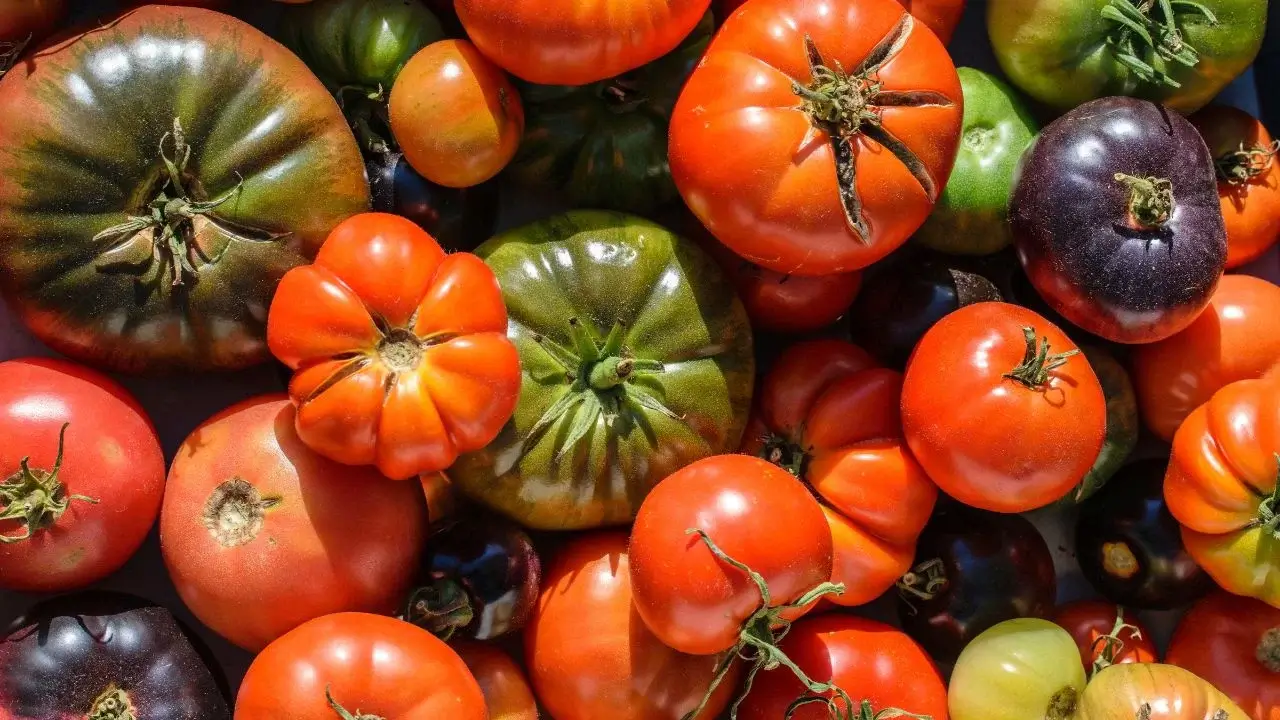
Understanding the Heirloom Advantage
At their core, heirloom tomatoes are open-pollinated varieties, meaning their seeds can be saved and replanted to produce offspring that mirror the parent plant. This inherent genetic stability allows farmers to become stewards of their own crop, though it also requires careful management—such as spatial isolation—to prevent cross-pollination if seed saving is a priority.
Unlike many modern commercial hybrids bred specifically for shipping durability and uniform ripening, heirlooms are prioritized for flavor, texture, and diversity. However, they do not come without challenges. Their susceptibility to certain environmental stressors requires growers to be more proactive in their cultivation strategies. Success depends on understanding your specific USDA hardiness zone, the length of your frost-free growing season, and the moisture levels of your microclimate.
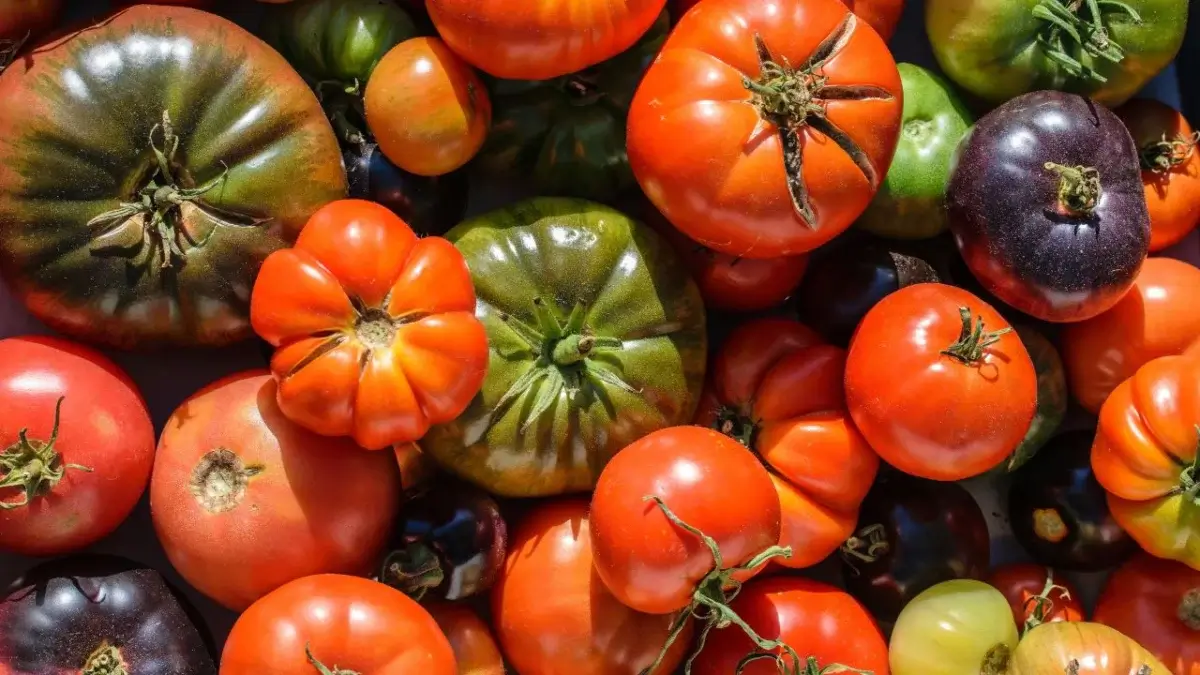
The Chronology of Cultivation: From Seed to Harvest
Successful tomato production follows a rigorous, time-tested sequence. The process begins long before the soil warms, with the careful selection of seeds and the implementation of indoor seed-starting protocols.
- Seed Starting (6–8 weeks before final frost): Utilizing high-quality growing media and consistent heat, growers initiate the germination process.
- Hardening Off: A critical phase where seedlings are gradually acclimated to outdoor temperatures and light intensity.
- Transplanting: Moving plants to their permanent home—be it a high tunnel, greenhouse, or open field—once soil temperatures have consistently reached 60°F (15°C) or higher.
- Support and Pruning: Implementing vertical trellising or caging systems, particularly for indeterminate varieties that require continuous management.
- Harvesting: Implementing a systematic picking schedule to ensure fruit is harvested at peak maturity, maximizing both flavor and shelf life.
The Top 11 Heirloom Varieties for Market Success
Selecting the right varieties involves matching the plant’s growth habit with your farm’s infrastructure. Here are 11 varieties that have proven their value on farms across the country.
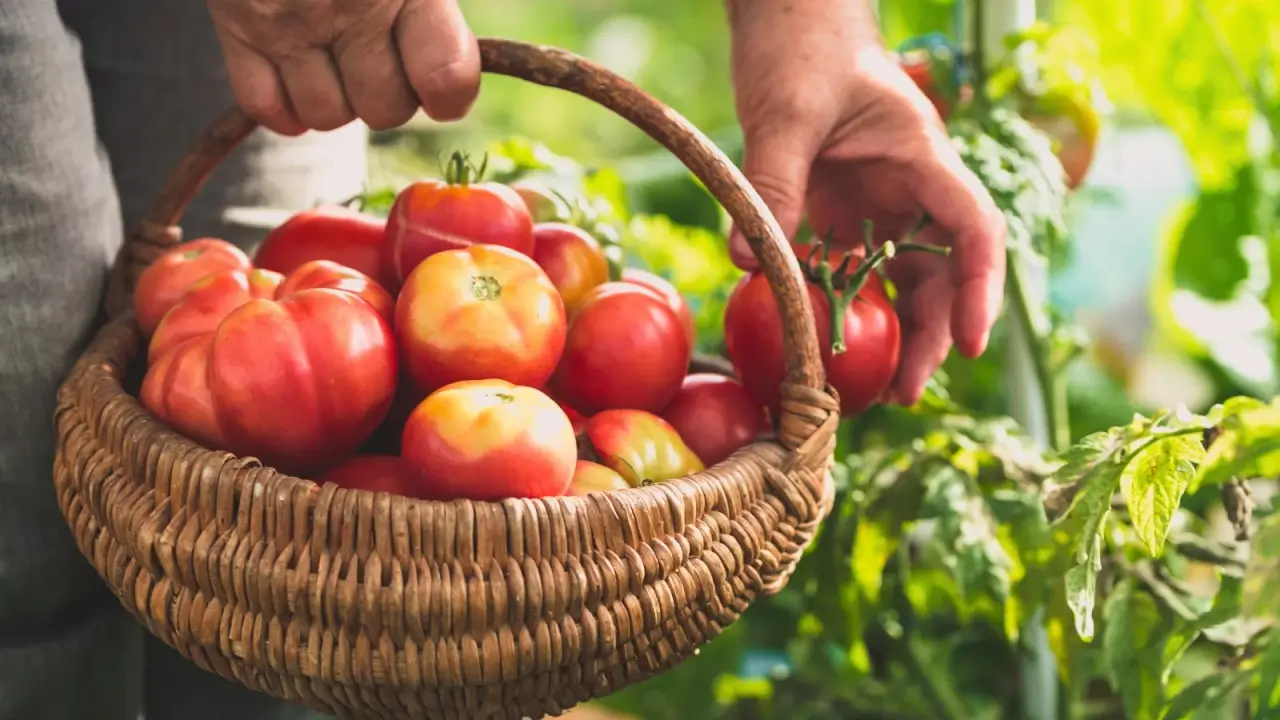
1. San Marzano: The Gold Standard for Saucing
Originating in the 1920s, the San Marzano remains the unrivaled "mother" of all paste tomatoes. Its indeterminate vines can reach six feet or more, producing elongated, dense fruit with low seed counts. Because of its vigorous growth, it requires heavy-duty support. For farmers, it offers a consistent, high-yield harvest over a three-month window, making it essential for value-added products like jarred sauces and salsas.
2. Cherokee Purple: A Market Icon
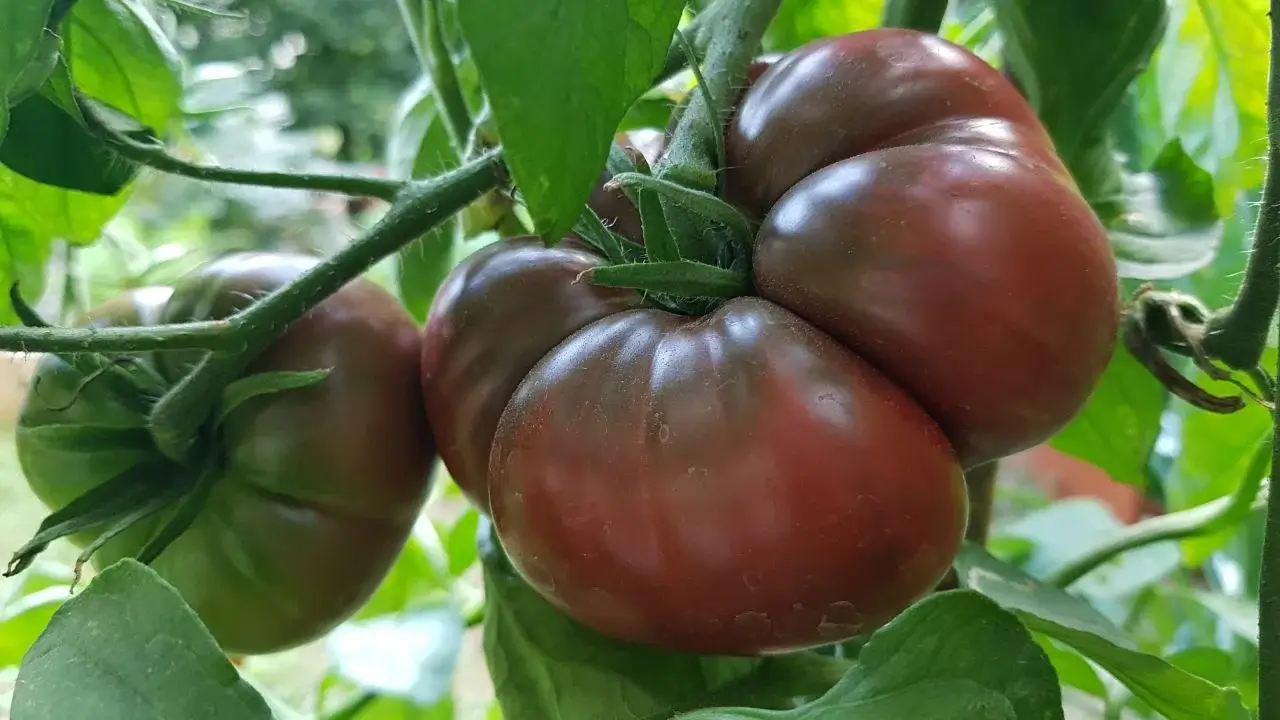
Grown for over a century, the Cherokee Purple is a fan favorite for its deep, smoky-sweet flavor profile. These large, 10-to-12-ounce slicers are visually distinct with their dark purple-red skin. As an indeterminate variety, they produce steadily throughout the season, but their weight necessitates sturdy trellis systems to prevent stem breakage.

3. Ace 55: The Determinate Slicer
For farmers in short-season climates, Ace 55 is a breakthrough. Unlike most heirlooms, this is a determinate "bush" variety that matures in approximately 80 days. Its compact growth makes it ideal for high-density planting. It is particularly valued for its resistance to verticillium and fusarium wilts, and its habit of ripening the majority of its 6-to-8-ounce fruit in a concentrated window makes it perfect for farmers focusing on canning-volume sales.
4. Beefsteak: The Classic Heavyweight
The quintessential Beefsteak is a testament to longevity, having been a garden staple for over 100 years. These massive fruits—ranging from 10 ounces to two pounds—are the ultimate choice for slicing. They require a long growing season (95 days) and serious structural support; in ideal conditions, the vines can reach up to 20 feet.

5. Brandywine: Sweetness and Size
Often considered the pinnacle of tomato flavor, Brandywine offers a complex, slightly fruity taste. The fruit can weigh up to two pounds, with a ribbed, flattened shape that adds character to any market display. Expect harvest to begin around the 76-day mark and continue through the season.
6. Gardener’s Delight: The Snacker’s Choice
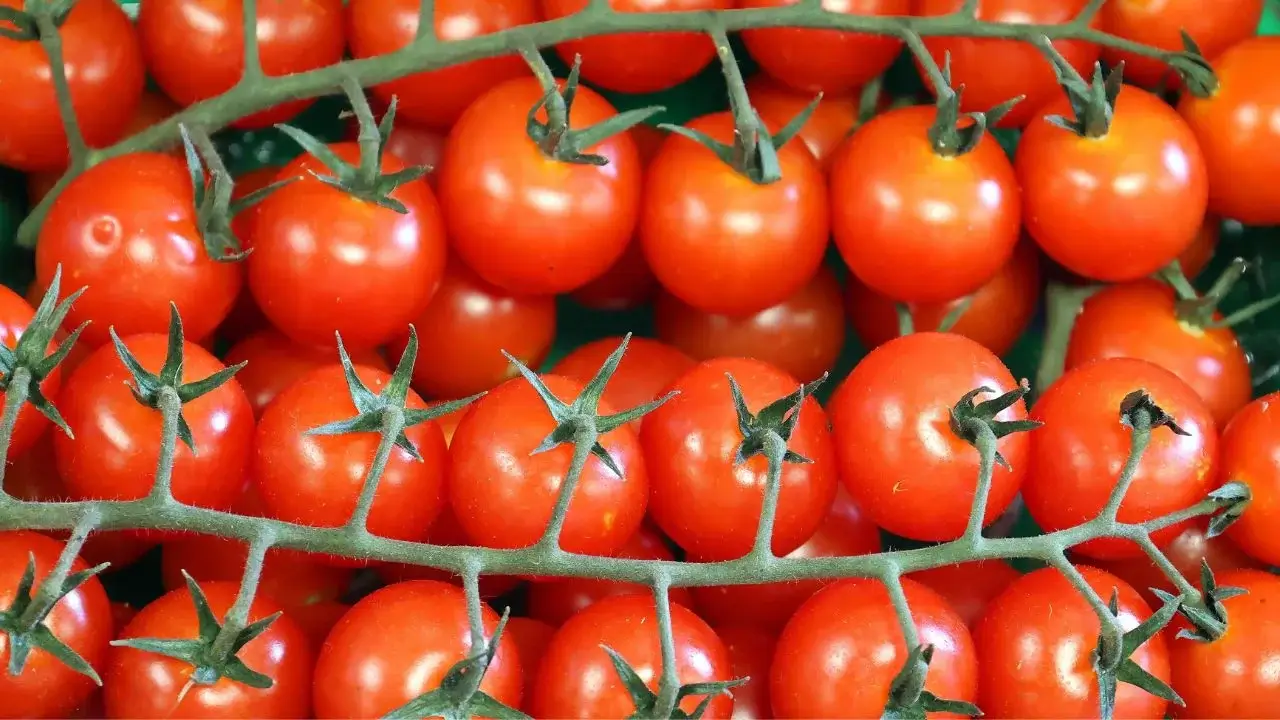
If your market focus is "grab-and-go" snacking, Gardener’s Delight is indispensable. This German heirloom produces clusters of six to 12 red, one-inch cherries. It matures in just 65 days, making it highly reliable for cooler, northern climates.

7. Black Krim: Heat-Tolerant Elegance
Originating from the Black Sea region of Russia, the Black Krim is renowned for its ability to produce even during intense heat waves. Its flavor is famously "salty" and rich. The fruit’s color varies based on temperature: deep, reddish-purple in the heat, and a dusky green-shouldered pink in cooler weather.
8. Cream Sausage: The Compact Producer
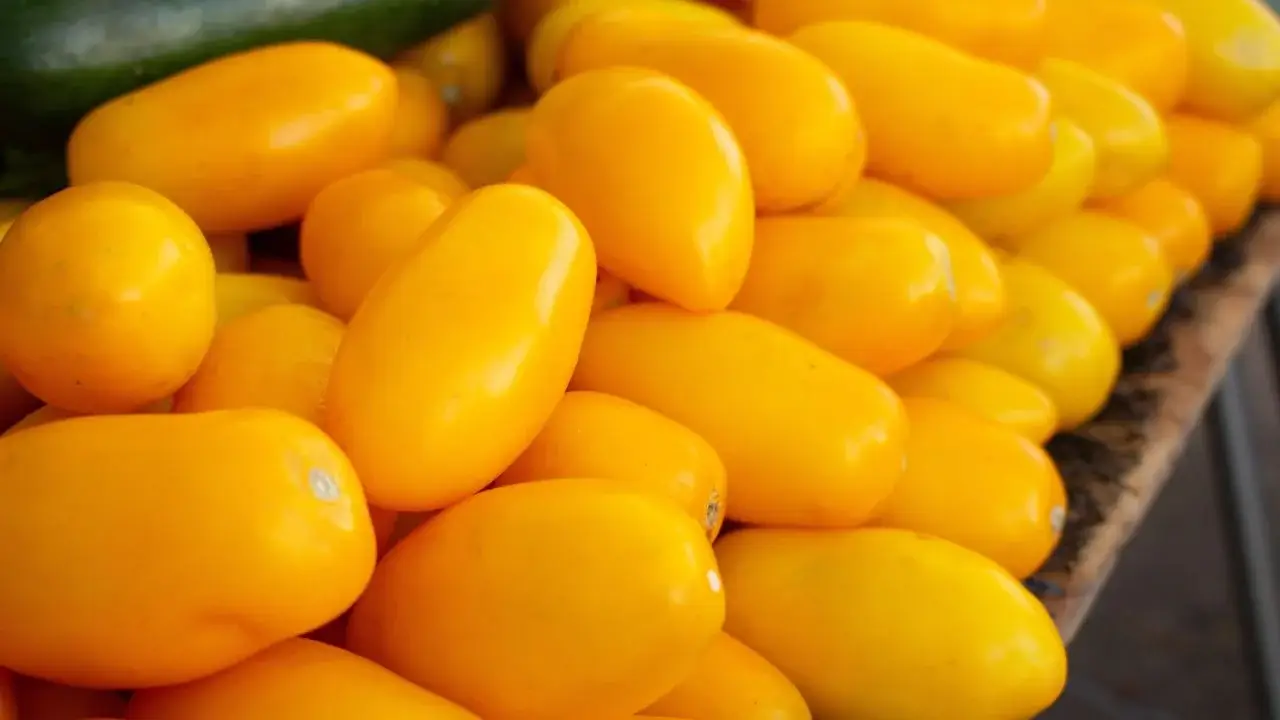
For container gardening or tight field spacing, Cream Sausage is a unique, yellow-skinned, roma-shaped variety. At only three feet tall, this determinate plant is highly productive and fits perfectly in small-scale operations or greenhouse settings where vertical space is limited.
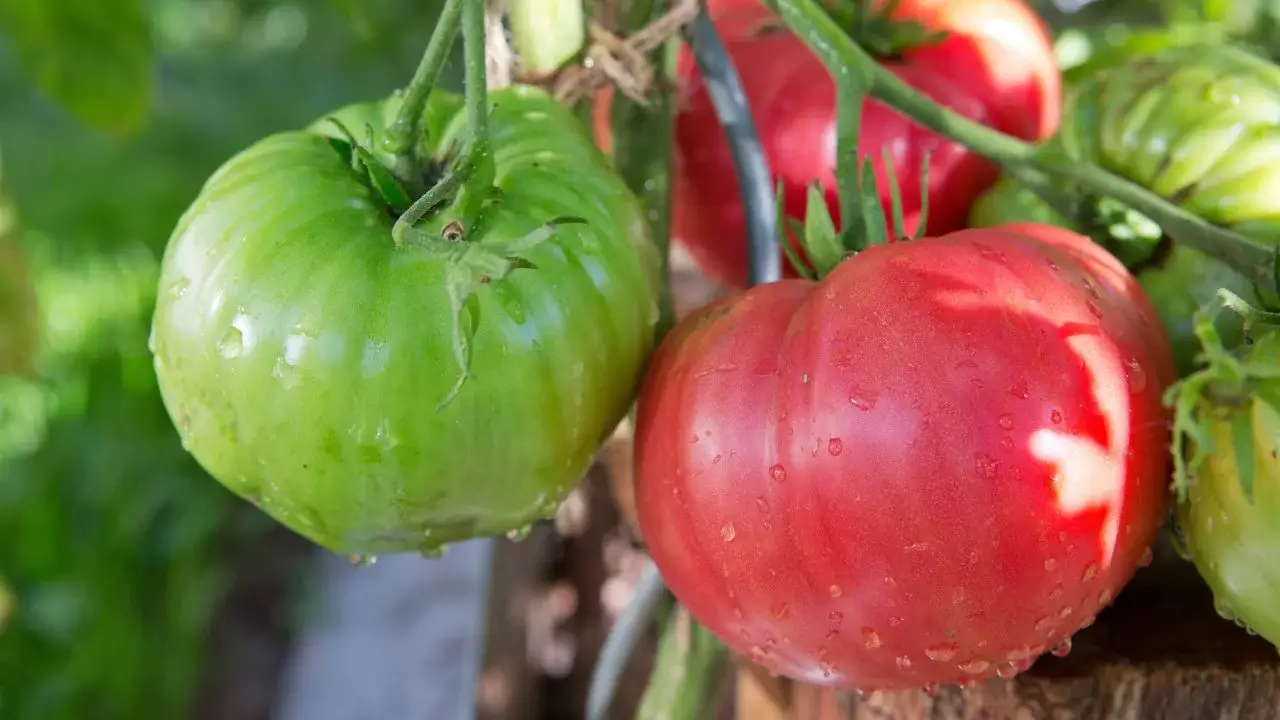
9. Red & Yellow Pear Blend: The Specialty Seller
Visually striking and incredibly sweet, the Pear Blend is a high-value item for specialty farm stands. Traditionally used for pickling, these low-acid, succulent tomatoes are now highly sought after for fresh salad mixes.
10. Oxheart (Cuore Di Bue): The Culinary Artist
Hailing from Liguria, Italy, the Oxheart is a favorite for Caprese salads. Its distinctive shape and dense, meaty interior make it excellent for roasting. It is an indeterminate variety that provides a steady, manageable supply of fruit throughout the summer months.
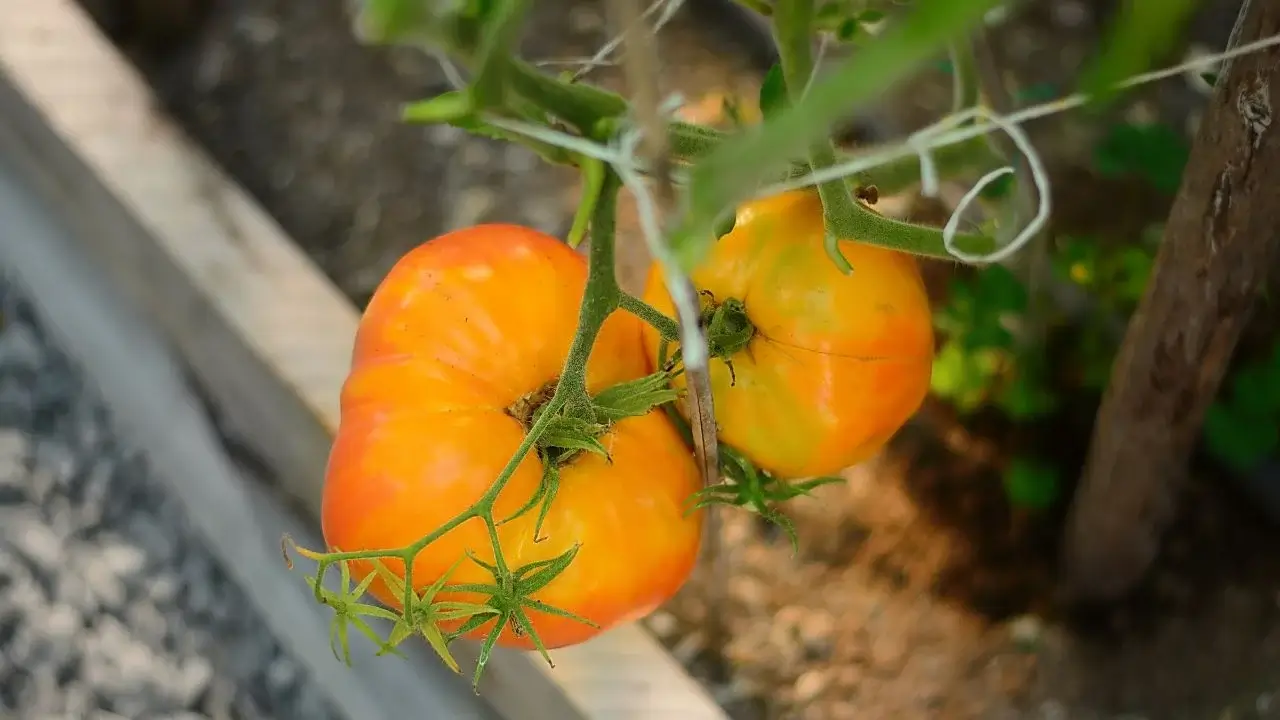
11. Costoluto Genovese: The Ribbed Marvel
With deep ridges and a vibrant red hue, the Costoluto Genovese is a visual masterpiece. Beyond its looks, it is a workhorse in the kitchen, featuring thick walls and a substantial, complex flavor that excels in both fresh and cooked applications.
Supporting Data: Economic and Agronomic Implications
The shift toward heirloom tomatoes has significant implications for farm profitability. While hybrid varieties may offer higher disease resistance or uniform maturation, heirloom varieties typically command a "premium" price at farmers’ markets due to their superior flavor and historical value.
Key considerations for the bottom line:
- Labor Efficiency: Indeterminate varieties require significantly more labor for pruning and trellising compared to determinate bush types.
- Waste Reduction: Because heirlooms are often thinner-skinned, they have a shorter post-harvest shelf life. Farmers must optimize their harvest-to-market timeline, typically selling within 24–48 hours of picking.
- Crop Protection: The use of modular row covers or high tunnels can mitigate the risks of "cracking" or "catfacing," which are more common in heirloom varieties than in modern industrial tomatoes.
Official Guidance and Best Practices
Agricultural extension services frequently emphasize that "heirloom" is not a synonym for "low yield." With proper soil fertility management—specifically, avoiding excess nitrogen which encourages leafy growth over fruit production—heirloom varieties can be highly productive.
Furthermore, expert growers recommend:
- Staggered Planting: Succession planting of determinate varieties like Ace 55 ensures a constant supply rather than a single, unmanageable harvest spike.
- Mulching: Applying organic mulch reduces soil-borne pathogen splash-back, which is essential for protecting the lower foliage of heirlooms.
- Record Keeping: Tracking days-to-maturity specific to your microclimate is vital for future planning.
Future Outlook: The Resilient Food System
As consumers continue to demand locally grown, high-flavor produce, the role of the heirloom tomato will only grow in importance. These varieties are not merely "old seeds"; they are the foundation of a resilient food system that prioritizes biodiversity over uniformity. By integrating these 11 varieties into your farm plan, you are not only securing a diverse revenue stream but also preserving the genetic legacy of agricultural history.
For the modern farmer, the heirloom tomato represents a bridge between the wisdom of the past and the demands of the future—a crop that rewards patience, skill, and an appreciation for the nuance of true flavor.


