 Pevita Pearce

 Lina Hope

 Evan Lee Salim
 Lina Irawan
 Sagoh
In the historic 4th arrondissement of Paris, where the cobblestone streets of Le Marais hum with the legacy of centuries, a new culinary destination has emerged that bridges the gap between Basque tradition and contemporary French interior design. Arcane 17, a petite restaurant rooted in the soul of Basque and Catalan gastronomy, has unveiled an interior transformation orchestrated by the emerging Marseille-based practice, Bétyle Studio.
The project, led by studio founders Carla Romano and Nicolas Cazenave de la Roche, serves as a masterclass in atmospheric storytelling, utilizing materiality and bespoke craftsmanship to evoke the spirit of the Iberian Peninsula without succumbing to the clichés of the traditional tavern.
Main Facts: The Intersection of Heritage and Modernity
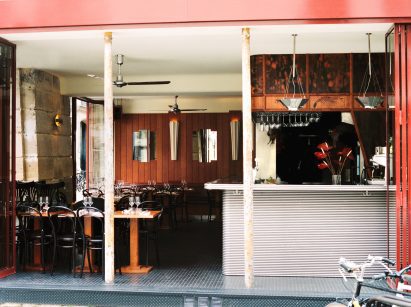
Arcane 17 occupies a space within a centuries-old building, a setting that inherently dictates a dialogue between the antique and the new. The restaurant is not merely a place to eat but a curated environment designed to transport diners to a liminal space between the Pyrenees and the Parisian urban landscape.
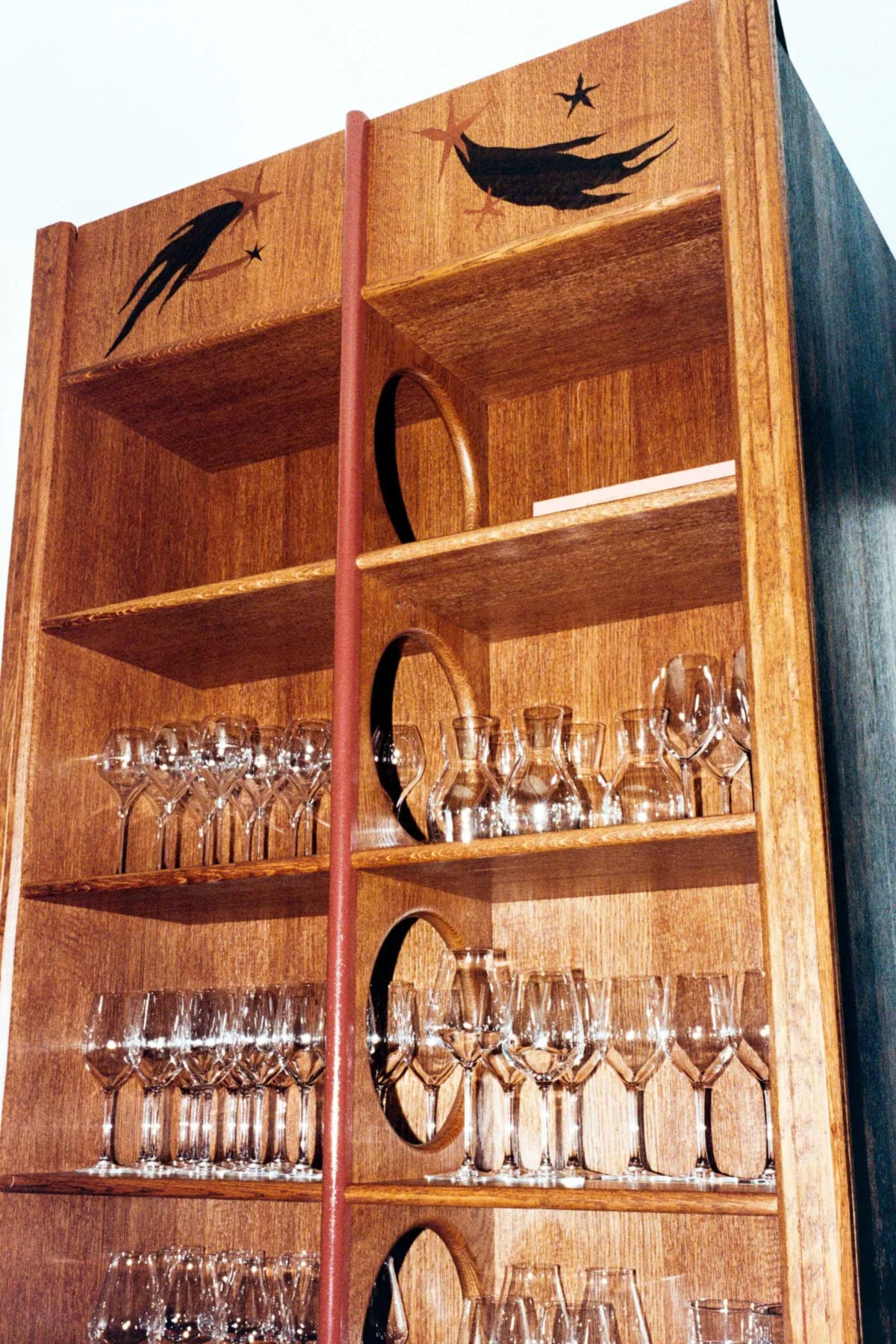
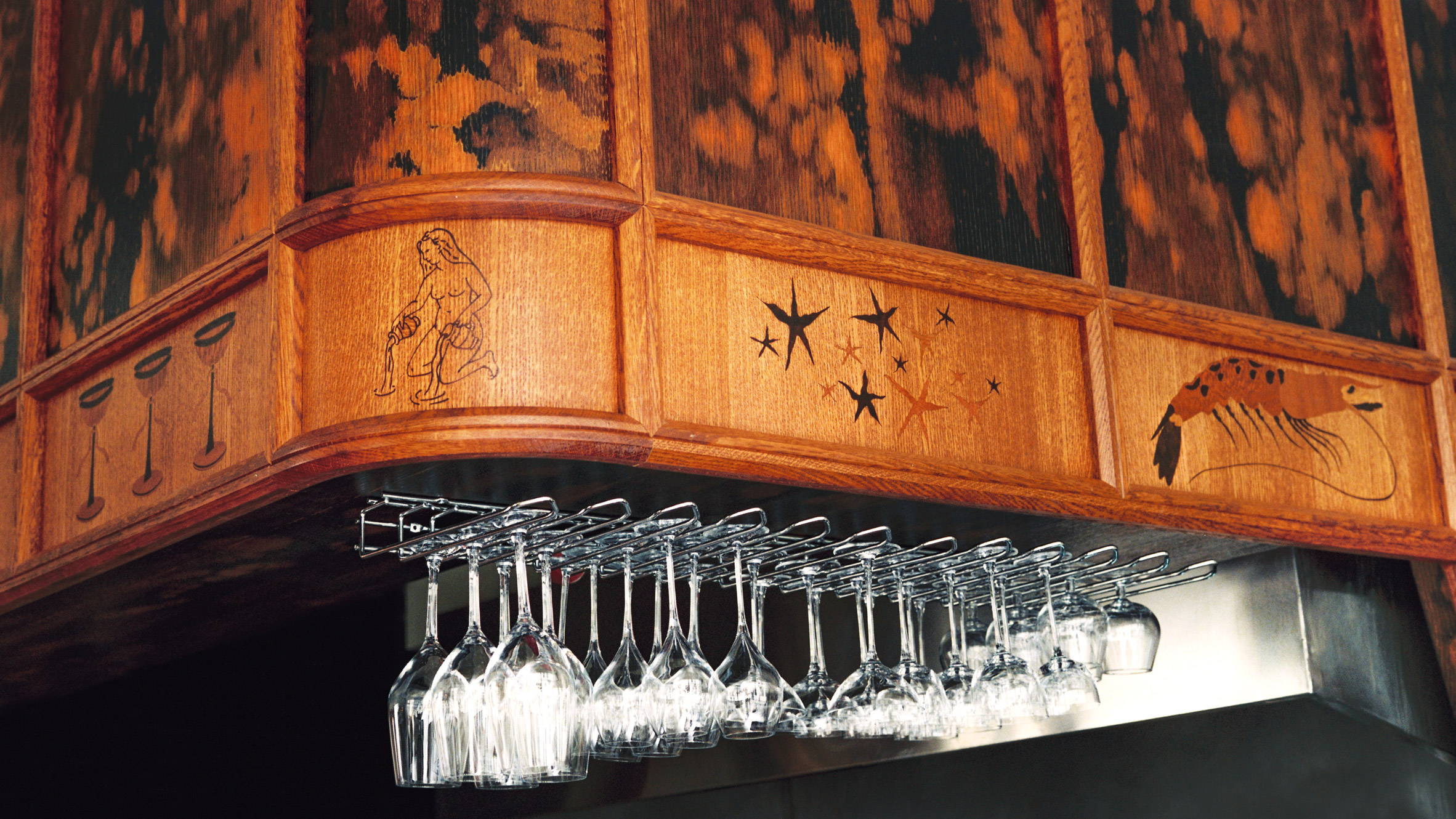
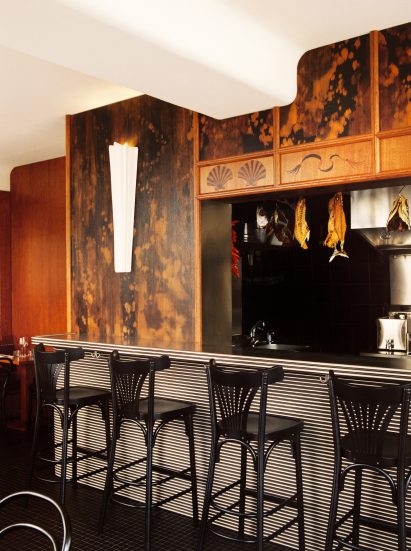
The core of the design philosophy centers on a profound reverence for wood. The interior is defined by rich, ebonised timber panelling that wraps the dining area in a cocoon of shadow and warmth. This tactile, darkened palette provides the backdrop for the restaurant’s most striking feature: a tubular stainless steel bar topped with intricate, custom-made marquetry. These delicate slabs, featuring playful, hand-rendered motifs—from shooting stars to whimsical, cartoonish lobsters—serve as a focal point, injecting a sense of surrealism and levity into the otherwise moody, formal space.
Chronology: From Concept to Culinary Landmark
The project represents a significant milestone for Bétyle Studio, which was founded in January 2025. Since its inception, the studio has rapidly gained a reputation for its rigorous approach to interior architecture and bespoke furniture design.
- January 2025: Bétyle Studio is founded by Carla Romano and Nicolas Cazenave de la Roche in Marseille, focusing on the intersection of architecture and artisanal furniture.
- Late 2025: The studio completes the renovation of a historic farm building in Marseille, establishing their signature "wood-first" aesthetic that favors craftsmanship over mass production.
- Early 2026: The commission for Arcane 17 is secured. The design team begins a deep research phase into Catalan and Basque cultural markers, specifically looking at the architectural vernacular of rural churches and the mechanics of traditional fans.
- October 2026: Arcane 17 officially opens its doors in Paris, marking the studio’s arrival on the competitive Parisian hospitality design scene.
Supporting Data: The Craft of the Bespoke
The success of the Arcane 17 interior lies in its granular commitment to custom fabrication. Every piece of joinery within the restaurant was conceived specifically for the project, manufactured by a Marseille-based carpenter who has become a frequent collaborator with the studio.
"We worked with different species of wood and experimented with various techniques to stain, ebonise and patinate the timber," explained Romano and Cazenave de la Roche. "The idea was to give depth to the surfaces and create elements that feel as though they could have belonged to the space for a long time."
To complement the woodwork, the designers enlisted the local studio Côme Clérino to create a series of chunky, plaster-cast wall sconces. These fixtures, which subtly resemble elongated seashells, add an organic, tactile layer to the room, contrasting with the sharp, industrial sheen of the stainless steel bar. The seating continues this synthesis: classic bentwood chairs are positioned alongside uniform timber tables, while a single, red-clad banquette provides a nod to the classic Parisian bistro, anchoring the room firmly in its French location.
Official Responses: Reinterpreting the Iberian Tavern
In an exclusive exchange regarding the project’s development, Romano and Cazenave de la Roche emphasized their desire to avoid the "touristic" interpretation of Spanish culture.
"Rather than reproducing the codes of a traditional Spanish restaurant, we wanted to reinterpret the idea of the Iberian tavern through a more contemporary and refined language," the founders noted. They cited the energy of rural churches, the weight of dark woods, and the rhythmic movement of traditional fans as their primary points of inspiration.
"We drew inspiration from the energy of rural churches, dark woods and the movement of traditional fans," they continued. "We did not want these references to be literal, but rather to emerge through materials, textures, and forms."
This intellectual approach to design reflects a growing trend in hospitality where the "vibe" is no longer just about lighting or furniture selection, but about the emotional resonance of the materials themselves. By manipulating the timber through various stains and patinas, the designers have effectively "aged" the new interior, allowing it to sit harmoniously within the centuries-old structural envelope of the Marais building.
Implications: A New Wave in Parisian Hospitality Design
The completion of Arcane 17 signals a broader shift in how designers are treating historic Parisian spaces. The trend, evidenced by recent projects like architect Cyrus Ardalan’s timber-heavy apartment renovation in the city, moves away from the "all-white" minimalist aesthetic that dominated the early 2010s. Instead, there is a movement toward darker, richer, and more tactile environments that prioritize atmosphere and intimacy.
The Rise of the "Total Designer"
Bétyle Studio represents a new generation of firms that act as both interior architects and master furniture makers. By refusing to source off-the-shelf items, they ensure that the "brand" of the restaurant is inextricably linked to the physical space. The bespoke marquetry on the bar, for instance, is not just decoration—it is a conversation piece that elevates the dining experience from the mundane to the curated.
The Sustainability of Craft
By working with a single, dedicated carpenter from their home city of Marseille, the studio also highlights the importance of local supply chains and artisanal collaborations. In an industry often criticized for its environmental impact and "fast-fashion" approach to fit-outs, the durability and provenance of the materials at Arcane 17 suggest a more sustainable, long-term outlook.
Future Trajectory
As Bétyle Studio moves forward, their portfolio—which now includes both residential work (the Marseille farmhouse) and high-end hospitality—suggests a versatile practice capable of scaling their vision. The Parisian market, which has long been a testing ground for European design talent, appears to have welcomed this "contemporary tavern" with open arms.
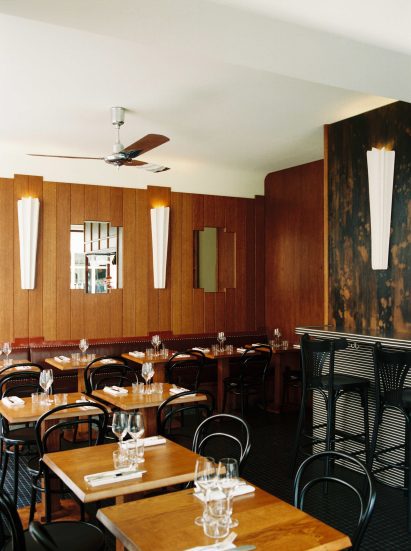
The success of Arcane 17 is a reminder that the most compelling design stories are often those that find the middle ground between two worlds: in this case, the rugged, historic soul of the Basque region and the sophisticated, refined sensibilities of modern-day Paris. As diners sit on their bentwood chairs, illuminated by the soft glow of Côme Clérino’s plaster shells, they are not just consuming food; they are experiencing a deliberate, thoughtful piece of architecture that challenges the definition of what a restaurant can be.
With the photography of Axel Aurejac capturing the play of light against the dark, ebonised surfaces, the visual legacy of the project is secured. Bétyle Studio has successfully demonstrated that even in a city as saturated with design history as Paris, there is always room for a new voice—provided that voice speaks in the language of impeccable craft and authentic narrative.

 Raul Delapena Setiawan
 Asep Darmawan