Ali Ikhwan

 Iffa Jayyana

 Muslim

 Nana

 Dwi Wanna
 Laily UPN
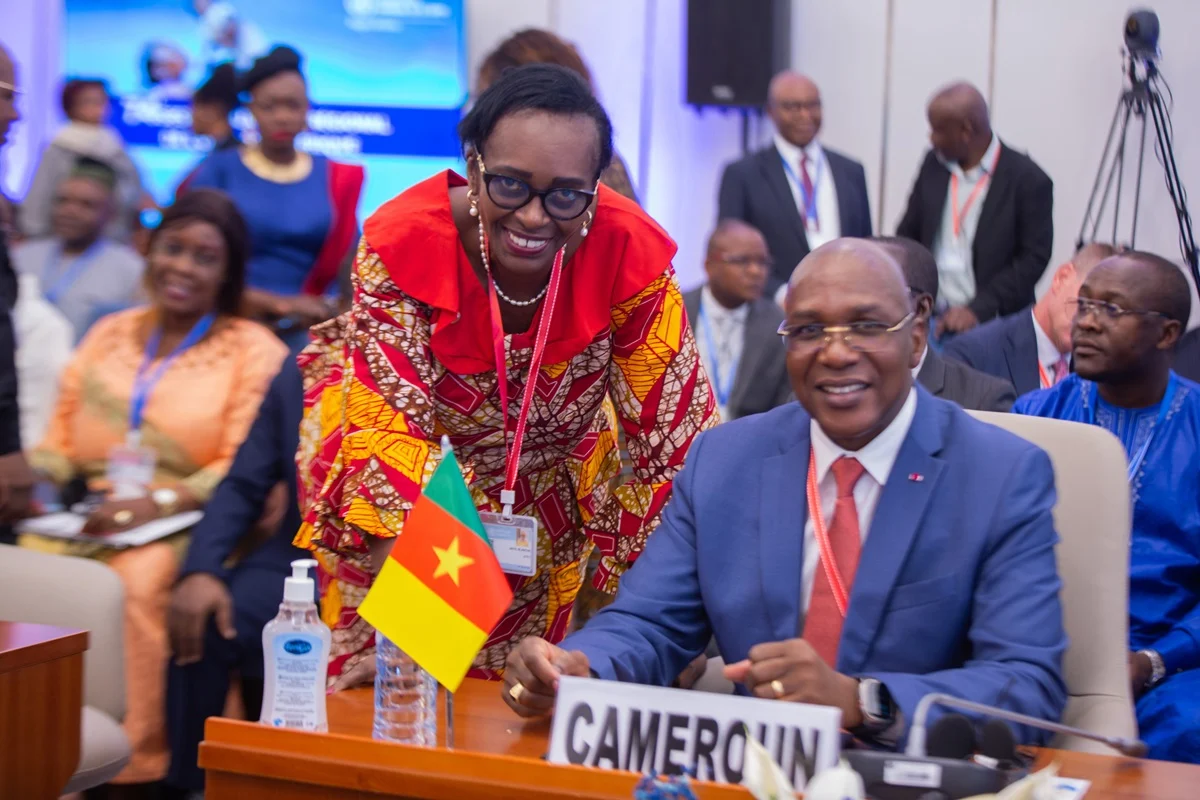
In a resounding display of continental solidarity and global health leadership, 14 African nations have collectively pledged more than US$ 45 million to the World Health Organization (WHO) Investment Round. This unprecedented commitment, announced during the WHO Regional Committee for Africa, marks a pivotal shift in the financial architecture of global health. By prioritizing sustainable, flexible funding for the world’s leading health agency, these nations are not merely participating in a fundraising initiative; they are actively shaping the future of global health security.
The Investment Round, a strategic three-month-old initiative, represents a departure from traditional, fragmented donor models. It seeks to transition the WHO toward a more resilient, predictable, and autonomous financial footing, ensuring the organization can fulfill its mandate to promote, provide, and protect health and well-being for all without the constraints of volatile, earmark-heavy funding.
The Core Mandate: Why the Investment Round Matters
To understand the gravity of the US$ 45 million pledge, one must first understand the financial history of the WHO. Historically, the organization has relied heavily on "earmarked" or "specified" voluntary contributions. While generous, these funds often come with strict mandates that restrict the WHO’s ability to respond to emerging crises or pivot resources toward systemic, long-term health infrastructure.
The Investment Round, launched at the World Health Assembly in May 2024, aims to address this structural bottleneck. The initiative is built upon three pillars:
- Flexibility: Moving away from donor-directed projects toward resources that align with the WHO’s overarching, Member State-approved strategy.
- Predictability: Securing multi-year commitments at the beginning of a budget cycle, allowing for long-term strategic planning rather than reactive budgeting.
- Resilience: Diversifying the donor base to reduce reliance on a handful of large donors, thereby insulating the WHO from political and economic shifts.
Chronology of a Financial Revolution
The path to this moment has been paved with years of advocacy for reform.
- May 2024: The WHO Investment Round is officially launched at the World Health Assembly. The initiative is presented as the primary solution to the "funding gap" that has historically hampered the organization’s ability to act as a truly independent health authority.
- August 2024: Preparatory discussions intensify across the African region. Leaders recognize that as the continent most impacted by both infectious diseases and emerging health threats, Africa has the most to gain from a strengthened, stable WHO.
- Late August 2024 (The Regional Committee Meeting): During the WHO Regional Committee for Africa, a historic consensus emerges. Heads of State and government ministers from 14 nations, alongside key philanthropic and institutional partners, finalize their pledges.
- The Announcement: The US$ 45 million figure is officially declared, signaling to the rest of the world that the African continent is leading by example.
Supporting Data: A Continental Commitment
The 14 nations that committed to the Investment Round include Botswana, Cabo Verde, Chad, Congo, Ethiopia, Gambia, Mauritius, Namibia, Niger, Rwanda, Senegal, Seychelles, South Africa, and the United Republic of Tanzania.
The contributions extend beyond sovereign nations. A coalition of influential global partners has signaled their intent to support the round, with several firms and foundations already pledging, including the Helmsley Charitable Trust, the World Diabetes Foundation, Roche, the Kuwait Fund for Arab Economic Development, the Bill & Melinda Gates Foundation, the African Development Bank, and the WHO Foundation.
This diverse donor base is critical. By involving the private sector alongside development banks and state actors, the WHO is testing a new model of "cooperative financing." This model acknowledges that global health is not solely the responsibility of governments, but a shared interest that requires the capital and expertise of multiple sectors.
Official Perspectives: Voices of Leadership
Dr. Tedros Adhanom Ghebreyesus, WHO Director-General
Dr. Tedros has been a vocal proponent of the Investment Round since his tenure began, often citing the irony of the world’s most important health agency having some of the most restricted funding.
"I thank our African Region Member States for actively supporting WHO’s first Investment Round to mobilize predictable and flexible resources needed for our core work over the next four years," Dr. Tedros stated during the announcement. "Full, sustainable funding will enable WHO to support countries better in their work to build healthier, more resilient, and more prosperous populations. This is about ensuring that when the next crisis hits, we are not searching for the resources to fight it, but rather utilizing a pre-established, robust foundation."
Dr. Matshidiso Moeti, WHO Regional Director for Africa
Dr. Moeti emphasized the pragmatism of the move. For the African region, the investment is seen as a protective measure against the "multiple health threats" that characterize the current landscape, from climate-driven outbreaks to the rise of non-communicable diseases.
"A strong, predictable and sustainably financed WHO is essential for our region and the world to meet the multiple health threats we face; and support the prevention of disease based on the vast evidence at our disposal," said Dr. Moeti. "Every pledge and every partnership counts. Together, we can achieve a future where health and well-being are accessible to all."
Strategic Implications: A New Era for Global Health
The success of this commitment carries profound implications for the international community.
1. Rebalancing Global Health Power
For decades, the discourse around global health has often featured Western nations as donors and African nations as recipients. This pledge flips the script. By being the first to step forward with significant, flexible capital, African nations are asserting their role as key stakeholders in the governance of the WHO. This move grants them greater leverage in determining the organization’s strategic priorities.
2. The Multiplier Effect of Flexible Funding
When funding is flexible, it allows for "un-siloed" health initiatives. Instead of funding specific projects—such as a single malaria vaccination campaign—flexible funds can be used to strengthen health systems as a whole: training healthcare workers, improving laboratory surveillance, and updating digital health infrastructure. These "horizontal" improvements have a ripple effect, strengthening the response capacity for all diseases simultaneously.
3. Setting the Bar for the Global North
With the African region having set a high bar, the pressure now shifts to other regions, including Europe, the Americas, and the Western Pacific, to follow suit. The WHO Investment Round is designed to be a global effort, and the success of the initiative will ultimately be measured by whether it can garner similar levels of commitment from the world’s largest economies.
Looking Ahead: The Road to Success
The Investment Round is not a one-time event; it is a long-term commitment strategy. The WHO plans to continue hosting pledging moments around the world in the coming months, building momentum toward the conclusion of the round.
For the international community, the challenge remains: can this momentum be sustained? The economic pressures on many nations are significant, with inflation and debt crises affecting government budgets globally. However, the African nations have demonstrated that even in challenging economic times, investing in the WHO is not an "optional" expense—it is an essential insurance policy against global instability.
The path forward will require continued transparency and accountability from the WHO. As the organization receives these new, flexible funds, it will be tasked with demonstrating that these resources are being translated into tangible health outcomes on the ground.
Conclusion: A Testament to Unity
The US$ 45 million pledge is more than just a line item in a ledger. It is a testament to the fact that, in an increasingly interconnected world, health is the common thread that binds all nations. By choosing to support the WHO in this novel and ambitious way, the 14 African nations have set a precedent for global cooperation. They have sent a clear message: the future of health is not something that happens to us; it is something we must actively finance and build together.
As the WHO moves into the next phase of its Investment Round, the world will be watching. The initiative stands as a critical test of whether the international community can move beyond the fragmented politics of the past to embrace a truly unified approach to global health security. For now, the leadership shown by the African region provides the most promising blueprint for success.
For more information on how to participate or to learn more about the strategic objectives of the initiative, visit the official WHO Investment Round portal.

 Layla Zulfa