Laily UPN

 Asro

 Sagoh

 Rifan Muazin
 Lina Irawan
By Food Safety News Desk
October 27, 2026
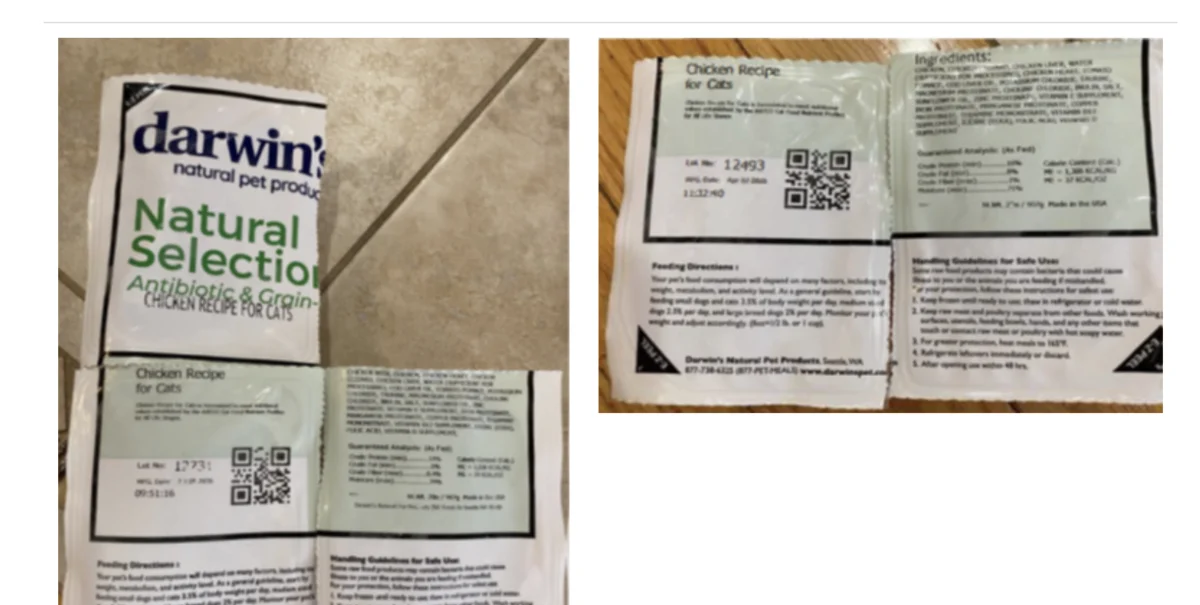
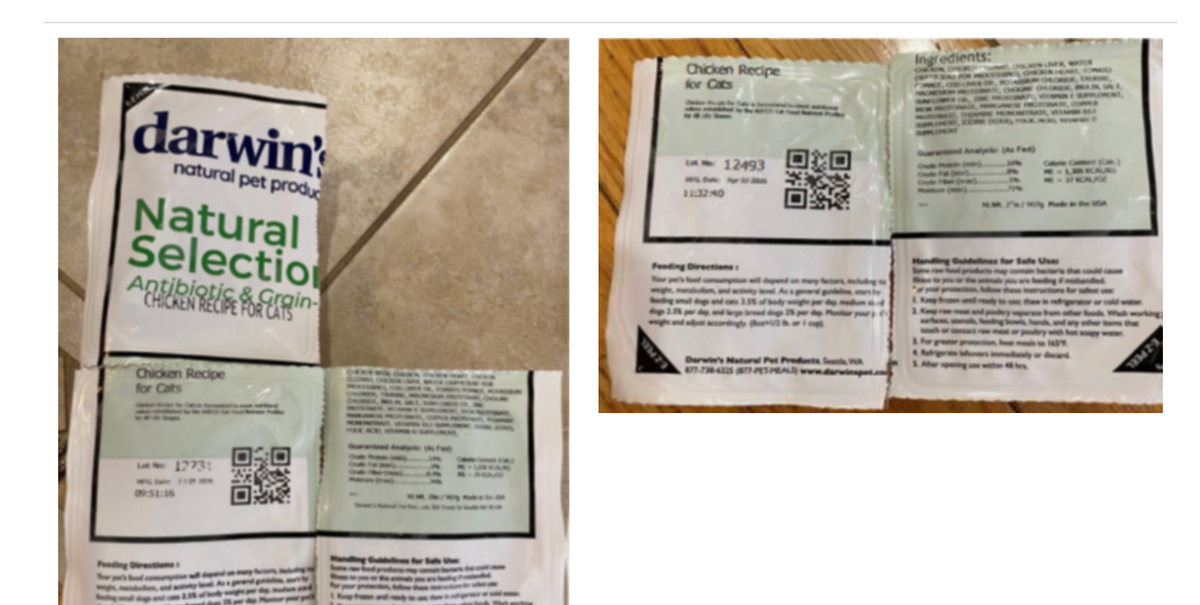
The ongoing saga between federal regulators and the Washington-based raw pet food manufacturer Arrow Reliance Inc., operating as Darwin’s Natural Pet Products, has reached a new level of tension. The U.S. Food and Drug Administration (FDA) has issued a stern public warning to pet owners following the discovery of Salmonella in the company’s "Natural Selections Chicken Recipe for Cats."
Despite documented evidence of contamination and a formal request from federal authorities to initiate a voluntary recall, the firm has refused to remove the affected products from the market. This latest development underscores a deepening rift between the FDA and the manufacturer, which has faced mounting legal pressure and regulatory scrutiny throughout 2026.
The Trigger: A Consumer Complaint and New Contamination
The FDA’s latest intervention was prompted by a consumer report involving two cats that became severely ill after consuming the implicated Darwin’s chicken recipe. One of the animals required emergency veterinary hospitalization. According to the report, both cats showed significant clinical improvement once the raw food was removed from their diet.
Following the complaint, laboratory testing confirmed the presence of Salmonella in the specific lots of Darwin’s Natural Selections Chicken Recipe for Cats. The FDA promptly reached out to Arrow Reliance Inc., strongly recommending a recall of the contaminated batches. However, in a move that has frustrated safety advocates and regulators alike, the company has declined to cooperate.
Because Darwin’s products are sold exclusively through a subscription-based online model and shipped directly to consumers in frozen, 2-pound packages, the lack of a formal recall is particularly dangerous. These products often lack expiration dates on their labels, meaning contaminated food could easily remain in household freezers for months, posing a persistent, silent risk to both pets and their owners.
A History of Pathogens: A Pattern of Recurrence
The October 2026 warning is far from an isolated incident. Darwin’s Natural Pet Products has been a recurring subject of FDA concern for years. Since 2023 alone, there have been six distinct instances where the company’s products have tested positive for dangerous pathogens. These incidents are merely the latest in a long, troubling timeline of safety failures dating back well before the current year.
The persistence of these findings suggests deep-seated systemic issues within the manufacturer’s production facility. In 2024, FDA inspectors conducting an onsite investigation of the company’s Tukwila, WA, facility uncovered Salmonella contamination within the manufacturing environment itself. This finding indicated that the facility’s sanitation protocols were insufficient to prevent the cross-contamination of raw ingredients.
The scale of the problem is best illustrated by the data: From 2016 through January 2026, the FDA has logged 49 separate consumer complaints directly linked to the feeding of Darwin’s raw pet food. The human and animal toll is sobering:
- Dogs: 34 reported illnesses, with five recorded deaths.
- Cats: 35 reported illnesses, with four recorded deaths.
The Legal Battle: Department of Justice Intervention
The regulatory frustration boiled over in August 2026, when the U.S. Department of Justice (DOJ) filed a formal complaint seeking to permanently shut down Arrow Reliance Inc. The DOJ’s complaint alleges that the company, under the leadership of Gary T. Tashjian, has consistently violated the Federal Food, Drug, and Cosmetic Act (FDCA).
The government’s legal filing points to more than just sick pets; it highlights the direct threat posed to human households. In one harrowing instance cited in the complaint, a 4-year-old child developed kidney failure after coming into contact with contaminated pet food. Third-party laboratory analysis of the family’s supply confirmed that the Salmonella and STEC (Shiga toxin-producing E. coli) found in the unopened Darwin’s packaging were a direct match to the bacteria that caused the child’s illness.
The DOJ is seeking a permanent injunction to prevent Tashjian and his business from manufacturing and distributing raw pet food, citing a failure to implement necessary "preventive controls." The government argues that by ignoring these basic safety mandates, the company has knowingly introduced adulterated food into interstate commerce, prioritizing its business model over the health and safety of the public.
The Risks of Raw Feeding: A Public Health Perspective
The case of Darwin’s has reignited a fierce debate within the veterinary and food safety communities regarding the risks associated with raw, or "biologically appropriate," pet diets. While proponents of raw feeding often cite benefits such as improved coat health and digestion, federal regulators consistently warn of the high risks of Salmonella, Listeria, and E. coli infections.
When a pet consumes raw food contaminated with these pathogens, they may shed the bacteria in their feces, even if they show no symptoms of illness. This creates a secondary vector for human exposure. When children or immunocompromised individuals handle pet food, touch their pet’s fur, or interact with contaminated surfaces, the risk of transmission increases dramatically.

The FDA’s current directive is explicit:
- Check your freezer: Consumers who subscribe to Darwin’s should immediately cross-reference their inventory with the lot information provided by the FDA.
- Dispose securely: If you possess the implicated product, do not attempt to cook it or wash it. Place it in a secure container where neither pets nor children can access it, and discard it immediately.
- Sanitize: Thoroughly clean all surfaces, feeding bowls, and storage containers that have come into contact with the food. Use hot, soapy water and a sanitizer, and wash hands thoroughly after handling any raw pet products.
Official Responses and Future Implications
As of late October 2026, Arrow Reliance Inc. has maintained a posture of defiance. The company has continued to operate its subscription service, effectively challenging the FDA’s authority to force a recall. This standoff is being watched closely by the pet food industry, as it sets a significant precedent for how the government manages "rogue" manufacturers that refuse to adhere to food safety standards.
For consumers, the situation serves as a stark reminder of the importance of vigilance. The FDA continues to urge owners to report any illness in their pets to the agency’s online "Safety Reporting Portal." These reports are vital for the FDA to build the necessary evidentiary trail to justify further regulatory or legal action.
The case against Darwin’s is far from over. With the DOJ’s lawsuit pending and new contamination reports surfacing, the survival of the company remains in question. For now, the most effective defense for pet owners remains caution: the absence of a formal recall from the manufacturer does not equate to the safety of the product.
How You Can Help
Food Safety News remains committed to investigating and reporting on this ongoing health crisis. We are a nonprofit, reader-funded news organization. Our investigative journalism is made possible by the support of our readers. Your tax-free contributions ensure that we can continue to hold companies and regulators accountable, providing the transparency necessary to protect public health.
As we track the legal proceedings in Washington and monitor for further FDA updates, we urge our readers to stay informed, check their supplies, and prioritize the safety of their households.
For more information on the specific lot numbers affected by this warning, please visit the official FDA website or sign up for our daily newsletter to receive breaking updates on this developing story.

 Lina Hope

 Suro Senen