Azzam Bilal Chamdy
 Neng Nana
 Nana Muazin
 Dwi Wanna
 Raul Delapena Setiawan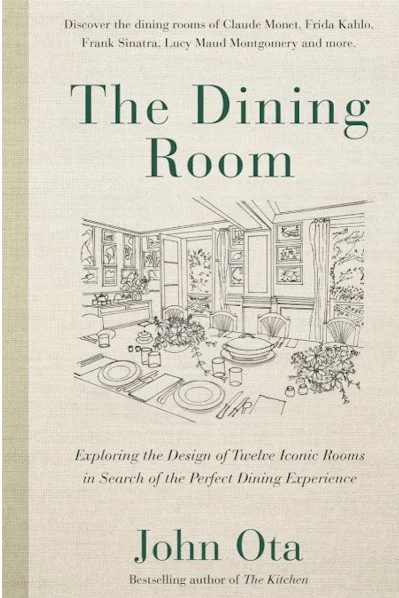
By Culinary Historians Editorial Staff
May 13, 2026
On Wednesday, May 13, 2026, at 7:00 PM Central Time, the Culinary Historians will host a virtual deep dive into the intersection of domestic architecture and social history. The guest of honor is esteemed architectural writer and author John Ota, who will present his latest work, The Dining Room, published by Penguin Random House.
This digital event, accessible via Zoom, promises to transport attendees through the threshold of history’s most influential domestic spaces. By examining twelve iconic dining rooms—ranging from the artistic sanctuaries of Claude Monet and Frida Kahlo to the power-brokering tables of Jackie Kennedy and Dr. Martin Luther King Jr.—Ota intends to illustrate how these rooms have functioned as more than mere settings for meals, but as architects of our collective cultural identity.
Main Facts: The Architecture of Connection
The central premise of Ota’s presentation is that the dining room acts as the "heart of the home," a space where architecture meets human ritual. His research for The Dining Room involved extensive travel and on-site analysis of historic houses, allowing him to document not only the aesthetic choices of the inhabitants but the atmospheric weight of the spaces themselves.
Ota’s presentation will move beyond static images, incorporating video tours of the featured dining rooms. Attendees will be treated to a sensory exploration of these spaces, accompanied by expert commentary on the interior design choices that defined their respective eras. Furthermore, Ota will bridge the gap between design and gastronomy by offering era-accurate recipes that reflect the culinary spirit of the homes he profiles.
The event is designed to be highly accessible, with the Culinary Historians ensuring that a recorded version of the presentation will be uploaded to their official YouTube channel within 24 hours of the program’s conclusion, providing a lasting resource for students, designers, and culinary enthusiasts alike.
Chronology: A Career Built on Design
John Ota’s trajectory toward becoming a chronicler of domestic spaces is a product of decades of rigorous academic and professional experience. His career began in 1978, a year that marked the start of his long-term engagement with the fields of architecture and design.
- Academic Foundations: Ota pursued his formal education at three prestigious institutions: Columbia University, the University of Toronto, and the University of British Columbia. This cross-continental education provided him with a unique, multi-faceted perspective on how design traditions vary across urban and rural landscapes.
- Professional Evolution: Following his graduation, Ota spent years practicing architecture in major cultural hubs, including Toronto, New York, and Vancouver. This professional tenure provided him with the technical knowledge necessary to critique not just the beauty of a room, but its structural integrity and functionality.
- The Transition to Authorship: Moving from the drafting table to the page, Ota achieved significant acclaim with his previous work, The Kitchen. That book cemented his reputation as a culinary architectural historian, earning him finalist status for both the 2021 Taste Canada Awards and the 2021 Paris Gourmand Cookbook Awards (book design category).
- The Current Chapter: The Dining Room represents the culmination of his current obsession—a global quest to visit historic residences, prepare regional dishes, and engage with the people who maintain these cultural touchstones.
Supporting Data: Twelve Rooms, Twelve Histories
While Ota’s full list of featured locations remains a highlight of the upcoming Zoom event, the selection of figures such as Monet, Kahlo, Sinatra, and King provides a window into the diversity of his scope.
The Artistic Sanctuary: Monet and Kahlo
Ota’s examination of Claude Monet’s dining room at Giverny highlights the interplay between light and domesticity. Monet, a master of color, treated his dining room as an extension of his impressionist canvas. Similarly, his analysis of Frida Kahlo’s dining space offers insight into the vibrant, folk-art-infused environment that nurtured one of the 20th century’s most significant surrealist voices.
The Power Table: Kennedy and King
The inclusion of Jackie Kennedy and Dr. Martin Luther King Jr. shifts the focus from aesthetics to politics. Ota explores how the dining room served as a space of diplomacy, strategy, and private respite for those in the public eye. In the case of the Kennedys, the room was a stage for global influence; for Dr. King, the dining table was a site of community building and the cultivation of non-violent resistance strategies.
Technical Design Elements
Ota’s approach is rooted in the "architecture of the room." This involves:

- Spatial Flow: How the dining room connects to the kitchen and the rest of the house.
- Materiality: The use of wood, lighting, and textiles to create a specific ambiance.
- Evolution: How these rooms have changed to accommodate modern life while maintaining their historical integrity.
Official Perspectives: The Value of Culinary History
The Culinary Historians organization emphasizes that this event is part of a larger mission to preserve the narrative of human experience through the lens of food and the places where it is consumed. By inviting Ota, the organization seeks to highlight that culinary history is inextricably linked to architectural history.
"John Ota’s work reminds us that when we look at a dining room, we are looking at the site of our most important conversations," a spokesperson for the Culinary Historians noted. "Whether it is a family dinner or a political meeting, the physical environment dictates the quality of that interaction."
Ota himself has expressed that his goal is to foster a deeper appreciation for the houses we live in. By studying the past, he argues, we can better design the future of our domestic environments. He encourages participants to come prepared with questions, noting that the Q&A portion of the Zoom call is often where the most insightful conversations occur.
Implications: Why the Dining Room Matters Today
In an era of open-concept floor plans and "eat-on-the-go" lifestyles, the traditional dining room has become an endangered space. Ota’s work serves as a critical counter-narrative, suggesting that the formal dining room is not an outdated luxury, but a necessary component of human social cohesion.
The Erosion of the Formal Space
The trend toward smaller living spaces and multifunctional rooms has led many to abandon the dining room entirely. Ota’s presentation will likely challenge this trend by demonstrating that the separation of the dining space from the living space provides a psychological shift—a "clearing of the palate"—that enhances the act of communal eating.
The Historical Recipe
By pairing his architectural analysis with era-accurate recipes, Ota provides a holistic experience. He argues that food tastes better when the environment matches the history of the cuisine. This interdisciplinary approach—blending history, architecture, and gastronomy—is a hallmark of his methodology.
A Resource for the Future
The decision to make the event available on YouTube post-presentation is an intentional move to ensure that this knowledge reaches a wider audience. Educators, design students, and historians are encouraged to utilize this archive for curriculum development.
Event Details and Participation
For those wishing to attend the live Zoom session on May 13, 2026, at 7 PM Central Time, registration is straightforward. Participants are encouraged to email [email protected] to secure their digital seat.
Summary of Logistics:
- Date: Wednesday, May 13, 2026
- Time: 7:00 PM Central Time
- Platform: Zoom (Link provided via email)
- Follow-up: Recorded session available on the Culinary Historians YouTube channel within 24 hours.
As the date approaches, the excitement surrounding Ota’s presentation continues to grow. By bridging the gap between the physical structure of our homes and the intangible history of our meals, John Ota invites us to look at our own dining rooms with a renewed sense of wonder and appreciation. Whether you are an architect, a history buff, or someone who simply enjoys a good meal in good company, this event promises to offer a unique perspective on the rooms that have shaped, and continue to shape, our world.


 Lina Irawan