

 Ali Ikhwan

 Iffa Jayyana

 Muslim

 Nana

 Dwi Wanna
 Layla Zulfa
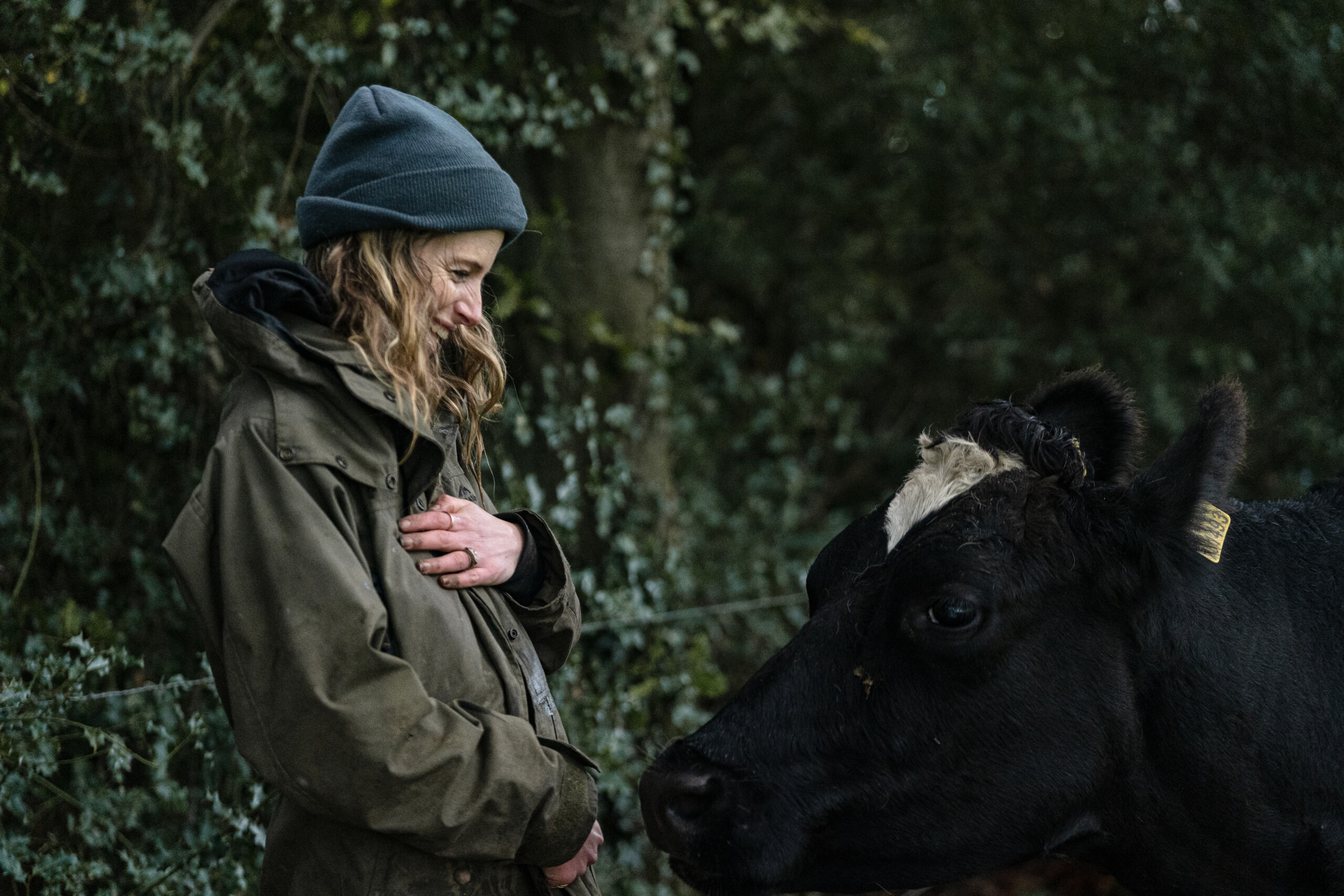
What does a farmer actually do all day? The shorthand answer—"farming"—is an architectural oversimplification of a profession that functions more like a hybrid of biology, mechanical engineering, data science, and high-level crisis management. For modern producers like Sophie Gregory, a first-generation organic dairy farmer on the Dorset-Devon border, the daily rhythm is defined by a constant, shifting equilibrium between the needs of the herd, the unpredictability of the climate, and the administrative demands of a modern agricultural enterprise.
This report explores a month in the life of a dairy farm, pulling back the curtain on the labor-intensive reality behind the carton of milk on your breakfast table.
The Anatomy of Modern Agriculture: Main Facts
At its core, modern dairy farming is an exercise in animal welfare, soil health, and resource logistics. The primary objectives are straightforward: maintain a healthy, high-welfare herd, manage grazing land to ensure optimal nutritional intake, and ensure that the farm’s operations remain financially and environmentally sustainable.
However, the "farm-to-fridge" journey is underpinned by complex variables:
- Animal Welfare: Routine medical testing, monitoring behavioral patterns, and housing infrastructure.
- Environmental Stewardship: Managing soil degradation, nutrient runoff, and seasonal grazing cycles.
- Economic Resilience: Securing feed supplies, managing machinery logistics, and navigating regulatory compliance.
For farmers like Gregory, the profession is increasingly defined by "precision agriculture"—a philosophy where small, data-driven decisions regarding cow comfort and feed quality lead to significant cumulative gains in herd productivity and welfare.
Chronology of a Working Month: October Dispatches
The transition from early autumn to the onset of winter is a high-pressure period for dairy farmers. October serves as the "great bridge" between the grazing season and the winter housing period, requiring rapid adaptation to shifting weather patterns.
7 October: The Budgeting Challenge
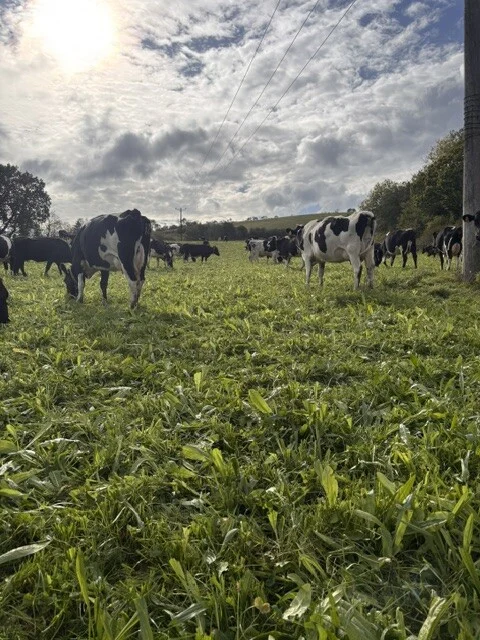
As days shorten and temperatures drop, the primary operational focus shifts to the "grass budget." While the grass continues to grow, its nutritional density and availability are no longer guaranteed. Gregory highlights the friction between biological reality and management: "Having grass in the field and getting it into a cow are two very different things." Because cows cannot calculate their own caloric intake based on seasonal limitations, the farmer must act as the arbiter of their nutrition, managing the balance between field grazing and supplementary feed.
9 October: The TB Milestone
The health of the herd is the paramount priority. On 9 October, the farm reached a critical milestone: passing a Bovine Tuberculosis (TB) test for over 600 animals. TB testing is a nerve-wracking, logistically complex, and high-stakes endeavor. For a farmer, a clear result is not just a regulatory hurdle cleared; it is a profound relief that protects the economic and biological future of the entire operation. It is a testament to the precision of team coordination, ensuring that hundreds of animals are moved and processed with minimal stress.
12 October: Bridging the Urban-Rural Divide
The responsibilities of the modern farmer often extend beyond the farm gate. Gregory swapped her wellies for formal attire to speak at New Scientist Live in London. This reflects a growing trend in the industry: the necessity of public engagement. By connecting with the public, farmers provide transparency about where food comes from, demystifying the industry and fostering a better understanding of the complexities of livestock care.
18 October: The Silage Victory
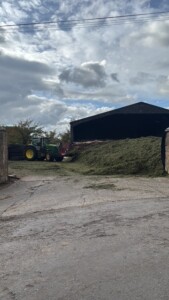
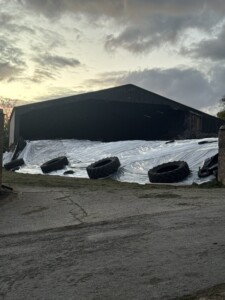
October is dominated by the "silage harvest"—the process of storing forage for winter. This year, nearly 300 acres were harvested across two pits. This is a massive logistical operation requiring coordinated machinery and a "small army" of staff. Following a challenging growing season, the completion of this task is a relief-filled victory. It secures the herd’s nutrition for the coming months, turning the labor of the summer into the security of the winter.
22 October: Winter Preparations
As the month draws to a close, the focus shifts to infrastructure. The process of "housing"—moving cows from open pastures to sheltered, cubicle-equipped barns—is not merely for warmth. It is a protective measure for the land itself. By moving the herd indoors, farmers prevent the soil from becoming churned and damaged during wet, muddy months, ensuring the pasture remains healthy for the following spring.
Supporting Data: The Science of Cow Behavior
One of the most compelling insights from the farm is the utilization of behavioral science. Cows are creatures of habit; their individual preferences for specific "beds" (cubicles) and their rigid adherence to milking parlor routines are essential diagnostic tools.
- Behavioral Diagnostics: A deviation from a cow’s established routine—hanging back from the herd or choosing a different resting spot—is often the first early-warning sign of illness.
- Personalization: Recognizing individual temperaments allows for more targeted care, reducing stress and increasing overall herd yield.
- Efficiency Metrics: The successful management of a 600-head herd requires constant, data-driven monitoring of feed ratios, milk production, and environmental impact.
Official Responses and Industry Context
The agricultural sector is currently under immense pressure to reconcile high production standards with environmental sustainability. The Sustainable Food Trust and other agricultural bodies consistently emphasize that the "everyday" act of producing milk is the result of intricate, year-round planning.
When asked about the public’s perception of farming, experts note that the disconnect between the consumer and the producer is widening. Initiatives like the Farmer Diary serve as an official industry response to this, providing a raw, unfiltered look at the challenges of organic dairy production. By documenting the logistical hurdles—from the 700 weather checks required for the silage harvest to the psychological toll of TB testing—the industry aims to promote a more nuanced understanding of the labor, ethics, and science involved in food production.
Implications: The Future of Dairy
The implications of this month-long snapshot are clear: the modern farmer is an ecosystem manager. The shift towards sustainable, high-welfare dairy farming requires a high degree of technical expertise and emotional resilience.
- Technological Integration: The future of the industry will rely on further integrating technology to monitor herd health, potentially reducing the need for manual, high-stress interventions like large-scale TB testing.
- Public Transparency: The success of the dairy sector will be increasingly linked to its ability to communicate its practices to a skeptical urban population. Farmers who can articulate the "why" behind their practices—such as why cows are housed in winter—are winning the trust of consumers.
- Climate Adaptation: As the British weather becomes increasingly unpredictable, the "four seasons before breakfast" reality will require more investment in resilient feed systems and infrastructure capable of handling extreme weather events.
Conclusion
The diary of a farmer reveals that the profession is rarely about the single act of milking cows. It is a life of constant problem-solving, team management, and environmental stewardship. Whether it is navigating the bureaucratic anxiety of health testing or the physical exhaustion of a silage harvest, the farmer remains the backbone of a food system that is as fragile as it is essential.
The next time you pour a glass of milk, consider the 300 acres of silage, the 600 TB-cleared cows, and the endless, unpredictable, and deeply rewarding cycle of the farm that made it possible. As Sophie Gregory demonstrates, it is a life defined by the harmony of tradition and the rigor of science—a life that is, in every sense, anything but a one-job profession.

 Sagoh
 Rifan Muazin

