 Dwi Wanna
 Nana Wu
 Muslim
 Reynand Wu
 Ammar Sabilarrohman
 Ali Ikhwan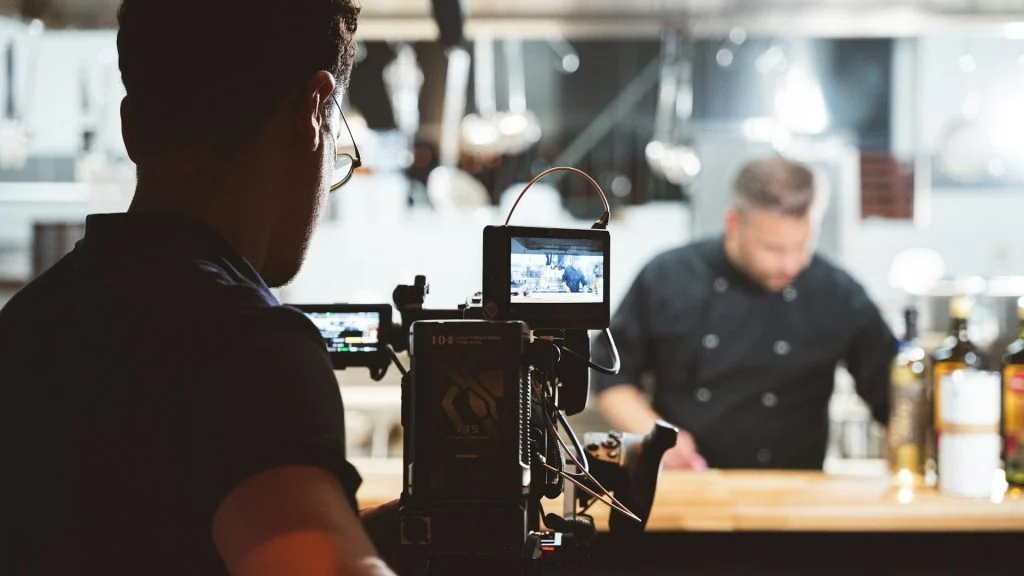
In the high-pressure, razor-thin margin world of restaurant management, the focus is almost exclusively on the food: food costs, food prep, and food quality. Yet, as the digital landscape evolves, a growing number of operators are discovering that the most potent tool in their arsenal isn’t a new menu item or a discount coupon—it’s the narrative behind the business.
For modern restaurant operators, content marketing has transcended being a "nice-to-have" social media task. It has become a strategic imperative for building brand loyalty and community. By leveraging podcasts, blogs, and targeted social media, restaurateurs are turning transactional dining experiences into long-term, relationship-based communities.
The Core Philosophy: Connection Over Consumption
The traditional marketing funnel—attract, convert, retain—often feels cold and clinical. However, successful operators are shifting toward a community-first model. As industry experts note, content creation is not about pushing promotions; it is about extending the hospitality experience beyond the physical walls of the establishment.
Whether it is a deep-dive podcast series or a series of blog posts highlighting local supply chains, content provides a window into the "why" of a restaurant. It creates a shared history between the business and the patron. When a customer understands the labor behind a generational recipe or the passion of a local farmer, the meal itself takes on a new value proposition.
Chronology of a Content Strategy: From Concept to Community
Building a successful content engine is not a sprint; it is a methodical process. For operators looking to integrate storytelling into their business model, the following progression is standard:
- Phase One: Discovery (Defining the Hook). Every restaurant has a unique narrative. Identifying this is the foundation. It might be the three-generation history of a family pizzeria or the grit of a startup food truck. This phase requires an internal audit of what makes the business unique.
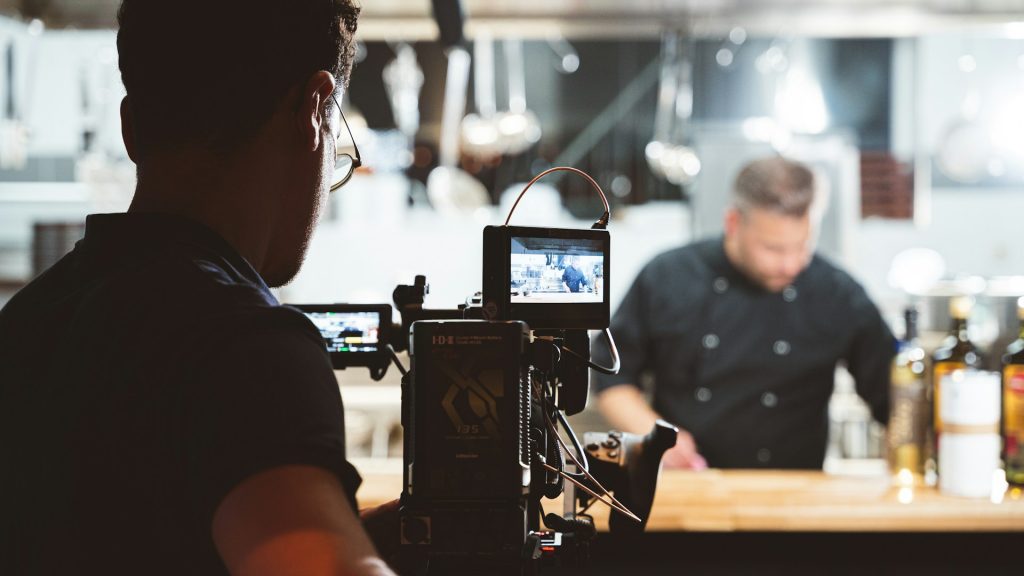
- Phase Two: Infrastructure and Tooling. The barrier to entry is lower than ever. The era of high-production, agency-led content is being replaced by the era of authenticity. A smartphone and a high-quality Bluetooth microphone are the only requirements for high-impact audio content.
- Phase Three: Strategic Deployment. This involves selecting the platform that fits the audience. If the target is the local neighborhood, social media snippets are ideal. If the target is a broader community of food enthusiasts or industry peers, a podcast may be more effective.
- Phase Four: Integration. Bringing the content into the physical space via QR codes, table tents, and register-side signage bridges the gap between digital and physical.
- Phase Five: Sustained Engagement. This is the "long game" phase where consistency beats intensity. Regular, predictable content cycles help build a habit among the audience, turning casual listeners or readers into brand evangelists.
Supporting Data: Why Authenticity Drives ROI
While restaurant owners often worry about the "cost" of content creation, the return on investment is increasingly measured in retention and brand equity. Data from independent operators who have adopted these strategies suggest that businesses with a consistent content cadence report higher customer recall and increased word-of-mouth referrals.
The "Local Coffee Shop Case Study" serves as a benchmark for this approach. By producing hundreds of episodes covering everything from shop management to industry struggles, a single neighborhood cafe managed to build a national following among other business owners. This didn’t just increase coffee sales; it elevated the shop’s status to a thought leader in the hospitality space, creating diverse revenue streams and networking opportunities that a standard marketing campaign never could have achieved.
Expert Insights: Overcoming the Resource Barrier
One of the most frequent objections from operators is, "I simply don’t have the time." To address this, the industry is seeing a shift toward decentralized content creation.
Delegating and Empowering Staff
Restaurateurs are increasingly identifying "content-native" staff members. These are the employees who are already savvy with editing apps and social media trends. By offering a stipend or a creative bonus, operators can transform an existing team member into a media lead.
The Intern Pipeline
Local journalism and marketing students represent an untapped resource for restaurants. These students often seek portfolios of work, and in exchange for mentorship and access to the inner workings of a restaurant, they can provide professional-grade content management. This creates a symbiotic relationship: the restaurant gets high-quality marketing materials, and the student gains hands-on, real-world experience.
Strategic Guardrails: Ensuring Brand Alignment
As with any public-facing initiative, content requires governance. Not every trend is worth pursuing, and not every thought belongs on a company feed. Experts recommend establishing "guardrails" to ensure that the content remains on-brand.
- Tone of Voice: Define whether the brand is professional, humorous, or educational.
- Topic Boundaries: Determine which industry or societal issues the brand will engage with, and which it will avoid to prevent unnecessary controversy.
- Approval Workflows: Even if a staff member or intern is creating the content, the owner or a designated manager should maintain final sign-off authority to ensure consistency.
Implications for the Future of Dining
The long-term implication of this content-centric shift is a fundamental change in how restaurants interact with their neighborhood. We are moving away from the "billboard era" and into the "conversation era."
The "Content-to-Marketing" Flywheel
One of the most significant advantages of this strategy is the efficiency of content recycling. A single, well-researched blog post on local sourcing can be repurposed into:
- A 30-second Instagram Reel for quick consumption.
- A section in a monthly newsletter to drive site traffic.
- A script for a 10-minute podcast episode.
- Background material for a local press release.
This "flywheel effect" means that a small amount of effort at the source provides a massive amount of output across multiple channels.
Building Trust in a Skeptical Market
Modern consumers are increasingly skeptical of paid advertising. They crave transparency and authenticity. When a restaurant shares the struggles of running a business, the challenges of sourcing ingredients, or the stories of its long-term staff, it builds a level of trust that traditional advertising cannot replicate. This trust is the ultimate insurance policy for any business. When a neighborhood feels personally connected to a restaurant, they are significantly more likely to support it during economic downturns or competitive shifts.
Conclusion: Playing the Long Game
For the restaurant operator, the decision to start a podcast or a blog should not be taken lightly, but it should be viewed as an investment in the business’s longevity. Success will not happen on day one. There will be episodes with low listen counts and blog posts that receive minimal traffic. However, the value is not in the immediate viral hit; it is in the cumulative effect of building an authentic, transparent, and connected brand.
By focusing on the "why" behind the food, restaurants can evolve from being mere service providers into pillars of their local community. The technology is available, the barrier to entry is low, and the need for genuine connection has never been higher. The only thing left for the operator to do is pick up the microphone and start the conversation.

 Jia Lissa
 Iffa Jayyana