 Dwi Wanna
 Nana Wu
 Muslim
 Reynand Wu
 Ammar Sabilarrohman
 Basiran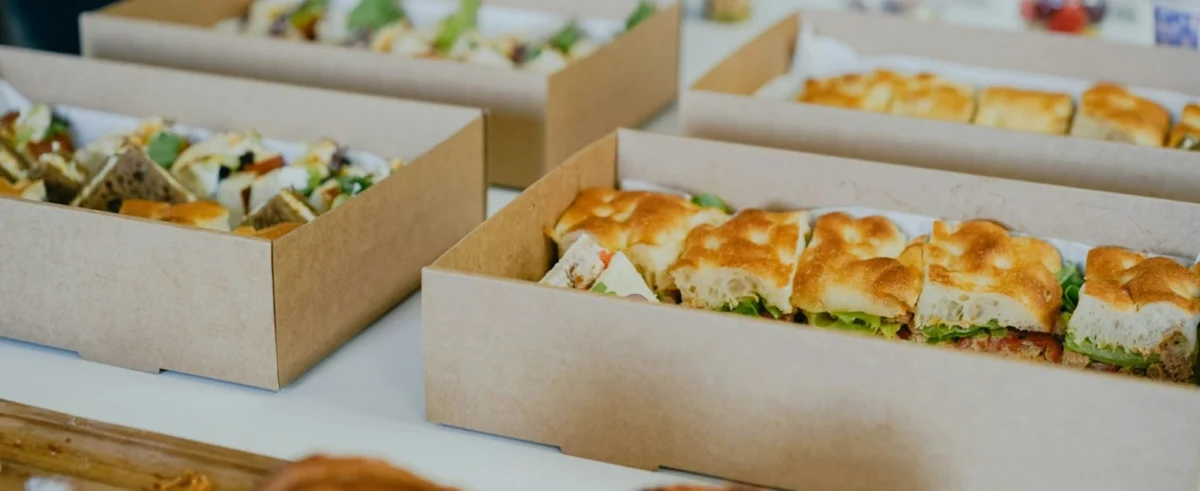
In the evolving landscape of post-pandemic corporate culture, the office cafeteria has undergone a radical metamorphosis. No longer just a convenience for employees tethered to their desks, high-quality, curated food programs have emerged as a primary lever in return-to-office (RTO) strategies. According to the 2026 Workplace Catering Insights Bundle released by industry leader ezCater, this shift represents more than just a morale booster; it is a critical growth engine for restaurants looking to capture new, loyal customer bases.
As businesses compete to entice employees back into physical workspaces, the reliance on catered food has reached an all-time high. For restaurants, this provides a unique, high-volume marketing channel that effectively turns an office lunch into a lead-generation event.
The Main Facts: Catering as a Marketing Engine
The fundamental premise of the new report is that workplace catering is the most efficient form of "discovery marketing" available to modern food-service providers. Unlike traditional social media advertising or local flyers, catering drops a restaurant’s product directly into the hands of potential customers during a captive, communal moment.
The data reveals that catering is no longer an occasional expense for company milestones; it is a recurring operational strategy. Restaurants that integrate themselves into the corporate supply chain gain immediate access to a "Halo Effect"—a phenomenon where the positive experience of a catered meal at work translates directly into increased individual and household spending at the restaurant.
Chronology: From Perk to Pillar
To understand the current state of workplace catering, one must look at the progression of the "Food-as-a-Benefit" model over the last several years:
- 2020–2021 (The Disruption): The pandemic brought office catering to a near-total standstill as remote work became the global default. Restaurants pivoted to direct-to-consumer delivery to survive.
- 2022–2023 (The Hybrid Experiment): As offices reopened, food was used as a tentative incentive. The quality of food was often secondary to the mere presence of it.
- 2024–2025 (The Professionalization): Companies realized that "any food" was not enough. Data showed that high-quality, diverse food options significantly increased the number of "in-office" days reported by staff.
- 2026 (The Strategic Integration): As of this year, food is now viewed as an essential productivity tool. Companies are formalizing relationships with catering platforms, and restaurants are restructuring their kitchens to accommodate the specialized, high-volume needs of corporate clients.
Supporting Data: The Power of the "Halo Effect"
The numbers presented by ezCater provide a compelling argument for why restaurants must prioritize the B2B catering sector. The "Halo Effect" is supported by three primary metrics:
- High Conversion Rates: A staggering 62 percent of employees who first experience a restaurant’s food through a workplace catering event go on to order from that same restaurant personally. This demonstrates that the office environment serves as a "trial" space, lowering the barrier to entry for new customers.
- The Multiplier Effect: The influence of a good catering experience extends beyond the individual. Approximately 67 percent of those employees recommend the restaurant to friends and family after their first office-based encounter.
- Appetite for Discovery: Perhaps most encouraging for small or emerging brands is the fact that 96 percent of workplaces reported trying a new restaurant last year. This suggests that the corporate sector is not just relying on established chains; they are actively scouting for variety and novelty to keep employees engaged.
Official Perspectives: Redefining Corporate Culture
Industry leaders are vocal about this transition. Cindy Klein Roche, Chief Growth Officer at ezCater, emphasizes that the strategic value of food has moved well beyond a "nice-to-have" perk.
"Food is no longer just a perk," says Roche. "It is a critical tool for productivity and engagement. The impact of these orders is massive for restaurants, as catering is a powerful channel for brand awareness that is almost impossible to replicate with traditional advertising spend."
Roche notes that when a restaurant provides a lunch for 50 people, they are effectively buying 50 minutes of undivided attention and tasting time. If the food is high-quality, the restaurant has essentially performed a live-action focus group and marketing campaign simultaneously.
Implications for the Restaurant Industry
The implications of these findings are profound for restaurateurs, particularly those operating in urban centers or business districts.
1. Kitchen Operations Must Pivot
Restaurants can no longer view catering as an "add-on" to their standard service. To succeed in the 2026 climate, kitchens must be capable of scaling production without sacrificing the quality that drives the "Halo Effect." This often involves dedicated prep stations, specialized packaging that keeps food fresh during transport, and logistics planning that ensures timely delivery.
2. The Shift in Marketing Spend
For many restaurant owners, the realization that 62 percent of their new individual customers are coming from workplace referrals should trigger a reallocation of marketing budgets. Investing in catering-specific software, building relationships with office managers, and optimizing catering menus may provide a higher return on investment than social media ad campaigns.
3. Cultural Curation and Dietary Needs
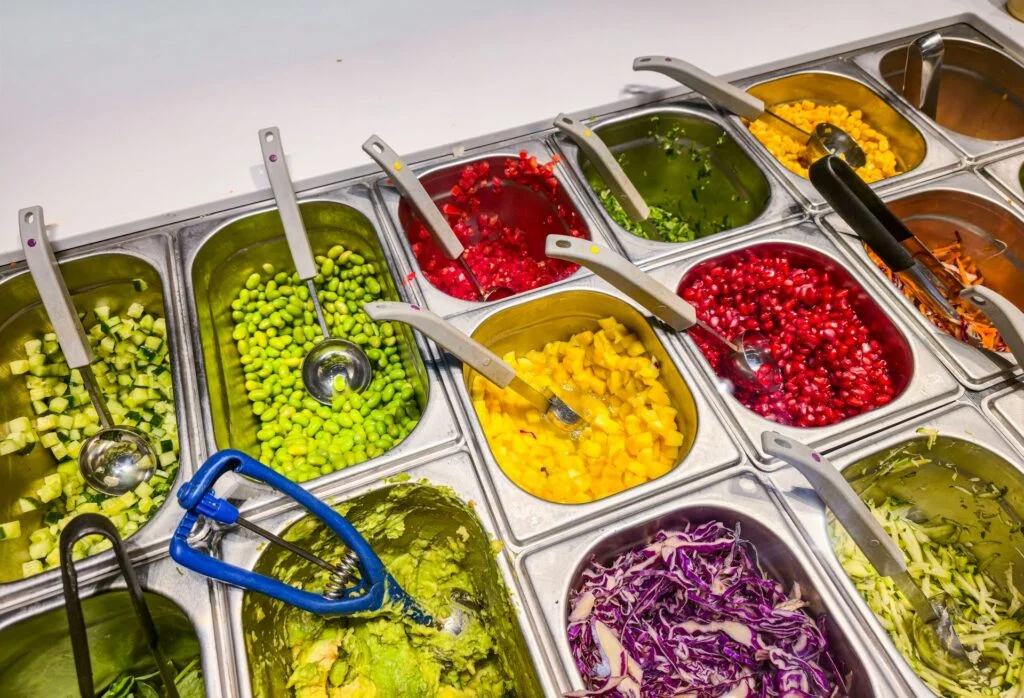
Modern offices are increasingly diverse, and dietary restrictions (vegan, gluten-free, keto, halal) have become standard requirements rather than outliers. Restaurants that offer modular, customizable catering menus are winning the lion’s share of corporate contracts. The ability to cater to an entire team’s diverse preferences is now a prerequisite for being added to a company’s "approved vendor" list.
4. Brand Loyalty and Retention
Because catering builds an emotional connection through shared experience—the "watercooler effect"—restaurants that become staples in office environments build a level of brand loyalty that is difficult to break. When an employee associates a specific brand of tacos or salad with a productive Friday lunch meeting, that association persists long after they clock out.
Strategic Recommendations for Restaurateurs
Based on the 2026 data, restaurants looking to capitalize on this trend should focus on four pillars:
- Reliability: In the corporate world, punctuality is as important as flavor. A late lunch can disrupt a meeting, costing the company more than just the price of the food.
- Presentation: Catering is a visual advertisement. Even if it is in disposable packaging, the way the food is arranged and the inclusion of branding materials (like menus or thank-you cards) can significantly influence whether an employee decides to order personally.
- Simplified Ordering: Businesses need seamless, digital-first ordering experiences. Platforms that allow for easy group ordering, individual payment splitting, and automated scheduling are essential to landing recurring corporate contracts.
- The "Sample" Strategy: Savvy restaurants are including small samples of new menu items in their catering orders. This creates a low-stakes way to test new products on a captive audience, gaining instant feedback before a full-scale menu rollout.
The Future of the Corporate Dining Experience
As we look toward the second half of 2026 and beyond, the marriage between corporate strategy and restaurant success seems more solidified than ever. The office is becoming a theater for culinary discovery.
The traditional restaurant model, which relies on foot traffic and individual discovery, is being supplemented—and in many cases, eclipsed—by the predictability and high volume of the catering market. For the entrepreneur, the path to growth is clear: align your business with the needs of the modern, hybrid office, and let the employees do the marketing for you.
The "Halo Effect" is more than a metric; it is a new paradigm. By transforming the office lunch from a logistical necessity into a culinary event, restaurants are securing a permanent place in the lives of their customers—both during the work week and beyond. As companies continue to search for ways to justify the office commute, the quality and variety of their catering programs will remain a decisive factor in their success. Restaurants that recognize this shift now will find themselves at the forefront of a revitalized industry, one where every catering order is a bridge to a loyal, lifetime customer.

 Jia Lissa
 Iffa Jayyana