

 Azzam Bilal Chamdy
 Neng Nana
 Nana Muazin
 Dwi Wanna
 Raul Delapena Setiawan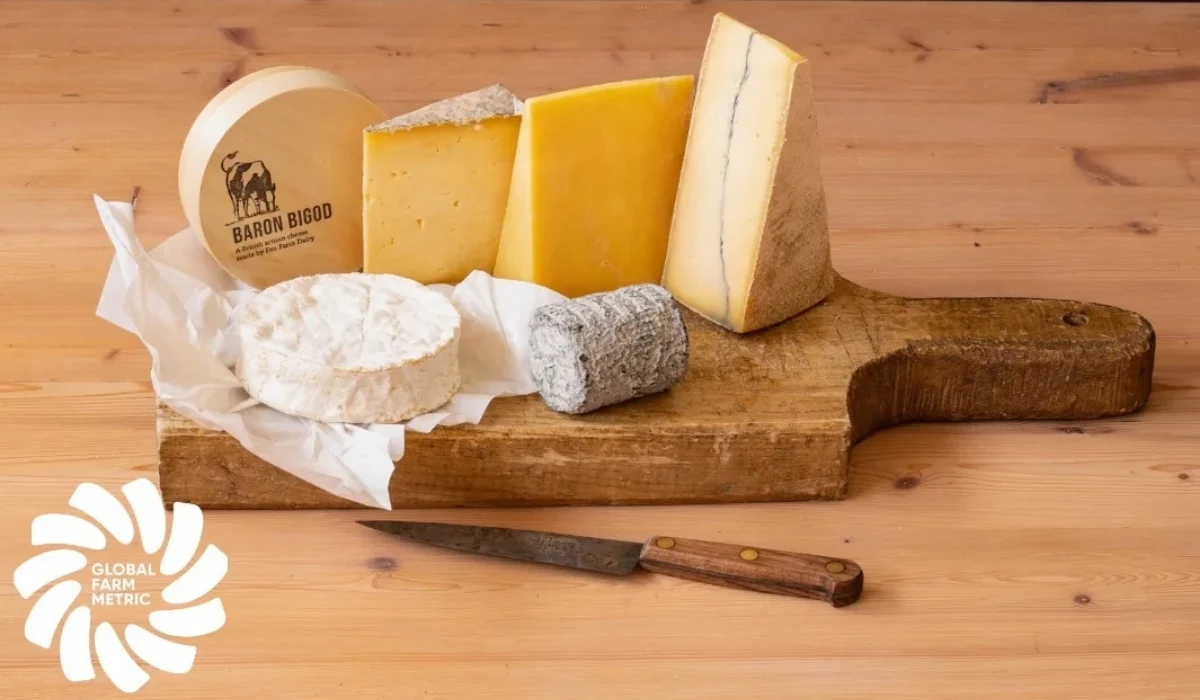
For nearly five decades, Neal’s Yard Dairy (NYD) has functioned as a cultural curator of British and Irish farmhouse cheese. While the company’s reputation is built upon the sensory mastery of its mongers—the ability to identify the perfect profile of a cloth-bound cheddar or a creamy blue—a significant shift is occurring in how they evaluate their suppliers. In a landmark collaboration with the Sustainable Food Trust (SFT), NYD has completed a comprehensive trial of the Global Farm Metric (GFM), an initiative that seeks to replace superficial sustainability labels with a rigorous, holistic assessment of the farming systems themselves.
The Core Objective: Redefining Sustainability in Dairy
At the heart of this initiative is a fundamental question: How do we measure the health of a farm? Traditionally, the food industry has relied on isolated metrics—carbon footprints or water usage—to quantify sustainability. However, NYD and the SFT argue that such reductionism fails to capture the intricate web of life on a working farm.
The GFM framework operates on the principle that a farm is an ecosystem of interconnected parts. By assessing twelve distinct dimensions—ranging from soil health and biodiversity to animal welfare, economic resilience, and social impact—the GFM attempts to map the holistic reality of food production. For Neal’s Yard Dairy, this was not just an academic exercise; it was an attempt to provide their customers with the transparency they increasingly demand.
A Chronology of the 2025 Trial
The journey toward the GFM integration was years in the making, rooted in long-standing relationships between the dairy and agricultural thought leaders.
- Pre-2025: Conceptual Foundation: Through repeated visits to the farm of Patrick Holden, founder of the Sustainable Food Trust, and discussions over his kitchen table, NYD’s leadership became deeply invested in the SFT’s developing framework.
- Early 2025: Invitation to Participate: NYD invited all farmhouse cheesemakers who manage their own livestock to participate in a pilot program. The response was robust, with twelve independent producers committing to the rigorous data collection process.
- Mid-2025: The Assessment Phase: Over several months, farmers worked alongside the GFM team and Dr. Sara Hall—a researcher from the University of Bristol and a former cheesemonger—to document their practices. This phase was iterative; the farmers’ feedback was essential in refining the GFM assessment tool itself.
- Late 2025: Data Synthesis: The team analyzed the findings, comparing the results against a broader set of seventy-one mixed-use farms and a specialized cohort of twenty-two dairy farms from Dr. Hall’s academic research.
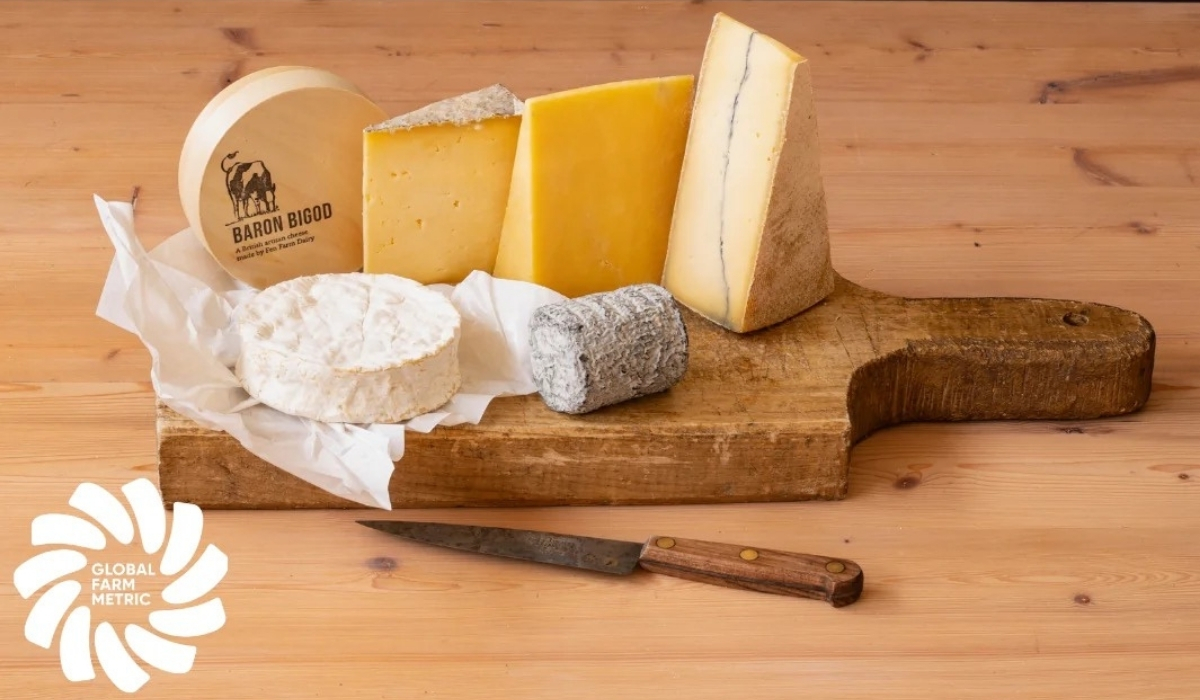
- 2026: Implementation and Transparency: The results led to the launch of the "Global Farm Metric Cheese Selection," a curated range of products highlighting the producers who underwent the trial, providing a new way for consumers to engage with the provenance of their food.
Supporting Data and Benchmarking
The benchmarking results were both heartening and clarifying. When compared to the wider set of agricultural operations, the twelve participating cheesemakers consistently outperformed their peers in categories such as Nature, Public Goods Delivery, and Community Governance.
This data provided empirical weight to a belief long held by the team at NYD: that independent, small-scale cheesemakers are often the quiet stewards of the countryside. They are not merely "producing milk"; they are managing local biodiversity, maintaining rural infrastructure, and fostering economic stability in regions that might otherwise struggle.
However, the data also highlighted a crucial lesson in complexity. The study found that comparing a farm on a remote, upland crag in Wales to a fertile lowland dairy in the English countryside is fraught with difficulty. The metrics revealed that, in many cases, small numerical variations did not equate to meaningful differences in quality or practice. This led to a significant realization: the goal was not to create a "league table" or a "winner," but to provide a deeper narrative of value.
Official Perspectives: The Philosophy of Complexity
Patrick Holden, founder of the Sustainable Food Trust, has long advocated for the "harmonious" approach to farming. His collaboration with NYD represents the first time this high-level theory has been applied to the artisan dairy sector.
For the team at Neal’s Yard Dairy, the takeaway was clear: "Complexity isn’t a problem; it’s the point." They emphasize that sustainability is not a destination but a trajectory. A farm that is currently investing heavily in soil restoration or animal welfare may show different immediate results than a "perfectly" managed estate. Recognizing the direction of travel is just as important as the current status.
Furthermore, the involvement of Dr. Sara Hall proved instrumental. Her role provided a bridge between the practical demands of the dairy and the academic rigor of environmental science, ensuring that the qualitative stories of the cheesemakers were not lost in the quantitative data.
The Implications for the Future of Food Retail
The implications of this trial extend far beyond the walls of Neal’s Yard Dairy’s London shops. As the industry grapples with climate change and the pressure to move toward regenerative agriculture, the GFM project offers a blueprint for honest communication.
1. Moving Beyond "Headline" Figures
The project serves as a warning against the oversimplification of sustainability. Retailers often pressure producers for single-number scores—such as carbon counts—which can be misleading or easily "gamed." NYD’s rejection of this approach in favor of a holistic, nuanced view sets a new standard for ethical retail.
2. Easing the Burden on Farmers
The trial highlighted that excessive data collection can be a burden on busy farmers. Moving forward, NYD is exploring the use of a smaller, high-impact set of indicators that provide the most critical insights without overwhelming the producer.
3. Educating the Consumer
Perhaps the most lasting impact will be on the consumer-producer relationship. By introducing the GFM logo as a "signpost" in their shops and online, NYD is encouraging a deeper, more inquisitive engagement. Customers are no longer just buying a product based on flavor; they are being invited to support systems that prioritize the health of the land and the longevity of rural communities.
4. Setting a Precedent
By opening their supply chain to such a transparent, audit-heavy process, Neal’s Yard Dairy has effectively "raised the bar." Other retailers in the artisan food space will likely face increased pressure to justify their own sourcing claims with similar levels of depth.
Conclusion: A Continuous Journey
The partnership between Neal’s Yard Dairy and the Sustainable Food Trust has not provided a "final answer" to the question of sustainability. Instead, it has provided something far more valuable: a roadmap.
The project has reaffirmed that the best cheeses are often the product of systems that value the long-term health of the environment as much as the immediate quality of the curd. As NYD continues to integrate these insights into their operations—through website filters, shop displays, and the upcoming "Cheese of the Month" features—they are proving that the most sustainable choice a consumer can make is to support producers who are not afraid to be fully transparent.
In an era where "greenwashing" has become a common marketing tactic, the work being done here is a testament to the power of authentic, messy, and fundamentally honest engagement with the realities of farming. The trial is over, but for the farmers, the mongers, and the customers of Neal’s Yard Dairy, the journey toward understanding the true cost and value of our food has only just begun.


 Iffa Jayyana
