

 Azzam Bilal Chamdy
 Neng Nana
 Nana Muazin
 Dwi Wanna
 Raul Delapena Setiawan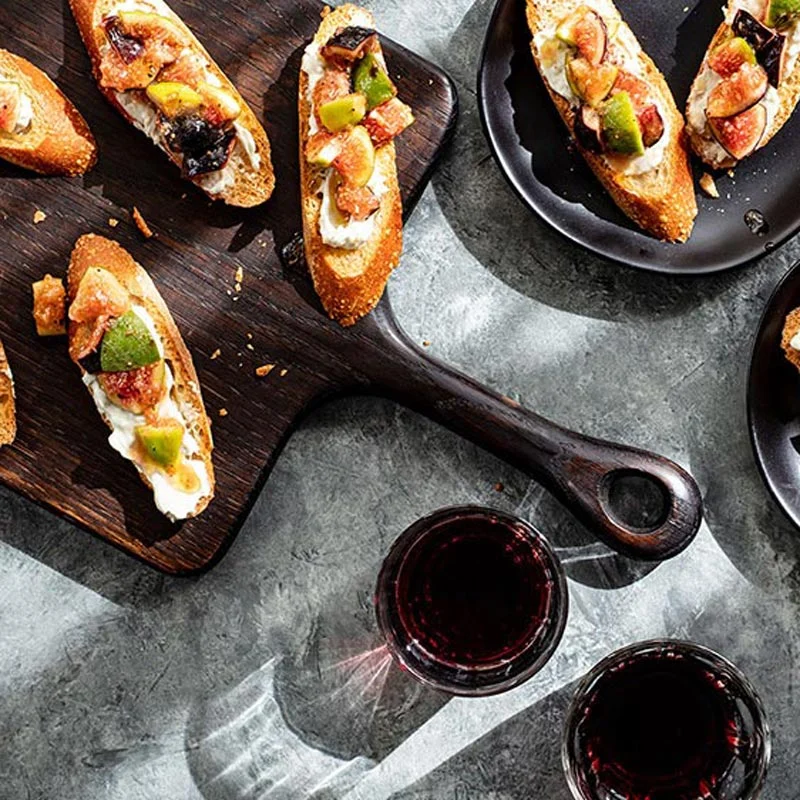
As record-breaking heat waves become an increasingly frequent hallmark of the summer season, the domestic kitchen often transforms from a space of creativity into a source of sweltering discomfort. For many, the prospect of firing up an oven or standing over a stovetop during a mid-July heat dome is simply untenable. However, culinary satisfaction does not require an increase in ambient room temperature. By shifting our focus to assembly-based cooking, raw preparations, and strategic meal planning, we can maintain a high standard of dining while keeping our homes cool.

This comprehensive guide serves as a repository for over 100 heat-free recipes sourced from our community archives, designed to sustain your appetite and your energy throughout the dog days of summer.

The Strategy of the No-Cook Kitchen
The philosophy of "no-cook" cooking relies on the quality of ingredients rather than the transformation of them through heat. When you remove the stove from the equation, the burden of flavor shifts to the integrity of fresh, seasonal produce.

Pro Tip: To master the heat-free kitchen, utilize the "shoulder hours" of the day. On a rare cooler morning, perform your "meal prep" by boiling grains, roasting proteins, or washing and chopping vegetables. By having a mise-en-place ready in your refrigerator, you ensure that when the afternoon mercury climbs, assembling a complex, satisfying meal takes mere minutes.

Cold Soups and Gazpachos: A Liquid Oasis
Originating from the sun-drenched Andalusia region of southern Spain, gazpacho is perhaps the quintessential heat-wave meal. It is designed specifically to hydrate and refresh.

Tomato Gazpachos and Salmorejo
Peak tomato season provides the perfect excuse to explore the variations of this classic. While a traditional gazpacho relies on the acidity and sweetness of raw tomatoes, Salmorejo offers a richer alternative. By incorporating soaked bread and a generous pour of high-quality olive oil, Salmorejo achieves a velvety, creamy consistency that mimics a dairy-based soup without ever touching a burner. For those seeking texture, the blend-strain-blend technique creates an integrated, ultra-smooth profile that elevates the humble tomato to a gourmet standard.

Green Gazpachos and Salad Soups
For a lighter, more herbaceous experience, consider the "Green Gazpacho." By utilizing cucumber, lettuce, sorrel, and tomatillos, these soups function essentially as blended salads in a bowl. The Gazpacho Verde can be tailored to your preference, utilizing serrano peppers for a sharp, spicy kick or keeping it mild with green bell peppers and fresh avocado for a cooling, creamy finish.

Sweet Melon Gazpachos
The intersection of sweet and savory is where summer truly shines. Watermelon, cantaloupe, and honeydew contain high water content, making them ideal bases for chilled soups. When paired with red onion, vinegar, and garlic, the natural sugars in the melon create a sophisticated contrast. Introducing floral notes—such as a whisper of lavender—can transform a simple fruit soup into an elegant appetizer.

Appetizers: Assembly-Based Entertaining
When hosting during a heat wave, the objective is to impress without exertion. Citrus-cured seafood and sophisticated cheese spreads allow for a "more assembly, less cooking" approach.

The Science of Citrus-Cured Seafood
Ceviche and crudo rely on the chemical process of denaturation. By marinating thin slices of raw, high-quality fish in acidic citrus juices—such as lime, lemon, or grapefruit—the protein is "cooked" without the application of heat. The Limón Ceviche and various Scallop Crudos offer a bright, acidic profile that pairs perfectly with the cooling properties of avocado and cucumber.

Cold Cheese Dips and Spreads
The versatility of cheese in a no-cook environment is unparalleled. Whipped feta, labneh, and cottage cheese serve as stable, protein-rich bases for dips. By flavoring these with hot honey, fresh herbs, or spicy salsas, you can create a centerpiece for a crudités platter that feels indulgent yet remains crisp and cool.

Cool Summer Salads: Beyond the Lettuce
The salads in our archives move far beyond the standard garden mix. They are designed to be full-meal replacements that satisfy both the palate and the caloric needs of a busy summer day.

Make-Ahead Proteins
The key to a substantial salad is the inclusion of lean protein. By roasting two chickens on a cool evening, you provide yourself with the foundational element for Busy Weekday Chicken Salads throughout the week. Similarly, hard-boiled eggs and canned chickpeas are non-negotiable pantry staples. When tossed with fresh herbs, lemon juice, and quality fats, these ingredients transform from mere components into a cohesive, nutrient-dense lunch.

Fruity, Sweet, and Savory Combinations
The combination of stone fruits, such as peaches and nectarines, with salty elements like prosciutto and burrata, is a staple of Mediterranean dining. The contrast in textures—the creaminess of the cheese against the crunch of fresh fruit—provides a level of satisfaction that cooked meals often struggle to replicate in the heat.

Salad Rolls and Summer Wraps
Gỏi cuốn, or Vietnamese summer rolls, are the ultimate no-cook meal. Encased in translucent rice paper, these rolls are filled with vermicelli, fresh herbs, and crisp vegetables. They provide a refreshing "snap" in every bite. While the rice noodles traditionally require a brief dip in boiling water, this is a five-minute task that can be completed early in the day. The result is a light, portable, and visually stunning dish that can be paired with a savory peanut or cashew-garlic sauce.

Sandwiches and Toasts: The Tartine Transformation
The sandwich is often viewed as a pedestrian meal, but the tartine—or open-faced sandwich—elevates the category. By utilizing thick, artisanal crusty bread as a base, one can layer high-quality ingredients like heirloom tomatoes, goat cheese, and fresh basil.

For a more substantial option, the Pan Bagnat—a Provençal sandwich—is a masterpiece of planning. By packing tuna, olives, capers, and vegetables into a hollowed-out ciabatta loaf and allowing it to rest in the refrigerator for six hours, the flavors meld, and the bread softens into a savory, cohesive whole. It is a dish that actively benefits from the "no-cook" wait time.

Tuna Poke and Tekkadon
The Japanese and Hawaiian traditions of preparing raw fish are perfectly suited for heat-wave dining. Tuna poke, which highlights the umami of soy sauce and sesame oil, is both refreshing and filling. Tekkadon, which uses wasabi and mirin, offers a cleaner, more focused flavor profile. Because these dishes are served over rice, they are incredibly satiating. Using a rice cooker ensures that the "cooking" portion of the meal remains entirely automated and hands-off, keeping the kitchen atmosphere controlled.

(Almost) No-Cook Pastas
The "no-cook" pasta sauce is a revelation for the summer cook. By combining ripe, sun-warmed tomatoes, garlic, basil, and olive oil in a bowl and allowing them to macerate, you create a sauce that is significantly more flavorful than a simmered version. The residual heat from freshly boiled pasta is sufficient to gently soften the tomatoes and meld the flavors, resulting in a meal that tastes like the very essence of summer.

No-Bake Desserts: The Final Chill
The final course should never require the use of an oven. From the creamy, spoonable texture of a strawberry tiramisu to the crisp, refreshing bite of a tomato or melon granita, the no-bake dessert category is vast.

Frozen Delights
Granitas, sorbets, and popsicles are the most effective way to lower one’s core body temperature. By utilizing fresh fruit purees, yogurt, and even herbs like basil or mint, you can create frozen desserts that are significantly more sophisticated than their store-bought counterparts. The Frozen Raspberry "Soufflé" is a masterclass in culinary illusion: it mimics the lightness of a baked dessert while being entirely refrigerator-set, eliminating the anxiety and the heat associated with traditional baking.

Fridge Cakes and Tarts
For those craving the structure of a cake or pie, "fridge cakes" and no-bake tarts provide the answer. By using crushed cookies or raw nuts and dates for the crust, and setting the filling with mascarpone or cream cheese in the refrigerator, one can create a dessert that is dense, rich, and perfectly chilled.

Implications for Future Culinary Habits
As we move forward into a changing climate, the ability to adapt our cooking methods is not merely a preference; it is a necessity. The "no-cook" lifestyle encourages a return to seasonal eating, a reduction in household energy consumption, and a greater appreciation for the raw ingredients that define our local landscapes. By embracing these techniques, we ensure that our kitchens remain a place of health and comfort, regardless of what the thermometer says outside.

The recipes contained within these archives represent more than just a convenience; they represent a sophisticated, sustainable way to interact with food. Whether you are assembling a simple tomato toast or a complex, multi-layered no-bake cheesecake, the goal remains the same: to nourish yourself and your community while maintaining your cool.


 Iffa Jayyana
