

 Dwi Wanna
 Nana Wu
 Muslim
 Reynand Wu
 Ammar Sabilarrohman
 Asep Darmawan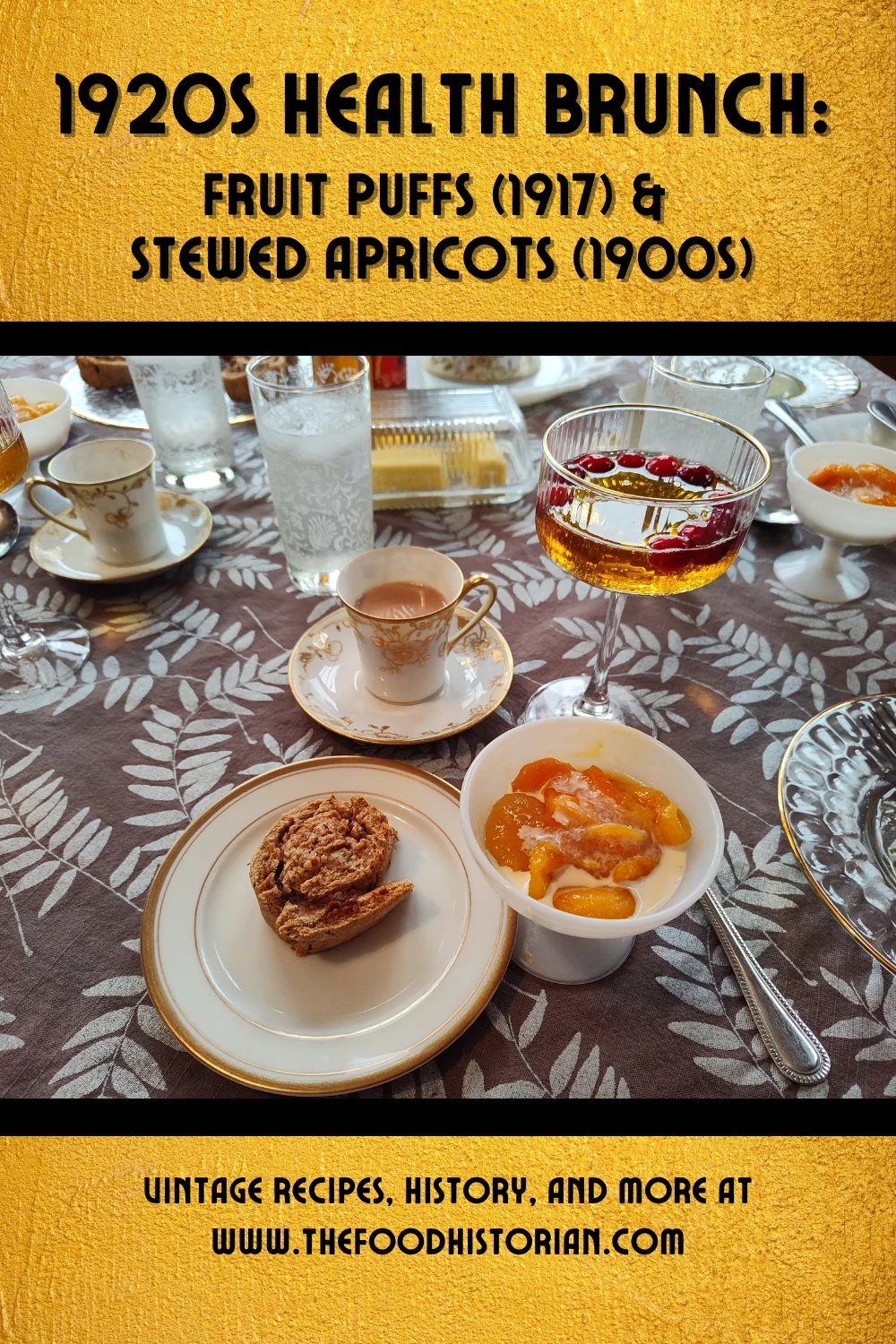
Introduction: The Culinary Paradox of the 1920s
The history of nutrition is often viewed through the lens of modern precision, where macronutrients, glycemic indices, and caloric density are common parlance. However, the American diet of the 1920s—a decade defined by rapid industrialization and shifting social mores—occupied a curious middle ground. As we conclude our exploration of the "1920s Health Brunch," we find that the era’s definition of "healthy" was as much a product of economic necessity and emerging industrial branding as it was of early scientific inquiry.
During this period, sugar was not the villain of the modern diet; rather, it was viewed as a clean, efficient source of energy. With the burgeoning Temperance movement driving a cultural shift away from alcohol, sugar emerged as a socially acceptable—and even encouraged—vice. Simultaneously, the nascent field of nutrition science, still reeling from the relative infancy of vitamin discovery (1912), struggled to categorize fruits and vegetables, often relegating them to the role of "roughage" or "filler" rather than nutritional powerhouses.
Chronology: The Evolution of the American Health Food Industry
To understand the 1920s kitchen, one must examine the timeline of food production and nutritional philosophy that preceded it:
- Late 18th – Early 19th Century: Catholic missions introduce Mediterranean crops—including plums, grapes, figs, and olives—to California, laying the foundation for a future agricultural powerhouse.
- 1850s: Commercial prune and apricot production begins in the Santa Clara Valley.
- 1870s: The San Joaquin Valley sees the rise of commercial raisin production, spurred by the "Thompson Seedless" grape variety.
- 1890s: The concept of the "calorie" is first applied to food energy, marking the beginning of modern nutritional metrics.
- 1905–1917: The era of the "Cooperative." Giant agricultural entities like the California Fruit Growers Exchange (Sunkist) and the California Associated Raisin Company (Sun-Maid) consolidate, standardizing the supply of dried fruits and citrus for the American household.
- 1917: Amidst the shortages of the First World War, cookbooks like Robert Addison Harrison’s The National Food and Health Book emphasize whole grains and "wheatless" alternatives, reflecting a national shift in dietary consumption.
Supporting Data: Digestion and the Dried Fruit Revolution
Perhaps the most persistent anxiety of the early 20th-century home economist was the health of the digestive tract. The era was plagued by widespread complaints of dyspepsia and constipation, issues often blamed on a refined, meat-heavy American diet.

The "Perfect Food" vs. The "Filler"
Nutritionists of the era viewed milk as the ultimate "perfect food" because it bridged the gap between protein, fat, and carbohydrates. In stark contrast, vegetables were deemed nutritionally hollow, valued primarily for their fiber content—or "roughage"—which served the utilitarian purpose of keeping the digestive system moving.
This preoccupation with digestion fueled the rise of the dried fruit industry. Prunes, raisins, figs, and dates were championed as the natural, gentle solution to chronic constipation. This perception remains etched in the modern culinary consciousness; the oatmeal-raisin cookie, despite having a caloric profile nearly identical to its chocolate chip counterpart, retains a halo of "healthfulness" that persists a century later.
The Rise of the Cooperatives
The 1920s health craze was not merely a spontaneous cultural shift; it was a carefully curated market strategy. By consolidating small growers into massive cooperatives, entities like Sun-Maid and Sunsweet could maintain consistent pricing and supply. This industrialization meant that dried fruit—once a regional luxury—became a pantry staple, easily integrated into the "Health Brunch" menus of the era, such as the trendy "Sunland Salad."
Implications: The Kellogg Legacy and the Sugar Debate
The tension between health and industry was best exemplified by the sibling rivalry of John Harvey and Will Kellogg. John Harvey, a stern health reformer, viewed refined sugar as a hazard to human vitality, advocating for austere, grain-based diets. His brother, Will, saw the massive commercial potential in sweetening those same grains.

When Will successfully marketed the sugary corn flake, the rift between the brothers became a permanent feature of American food history. Will’s legal victory secured the rights to the "Kellogg" name, effectively cementing the commercialization of breakfast cereals and ensuring that sugar-laden grains would become the foundation of the American morning routine for generations to come.
Case Study: Reconstructing 1917 Fruit Puffs
To bridge the gap between historical theory and culinary practice, we attempted a recreation of "Fruit Puffs," a recipe sourced from the 1917 National Food and Health Book. This book, published during the height of wartime food conservation, was designed to guide the "farm wife" through the complexities of meal planning and ingredient stretching.
The Recipe
The original 1917 formulation called for a standard baking-powder biscuit base, rolled out and filled with a mixture of dates, nuts, sugar, and cinnamon.
Adaptation for the Modern Kitchen:

- 2 cups whole wheat flour
- 4 teaspoons baking powder
- 1/2 teaspoon salt
- 4 tablespoons butter (cut into the dry mix)
- 2/3 cup milk
- 1/4 cup finely chopped dates
- 1/4 cup chopped pecans
- 1/4 cup white sugar
- 1/2 teaspoon cinnamon
Methodology and Observations:
The preparation process revealed a significant hurdle: the difference in moisture absorption between modern refined white flour and the whole wheat flour favored by wartime conservationists. By failing to adjust the liquid ratio for the more absorbent whole wheat flour, the resulting "puffs" were notably dry.
Furthermore, the naming convention—"Fruit Puffs"—remains an enigma. The process of rolling the dough like a cinnamon bun and slicing it into rounds resulted in a biscuit pinwheel rather than a light, airy pastry. Despite the texture issues, the combination of earthy whole wheat, sweet dates, and crunchy pecans provided a sophisticated flavor profile that stands the test of time. It serves as a reminder that early 20th-century health food was not necessarily about flavor deprivation, but rather a different aesthetic of sustenance.
Official Perspectives: The Role of Stewed Fruits
If the Fruit Puffs provided the crunch, the "Stewed Apricots" provided the necessary hydration. In the early 1900s, stewed dried fruits were the quintessential "health" dessert. They were inexpensive, shelf-stable, and served as a digestive aid that stood in sharp opposition to the heavy, crust-laden pies that were the hallmark of traditional American indulgence.
The preparation is deceptively simple: simmering dried fruit in water until plump, then serving with a dollop of heavy cream. It is a dish that highlights the era’s focus on "natural" health. By relying on the fruit’s inherent sugars and fiber, it offered a sophisticated alternative to the increasingly processed snacks that would soon dominate the American market.

Conclusion: Reflections on a Century of Health
The 1920s Health Brunch serves as a fascinating mirror for our own times. Just as we currently obsess over "superfoods" and the microbiome, our ancestors in the 1920s were grappling with their own nutritional anxieties. They, too, were searching for the perfect balance between the convenience of industrialized food and the moral imperative of a healthy body.
Whether it was the rise of the Sun-Maid raisin or the bitter feud between the Kellogg brothers, the 1920s were a formative decade for the American food system. As we look forward to the culinary trends of 2025, we do so with the knowledge that our concepts of "health" are never static—they are fluid, evolving, and deeply influenced by the intersection of science, commerce, and the eternal desire to feel better through what we eat. In the end, perhaps the greatest lesson from the 1920s is that while the science may change, the simple joy of sharing a meal with friends—and having someone else take care of the dishes—remains the ultimate health benefit.


 Lina Hope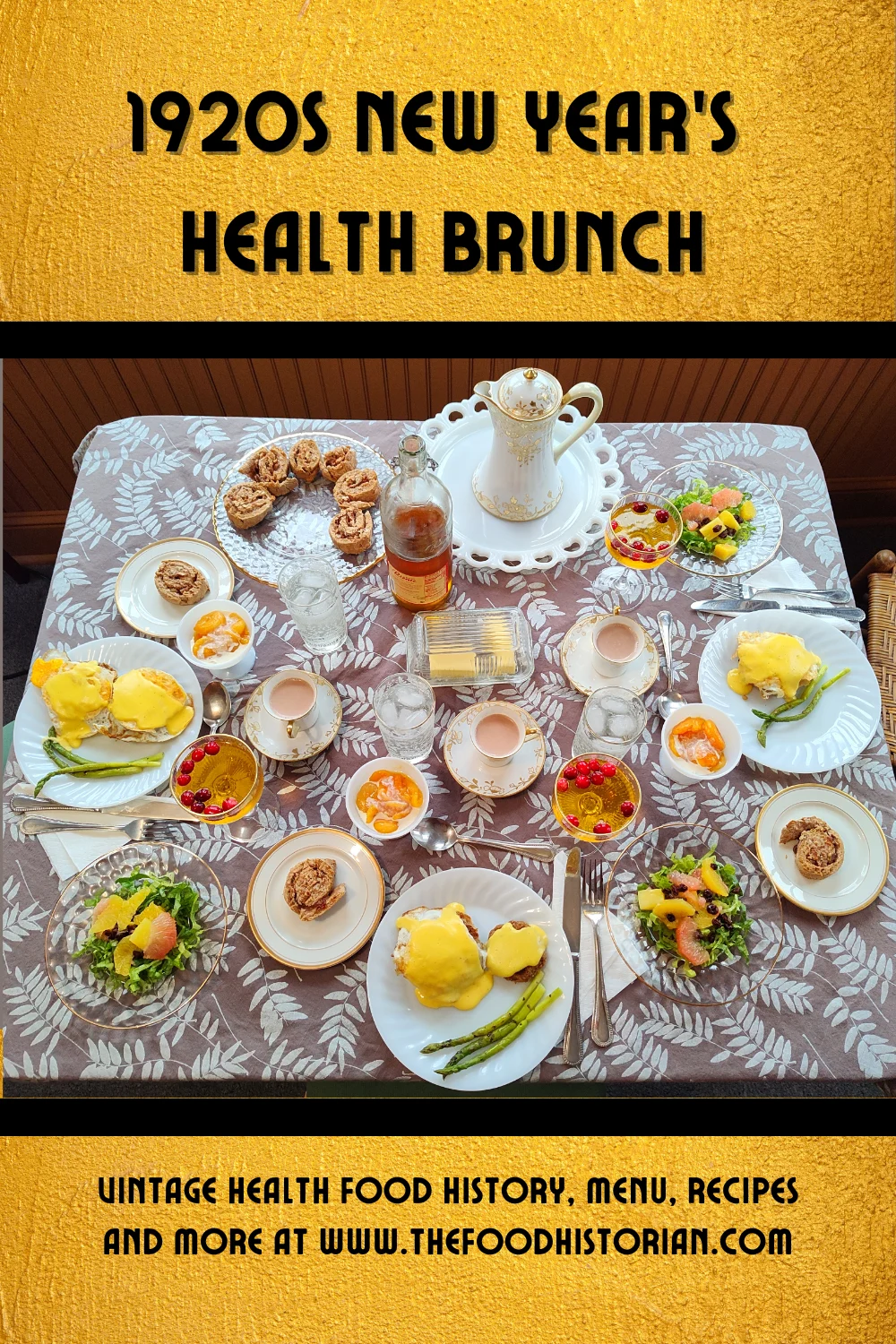
 Lina Irawan