

 Dwi Wanna
 Nana Wu
 Muslim
 Reynand Wu
 Ammar Sabilarrohman
 Sagoh
Sagoh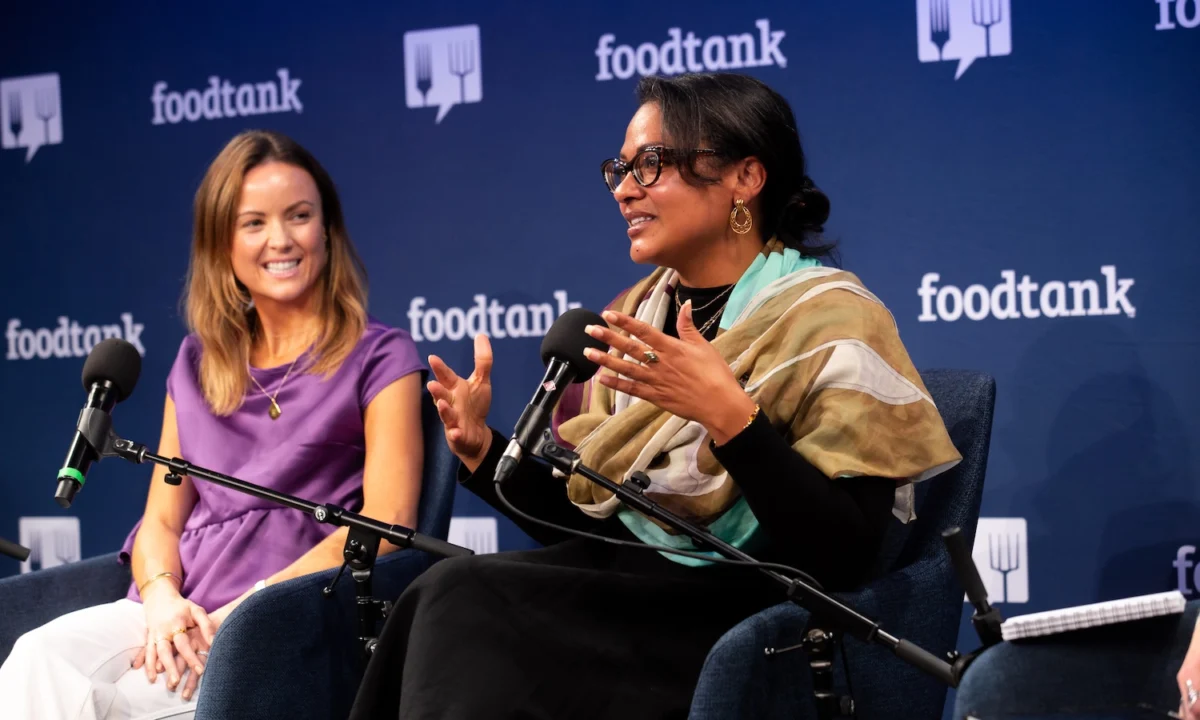
In the sprawling, high-energy landscape of New York City, food is far more than mere sustenance; it is a foundational pillar of public health, cultural identity, and climate resilience. As the global conversation around sustainability shifts from abstract targets to tangible urban action, New York is emerging as a critical laboratory for the future of food policy. From the bustling kitchens of culinary high schools to the procurement departments of correctional facilities, the city is demonstrating that inclusivity and innovation are the essential ingredients for building a more flourishing urban life.
This transformation was the central theme of the recent Climate Week NYC summit, titled "People-Focused. Climate-Friendly. Food-Forward New York City." Co-hosted by Food Tank in partnership with Support + Feed, Strong Roots, and the NYC Mayor’s Office of Food Policy, the event underscored a singular, powerful truth: you cannot address the intersecting crises of climate, health, and equity without centering culture, community, and human connection.
The Nexus of Health, Culture, and Governance
The summit served as a stage for cross-sector leaders to articulate a vision for a food system that serves all New Yorkers. Siddhartha Sanchez, Executive Director of the New York City Mayor’s Office of Food Policy, set the tone for the proceedings by emphasizing the necessity of radical inclusion. "When you listen to the community, you not only hear the direct impact policies have on them, but you also witness the lived reality of those who have been failed by the system," Sanchez noted. "People have endless ideas, and the primary job of the government is to listen and create the pathways for those ideas to scale."
Helen Arteaga, New York City Deputy Mayor for Health and Human Services, echoed this sentiment, framing food as a vital connective tissue in a diverse metropolis. "Food connects us; it is what makes this city so amazing," Arteaga said. "It does not only nourish our bodies, but it nourishes our minds, and more importantly, it creates a space for us to share our stories."
Chronology of the Movement: From Policy to Plate
The movement toward a "food-forward" city has evolved through several distinct phases:
- Phase I: Education & Awareness: Integrating food literacy into the public school curriculum, treating schools as incubators for healthy habits.
- Phase II: Procurement Power: Shifting the purchasing strategies of major public institutions—including schools, hospitals, and the Department of Correction—toward local and sustainable sources.
- Phase III: Cross-Disciplinary Engagement: Bridging the gap between the private sector, celebrity advocacy, and grassroots community organizations to normalize climate-friendly diets.
- Phase IV: Systemic Integration: The current phase, focusing on policy frameworks that institutionalize these changes, ensuring they are not just pilot projects but permanent features of city life.
The School System as an Engine for Innovation
Perhaps the most potent civic institution in this ecosystem is the public school system. With the largest student body in the United States, NYC Public Schools have the power to shift regional demand toward healthier, climate-conscious food.
"We hope that the healthy eating habits students are learning early on will carry into adulthood," said Brittany Saffold, Director of Partnerships, Communication, and Retention for NYC Public Schools. "The real challenge is: How do we take something that is succeeding in one classroom and scale it citywide?"
This scalability was on display during the summit, where students from the Francis Lewis Culinary High School took center stage. The students didn’t just attend the summit; they prepared climate-friendly recipes for attendees, demonstrating that the next generation of chefs is already thinking critically about the carbon footprint of their ingredients.
"We don’t just learn about cooking," one student remarked. "We learn about food preparation, safety, and the ethics of what we put on the plate. These experiences grow all of us as people." This hands-on approach is critical for Gen Z, a demographic that demands transparency and mission-driven consumption. Emma Curtis, Managing Director of Strong Roots, noted, "Gen Z wants delicious food that is also good for the planet. Brands have to make the sustainable choice the most exciting one."
Beyond the Plate: Arts and Advocacy
The summit also highlighted that food policy is not just about logistics and supply chains; it is about narrative. A unique pop-up exhibition by illustrator Kevin Nakagawa, produced in collaboration with Open Doors, showcased "food memories" from residents in facilities for New Yorkers with disabilities. The project underscored how food serves as a repository for memory and dignity, even for those most marginalized by the existing system.
Parallel to this, the power of individual advocacy was exemplified by Maggie Baird, founder of Support + Feed. As the mother of artists Billie Eilish and Finneas, Baird has leveraged her platform to influence large-scale venue procurement. "When we book a tour, we tell arenas upfront what our requirements are, including a mandate for at least three plant-based main courses," Baird explained. "I feel my life is so much better for being a plant-based eater. We need to share that joy and help people understand that it’s not about what you take away from your plate; it’s about what you add in."
Challenging the Status Quo: The Role of Public Institutions
While the summit focused on the bright, innovative side of food policy, it also addressed the "forgotten" corners of the food system: prisons and correctional facilities. Norman Priester, Executive Director of the Nutrition Service Division at the NYC Department of Correction, spoke candidly about the logistical constraints of feeding an incarcerated population while attempting to prioritize wellness.
"We do everything we can with the resources we have," Priester stated. "Sourcing locally is always our priority when possible because it provides the healthiest options for those in our care. It is about balancing the mandate of the department with the fundamental human right to nutritious food." This acknowledgment highlights a critical, often overlooked reality: institutional procurement power, when aligned with health-first policies, can catalyze regional agricultural growth and improve lives in settings where individual choice is severely limited.
Implications for Global Urbanism
The lessons from New York City are broadly applicable to any metropolitan center. The implications for urban planners and policy makers are clear:
- Procurement is Policy: A city’s purchasing power—whether through school lunches or municipal jail systems—is its most effective tool for shaping the local food market.
- Cultural Resonance is Non-Negotiable: Policies that ignore the cultural significance of food are doomed to fail. Success comes from embedding nutrition within the community’s existing culinary traditions.
- Youth Engagement as Strategy: Investing in culinary and nutritional education for students creates a self-sustaining cycle of demand for healthy, sustainable food.
- Listen to the "Failed": Effective policy must be designed in conversation with those who have historically been marginalized by the food system.
As Ora Kemp, Senior Policy Advisor at the New York City Mayor’s Office of Food Policy, succinctly put it, "Be curious about your food environment. It is all unique to the land that you are on."
Conclusion: A Complex, Flourishing Future
The summit made it evident that the path forward for New York City—and cities worldwide—is complex. It requires the coordination of disparate entities: the Department of Correction, the Department of Education, private food brands, artists, and activists. However, the energy at the summit suggested that this complexity is not a barrier, but an invitation.
Real change is not only possible; it is happening. By leveraging cross-disciplinary partnerships and fostering an environment where consumers are empowered to be curious and critical, New York City is setting a blueprint for a food system that nourishes the body, respects the planet, and honors the diverse stories of its people. As these initiatives continue to scale, the city stands as a beacon for what urban life can look like when it decides to be "food-forward."
For those interested in the ongoing dialogue, the full livestream of the summit is available on Food Tank’s YouTube channel. Further details on upcoming events and the full schedule for Climate Week NYC 2026 can be found on the Food Tank event page.

 Lina Hope
