

 Azzam Bilal Chamdy
 Neng Nana
 Nana Muazin
 Dwi Wanna
 Raul Delapena Setiawan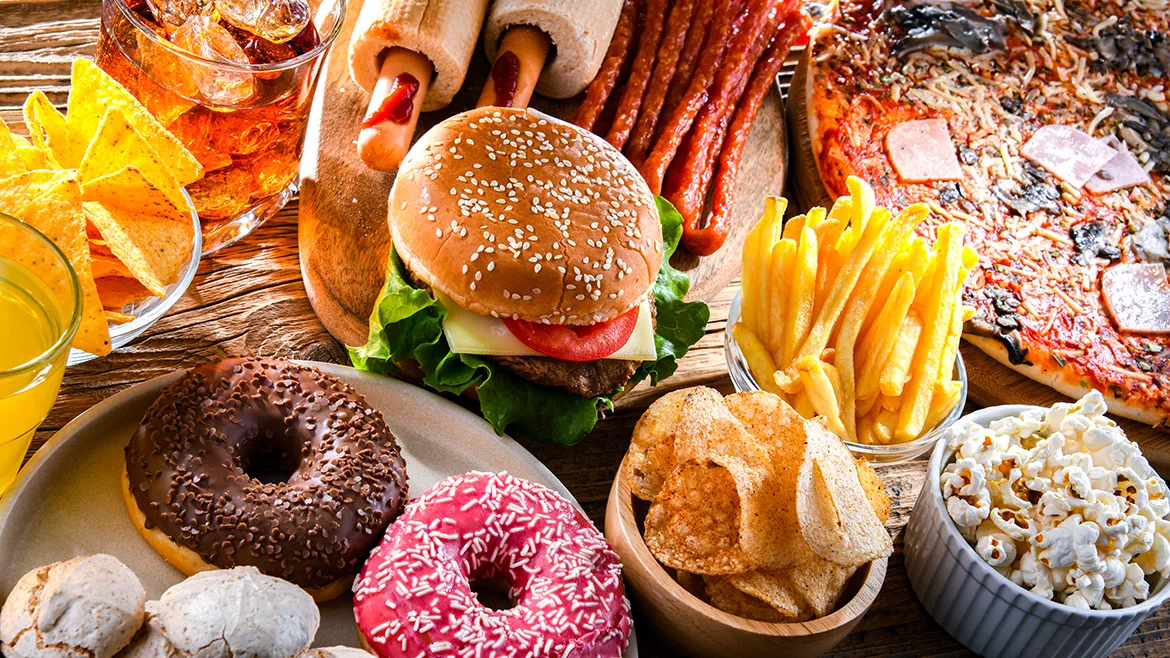
In a significant regulatory milestone that could reshape the American food landscape, the U.S. Department of Health and Human Services (HHS) and the Food and Drug Administration (FDA) have officially submitted a proposed, standardized definition of “ultra-processed foods” (UPFs) to the Office of Management and Budget (OMB). This move marks a pivotal shift in federal nutrition policy, signaling an intent to move beyond vague dietary guidelines toward a concrete, enforceable framework for identifying and potentially mitigating the health risks associated with the modern, hyper-industrialized diet.
The Core Mandate: Why a Definition Matters
For years, nutritionists, researchers, and public health advocates have grappled with the term “ultra-processed.” While the concept is widely understood in academic circles—typically referring to industrial formulations containing additives, colorants, and preservatives—it has lacked a formal, legally recognized definition within the U.S. regulatory apparatus.
By submitting this proposal to the OMB’s Office of Information and Regulatory Affairs, the HHS is initiating the process of codifying a federal standard. The agency asserts that a uniform definition is not merely an academic exercise; it is a prerequisite for effective governance. Without a standard, federal agencies, public health programs, and nutritional researchers are essentially operating in silos, using disparate criteria to evaluate the same food items. A federal definition will provide the bedrock for future policy, potentially impacting everything from school lunch mandates and SNAP (Supplemental Nutrition Assistance Program) eligibility to public health messaging and industry labeling requirements.
Chronology of a Regulatory Evolution
The path to this submission has been characterized by extensive stakeholder engagement and a concerted inter-agency effort.
- Pre-2025: The Rise of the NOVA Classification: For nearly a decade, the global scientific community has relied on the NOVA classification system, developed by researchers at the University of São Paulo. This four-tiered framework categorizes food based on the nature, extent, and purpose of industrial processing. While influential, it has faced criticism for being too broad for specific regulatory applications in a diverse U.S. market.
- July 2025: The Call to Action: The FDA and the U.S. Department of Agriculture (USDA) issued a formal Request for Information (RFI). This was a landmark moment, inviting industry giants, nutrition scientists, consumer advocacy groups, and the general public to weigh in on how the federal government should classify these foods.
- Late 2025: The Synthesis of Feedback: Following the RFI, the HHS underwent a massive data-synthesis phase. According to official reports, the white paper currently sitting with the OMB was drafted after incorporating feedback from thousands of stakeholders. This inclusive approach was designed to balance the economic realities of the food industry with the urgent health requirements of the American public.
- October 2026: OMB Submission: The submission to the OMB represents the transition from the investigative phase to the executive review phase. While the document remains non-public as of mid-September, its arrival at the OMB indicates that the administration is prioritizing the resolution of this definition.
The Scale of the Crisis: Supporting Data
The urgency driving this regulatory push is rooted in a sobering statistical reality regarding the American diet. Data from the HHS and various public health institutions paint a bleak picture of the current state of food consumption in the United States.
The Prevalence of UPFs
Current estimates suggest that nearly 60% of the average American caloric intake is derived from ultra-processed foods. These items, characterized by their high energy density, long shelf lives, and engineered palatability, have become the cornerstone of the modern diet. From mass-produced breakfast cereals and frozen dinners to meat sticks and carbonated beverages, the ubiquity of these products has made them nearly impossible to avoid.
The Chronic Disease Connection
The HHS has explicitly linked the high consumption of these foods to the nation’s escalating chronic disease epidemic. Research consistently demonstrates correlations between high intake of ultra-processed products and an increased risk of:
- Type 2 Diabetes: The high glycemic impact and insulin-spiking nature of many UPFs are primary drivers.
- Cardiovascular Disease: High levels of sodium, saturated fats, and ultra-refined sugars contribute to hypertension and heart disease.
- Childhood Obesity: The statistics are particularly alarming, with more than one in five American children now classified as obese. This early onset of weight-related health issues suggests a long-term burden on the U.S. healthcare system that, if left unchecked, will continue to grow for generations.
Official Responses and Stakeholder Perspectives
The debate surrounding the definition of UPFs is as complex as the food formulations themselves. The HHS, under current leadership, has taken a firm stance: "We cannot reverse America’s chronic disease epidemic without transforming our food system."
Government Stance
Federal agencies are framing this effort as a "standardization of information." By establishing what constitutes an ultra-processed food, the government aims to give consumers the tools to make informed decisions. Furthermore, this definition provides the "legal language" necessary for the FDA to potentially implement stricter marketing regulations or nutritional labeling requirements.
Industry and Consumer Advocacy
The stakeholder feedback process revealed a stark divide. Industry groups, while acknowledging the need for transparency, have expressed concerns regarding the potential for broad, overreaching definitions that could inadvertently stigmatize essential, fortified foods that are technically "processed" but nutritionally beneficial.
Conversely, consumer organizations and public health researchers have pushed for a rigorous definition that accounts for the "nutritional void" of many UPFs—foods that are high in calories but stripped of fiber, vitamins, and minerals. They argue that the definition must distinguish between "minimally processed" foods (such as pasteurized milk or frozen vegetables) and "ultra-processed" foods (such as snack cakes or synthetic chicken nuggets).
Implications: A New Era for Food Policy
The formalization of an ultra-processed food definition will have ripple effects across multiple sectors of the economy and society.
Impact on Food Manufacturing
If a federal definition is established, manufacturers may face pressure to reformulate products. This could lead to a wave of innovation focused on "clean label" initiatives, where companies strive to reduce synthetic additives to avoid being categorized under the "ultra-processed" label. For the industry, this represents a significant R&D challenge, but also a market opportunity to cater to increasingly health-conscious consumers.
Regulatory and Policy Changes
A standardized definition will allow the FDA to:
- Refine Nutritional Labeling: Future labels might include warnings or clearer indicators for products that meet the "ultra-processed" threshold.
- School Lunch Programs: The USDA could use this definition to adjust the criteria for federal school lunch programs, prioritizing whole foods over industrial formulations.
- Incentivizing Research: By providing a clear target, the government can better fund studies that examine the specific metabolic effects of different food processing techniques.
Public Awareness and Cultural Shift
Perhaps the most significant implication is the potential for a cultural shift. When the federal government officially classifies a category of food as "ultra-processed" and links it to chronic disease, it changes the conversation at the dinner table. It shifts the burden of health away from individual willpower alone and acknowledges the role of the food environment in shaping health outcomes.
Conclusion
As the OMB reviews the proposed definition, the United States stands at a crossroads. The transition from informal scientific discussion to formal federal regulation of ultra-processed foods is a massive undertaking. While the final definition remains under lock and key, the intent is clear: to prioritize public health by demystifying the contents of the American diet.
Whether this effort results in aggressive new labeling requirements or serves as a foundational framework for future legislative reform remains to be seen. However, one thing is certain: the era of ignoring the profound impact of industrial food processing on the nation’s health is drawing to a close. For policymakers, the goal is not to eliminate processed food, but to provide a transparent, evidence-based roadmap that allows Americans to distinguish between what sustains them and what—at an alarming rate—is failing them.


 Laily UPN
 Rifan Muazin
