Lina Hope
 Iffa Jayyana
 Lina Irawan
 Ammar Sabilarrohman
 Ali Ikhwan
 Reynand Wu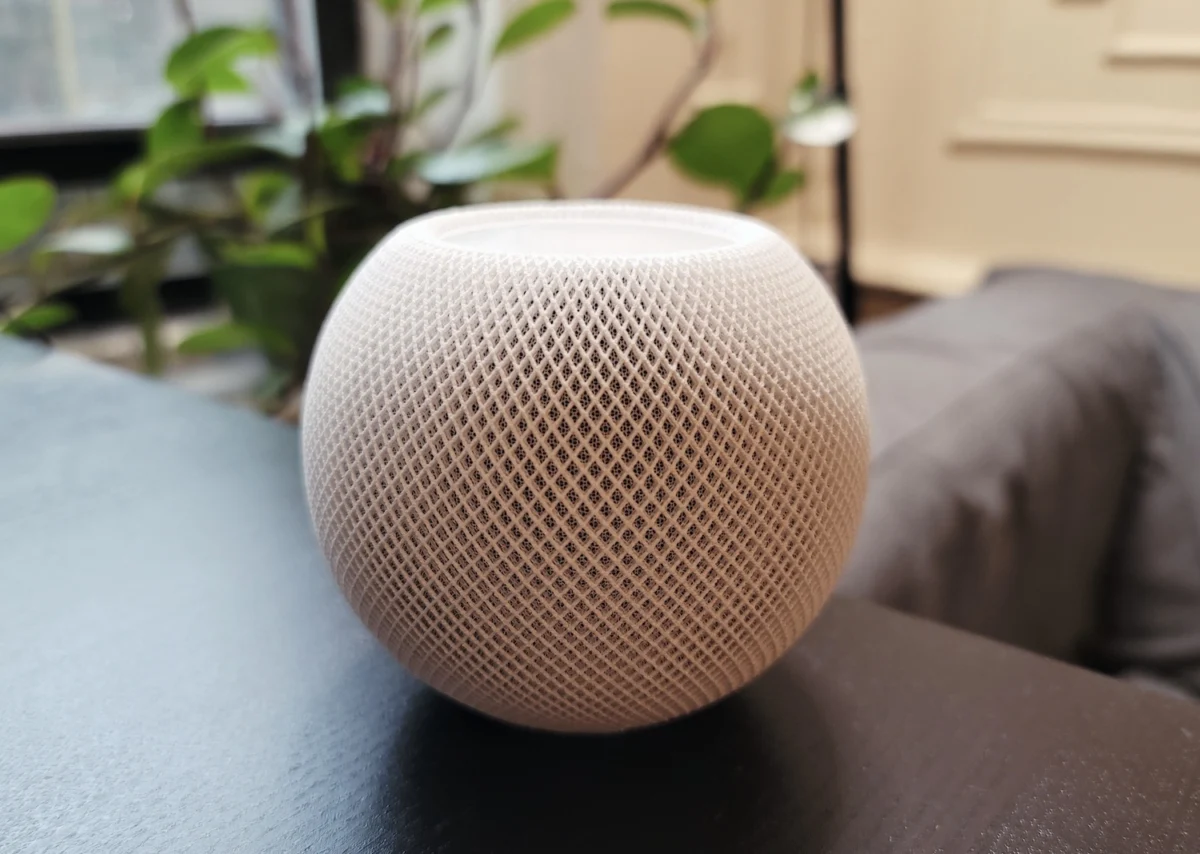
October 11, 2026 — In what marks its most aggressive push into the domestic automation sector to date, Apple is poised to unveil a transformative new hardware category. According to industry reports from Bloomberg’s Mark Gurman, the tech giant will officially announce "HomeView" this coming Tuesday—a dedicated smart home hub designed to serve as the nerve center for the modern connected household.
This move represents a pivot for Apple, which has struggled to secure a dominant footprint in the smart home market despite the launch of its HomeKit software framework and the original HomePod speaker series. By moving toward a dedicated, display-centric hub, Apple is signaling that it is ready to compete head-to-head with established incumbents like Amazon’s Echo Show and Google’s Nest Hub.
Main Facts: The Anatomy of HomeView
The upcoming HomeView is expected to be a sophisticated piece of hardware that bridges the gap between simple voice control and comprehensive home management. At its core, the device will be powered by Apple’s A18 chip—the same silicon found in its flagship mobile devices—ensuring that the hub is capable of handling complex on-device processing tasks, particularly those involving Apple’s evolving AI-driven Siri.
Key Specifications and Form Factors
- The A18 Advantage: By utilizing the A18 processor, Apple is prioritizing speed and privacy. Local processing of voice commands and smart home automation routines will likely be a primary selling point, minimizing the need for cloud-based latency.
- Dual-Model Strategy: Recognizing the diverse needs of homeowners, Apple is reportedly launching two distinct versions of the HomeView:
- Countertop Model: Designed for kitchen islands, nightstands, or desks, providing a portable interface for media control and household monitoring.
- Wall-Mounted Model: A slim-profile version intended for permanent installation, functioning effectively as a centralized digital "control panel" for lighting, climate, and security.
- Siri Integration: The device will feature an overhauled iteration of Siri, optimized for smart home context, allowing users to execute complex, multi-step automation commands through natural language processing.
A Chronology of Apple’s Smart Home Journey
Apple’s path to the HomeView has been anything but linear. The company’s history in the smart home space is characterized by high-concept software launches followed by hardware experiments that frequently failed to capture the mass market.
- 2014: The Launch of HomeKit: Apple introduced HomeKit as a secure, privacy-focused framework for smart home integration. While technically robust, it was criticized for its slow adoption by third-party hardware manufacturers and its lack of a "central" consumer experience.
- 2018: The HomePod Era: Apple entered the smart speaker market with the original HomePod. While lauded for its superior audio fidelity, its premium price point and limited feature set compared to the cheaper, more versatile Amazon Echo left it struggling to gain significant market share.
- 2023–2025: Persistent Rumors of Delays: Industry analysts and leakers consistently signaled that Apple was working on a display-based smart home device. However, multiple reports indicated that the project faced significant internal hurdles, specifically related to perfecting the AI-driven Siri experience and ensuring the hardware’s interface could handle high-traffic smart home connectivity without lag.
- March 2025: The "Siri Challenges" Stagnation: A widely publicized report noted that Apple had hit a wall in the development of its smart home hub, citing difficulties in integrating the product into a fragmented smart home ecosystem, causing a delay in the planned launch timeline.
- October 2026: The Convergence: With the integration of the A18 chip and a refined software ecosystem, Apple has finally overcome the technical barriers that previously hindered the project, leading to the imminent October 13th announcement.
Supporting Data: Why Now?
The timing of the HomeView launch is far from accidental. Apple’s decision to move forward coincides with several shifting market dynamics.
The Ecosystem Consolidation
Data from the smart home sector shows that consumers are increasingly fatigued by "app-hopping." A typical household now utilizes devices from dozens of manufacturers—Philips Hue for lighting, Ecobee for thermostats, and various security camera brands. Apple’s HomeView aims to provide a unified "Single Pane of Glass" experience. By anchoring the home with an A18-powered device, Apple is attempting to replicate the "Walled Garden" success it found with the iPhone and Mac, ensuring that the friction of managing disparate devices is eliminated.
Partnership with LG
Beyond the HomeView hub itself, reports indicate a strategic alliance with LG. This partnership is designed to address the hardware gap in essential smart home components. By co-developing a smart lock, a thermostat, and a doorbell, Apple is effectively creating a "starter pack" for users who want a high-end, native Apple experience without relying on third-party integrations that may be prone to connectivity issues.
Official Responses and Industry Outlook
While Apple has maintained its customary silence leading up to the official event, the industry response has been one of cautious optimism.

Analysts suggest that Apple’s primary challenge will be price and interoperability. If the HomeView is positioned as a luxury device with a high price tag, it risks repeating the mistakes of the original HomePod. However, if the device serves as an affordable entry point for the "Apple Home" ecosystem, it could significantly increase the install base for HomeKit-compatible devices.
"Apple has the advantage of privacy and trust," says a leading consumer electronics analyst. "If they can make the HomeView the most secure place in the house, people will pay for it. The challenge isn’t just the display; it’s the intelligence behind it."
Implications: The Future of the Connected Home
The launch of the HomeView has profound implications for both consumers and competitors.
For the Consumer
The move signals an end to the "tinkering" phase of the smart home. For years, setting up a smart home required a degree of technical proficiency. Apple’s goal, facilitated by the HomeView, is to make the smart home feel as intuitive as using an iPad. If successful, this will lead to a broader demographic—not just tech enthusiasts—adopting sophisticated home automation.
For the Competition
Companies like Amazon and Google, which have dominated the market through lower-cost, data-harvesting hardware, now face a direct challenge from a company that treats hardware as a privacy-centric service. If Apple’s A18 chip allows for advanced AI processing without data leaving the home, it could force competitors to change their own privacy policies to remain relevant to security-conscious consumers.
The "Apple Home" Ecosystem
By simultaneously updating the Apple TV and HomePod mini, Apple is essentially "re-platforming" the house. The HomeView acts as the hub, the Apple TV as the media center, and the HomePod mini as the voice-extension point. This tripartite hardware strategy ensures that no matter which room a user is in, the Apple ecosystem is accessible.
Conclusion
As Tuesday’s announcement approaches, the tech world is watching closely. The HomeView is not just another gadget; it is a declaration that Apple is finally ready to move beyond the pocket and into the living room, the kitchen, and the hallway. Whether this will successfully unseat the current market leaders remains to be seen, but with the power of the A18 chip and a renewed focus on hardware-software integration, Apple is making its most credible case yet for being the center of the modern smart home.
The event, scheduled for Tuesday, will also serve as a litmus test for Apple’s broader AI strategy, as the performance of the HomeView’s onboard Siri will likely be a primary indicator of how far the company has progressed in its efforts to dominate the next decade of personal computing.