

 Reynand Wu
 Sagoh
Sagoh
 Basiran
 Evan Lee Salim
 Jia Lissa
 Pevita Pearce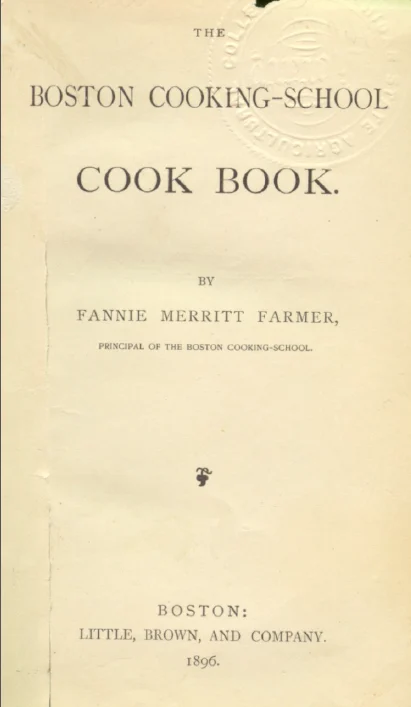
For many, the act of cooking is relegated to the realm of monotonous domestic chores—a functional necessity performed to satisfy hunger. In an era defined by the frantic pace of modern life, the average consumer frequently prioritizes speed and convenience, often reducing the preparation of food to a series of microwaveable shortcuts or simplified recipes. Yet, there exists a profound divide between the act of preparing sustenance and the practice of the culinary arts. When cooking transcends basic survival and becomes an intentional pursuit of sensory excellence, it shifts from a chore to a discipline. The culinary arts represent a sophisticated intersection of chemistry, artistry, business management, and cultural stewardship.
The Professional Landscape: Beyond the Stove
The culinary arts encompass a vast, multifaceted industry that extends far beyond the production of a single plate. Modern professional chefs and cooks are not merely executors of recipes; they are managers, planners, and strategists. A successful career in the field demands the ability to conceptualize complex menus, oversee the intricate logistics of inventory management, ensure rigorous food safety compliance, and lead high-pressure teams in fast-paced kitchen environments.
The distinction between a home cook and a professional chef is often found in the structural training and the scale of responsibility. While the former may focus on flavor, the latter focuses on consistency, cost-control, and the management of a culinary ecosystem. As a chef ascends the professional ladder, their duties evolve from the tactile labor of sautéing and plating to the strategic oversight of labor costs, supply chain management, and the maintenance of a brand’s reputation.
A Chronology of Culinary Formalization
The transformation of cooking from a guarded trade practiced in private kitchens to a formal academic discipline is a relatively recent development in human history.
The Era of Apprenticeship
For centuries, culinary knowledge was passed down through a rigid system of apprenticeship. Aspiring cooks would enter the kitchens of masters, learning the "tricks of the trade" through direct observation and menial labor. This system, while effective at preserving specific regional techniques, lacked standardized curriculum and theoretical grounding.
The Boston Cooking School and the Rise of Standardization
The late 19th century marked a pivotal shift toward formal instruction. The Boston Cooking School stands as the vanguard of this movement, representing the first institution to bring culinary education into the classroom. The influence of Fannie Farmer, who took the helm of the school in 1877, cannot be overstated. With the 1896 publication of the Boston Cooking School Cookbook, Farmer introduced the revolutionary concept of standardized, exact measurements. Before her, recipes were often subjective, relying on vague descriptors like "a pinch" or "a lump." By codifying culinary processes, Farmer provided the essential textbook framework that turned cooking into a teachable, replicable science.
Institutionalization and the Post-War Boom
The 20th century saw the rapid institutionalization of the profession. In 1929, the American Culinary Federation (ACF) was established, serving as a critical intermediary for students and professionals. The organization acted as a unifying body, fostering the creation of the United States Chef Club and establishing benchmarks for quality and education.
The post-World War II economic surge catalyzed a massive interest in culinary education. As the American middle class grew, so did the demand for dining experiences, leading to a golden age of culinary school expansion. In 1946, the New Haven Restaurant Institute—later renamed the Culinary Institute of America (CIA)—opened its doors, signaling a new era of academic legitimacy for the culinary arts. This was followed by the expansion of Johnson and Wales University’s College of Culinary Arts in 1973. Throughout this period, figures like James Beard brought the culinary arts into the American living room via television, elevating the profile of the professional chef to that of a public intellectual and artist.
Supporting Data: The Path to Competency
The contemporary landscape for culinary education is diverse, offering multiple entry points for those seeking to enter the industry.
The Educational Spectrum
- Formal Institutions: Culinary arts schools, community colleges, and technical universities provide a structured environment where students master everything from knife skills to restaurant law.
- Apprenticeships: Programs sanctioned by the ACF and various trade unions remain a cornerstone of the industry, offering paid, on-the-job training. These programs typically span two years and bridge the gap between theoretical classroom knowledge and the visceral reality of a professional kitchen.
- Military Training: A significant number of chefs receive their foundational training within the armed forces, where the scale of feeding operations provides unparalleled experience in logistics and high-volume production.
- Certification: For those who choose the "school of hard knocks"—learning through experience in restaurants without formal schooling—industry certifications provide a necessary mechanism to validate their skills to prospective employers.
Essential Skills for the Modern Chef
Technical ability is merely the foundation. According to industry standards, a competent chef must possess a suite of soft and hard skills:
- Manual Dexterity: The physical ability to perform repetitive, precise tasks under time constraints.
- Sensory Acuity: A highly developed sense of smell and taste is non-negotiable for quality control.
- Leadership and Management: The ability to motivate a staff and maintain order during the "dinner rush."
- Business Acumen: Understanding food costs, waste reduction, and profit margins is what separates a cook from a successful restaurateur.
- Tenacity: The physical and mental stamina required to endure long, grueling hours in a high-heat, high-stress environment.
Official Perspectives: The Role of Accreditation
The American Culinary Federation remains the primary arbiter of quality in the United States. By accrediting over two hundred training programs and sponsoring nationwide apprenticeships, the ACF ensures that the next generation of chefs is not only technically proficient but also grounded in industry-standard safety and ethical practices.
From the perspective of industry leaders, the current educational model is shifting toward a hybrid approach. While degrees are increasingly valued, the industry continues to prioritize the "internship-first" mentality. Educators note that the most successful students are those who can synthesize the abstract theories taught in the classroom—such as food chemistry—with the immediate, tactile demands of a live kitchen.
Implications for the Future
The professionalization of the culinary arts has profound implications for the hospitality industry and the broader culture. As culinary education becomes more accessible, the barrier to entry has lowered, but the standard of excellence has risen.
The Rise of the "Chef-Entrepreneur"
We are currently witnessing a shift where chefs are expected to be multi-hyphenates. The modern professional is often an entrepreneur, a social media strategist, and a supply chain manager. The implications for culinary schools are clear: curricula must continue to evolve to include digital marketing, sustainability, and global food ethics.
Workforce Sustainability
The industry is currently facing a reckoning regarding labor practices. The "tenacity" historically required of chefs is being re-evaluated to ensure long-term career sustainability. The integration of better management practices—taught in formal culinary programs—is essential to reducing the high burnout rates that have traditionally plagued the profession.
Cultural Stewardship
Finally, the culinary arts are increasingly viewed as a form of cultural diplomacy. Chefs are now tasked with the responsibility of preserving heritage recipes while innovating for a globalized palate. The formalization of the arts has allowed for the preservation of techniques that might otherwise have been lost, ensuring that the history of food is documented as rigorously as any other academic discipline.
In conclusion, the culinary arts have traveled a long road from the domestic hearth to the professional laboratory. Whether through the rigorous structure of a four-year degree or the grit of a two-year apprenticeship, the path to becoming a chef is paved with the need for lifelong learning. As the industry continues to professionalize, the focus will remain on balancing the creative spark of the artist with the cold, hard logic of the business manager—ensuring that the culinary arts remain both a source of salivary satisfaction and a pillar of the modern economy.

 Dwi Wanna
