

 Azzam Bilal Chamdy
 Neng Nana
 Nana Muazin
 Dwi Wanna
 Raul Delapena Setiawan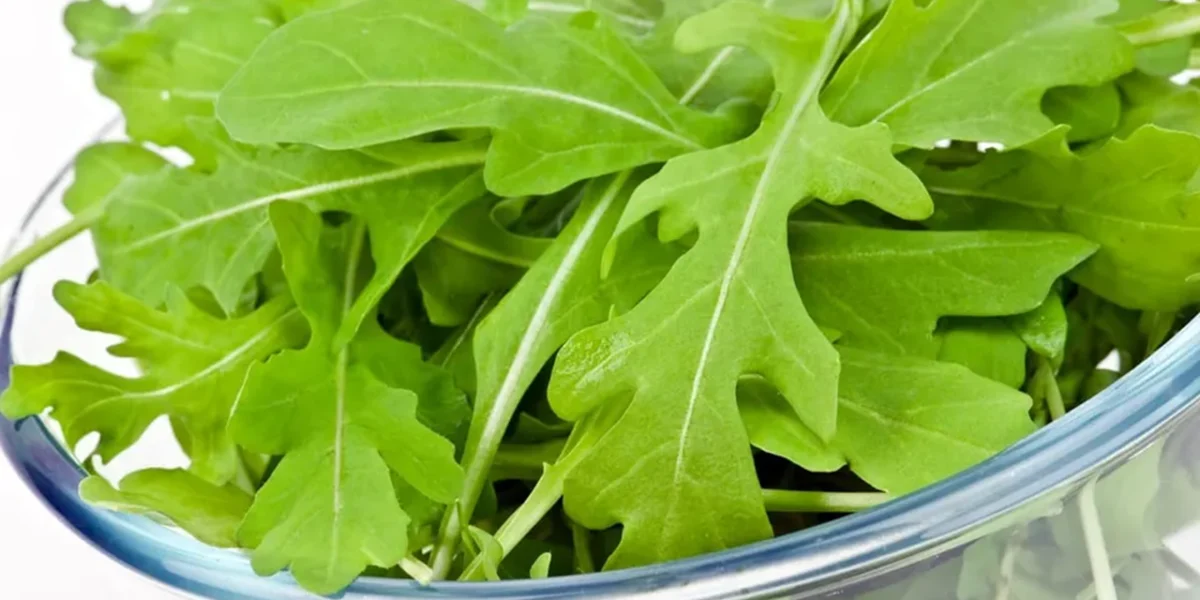
By Joe Whitworth
October 7, 2026
Swedish public health officials are currently navigating two distinct food safety challenges: a multi-regional Salmonella outbreak linked to imported salad greens and the resolution of a Listeria monocytogenes scare within the municipal home-care meal distribution network. While the two incidents are unrelated, they underscore the ongoing vulnerabilities in the European food supply chain and the necessity for rigorous traceability protocols.
The Salmonella Napoli Outbreak: An Overview
The Public Health Agency of Sweden (Folkhälsomyndigheten) has officially linked an outbreak of Salmonella Napoli to the consumption of arugula sourced from Italy. The outbreak has resulted in 16 confirmed cases of infection, prompting an urgent investigation by food safety authorities.
According to health officials, the demographic spread of the victims is broad, highlighting that foodborne pathogens do not discriminate based on age. The group includes eight men and eight women, with ages ranging from infancy (less than one year old) to 84 years. The median age of those affected is 57, suggesting that the contaminated product was widely available in consumer retail outlets.
Salmonella Napoli is considered a relatively rare serotype within the Swedish population. To put the current situation in perspective, there were only eight reported cases of this specific strain across the entire country in 2025. The sudden spike to 16 cases in a matter of weeks has triggered a swift epidemiological response.
Chronology of the Outbreak
The onset of symptoms for the affected individuals occurred between August 17 and September 6, 2026. While the primary cluster fits this timeframe, investigators have noted a few additional cases with later onset dates. Officials suggest these later cases are likely either secondary infections—transmitted person-to-person—or individuals who tested positive for the bacteria but did not exhibit the classic gastrointestinal symptoms associated with salmonellosis.
Investigative Breakthrough
The identification of the source was made possible through diligent epidemiological work and consumer cooperation. Twelve of the 16 patients participated in detailed interviews or completed "trawling questionnaires" designed to map out food consumption habits prior to illness.
The results were striking: 11 of the 12 interviewed patients reported purchasing arugula from the exact same supermarket chain. The twelfth patient had consumed a salad mix that contained arugula, also sourced from the same retail chain. Because all purchases occurred within a narrow window, officials were able to narrow their focus to a specific distribution path.
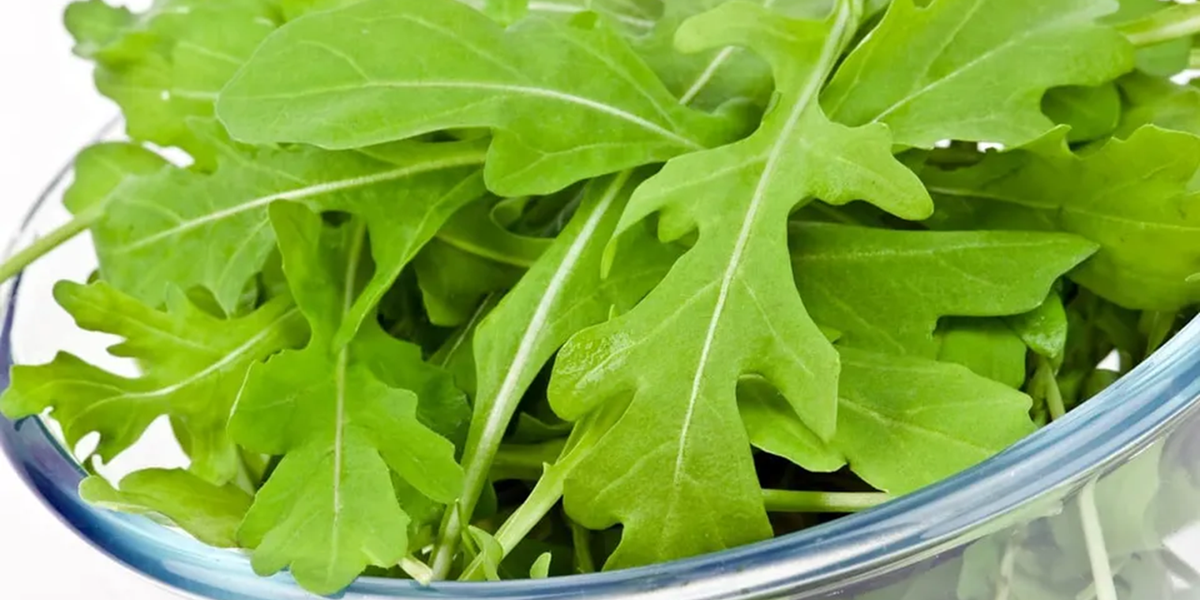
A critical piece of evidence was provided by one of the patients, who had retained the empty packaging of the arugula. The product was intended for the plastic recycling bin, but its preservation allowed the Swedish Food Agency (Livsmedelsverket) to conduct a precise trace-back investigation. While the batch could not be tested—as the product had already been consumed—the traceability documentation led investigators directly to a supplier in Italy.
Implications of the Salmonella Investigation
The Salmonella Napoli outbreak serves as a stark reminder of the complexities inherent in the European single market, where produce can travel across multiple borders before reaching the end consumer.
The Difficulty of Product Traceability
The fact that investigators were unable to sample the contaminated batch highlights a recurring issue in food safety: the "time-lag" between consumption and symptom onset. By the time a cluster is identified and linked to a specific food item, the product in question is typically no longer on store shelves, and the remaining inventory in the consumer’s home has often been discarded.
This underscores the importance of:
- Batch Tracking: Improving the granularity of supply chain data to identify specific farms or processing facilities within minutes rather than days.
- Rapid Reporting: The role of the patient in preserving packaging cannot be overstated; it provided the vital link between clinical data and the supply chain.
- Cross-Border Cooperation: As the product originated in Italy, the Swedish authorities are coordinating with European food safety networks to determine if other countries have reported similar clusters linked to the same Italian supplier.
Listeria Scare: Meals Resume in Uppsala
In a separate development, the city of Uppsala has officially resumed its meal delivery service for home-care recipients following a brief, high-stakes interruption caused by the detection of Listeria monocytogenes.
The Incident and Containment
On September 30, 2026, the municipality was forced to issue a sweeping recall of pre-packed meals that had been distributed to approximately 400 vulnerable residents. The decision was made as a precautionary measure after routine testing at the municipal food supplier’s facility revealed the presence of Listeria.
Upon the discovery, the supplier immediately halted production, and the municipality suspended all home-care meal deliveries to ensure the safety of the elderly and disabled populations that rely on these services.
Subsequent deep-cleaning and intensive environmental swabbing revealed that the contamination was strictly localized. Of the many samples taken from the kitchen facility, the Listeria presence was isolated to only seven containers of bean stew. All other dishes and environmental surfaces tested negative for the pathogen.

Official Response and Public Reassurance
Rasmus Sundström, the head of home care services in Uppsala, expressed relief that the incident was contained. "It is a relief to note that the issue was limited and that food deliveries are back to normal," Sundström stated. "We will now follow up on the incident together with the supplier to ensure that our safety protocols are robust enough to prevent any recurrence."
According to the Uppsala infection control unit, there has been no confirmed link between the contaminated bean stew and any illnesses among the 400 recipients. The risk to the public is currently classified as "very low," and the prompt recall is credited with preventing a potential public health crisis.
The Broader Context of Food Safety
Both the Salmonella outbreak and the Listeria recall highlight different facets of modern food safety management.
Preventive Measures and Future Oversight
In the case of the Salmonella outbreak, the challenge remains at the pre-harvest or processing stage in the country of origin. Because arugula is often consumed raw, it cannot undergo a "kill step" (such as cooking) that would otherwise eliminate Salmonella. This places a premium on good agricultural practices (GAP) and rigorous washing protocols during the production phase.
In the case of the Uppsala Listeria incident, the issue was related to processing and distribution. Listeria is particularly dangerous because it can survive and even grow in cold, refrigerated environments. For municipal providers serving high-risk populations, the margin for error is non-existent.
The Human Element
As a nonprofit, reader-funded organization, Food Safety News remains committed to tracking these incidents. The data provided by agencies like Folkhälsomyndigheten and Livsmedelsverket is vital, but the ultimate protection of public health relies on:
- Transparency: Municipalities and retailers must prioritize the disclosure of potential risks over the protection of brand image.
- Consumer Vigilance: As demonstrated by the patient who kept their arugula packaging, consumer involvement is a powerful tool in public health investigations.
- Continuous Improvement: Food safety is not a static goal. As seen in the aftermath of the Uppsala recall, constant follow-ups and audits are necessary to maintain the integrity of the food supply.
Conclusion
As of early October 2026, the situation in Sweden remains monitored. While the Listeria issue in Uppsala is resolved, the investigation into the Italian arugula remains active. Consumers are advised to practice standard food safety precautions: wash fresh produce thoroughly under running water, keep raw produce separated from raw meats, and remain aware of local public health alerts.
By analyzing the patterns of these outbreaks—whether they involve rare serotypes like Salmonella Napoli or the persistent threat of Listeria—authorities are better equipped to implement the preventative measures that keep the food supply chain secure for all citizens.


