
 Dwi Wanna
 Nana Wu
 Muslim
 Reynand Wu
 Ammar Sabilarrohman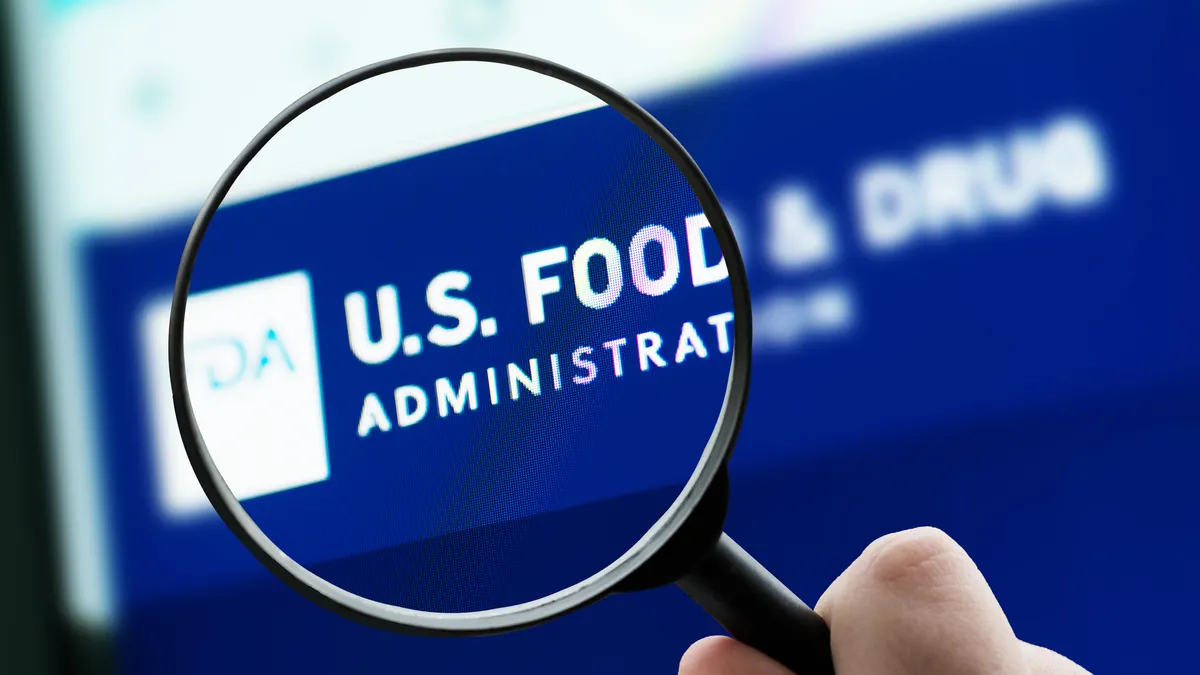
By Sarah Zimmerman | Published May 18, 2026
In a significant leadership transition at the U.S. Food and Drug Administration (FDA), Donald Prater has been appointed to head the agency’s Human Foods Program. He succeeds Kyle Diamantas, who is stepping into the role of FDA Commissioner. This strategic move comes at a pivotal moment for the agency, as it grapples with internal restructuring, intensified public scrutiny regarding food safety, and a broad federal mandate to reform the nation’s nutritional landscape.
The appointment, announced on May 18, 2026, marks the latest chapter in a multi-year effort to modernize how the federal government monitors the food supply chain. As the FDA continues to integrate its various food-safety offices into a more cohesive, high-functioning unit, industry experts and consumer advocacy groups alike are watching closely to see how Prater’s tenure will define the agency’s regulatory posture.
Main Facts: A Seamless Transition at the Top
The transition of leadership from Diamantas to Prater is viewed by insiders as a continuation of the agency’s long-term modernization roadmap. Diamantas, having served as the face of the Human Foods Program during its critical formative stages, brings his deep expertise in food policy to the Commissioner’s office. This elevation of a food-focused expert to the top of the FDA hierarchy is an anomaly; according to historical analysis, it is only the second time in the history of the department that an official overseeing the food division has ascended to the role of FDA Commissioner.
Donald Prater, a veteran within the FDA, is well-positioned to take the reins. His background is deeply rooted in both domestic safety protocols and international regulatory affairs, making him an ideal candidate to manage the complexities of a modern, globalized food supply chain. His mandate is clear: maintain the momentum of the Human Foods Program’s structural overhaul while navigating the aggressive policy goals set forth by the Department of Health and Human Services (HHS).

Chronology: The Evolution of the Human Foods Program
To understand the significance of Prater’s appointment, one must look at the recent history of the FDA’s organizational structure:
- 2024: The FDA undergoes a massive, department-wide restructuring. A cornerstone of this shift was the formal transition of the Center for Food Safety and Applied Nutrition (CFSAN) into the unified "Human Foods Program." The goal was to eliminate bureaucratic silos that previously hampered communication between food safety, nutrition, and labeling departments.
- 2024–2025: During this period, Prater played a critical role in the integration process. He was instrumental in defining the internal workflows of the new program and ensuring that imported food safety programs—a massive logistical challenge—remained robust during the organizational chaos.
- May 2026: Kyle Diamantas is named Commissioner, creating a vacancy in the Human Foods Program. Donald Prater is formally appointed to lead the program, signaling a commitment to continuity and technical proficiency.
Supporting Data: The Regulatory Landscape
Prater’s leadership arrives against the backdrop of an ambitious agenda driven by HHS Secretary Robert F. Kennedy Jr. The federal government is currently in the midst of a "clean up the food supply" campaign, which targets the very ingredients and chemical additives that have been staples of American processed food for decades.
The Ingredient Evaluation Overhaul
The FDA is currently reviewing its processes for "Generally Recognized as Safe" (GRAS) designations. Historically, the GRAS loophole has allowed companies to self-certify that ingredients are safe without a rigorous, independent FDA review. Under the new directive, the agency is looking to implement a more stringent, transparent, and data-driven evaluation process.
The Artificial Dye and Additive Phase-Out
Public health mandates are now focusing on the elimination of artificial dyes and synthetic coloring agents, which have been linked in various studies to developmental issues in children. The agency’s shift toward a "cleaner" food supply involves not just auditing current additives but creating a framework that forces the industry to prioritize natural alternatives.
The weight of this mission is substantial. Data indicates that the U.S. food system relies on thousands of synthetic additives, and the FDA must balance the necessity of food shelf-life and stability against the growing consumer demand for "clean label" products.

Official Responses and Internal Outlook
The agency has framed these leadership changes as a "strategic alignment" intended to better serve the public. "The elevation of the Human Foods Program, now supported by experienced leadership, ensures that food safety is not a secondary consideration but a core pillar of our regulatory mission," an FDA spokesperson noted following the announcement.
Prater’s reputation as an administrator is one of pragmatism. Unlike some of his predecessors, he has spent significant time in the FDA’s Europe Office, providing him with a unique perspective on how international standards—which are often more restrictive regarding chemical additives than those in the U.S.—can be adapted for the American market. This international experience is expected to be a major asset as the FDA faces pressure to align its safety standards with global health trends.
Implications: What This Means for the Food Industry
The appointment of Prater, paired with Diamantas as Commissioner, suggests a more "food-centric" FDA than at any point in the 21st century. Industry leaders should expect several key shifts:
1. Increased Regulatory Scrutiny
Companies that rely heavily on complex chemical formulations for taste, color, or preservation will likely face increased scrutiny. The days of "business as usual" for GRAS submissions are likely numbered. Manufacturers should prepare for a period of mandatory re-evaluations and potential supply chain disruptions as they scramble to reformulate products to meet new, higher standards.
2. A Focus on Transparency
The push to "clean up the food supply" is as much about consumer confidence as it is about chemistry. Expect the FDA to mandate clearer labeling and more robust public disclosure regarding the "how" and "why" of ingredient selection. For the food industry, this means that public perception will become a primary driver of regulatory risk.

3. Strengthening of Global Standards
Given Prater’s history as a director of the FDA’s Europe Office, there is a strong possibility that the agency will move to harmonize its regulations with international bodies more closely. This could mean tighter restrictions on imported goods that do not meet the new, more rigorous domestic safety criteria.
4. Long-term Stability
While the food industry often fears regulatory change, the appointment of a career insider like Prater may provide a sense of stability. By promoting from within, the FDA is signaling that it prefers a methodical, evidence-based approach to reform rather than radical, overnight policy shifts. This provides the industry with a clear, albeit challenging, roadmap for the future.
Conclusion
The appointment of Donald Prater as the head of the Human Foods Program, occurring simultaneously with the rise of Kyle Diamantas to Commissioner, marks a definitive shift in the FDA’s hierarchy. With the backing of the HHS and a clear mandate to reform the American diet, the agency is entering a period of significant regulatory evolution.
For the American public, the hope is for a safer, more transparent food system. For the industry, the reality is a new era of accountability. As Prater takes the helm, the food sector will be closely monitoring his first major policy directives, which are expected to set the tone for the remainder of the decade. The intersection of public health, food science, and bureaucratic maneuvering has never been more critical, and under this new leadership team, the FDA is signaling its intent to lead that intersection with firm, experienced hands.