

 Azzam Bilal Chamdy
 Neng Nana
 Nana Muazin
 Dwi Wanna
 Raul Delapena Setiawan
 Ammar Sabilarrohman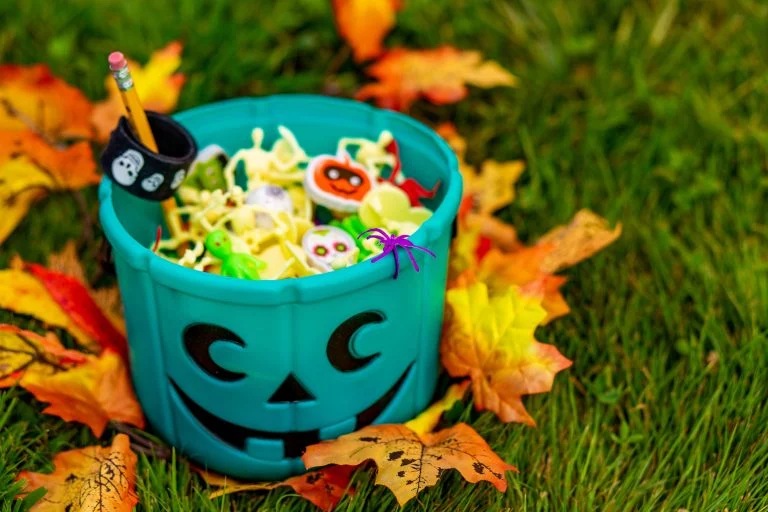
As the crisp autumn air settles in and neighborhoods begin to transform with cobwebs and jack-o’-lanterns, a significant shift in Halloween tradition is gaining momentum. For millions of American families, the excitement of October 31st is frequently tempered by the constant, underlying anxiety of managing severe dietary restrictions. This year, the Celiac Disease Foundation has once again joined forces with Food Allergy Research & Education (FARE) to champion the Teal Pumpkin Project, a nationwide movement designed to ensure that the joy of trick-or-treating is accessible to every child, regardless of their medical dietary needs.
The Core Mission: Redefining the Halloween Experience
The premise of the Teal Pumpkin Project is deceptively simple yet profoundly impactful: households are encouraged to place a teal-painted pumpkin on their porch—or display a teal pumpkin sign—to signal to trick-or-treaters that they offer non-food items, such as glow sticks, stickers, or small toys, alongside traditional candy.
For the estimated three million Americans living with celiac disease, as well as the millions more navigating life-threatening food allergies, this initiative is more than just a seasonal trend. It is a vital intervention in a holiday culture dominated by food-centric celebrations. By providing a safe alternative, the project removes the social stigma and the physical danger associated with unlabeled, gluten-laden, or allergen-heavy treats, allowing children to participate in the communal spirit of Halloween without the fear of an adverse health reaction.
A Chronology of Inclusion: From Local Idea to National Movement
The Teal Pumpkin Project began in 2012 as a local initiative in Tennessee, spearheaded by the Food Allergy Community of East Tennessee (FACET). The concept was born out of a desire to create a more inclusive environment for children with food allergies.
- 2014: FARE took the initiative national, launching a widespread digital campaign that introduced the iconic teal pumpkin as a universal symbol for allergy-friendly Halloween options.
- 2016–2020: The movement saw exponential growth, with participation reported in all 50 states and several countries abroad. Digital tools, including interactive maps and printable flyers, helped households participate even in areas where the concept was previously unknown.
- 2022–2024: The partnership between major health advocacy organizations, including the Celiac Disease Foundation, solidified. This collaboration expanded the scope of the project beyond just "food allergies" to explicitly include celiac disease, recognizing that the "hidden gluten" problem is a massive barrier for millions of children.
- 2025–2026: The current campaign cycle focuses on long-term sustainability, moving beyond awareness toward normalized behavior. New resources, including updated gluten-free candy guides, have been released to support parents in navigating the modern candy aisle.
Supporting Data: The Burden of Dietary Restrictions
The necessity of the Teal Pumpkin Project is rooted in hard data regarding the prevalence and severity of dietary conditions. According to the Celiac Disease Foundation, celiac disease is a serious autoimmune condition where the ingestion of gluten leads to damage in the small intestine. Because there is currently no cure, the only treatment is a strict, lifelong adherence to a gluten-free diet.
The "Hidden Gluten" Dilemma
For a child with celiac disease, a single piece of "fun-sized" candy processed on shared equipment or containing hidden wheat-based stabilizers can trigger a cascade of symptoms, ranging from severe abdominal pain and vomiting to long-term malabsorption and stunted growth.
Furthermore, data from FARE indicates that one in 13 children in the U.S. has a food allergy. When you combine this with the celiac population, a significant percentage of any given neighborhood’s trick-or-treaters is at risk. Parents often spend hours cross-referencing ingredients on wrappers, a process that is not only time-consuming but can also be humiliating for a child who just wants to "fit in" with their peers.
Social and Emotional Impacts
Beyond the physical health risks, there is a profound emotional toll. Research into the psychosocial aspects of childhood food allergies suggests that children with dietary restrictions are at a higher risk of feeling socially excluded. During holidays like Halloween, where food is the primary currency of social interaction, the feeling of being "the different one" can lead to anxiety and withdrawal. The Teal Pumpkin Project acts as a social equalizer, ensuring that the child with celiac disease doesn’t have to choose between their safety and the thrill of the holiday.
Official Perspectives: Advocacy in Action
Leaders from both the Celiac Disease Foundation and FARE emphasize that this initiative is not about "canceling" candy, but about expanding the definition of hospitality.
"Our goal is to create a culture of empathy," says a spokesperson for the Celiac Disease Foundation. "When a neighbor puts out a teal pumpkin, they aren’t just putting out a toy; they are sending a message to the parents and the child that they matter, that their health is respected, and that they are invited to join the fun."
Public health officials have noted that the project is a low-cost, high-impact intervention. It requires no specialized training or expensive equipment—only a bit of paint or a sign and a small supply of trinkets. This accessibility has made it a favorite among community organizers, school boards, and neighborhood associations who want to promote health equity without creating significant logistical hurdles.
The Implications: Moving Toward a More Inclusive Future
The widespread adoption of the Teal Pumpkin Project has significant long-term implications for public health and community cohesion.
1. Normalization of Accommodations
The more common the teal pumpkin becomes, the less "othered" children with dietary restrictions will feel. When inclusion becomes the default setting for a neighborhood, the burden of advocacy shifts from the child to the community at large. This creates a supportive environment where children can learn to advocate for themselves without the weight of societal exclusion.
2. Economic Shifts in the Confectionery Market
The rise of the Teal Pumpkin Project has also sent ripples through the retail industry. Manufacturers are becoming increasingly aware of the "gluten-free" and "allergy-friendly" labels, and there is a growing market for non-food Halloween treats. Retailers have begun stocking "Teal Pumpkin-friendly" toy assortments, proving that demand for inclusive products is driving supply-side innovation.
3. Strengthening Community Bonds
Halloween is arguably the most communal holiday in the American calendar. It is one of the few times that children interact directly with their neighbors. When neighbors engage in the Teal Pumpkin Project, they are actively strengthening the social fabric of their communities. They are demonstrating that they value the well-being of all local children, regardless of the individual challenges those children may face.
How to Participate: A Guide for the 2026 Season
For those looking to participate, the Celiac Disease Foundation provides a comprehensive roadmap. Participation is divided into three simple steps:
- Preparation: Purchase non-food treats. These can include glow-in-the-dark bracelets, temporary tattoos, bubbles, pencils, or plastic rings. The key is to keep them in a separate bowl from any food items to prevent cross-contamination.
- Identification: Place a teal pumpkin on your doorstep or display the official printable sign available on the FARE or Celiac Disease Foundation websites.
- Education: If you have neighbors who are unaware of the project, share the information with them. Often, people are eager to be inclusive but simply lack the knowledge of how to do so safely.
Additionally, parents of children with celiac disease are encouraged to utilize the 2026 Gluten-Free Halloween Candy List provided by the Foundation. While non-food items are the safest option, knowing which candies are certified gluten-free allows for an even broader range of inclusive options for those who still wish to provide sweets.
Conclusion
The Teal Pumpkin Project represents a triumph of awareness over indifference. By acknowledging the realities of celiac disease and food allergies, we can ensure that the magic of Halloween remains a universal experience rather than a source of stress.
As we approach this year’s festivities, the message is clear: whether you are a parent, a neighbor, or a community leader, you have the power to make this Halloween safer and more inclusive. A simple splash of teal paint on a pumpkin is a small gesture, but its impact resonates deeply with the families who no longer have to worry about whether their child can participate in the fun. This October, let us commit to a holiday where every child can enjoy the sweetness of the season, safely and without reservation.


 Nila Kartika Wati
 Iffa Jayyana
