 Raul Delapena Setiawan
 Ammar Sabilarrohman
 Lina Irawan
 Suro Senen
 Asep Darmawan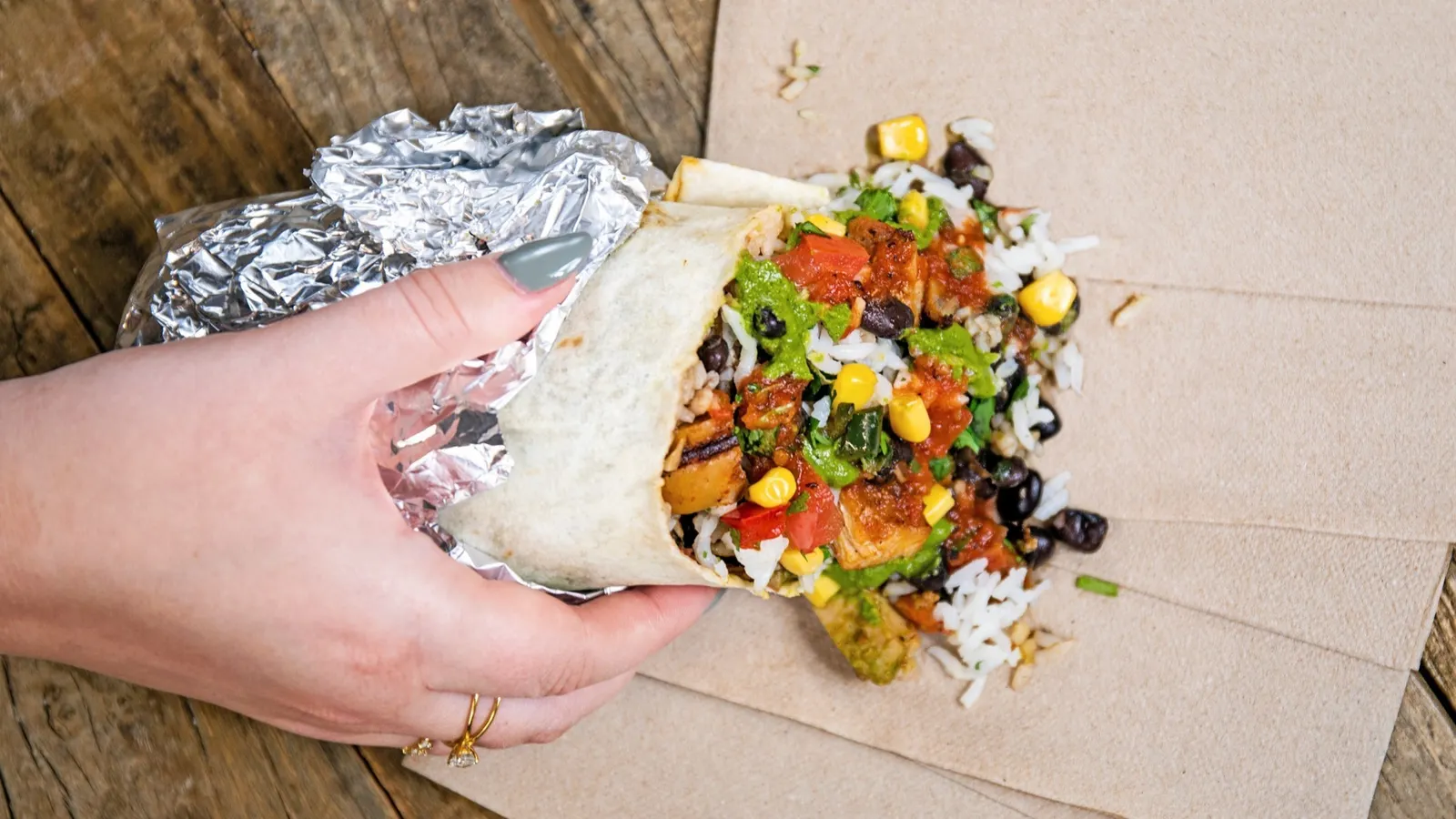
By Aneurin Canham-Clyne
Published August 7, 2026
The American restaurant industry is grappling with its second major food safety crisis of the summer as federal health agencies coordinate a massive investigation into a Salmonella outbreak linked to contaminated jalapeño peppers. The outbreak, which has now spread across 27 states, has prompted immediate supply chain pivots from major fast-casual players, including Chipotle and Qdoba, as they scramble to maintain consumer trust and ensure the safety of their menus.
According to the latest data from the Centers for Disease Control and Prevention (CDC), at least 345 individuals have been confirmed ill. The common denominator among the vast majority of these cases—roughly 93% of those interviewed—is a recent meal consumed at a Mexican-style restaurant. As the investigation deepens, the scope of the impact has broadened beyond the Mexican quick-service sector, forcing other industry giants to take preemptive action to prevent further infections.
The Anatomy of the Outbreak: Chronology and Scope
The current crisis began in mid-June, with the first illnesses reported on June 19, 2026. Over the following month, health authorities noted an alarming spike in Salmonella cases, with the illness onset window extending through July 20.
The FDA, working in tandem with the CDC, identified the source of the contamination as jalapeño peppers distributed by Coast Citrus Distributors. The affected produce has been traced back to a specific grower in Sinaloa, Mexico. Because of the interconnected nature of modern food supply chains, these peppers found their way into the kitchens of some of the nation’s largest restaurant brands, which rely on centralized distribution networks to maintain consistency across thousands of locations.
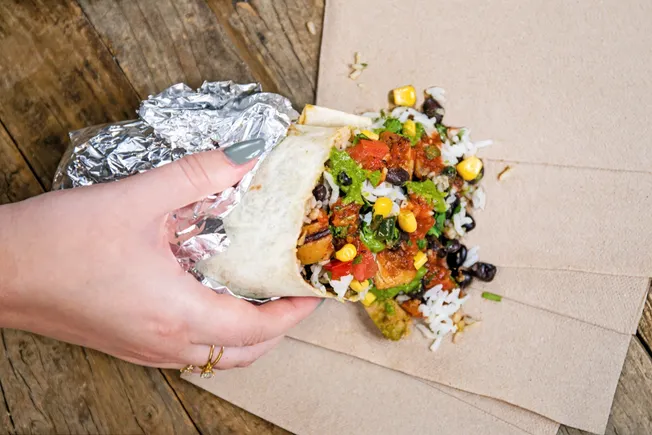
The timeline of the industry response began in late July:
- July 20: Chipotle, having identified a pattern through its internal traceability systems, immediately switched suppliers and halted the service of all jalapeños originating from the implicated lots.
- July 28: Qdoba followed suit, pulling jalapeños from its national supply chain.
- Early August: As news of the FDA investigation became public, other chains, including Sweetgreen, initiated voluntary removals of jalapeños sourced from the affected region to preempt any further health risks.
A System Under Pressure: Industry Responses
The response from the affected restaurant chains highlights the evolving nature of food safety protocols in the post-pandemic era. Companies are no longer waiting for definitive government mandates; they are leveraging advanced data analytics to identify risk before the public health toll grows.
Chipotle’s Traceability Triumph
Chipotle Mexican Grill, which has invested heavily in food safety technology following its own historical challenges, credited its robust traceability system for the swift response. In an official statement, the company noted, “Our internal systems identified jalapeños from a particular grower in Sinaloa, Mexico, and distributed by Coast Citrus Distributors as a common ingredient from a common lot. We proactively removed them from the restaurants where they had been distributed and replaced them with product from different growers.”
The "Abundance of Caution" Strategy
Qdoba, meanwhile, opted for a broader approach. In a press release issued this past Wednesday, the company announced it had pulled jalapeños from all stores nationwide. By acting with an “abundance of caution,” the chain sought to insulate itself from the logistical nightmare of tracking individual batches, choosing instead to reset its supply chain to guarantee safety for its customer base.
The Ripple Effect: Sweetgreen’s Preemptive Strike
The contamination has also touched the salad segment, a sector typically associated with fresh, raw produce safety. During an earnings call on Thursday, Sweetgreen CEO Jonathan Neman addressed the situation directly. While acknowledging that jalapeños are only used in two of the chain’s 15 dressings, Neman confirmed that the company had removed and discarded all peppers linked to the supplier in the affected region. “We are monitoring the situation closely,” Neman told investors, emphasizing that while the financial impact is minimal, the reputation of the brand remains the top priority.

Data and Public Health Implications
The CDC’s findings paint a concerning picture of the reach of this outbreak. With 345 confirmed cases across 27 states, the geography of the outbreak is expansive, suggesting that the contaminated jalapeños were part of a high-volume distribution route.
The pathogen, Salmonella, remains one of the most common and persistent threats to the American food supply. Symptoms include diarrhea, fever, and abdominal cramps, which typically appear within six hours to six days after infection. While most people recover without treatment, the severity of this specific strain and the sheer number of victims have raised concerns among public health officials regarding the efficacy of current agricultural inspection standards for imported produce.
This incident is particularly damaging because it is the second national foodborne illness event of the summer. In early July, health authorities linked a widespread outbreak of cyclosporiasis—an intestinal infection—to shredded iceberg lettuce supplied by Taylor Farms de Mexico to Taco Bell locations. That outbreak, which sickened thousands across 15 states, created a climate of anxiety among restaurant operators, who are now facing heightened scrutiny from both the FDA and the public.
The Future of Food Safety: Lessons Learned
The dual outbreaks of 2026 have sparked a renewed debate regarding the oversight of international supply chains. As restaurants move toward "farm-to-table" models and high-volume, fresh-ingredient menus, the complexity of verifying the safety of every shipment increases exponentially.
Challenges in Supply Chain Visibility
Industry analysts note that the reliance on third-party distributors like Coast Citrus means that even the most tech-savvy restaurant chains are beholden to the safety protocols of their upstream partners. When a grower in a region like Sinaloa fails to maintain strict sanitary standards, the impact is immediately felt by the end-user.

The Role of Regulatory Oversight
The FDA’s investigation into the jalapeño outbreak is ongoing, and it is expected that the agency will issue updated guidance for produce importers in the coming months. For the restaurant industry, the mandate is clear: invest in deeper supply chain visibility or risk the catastrophic loss of consumer confidence.
The Consumer Perspective
For the average diner, the news is unsettling. The frequency of these outbreaks—let alone two in a single summer—may lead to a temporary shift in consumer behavior, with a potential move away from raw, fresh-cut produce in favor of cooked items. Restaurant brands will need to be transparent, proactive, and communicative if they hope to retain their market share as the CDC continues its work to track down the final points of contamination.
Conclusion
As of early August 2026, the situation remains fluid. While Chipotle, Qdoba, and Sweetgreen have taken significant steps to purge their supply chains of the contaminated product, the threat of further illnesses persists as the investigation into other distribution channels continues.
The events of this summer serve as a stark reminder of the vulnerability of the food industry. In an age where a single batch of peppers can affect thousands of people across nearly thirty states, the definition of "food safety" is no longer just about kitchen cleanliness; it is about the mastery of the global supply chain. For the restaurant sector, the road to recovery will require more than just cleaning out the refrigerator—it will require a fundamental rethink of how ingredients are sourced, tracked, and verified before they ever reach the cutting board.

 Evan Lee Salim