 Ammar Sabilarrohman
 Laily UPN
 Evan Lee Salim
 Jia Lissa
 Nana
Nana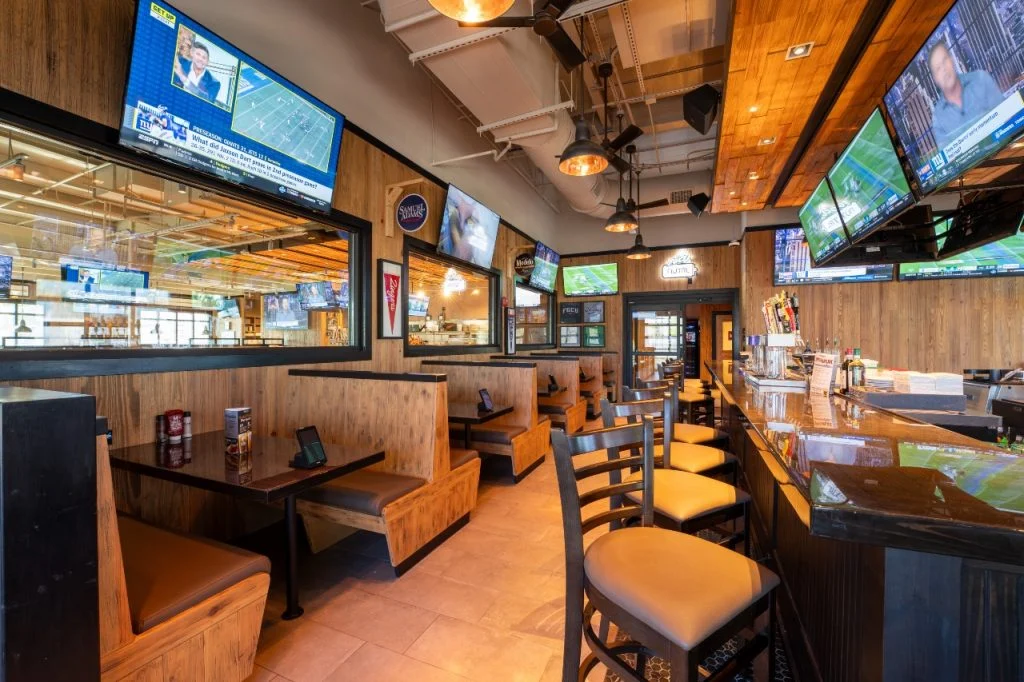
The landscape of professional sports broadcasting has undergone a tectonic shift. For decades, the hospitality industry relied on a stagnant model: a satellite dish on the roof, a commercial cable subscription, and a static list of channels. However, as marquee sporting events—from the NFL’s Thursday Night Football to the UEFA Champions League and Formula 1—migrate from traditional broadcast television to exclusive streaming platforms, the rules of the game have changed.
Following the massive surge in foot traffic and revenue generated by the FIFA 2026 World Cup, restaurant and bar operators are no longer viewing their screens as mere background noise. Instead, they are evolving into sophisticated media hubs, leveraging digital infrastructure to drive loyalty, increase dwell time, and maximize profitability.
The Evolution of the Viewing Experience
The migration of sports to streaming services like Prime Video, Paramount+, and Apple TV+ has created a "fragmented reality" for hospitality operators. What were once "fringe products" are now the premier marquee rights of the sports world.
"These aren’t fringe products anymore," notes Bryan Icenhower, Chief Marketing Officer at EverPass Media. "They’re marquee rights that used to live on cable and satellite and now live on streaming. The streaming landscape has been evolving as the content customers want to watch has moved and is continuing to move to these platforms."
For the savvy restaurateur, this evolution presents a choice: adapt to the digital-first broadcasting model or risk obsolescence. The operators who successfully capitalized on the World Cup were those who treated soccer not just as a one-off event, but as a community-building exercise. By merchandising the experience, building a reputation as a "soccer destination," and maintaining consistency across every matchday, these venues transformed transient viewers into a year-round, loyal fanbase.
Strategic Hospitality: Screens as a Competitive Advantage
The most successful venues have stopped treating screens as simple television sets and have begun treating them as a core component of their hospitality strategy.
Precision Programming
Consistency and intention are the pillars of a successful sports strategy. In high-traffic environments like "NFL Sundays," where multiple games occur simultaneously and diverse fanbases occupy the same space, the ability to curate the viewing experience is paramount.
"The key is consistency and intention," Icenhower explains. "Operators need a plan for what goes where, how staff can manage changes quickly, and how to ensure the overall viewing experience feels seamless. When screens are managed that way, they become part of the hospitality experience and a real competitive advantage."
This strategic approach is exemplified by the recent multi-year agreement between EverPass Media and Miller’s Ale House. By centralizing programming management and streamlining game scheduling, the chain has ensured that every location delivers a uniform, premium experience.
"Every screen in our restaurants represents an opportunity to enhance the guest experience," says Joel Chick, CEO of Miller’s Ale House. "EverPass helps us deliver more of the premium sports our guests want while also using our screens to highlight promotions, premium offerings, and marketing enrollment opportunities throughout the day."
Unlocking Value Beyond the Game
While sports serve as the primary anchor, the infrastructure powering these streams offers a secondary, perhaps more lucrative, opportunity: "game-off" utility. Modern, software-based display systems allow operators to transition screens into powerful marketing tools during downtime.
The same infrastructure that broadcasts a high-stakes playoff game can be repurposed to:
- Drive Loyalty: Deploy QR codes on screens to encourage sign-ups for customer loyalty programs.
- Promote Revenue: Showcase limited-time menu items or upcoming happy hour specials.
- Increase Dwell Time: Host live trivia, interactive sports betting overlays, or social media integration.
- Brand Partnerships: Create local advertising slots or co-branded content that adds a new revenue stream to the business.
"The bigger shift is that screens are no longer just background televisions," Icenhower says. "When they are software-based and centrally managed, they can become a flexible tool to influence guest behavior, support promotions, and create new revenue moments throughout the week."
Debunking the Myths of Streaming
A common hurdle to the adoption of professional streaming in hospitality has been the lingering memory of early-era buffering and latency issues. However, the technology has matured significantly. Modern platforms are now purpose-built for the high-demand, high-concurrency environments of busy bars and restaurants.
Last year, EverPass reported managing more than 4,000 live events with a 99-percent stream reliability rate, effectively putting the "buffering" narrative to rest.
Simplifying the Infrastructure
Beyond reliability, many operators fear that moving to streaming is a logistical nightmare. In reality, the transition is often simpler than maintaining a traditional satellite setup.
- No Hardware Barriers: There is no need for dish installation, roof penetration, or line-of-sight requirements.
- Weather Immunity: Streaming is not susceptible to the same signal outages caused by heavy rain or snow that plague traditional satellite dishes.
- Agility: A reliable high-speed internet connection is the only prerequisite, offering operators far more flexibility in how they distribute content across their venues.
Measuring ROI: From "Seats Filled" to Data Insights
The most direct metric for success is, naturally, incremental revenue on programming days compared to non-programming days. However, the data-driven operator looks deeper. By integrating their streaming platforms with existing Point-of-Sale (POS) and reservation systems, operators can bridge the gap between "what’s on the screen" and "what’s on the receipt."
Operators should track:
- Reservation/Walk-in Patterns: Understanding which specific events (e.g., F1 races vs. NFL games) drive the most traffic.
- Customer Lifetime Value: Identifying guests who return consistently for specific programming.
- Engagement Metrics: Tracking how many loyalty sign-ups or menu item sales occurred during a specific broadcast window.
"Most operators already have much of this data in their systems," Icenhower notes. "The opportunity is to link programming decisions to business outcomes so they can see which sports, leagues, and matchups are driving ROI."
The Future: Building a Sports Destination
The most effective marketing strategies operate on two levels: the specific event and the overall venue identity.
At the event level, marketing must begin long before the kickoff. Successful operators utilize social media, email newsletters, in-venue signage, and staff training to ensure guests know the schedule. At the venue level, the goal is to become the "go-to" spot—the destination where a fan never has to ask if the game is being shown.
When a fan knows that a venue reliably carries the content they care about, the loyalty compounds. They don’t just come for one game; they make the venue part of their weekly sports routine, bringing friends and creating a sustainable, long-term revenue stream.
As the industry moves further into the digital age, the screen will remain the focal point of the social dining experience. The restaurants that succeed in the 2026 World Cup era and beyond will be those that embrace the digital stadium, treating every pixel as an opportunity to engage, serve, and profit.

 Asep Darmawan