

 Raul Delapena Setiawan

 Ammar Sabilarrohman
 Lina Irawan
 Suro Senen
 Lina Hope
Main Facts:
For years, a prevailing piece of advice for caregivers of individuals with Alzheimer’s disease has been stark: unplug the stove. The reasoning is undeniably sound; the progressive nature of Alzheimer’s can lead to moments where an individual might initiate cooking but lose track of the process midway, potentially leading to forgotten burners, unattended pots, and disastrous outcomes. This safety-first approach has long dictated how many families manage their loved ones’ interaction with the kitchen. However, a growing body of research and evolving care philosophies are challenging this strictly prohibitive stance, advocating instead for a balanced approach that prioritizes safety without sacrificing the profound cognitive, emotional, and social benefits that culinary activities can offer.
This comprehensive guide delves into this nuanced perspective, moving beyond the immediate safety concerns to explore the myriad reasons why supervised cooking can be a deeply beneficial activity for those living with Alzheimer’s disease. We aim to equip caregivers with the knowledge and tools to transform a potentially hazardous environment into a safe, engaging, and enriching space for shared culinary experiences. From understanding the therapeutic advantages to implementing practical safety measures and addressing common eating challenges, this resource seeks to empower families to reclaim the joy of cooking, fostering connection and maintaining dignity in the face of cognitive decline.
The Evolving Paradigm of Alzheimer’s Care: From Restriction to Engagement

Historically, the management of Alzheimer’s disease has often leaned heavily on protective measures, emphasizing the elimination of risks. While undeniably crucial, this approach sometimes inadvertently led to the isolation of individuals from activities that once defined their daily lives and brought them joy. Cooking, a cornerstone of domestic life and a rich tapestry of sensory experiences, frequently fell victim to this protective impulse. The immediate threat of fire or injury overshadowed the potential for engagement and connection.
Chronology (Adapted): The Shifting Landscape of Dementia Care
The shift in dementia care reflects a broader understanding of the disease itself, moving from a purely medical model to a more holistic, person-centered approach.
- Early 20th Century: Alzheimer’s identified, initial focus on pathological changes and diagnosis. Care was largely institutional, emphasizing safety and basic needs.
- Mid to Late 20th Century: Increased public awareness, research into pharmacological treatments. Home care becomes more common, but advice remains largely risk-averse, leading to the "unplug the stove" mentality as a primary safety directive. Activities were often simplified to avoid perceived risks.
- Early 21st Century: Emergence of person-centered care philosophy. Recognition that maintaining quality of life, identity, and engagement is as vital as physical safety. Research begins to explore the therapeutic benefits of familiar activities. Organizations like the Alzheimer’s Association begin to publish resources on adapting activities for safety and engagement.
- Present Day: Emphasis on "living well with dementia." Integration of therapeutic activities, reminiscence therapy, and sensory stimulation. The kitchen is re-evaluated not just as a danger zone, but as a rich environment for meaningful interaction, provided appropriate safety protocols are in place. The focus shifts from preventing all activities to enabling safe participation.
This evolution highlights a crucial understanding: while the symptoms of Alzheimer’s present significant challenges, they do not erase a person’s fundamental need for purpose, connection, and a sense of self-worth. Activities like cooking, deeply embedded in personal history and cultural identity, offer a powerful avenue to meet these needs.
Supporting Data: Unlocking the Multifaceted Benefits of Culinary Engagement
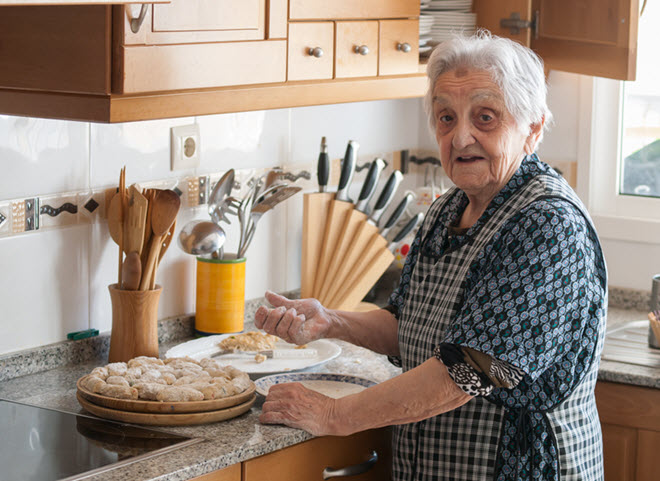
Engaging in cooking, even in an adapted and supervised manner, offers a wealth of benefits that span cognitive, emotional, and physical domains for individuals living with Alzheimer’s disease.
Cognitive and Health Benefits of Cooking with Alzheimer’s
The act of cooking is a complex interplay of various cognitive functions, making it an excellent activity for stimulating the brain and potentially slowing the decline of certain abilities.
- Executive Function Engagement: Cooking requires planning (what ingredients are needed?), sequencing (what step comes next?), problem-solving (what if I don’t have an ingredient?), and decision-making. Even simple tasks like measuring ingredients or stirring a pot can activate these critical brain areas.
- Memory Stimulation: Familiar recipes can trigger procedural memory (how to perform a task) and episodic memory (memories associated with specific foods or past cooking experiences). The aroma of baking bread or a favorite dish can evoke powerful recollections, connecting individuals to their past.
- Sensory Activation: Cooking is a feast for the senses. Touching different textures (flour, dough, vegetables), smelling various aromas (spices, herbs, baking), seeing vibrant colors of ingredients, and tasting different flavors all provide rich sensory input that can be highly stimulating and grounding.
- Fine Motor Skill Preservation: Tasks like chopping vegetables (with adapted tools and supervision), stirring, kneading, and decorating require precise hand-eye coordination and fine motor control. Regular engagement can help maintain these skills for longer.
- Nutritional Well-being: By participating in meal preparation, individuals may feel more connected to the food they eat, potentially encouraging a healthier appetite and better nutritional intake, a common challenge in later stages of the disease. The act of cooking also encourages the preparation of fresh, wholesome meals.
- Physical Activity: While not strenuous, cooking involves standing, reaching, stirring, and moving around the kitchen, offering gentle physical exercise that contributes to overall physical health and mobility.
- Sense of Purpose and Accomplishment: Completing a dish, no matter how simple, provides a tangible sense of achievement. This boosts self-esteem and provides a meaningful activity to fill the day, combating apathy and boredom.
Emotional Benefits of Cooking with Alzheimer’s
Beyond cognitive stimulation, cooking profoundly impacts emotional well-being, fostering connection, joy, and a sense of self.
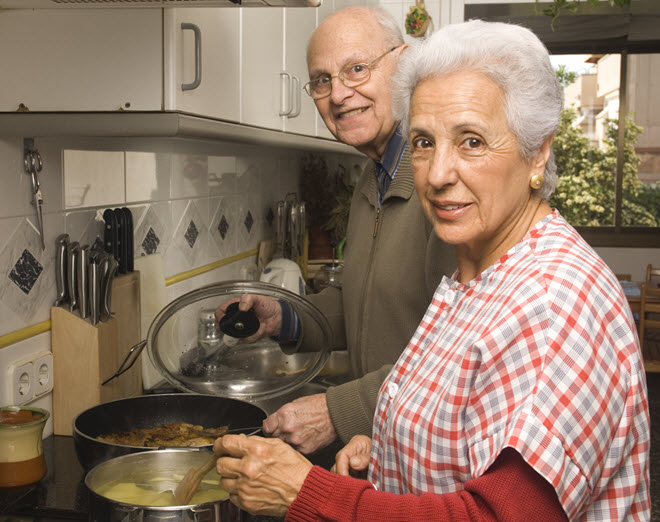
- Facilitating Positive Personal Interactions: Cooking together is an inherently social activity. It provides a natural setting for conversation, laughter, and shared experiences with caregivers, family members, or friends. This interaction reduces feelings of loneliness and isolation, which are prevalent among those with dementia.
- Stirring Memories and Reminiscence: Familiar smells, tastes, and recipes are powerful triggers for reminiscence. A grandmother might recall baking cookies with her children, or a spouse might remember a favorite meal shared with their partner. These memories, even if fragmented, can be comforting and provide a foundation for meaningful conversation.
- Maintaining a Sense of Self-Worth and Independence: Losing one’s abilities can be incredibly disempowering. Participating in cooking allows individuals to contribute to the household, feel useful, and exercise a degree of autonomy. This preservation of identity and independence is crucial for mental well-being.
- Reducing Agitation and Anxiety: Engaging in a familiar, comforting routine can be incredibly calming for individuals with Alzheimer’s. The rhythmic actions of cooking, combined with positive sensory input, can reduce anxiety and provide a sense of security and normalcy.
- Creative Expression: From arranging ingredients to decorating a cake, cooking offers opportunities for creative expression. This outlet can be particularly valuable for individuals who may struggle with verbal communication but can still express themselves through hands-on activities.
- Boosting Mood and Reducing Depression: The combination of physical activity, social interaction, sensory stimulation, and a sense of accomplishment can significantly improve mood and combat symptoms of depression, which are common among those living with dementia.
Official Responses: Expert Recommendations for Safe Culinary Engagement
Leading organizations in Alzheimer’s care, such as the Alzheimer’s Association and various geriatric health institutions, increasingly endorse the therapeutic value of engaging individuals with dementia in meaningful activities, including cooking, provided that robust safety measures are in place. Their guidance emphasizes a person-centered approach, tailoring activities to the individual’s remaining abilities and preferences, and creating an environment that minimizes risks while maximizing participation.
These experts advocate for:
- Comprehensive Risk Assessment: Before initiating cooking activities, a thorough assessment of the individual’s cognitive and physical capabilities, as well as the kitchen environment, is paramount.
- Gradual Introduction and Simplification: Start with simple tasks and gradually increase complexity as appropriate. Break down recipes into small, manageable steps.
- Constant, Attentive Supervision: This is non-negotiable. A caregiver must be present and actively engaged throughout the entire process.
- Environmental Modifications: Adapt the kitchen to remove hazards and make it easier to navigate.
- Focus on the Process, Not Just the Product: The enjoyment and engagement derived from the act of cooking are often more important than the perfect outcome.
How to Make Cooking a Safe and Enjoyable Experience for Someone with Alzheimer’s
Creating a safe and supportive environment is paramount when involving someone with Alzheimer’s in cooking. It requires thoughtful preparation, constant vigilance, and a willingness to adapt.

- Kitchen Environment Modifications:
- Stove and Oven Safety: Consider installing automatic shut-off devices for electric stoves or knob covers to prevent accidental activation. If using gas, ensure gas valves can be locked or turned off at the main supply when not in use. Always supervise closely.
- Sharp Objects: Keep knives, graters, and other sharp utensils out of reach until needed, and only use them with direct, hand-over-hand supervision or substitute with safer alternatives like nylon knives for soft foods.
- Heat Sources: Use back burners whenever possible. Opt for induction cooktops, which only heat when a compatible pot is on them, reducing burn risk. Use oven mitts diligently and ensure hot dishes are handled by the caregiver.
- Small Appliances: Store blenders, toasters, and mixers out of sight when not in use. Only bring them out for supervised tasks.
- Clear Countertops: Reduce clutter to minimize confusion and prevent items from being knocked over.
- Non-Slip Surfaces: Ensure floor mats are non-slip, or remove them if they pose a tripping hazard.
- Good Lighting: Adequate lighting can reduce confusion and improve visibility, preventing accidents.
- Caregiver Assistance and Supervision Techniques:
- Step-by-Step Guidance: Break down recipes into very simple, one-step instructions. Use visual aids like picture recipes or demonstrate each step.
- Hand-Over-Hand Assistance: For tasks requiring precision or safety (e.g., chopping, pouring hot liquids), guide their hands.
- Pre-Measurement and Preparation: Pre-measure ingredients and have them ready in separate bowls to simplify the process and reduce confusion.
- Focus on Enjoyment: Emphasize the fun of the activity rather than perfection. Let them stir, mix, or decorate.
- Choose Familiar Recipes: Opt for dishes they loved to make or eat in the past to trigger positive memories and engagement.
- Know When to Stop: If the individual becomes agitated, frustrated, or overly confused, it’s okay to gently redirect or stop the activity.
- Encourage Choice (Within Limits): Offer simple choices, like "Would you like to chop the carrots or stir the batter?" to maintain a sense of autonomy.
- Stay Present: Be actively involved in the conversation and the task. Your presence is both a safety measure and a source of comfort and connection.
- Adapted Tools and Techniques:
- Ergonomic Utensils: Use utensils with large, easy-to-grip handles.
- Stabilized Bowls: Place mixing bowls on a non-slip mat or use bowls with suction bases to prevent spills.
- Visual Timers: Use large, easy-to-read timers.
- Food Processors: For chopping or grating, a food processor can be a safer alternative to knives, with caregiver supervision.
Eating with Alzheimer’s: Tips and Tricks for Overcoming Eating Challenges
Even after a meal is prepared, individuals with Alzheimer’s often face challenges related to eating and nutrition. These can stem from a variety of factors related to the disease’s progression.
- Changes in Taste and Smell: Alzheimer’s can alter the senses, making once-favorite foods unappealing or leading to a preference for very sweet or salty foods.
- Tips: Experiment with different seasonings and flavors. Offer a variety of foods to see what appeals. Ensure food is visually appealing.
- Difficulty Using Utensils: Fine motor skill decline can make using forks, spoons, or knives challenging.
- Tips: Offer finger foods that are easy to pick up (e.g., cut-up fruit, small sandwiches, steamed vegetables). Use adaptive utensils with larger, weighted handles that are easier to grip. Consider plates with raised edges to help scoop food.
- Swallowing and Chewing Problems (Dysphagia): As the disease progresses, swallowing can become difficult, leading to choking hazards or aversion to certain textures.
- Tips: Offer soft, moist foods that are easy to chew and swallow (e.g., pureed soups, mashed potatoes, yogurt, soft-cooked vegetables). Avoid dry, crumbly, or sticky foods. Ensure small, manageable bites. Encourage sips of water during meals. Consult a speech-language pathologist for swallowing assessments and recommendations.
- Distraction and Loss of Focus: Individuals may get distracted during meals, forget they are eating, or simply lose interest.
- Tips: Create a calm, quiet mealtime environment, free from distractions like television or loud music. Serve smaller, more frequent meals if full meals are overwhelming. Sit with them and gently prompt them to eat.
- Apathy and Lack of Appetite: Depression, medication side effects, or changes in metabolism can reduce appetite.
- Tips: Offer nutrient-dense foods in smaller portions. Incorporate favorite foods whenever possible. Make mealtime a pleasant social occasion. Ensure adequate hydration.
- Hydration Challenges: Forgetting to drink water can lead to dehydration, which exacerbates cognitive symptoms.
- Tips: Offer drinks frequently throughout the day, not just at mealtimes. Keep water, juice, or other preferred beverages readily accessible. Offer hydrating foods like fruit and soup.
Implications: Enhancing Quality of Life and Caregiving
Embracing a more inclusive approach to activities like cooking has profound implications for both the individual living with Alzheimer’s and their caregivers.
For the individual, it means a continued connection to their identity, a sense of purpose, and a higher quality of life. It provides opportunities for joy, laughter, and meaningful engagement that can counteract the isolation and frustration often associated with cognitive decline. The therapeutic benefits extend beyond the kitchen, potentially leading to improved mood, reduced agitation, and a greater overall sense of well-being.

For caregivers, this shift offers a pathway to shared positive experiences. Instead of focusing solely on the challenges and losses, caregivers can find renewed joy in connecting with their loved one through familiar, cherished activities. It transforms caregiving from a solely task-oriented role into one rich with companionship and mutual enrichment. While demanding, facilitating safe culinary activities can strengthen bonds, create new memories, and reduce caregiver burnout by providing moments of genuine connection and shared accomplishment.
In conclusion, while safety remains a paramount concern for Alzheimer’s caregivers, it doesn’t have to necessitate the complete exclusion of beloved activities. By implementing the thoughtful advice and practical strategies outlined in this guide, caregivers can transform the kitchen into a safe, stimulating, and beneficial space. Creating family meals, whether simple or elaborate, can become a cherished way to share quality time, delicious recipes, and enduring love with a beloved friend or family member, enriching lives in the process. The journey with Alzheimer’s is challenging, but moments of connection and joy, often found in the most familiar of activities, are invaluable.


 Iffa Jayyana
 Ali Ikhwan