

 Dwi Wanna
 Nana Wu
 Muslim
 Reynand Wu
 Ammar Sabilarrohman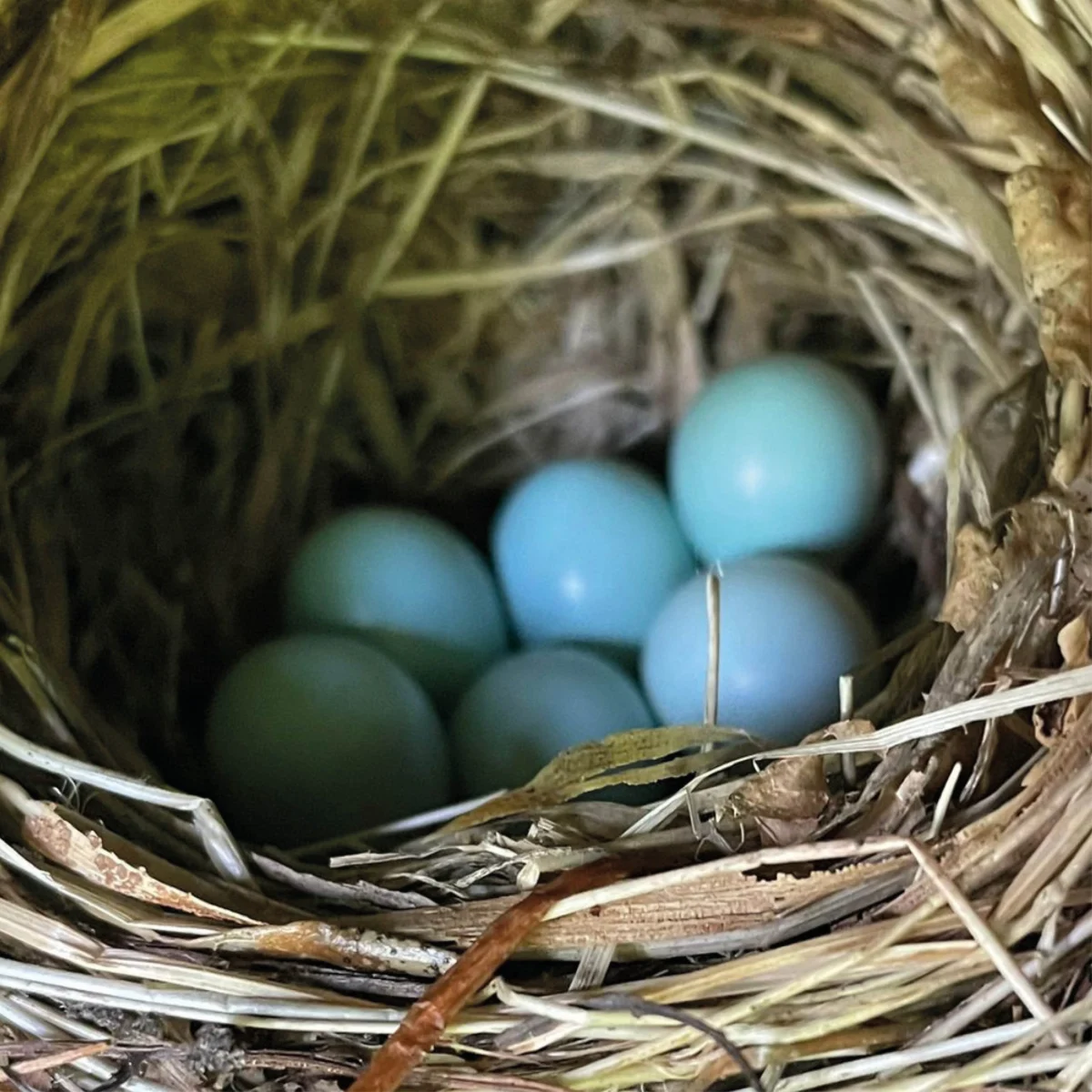
By Editorial Staff
As the year draws to a close, Maddy Harland, the long-standing editor of Permaculture magazine, finds herself in a place of quiet reflection. Tucked away in a small cabin in the heart of a North Devon woodland, with the rhythmic drumming of rain against the roof and the surge of a nearby stream providing a backdrop, Harland looks back on 2025 not just as another calendar year, but as a testament to the resilience of nature and the expanding reach of the global permaculture movement.
For Harland, the highlights of 2025 are anchored in two distinct yet interconnected realms: the tangible, biological restoration of local avian populations and the intellectual, community-driven evolution of a publication that has been a beacon of sustainable living for over three decades.
The Pied Flycatcher Initiative: A Lesson in Ecological Engineering
At the center of Harland’s personal conservation efforts in 2025 was a monitoring project for the Pied Flycatcher (Ficedula hypoleuca). This migratory songbird, a marvel of endurance, travels thousands of miles from East Africa to breed in the oak woodlands of the British Isles.
The Challenge of Territory
The struggle for survival begins the moment these birds arrive. As Harland explains, the Pied Flycatcher is often at a disadvantage compared to native residents. "When we started this monitoring programme a couple of years ago, we were lucky to have just one nesting pair," Harland notes.
The primary hurdle is the intense competition for high-quality nesting real estate. Species like Blue Tits and Great Tits, being year-round residents, typically claim the prime spots in oak woodlands well before the migratory flycatchers arrive. By the time the Pied Flycatchers reach the British Isles, the most secure nesting cavities are often already occupied.
Data-Driven Conservation
To address this, Harland employed a strategic approach to ecological management. By installing additional nest boxes in a "triangular" formation—placing three boxes within a single territory—she was able to manipulate the space to accommodate multiple species. Because these birds are highly territorial, the increased density of boxes allows for a "buffer zone," enabling different species to co-exist without direct competition for the exact same cavity.
The results in 2025 were nothing short of a breakthrough. Harland reported a total of five nesting pairs within the managed area. Even more encouraging was the reproductive success rate: nearly all nests produced between five and six fledglings. This outcome represents a significant, localized boost to the population, proving that simple, thoughtful interventions can yield profound ecological benefits.
Chronology of a Movement: Thirty Years of Permaculture
While the woodland project represents Harland’s hands-on connection to the land, her professional life is defined by the evolution of Permaculture magazine. Founded in 1992, the publication has spent over 30 years documenting the shift from mainstream industrial thinking to regenerative, earth-centered practices.
The Early Years: Practical Application (1992–2005)
In its infancy, the magazine focused on the immediate, practical necessities of the UK permaculture movement. Articles were largely centered on domestic gardening, local self-sufficiency, and small-scale land management. It was a time of establishing the "how-to" foundation for a movement that was still considered fringe.
The Expansion Phase: Global Vision (2006–2015)
As the climate crisis began to move from scientific prediction to daily reality, the magazine shifted its scope. The content became increasingly global, featuring projects from the Global South and North alike. This era marked a transition toward systemic change, exploring how permaculture design could address water scarcity, soil degradation, and food security on a continental scale.
The Current Era: Community and Collaboration (2016–2025)
The current iteration of the magazine, as seen in 2025, reflects a deeper, more sophisticated understanding of human systems. "We are seeing more deeply what the power of community is," Harland reflects. The focus has shifted from purely physical techniques—like composting or natural building—to the "invisible structures" of society: how people work together, how they resolve conflict, and how they build collaborative, non-hierarchical groups.
Supporting Data: The Impact of the Permaculture Magazine Award
One of the most significant developments in the magazine’s recent history is the biannual Permaculture Magazine Award, run in collaboration with the Lush Spring Prize.
Bridging the Funding Gap
Many grassroots permaculture projects operate in a "funding desert." They often lack the administrative infrastructure required to apply for large-scale governmental or institutional grants. The award was designed specifically to bypass these hurdles, providing direct financial support to frontline activists and community leaders.
Measuring Success
The success of the magazine is not measured in high-level intellectual theory, but in the ripple effects of these funded projects. Whether it is an urban community garden in a food desert or a rewilding project in a degraded landscape, the award serves as a catalyst. Harland emphasizes that the magazine’s strength lies in its ability to act as a bridge—connecting those with the skills to change the world with the resources they need to implement those skills.
Official Perspective: The Philosophy of Connection
In an exclusive reflection on the current state of the industry, Harland clarifies that the magazine’s longevity is not due to a reliance on massive corporate funding or academic elitism. Instead, it is built on a "pulse-based" model of journalism.
Listening to the Pulse
"We are not great intellectuals," Harland admits, emphasizing a bottom-up approach. The editorial team prioritizes a constant dialogue with readers and subscribers. This exchange of values and visions ensures that the magazine remains relevant to the people who are actually putting permaculture into practice on the ground.
Harmony over Conflict
A central theme of Harland’s 2025 perspective is the shift in human relations. She argues that the permaculture movement is finally "bearing fruit" in the realm of social technology. By fostering collaborative ways of working, the movement is providing a blueprint for a society that functions in harmony rather than competition. This, she suggests, is the ultimate goal of regenerative agriculture and renewable technology—to create the conditions where humanity can thrive without extracting from the Earth or exploiting one another.
Implications: Building a Different World
As 2025 closes, the implications of Harland’s work are clear: the tools for building a different world already exist. Whether through the installation of nest boxes to support biodiversity or the dissemination of information to support community-led development, the strategy remains the same: thoughtful, local intervention with global awareness.
The Road to 2026
Looking toward 2026, Harland remains committed to the core tenets that have guided her for over three decades. The magazine will continue to cover the essential pillars of sustainable living:
- Regenerative Agriculture: Methods that restore soil health and biodiversity.
- Natural Building: Using local, carbon-sequestering materials for shelter.
- Renewable Technology: Decentralized, accessible energy solutions.
- Social Permaculture: The design of community groups and governance structures that prioritize equity and collaboration.
Harland’s message is one of cautious optimism. The challenges—ranging from the decline of migratory bird species to the systemic pressures of the global economy—are significant. However, the success of the Pied Flycatcher project and the continued growth of the permaculture community offer a tangible path forward.
As the rain continues to fall in North Devon, there is a sense of purpose in the air. The "different world" that Harland speaks of is not a distant utopia; it is a project currently under construction, one nest box and one magazine issue at a time. For those seeking to participate in this transformation, 2026 promises to be a year of further evolution, deepening connections, and the continued, quiet work of regeneration.

 Sagoh
Sagoh
