

 Dwi Wanna
 Nana Wu
 Muslim
 Reynand Wu
 Ammar Sabilarrohman
 Siti Muinah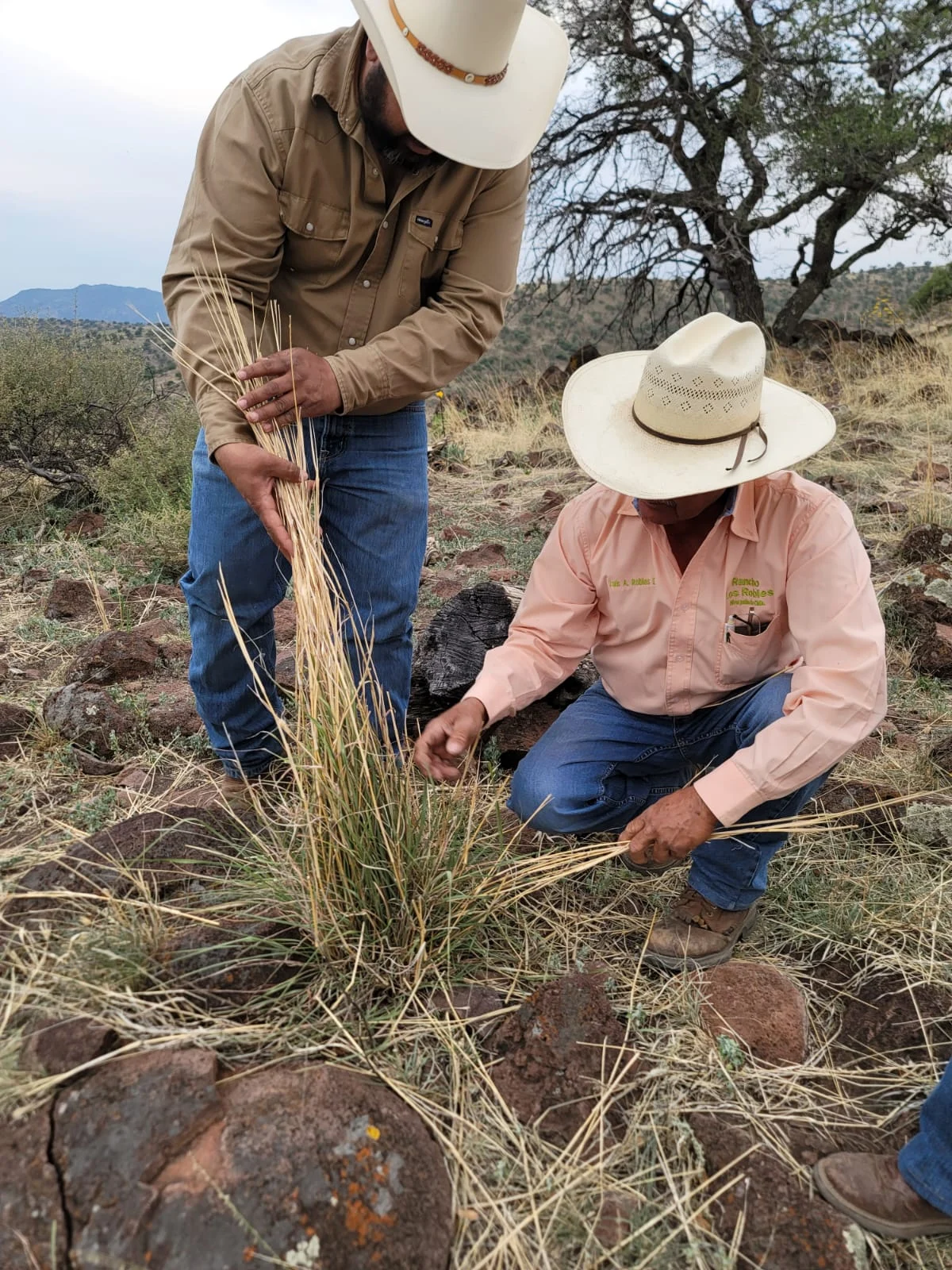
In the vast, semi-arid expanses of the Chihuahuan and Sonoran deserts, a quiet agricultural revolution is taking root. For generations, ranching families in Northern Mexico have contended with the dual challenges of land degradation and economic volatility. However, a landmark initiative led by carbon removal developer Boomitra is transforming these ecological hurdles into a sustainable financial lifeline.
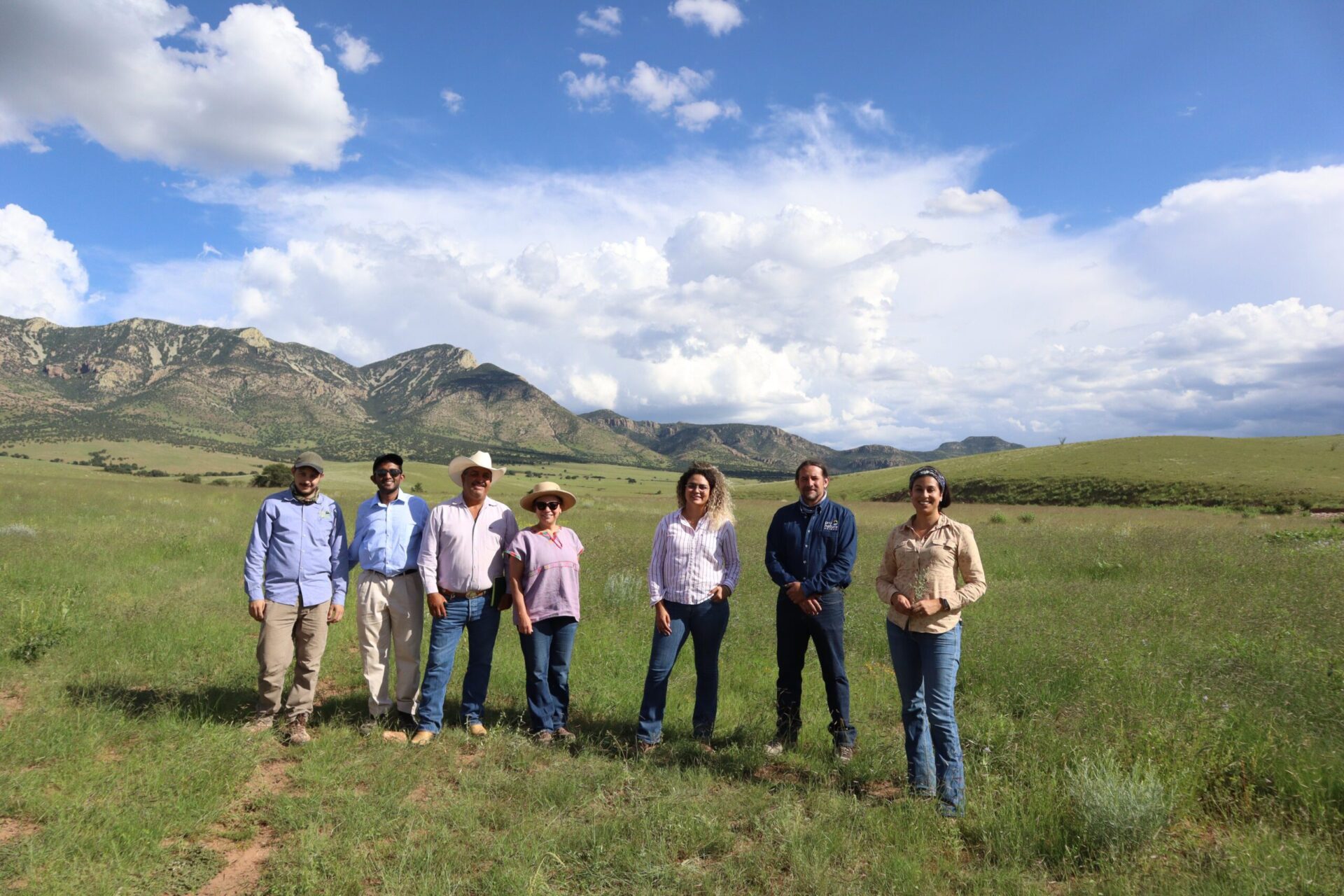
Following the formal issuance of 3.03 million carbon credits by the international registry Verra in February 2026, Boomitra has begun distributing substantial financial payments to 158 ranching families. These payments, fueled by high-profile buyers including Deloitte NSE, the Ethereum Climate Platform, and Restoration Climate, represent more than just a carbon transaction; they signify a shift in how the global market values the stewardship of the world’s grasslands.
The Mechanics of Restoration: A Chronology of Progress
The Northern Mexico Grasslands Restoration Project did not emerge overnight. Its trajectory reflects a long-term commitment to patience, science, and community engagement.
- 2018: The Inception. The project was launched with the goal of reversing decades of overgrazing that had left the soil brittle and depleted. The initial phase focused on identifying pilot sites and building trust with local landowners, including both private ranchers and communal landowners known as ejidatarios.
- 2019–2023: The Transition Phase. During these years, Boomitra worked alongside local partners to implement regenerative grazing practices. This involved shifting from static grazing models to rotational systems that allow vegetation—and the underlying soil microbiome—time to recover.
- 2024–2025: Data Integration. As the land began to respond, Boomitra deployed its proprietary remote-sensing technology. By synthesizing satellite imagery with artificial intelligence and an archive of over one million georeferenced soil samples, the firm began the rigorous process of quantifying soil organic carbon (SOC) sequestration.
- February 2026: Validation. Verra, the world’s leading carbon credit standard setter, verified the project’s methodology and performance, officially issuing 3.03 million credits. This validation confirmed that the carbon stored in these soils was additional, permanent, and accurately measured.
- May 2026: The Payout. With the sale of these credits to corporate buyers, the financial rewards finally reached the hands of the ranchers, providing tangible compensation for years of ecological restoration.
Technological Stewardship: AI Meets the Soil
At the heart of the project’s success is Boomitra’s approach to measurement, reporting, and verification (MRV). Traditional soil carbon monitoring is notoriously expensive and labor-intensive, often requiring physical sampling that is cost-prohibitive for large-scale operations.
Boomitra circumvents this through a sophisticated digital infrastructure. Their AI-driven platform monitors soil organic carbon levels over time without the need for constant on-the-ground physical testing. This provides the transparency necessary for the voluntary carbon market, ensuring that every credit sold represents a verified ton of CO2 removed from the atmosphere.
"Behind every credit in this issuance is a rancher who put in years of patient work to restore the ecosystems their families depend on," says Aadith Moorthy, founder and CEO of Boomitra. "These payments are a meaningful recognition of the stewardship, science, and trust that have guided this project from the beginning."
Moorthy is quick to clarify that these payments are not speculative prepayments. They are direct financial returns linked to realized, verified carbon removals. "These are just regular payments that come from the sales of the credits that are happening in the market on an ongoing basis," he explains. By guaranteeing that at least 75% of gross carbon revenue flows directly to the ranching families and their local implementation partners, Boomitra ensures that the financial incentive remains aligned with the ecological outcome.
Ecological Co-Benefits: Beyond Carbon
While carbon credits are the financial driver, the environmental implications of the project extend far beyond climate mitigation. The restoration of degraded semi-arid grasslands has triggered a cascade of positive biodiversity outcomes.
Biodiversity Documentation
The project’s recent biodiversity assessment paints a picture of a landscape in recovery. The data is compelling:
- Flora and Fauna: The project documented 281 species of flora and 436 species of fauna.
- Species Protection: Among these, 41 species are classified as rare, endangered, or threatened.
- Native Grass Recovery: At a single ranch where intensive, conventional grazing had previously reduced the biodiversity to just one species of grass, the project successfully restored over 60 native grass species.
This return of native vegetation acts as a biological engine, increasing the land’s water-holding capacity, preventing erosion, and providing habitat for birds, mammals, and reptiles that had previously fled the degraded landscape.
Improving Herd Efficiency
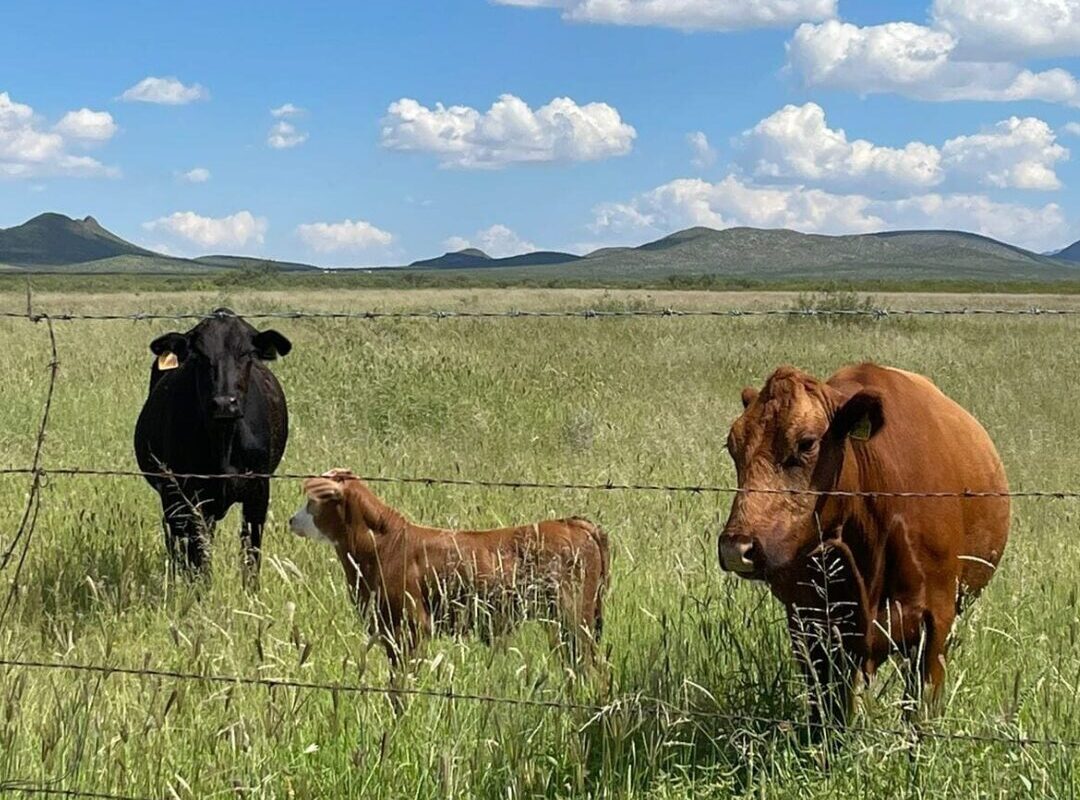
The most immediate economic benefit for the rancher is the improved productivity of the land. In a degraded state, the "carrying capacity"—the number of livestock an area can sustain—is minimal. As the soil health improves through regenerative practices, the grasslands become more resilient and productive.
"After a certain period of degradation, the amount of livestock the land will handle becomes very small," Moorthy notes. "But as you restore it, the amount of livestock the land can handle starts to increase slightly." By optimizing for soil health, ranchers can shift their operations toward higher efficiency, effectively reducing the carbon footprint per head of cattle while simultaneously increasing their yields.
The "Neighbor Effect": Economic Empowerment
The economic impact of the project is magnified by the local context of Mexico’s ranching communities. In more developed agricultural markets, carbon credits are often a marginal revenue stream that barely breaks even against the costs of implementation. In Northern Mexico, however, the economic scale is different.
"The same money in Mexico obviously goes a longer way than the same money in the US," Moorthy observes. "When you see that your neighbor is able to participate in such a program and earn money from it, this becomes a very interesting story."
This "neighbor effect" has created a wave of positive momentum. Landowners who were initially skeptical of carbon markets are now approaching Boomitra, eager to join the program. This creates a feedback loop: as more land is enrolled and restored, more carbon is sequestered, leading to more credits, more revenue, and a greater capacity to invest in further regenerative infrastructure.
Global Implications and Future Outlook
The success of the Northern Mexico Grasslands Restoration Project has provided a blueprint for Boomitra’s broader mission. The company is currently scaling similar models across Argentina, Kenya, India, and other parts of Latin America.
Every project under the Boomitra umbrella is held to rigorous standards, including Verra’s VM0042 methodology and the Social Carbon standard. These frameworks ensure that the projects adhere to the "three pillars" of carbon market integrity:
- Additionality: Proving that the carbon gains are the direct result of project intervention and would not have occurred through "business as usual."
- Permanence: Ensuring that the soil carbon sequestered remains in the ground through long-term stewardship.
- Co-benefits: Validating that the projects provide tangible social and environmental advantages to the local communities beyond simple climate mitigation.
Challenges and Market Maturity
As the voluntary carbon market matures, the demand for high-quality, nature-based removals is expected to grow. Critics of carbon markets have historically pointed to "greenwashing" and a lack of verification as major roadblocks. Projects like the one in Northern Mexico are attempting to address these concerns head-on by prioritizing verifiable, nature-based data over speculative offsets.
The involvement of sophisticated corporate buyers—who are increasingly under pressure to demonstrate genuine progress toward Net Zero targets—suggests that the market is beginning to favor projects with robust, scientifically backed outcomes.
Conclusion: A Model for Global Rangelands
The Northern Mexico Grasslands Restoration Project stands as a testament to the fact that ecological restoration and economic viability are not mutually exclusive. By leveraging modern technology to unlock the value of traditional stewardship, Boomitra has created a model that empowers ranchers, restores biodiversity, and provides a scalable solution to atmospheric carbon removal.
As the project continues to expand, it serves as a powerful reminder that the solutions to the global climate crisis are often hidden in plain sight, beneath the feet of those who have known the land best all along. Through the combination of regenerative practice and the modern carbon economy, the desert grasslands of Mexico are not just surviving—they are thriving, proving that when the land is treated with care, it returns the favor in abundance.


 Laily UPN
 Pevita Pearce