

 Azzam Bilal Chamdy
 Neng Nana
 Nana Muazin
 Dwi Wanna
 Raul Delapena Setiawan
 Sagoh
Sagoh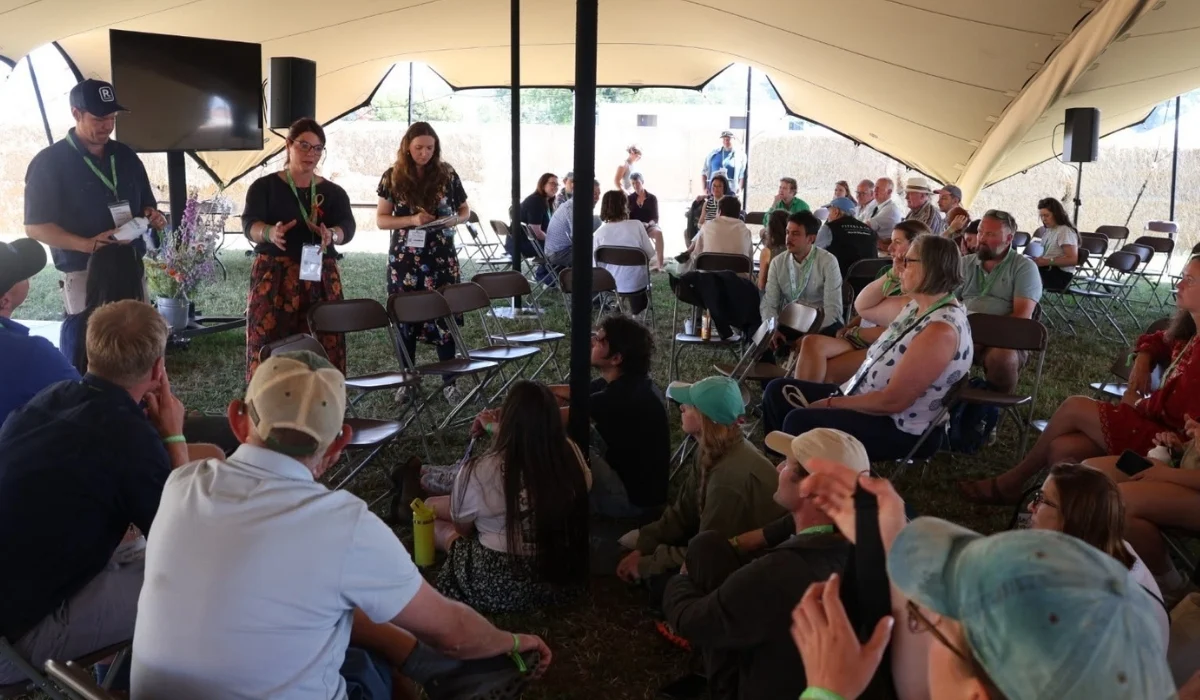
Introduction: The Critical Infrastructure Gap
The resilience of the UK’s food system rests heavily on the integrity of its supply chains. However, for years, the livestock sector has faced a quiet crisis: the steady decline of small, local abattoirs. This infrastructure decay threatens animal welfare, local economic viability, and the environmental sustainability of meat production.
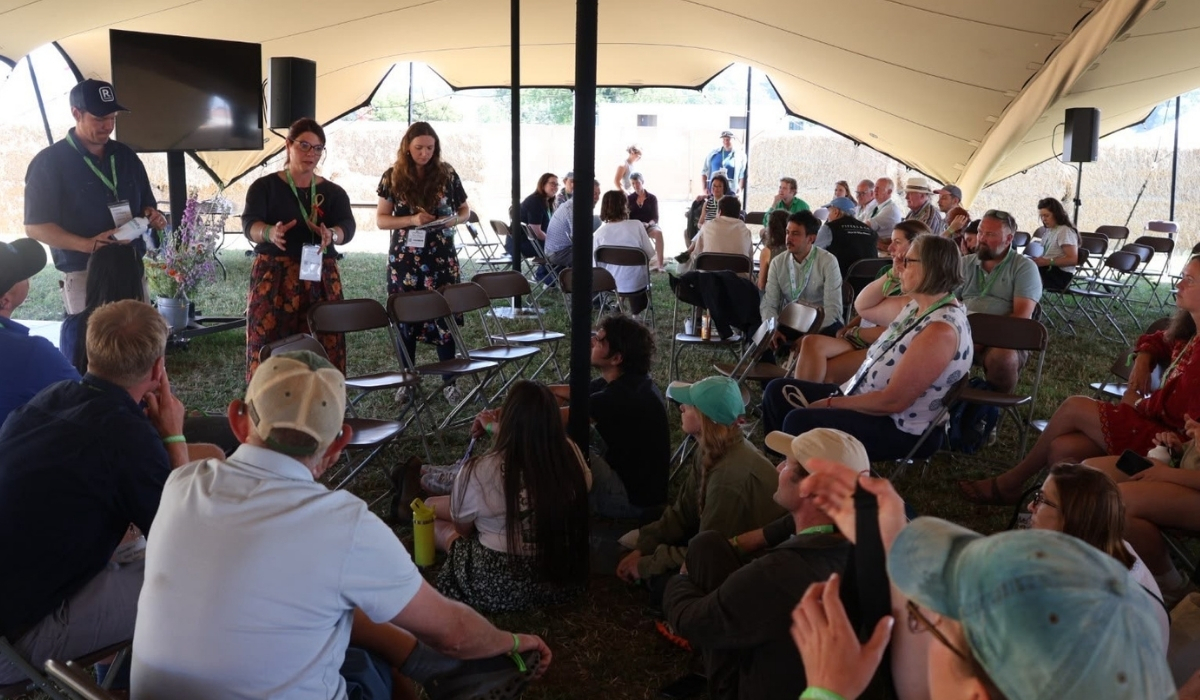
At the Groundswell 2026 regenerative agriculture festival, the Sustainable Food Trust (SFT) hosted a landmark session titled, "Solutions for Local Slaughter: Small Abattoirs in Local Meat Supply Chains." Chaired by Megan Perry, SFT’s Head of Policy and Campaigns, the event served as a collaborative forum for producers, policymakers, and industry experts to dissect the barriers to entry and chart a course for revitalizing local processing infrastructure.
The Core Challenge: Why Small Abattoirs Matter
The decline of small-scale slaughterhouses forces farmers to transport livestock over vast distances, increasing carbon footprints and inducing stress in animals. Furthermore, it creates a "bottleneck" that prevents small-scale producers from accessing local markets, effectively forcing them to sell through centralized, industrial channels that prioritize volume over regional quality.
The Groundswell session aimed to move beyond identifying these problems, focusing instead on the practical "how-to" of establishing new facilities and supporting existing ones.
Chronology of the Discussion: Key Themes and Breakout Insights
The session was structured as an interactive workshop, utilizing breakout groups to foster candid dialogue. The following summary captures the consensus and the hurdles identified by the participants.
1. The Startup Landscape
Setting up an abattoir is widely regarded as one of the most complex ventures in the food sector. Participants highlighted that the initial phase—feasibility studies and site selection—is often hampered by a lack of localized data.
- Planning Permission: Securing land use for an abattoir is frequently met with "Not In My Backyard" (NIMBY) sentiment. Experts emphasized the need for early engagement with local planning authorities.
- Infrastructure Design: Designing a facility that meets modern hygiene standards while remaining cost-effective requires specialized knowledge that is currently in short supply.
2. Finance and Business Architecture
The capital expenditure (CAPEX) for a new abattoir is substantial, yet the margins are notoriously thin.
- Community Ownership: Many participants explored the viability of cooperative models where multiple local farms share ownership, spreading the financial risk and guaranteeing a baseline throughput.
- Public-Private Partnerships: There is a growing call for government-backed loan guarantees, recognizing that small abattoirs provide a public good by supporting local biodiversity and rural economies.
3. The Regulatory Burden and Official Veterinarians (OVs)
Perhaps the most significant friction point identified was the relationship between regulation and staffing.
- The OV Shortage: The industry is currently facing a critical shortage of Official Veterinarians. Without an OV present, a facility cannot legally operate. The cost of these services, coupled with the scarcity of qualified professionals, creates a prohibitive barrier for small operators.
- Proportionality in Regulation: Attendees argued that current hygiene regulations are often designed for large-scale industrial plants and fail to account for the risk profile of smaller, low-throughput facilities.
Supporting Data: Examining the Infrastructure Deficit
While comprehensive national data is often fragmented, the breakout sessions at Groundswell provided anecdotal and sector-specific evidence that highlights the severity of the situation:
- Distance Metrics: Many farmers reported traveling over 100 miles to reach a facility that can handle their specific breed or volume requirements. This increases the cost of production by approximately 15–20% once fuel, time, and animal welfare mitigations are factored in.
- Economic Leakage: When small producers cannot process their meat locally, they are often forced to sell livestock at lower prices to larger aggregators, losing the "added value" of local branding and direct-to-consumer sales.
- The "Playbook" Solution: To mitigate the knowledge gap, Claire White’s "Small Abattoir Development Support" playbook was identified as a critical tool. It provides a structured roadmap for navigating the labyrinthine planning and licensing processes, offering a vital resource for new entrants.
Official Responses and Policy Implications
The SFT’s engagement with this issue is part of a broader push to influence UK food policy. Megan Perry emphasized that the government must recognize small abattoirs as "strategic national assets."
Implications for the Future:
- Policy Reform: The sector is lobbying for a "proportionate regulation" framework. This would involve a tiered inspection system that acknowledges the difference in risk between a high-speed industrial plant and a small-scale, artisanal facility.
- Mobile Solutions: Much of the discussion centered on the potential of mobile abattoirs. While technologically feasible, mobile units face unique legislative hurdles regarding site-specific licensing and effluent management. The consensus was that mobile units could bridge the gap for remote regions but should not be viewed as a panacea for urban-fringe areas.
- Poultry and Game: The session noted that specific sub-sectors, such as small-scale poultry and game, face their own regulatory silos. Standardizing the requirements for these smaller facilities would allow for a more diversified local meat supply.
Case Study: The North Cotswold Abattoir
The session highlighted the North Cotswold Abattoir as a benchmark for community-supported infrastructure. By prioritizing regional supply and maintaining high welfare standards, the facility serves as a model for how a small abattoir can anchor a local food system. The lessons learned here—specifically regarding local community buy-in and the integration of niche meat products—are being exported to other regions looking to replicate this success.
Conclusion: A Call to Action
The Groundswell 2026 discussion on small-scale slaughterhouses made one thing clear: the current trajectory is unsustainable. Without a concerted effort to lower the barriers to entry, the UK risks losing the ability to process meat at a local level entirely, leaving the market at the mercy of large, centralized processors.
For those interested in pursuing this path, the path is difficult but achievable. The "Playbook" hosted by the Abattoir Sector Group (ASG) is the first step in a long process of infrastructure renewal. As Megan Perry noted in her closing remarks, the goal is not just to build abattoirs, but to build a robust, localized food sovereignty that benefits the farmer, the consumer, and the animal.
Further Resources
The Sustainable Food Trust continues to lead the conversation on this issue. Stakeholders, policymakers, and farmers are encouraged to review the Abattoir Sector Group’s Small Abattoir Development Support for detailed guidance on:
- Navigating the Planning Application process.
- Sourcing funding for capital projects.
- Recruitment strategies for skilled slaughtermen and butchery staff.
- Engaging with the Food Standards Agency (FSA) regarding site registration.
The revitalization of the local abattoir is not merely an agricultural necessity; it is a fundamental component of a modern, resilient, and sustainable food system. As we look toward the remainder of the decade, the collaboration between policy advocates like the SFT and boots-on-the-ground producers will remain the most potent tool for change.


 Iffa Jayyana
