

 Azzam Bilal Chamdy
 Neng Nana
 Nana Muazin
 Dwi Wanna
 Raul Delapena Setiawan
 Muslim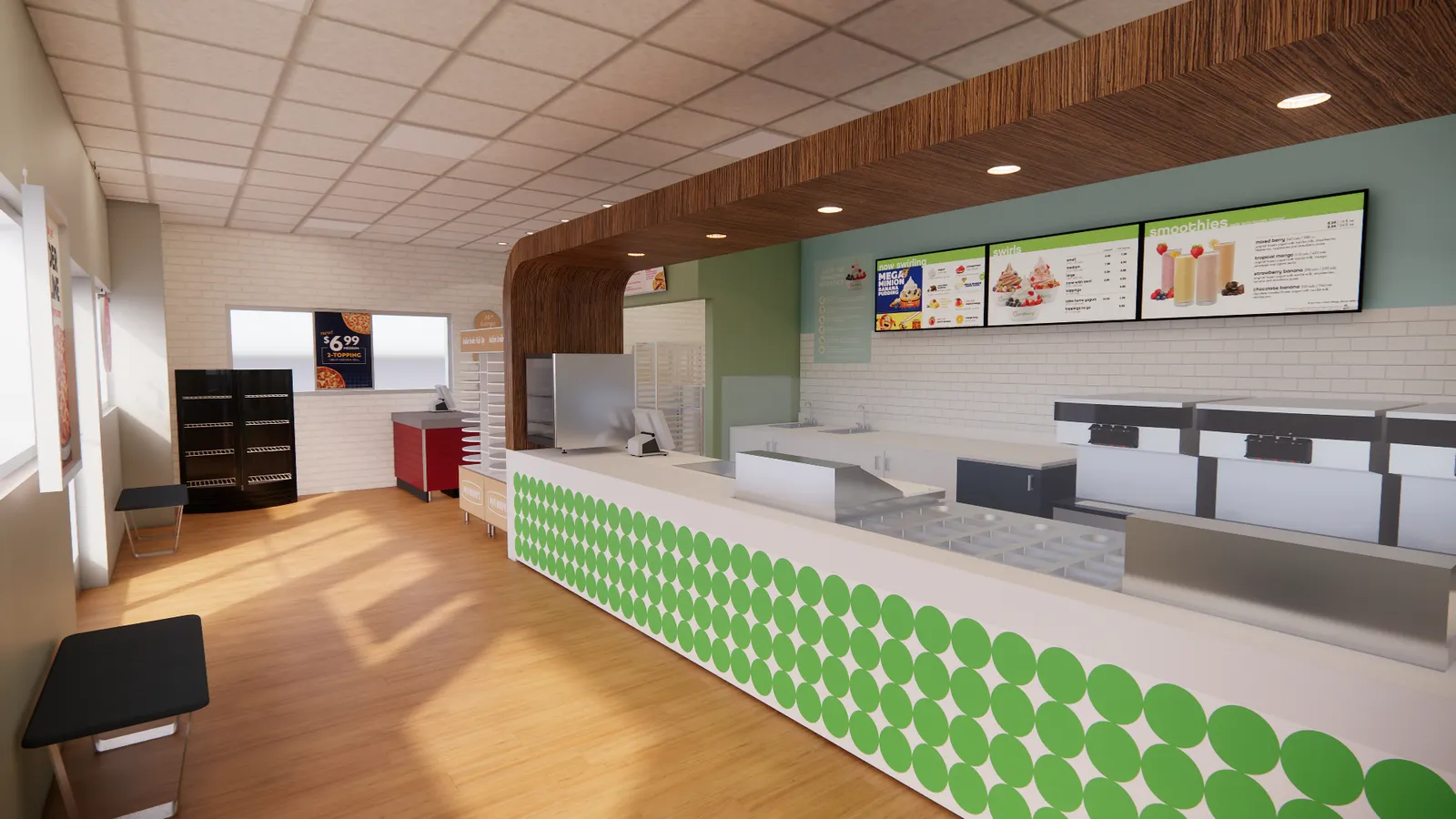
By Industry Desk
Published October 9, 2026
In a bold move to reshape its footprint and revitalize its market position, Papa Murphy’s, the nation’s leading take-and-bake pizza chain, announced on October 7, 2026, that it will launch three inaugural co-branded locations featuring Pinkberry, the iconic frozen yogurt brand. The strategic initiative, orchestrated by parent company MTY Food Group, aims to solve long-standing challenges regarding store traffic, daypart limitations, and operational ROI.
The rollout of these dual-branded units marks a significant pivot for the pizza chain, which has faced a challenging period of unit closures and shifting consumer preferences. By marrying the savory, high-ticket appeal of take-and-bake pizza with the impulse-driven, dessert-centric profile of Pinkberry, MTY Group is betting on a "better together" philosophy that optimizes real estate efficiency and expands the customer base.
The Strategic Shift: Main Facts of the Pilot
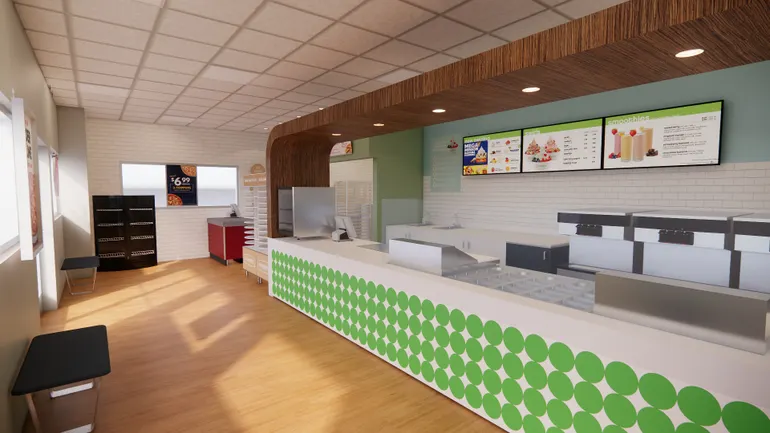
The pilot program will see three unique store launches occurring over the next year across Oregon, New Mexico, and Utah. These locations are not merely side-by-side storefronts; they represent a fully integrated operational model designed to maximize square footage.
The specific locations and operators include:
- Sunriver, Oregon: Franchisees Joshua and Samantha Kimzey are set to debut the first unit in November 2026.
- Santa Fe, New Mexico: Long-time Papa Murphy’s operator John Perea will integrate a Pinkberry station into his existing infrastructure.
- West Haven, Utah: Casey Kauer, an established multi-unit operator with five Papa Murphy’s stores in his portfolio, is scheduled to launch a purpose-built co-branded unit in the summer of 2027.
These locations were selected for their demographic diversity and the specific ability of the brands to offset each other’s seasonality. While pizza demand often spikes in the evening and during colder months, frozen yogurt provides a necessary counterbalance during warmer periods and afternoon "snack" hours, effectively smoothing out the revenue curve for franchisees.
A Chronology of MTY’s Portfolio Evolution
The move toward co-branding is the latest chapter in a broader, multi-year strategy by MTY Food Group to modernize its portfolio.
- 2023: Papa Murphy’s began facing headwinds, with store counts dropping from 1,168 to 1,014 by 2024. The brand struggled to maintain relevance in a hyper-competitive quick-service restaurant (QSR) landscape.
- 2024: Following a series of store closures, MTY Group began exploring operational efficiencies, including menu optimization and digital loyalty program overhauls.
- 2025: MTY’s Kahala Brands division accelerated its internal co-branding experiments, successfully pairing Wetzel’s Pretzels with Cold Stone Creamery and testing Planet Smoothie integrations.
- Early 2026: MTY announced a plan to close up to 50 underperforming corporate-owned Papa Murphy’s units, signaling a need for a more sustainable, high-traffic business model.
- October 2026: The formal announcement of the Papa Murphy’s/Pinkberry partnership signals a turning point, moving from defensive closures to offensive, growth-oriented expansion.
Supporting Data: The Case for Co-Branding
The primary driver behind this shift is the "unit economics" of the modern franchise. For a take-and-bake concept, the primary limitation is the lack of "daypart" utility. Customers typically visit a Papa Murphy’s at 5:00 PM for dinner. A Pinkberry, however, draws traffic in the early afternoon and late evening, effectively doubling the operational utility of the real estate.
Financial analysts note that the cost of labor and rent remains static regardless of revenue. By adding a second brand, franchisees can amortize these fixed costs across a higher volume of transactions.
Furthermore, the "labor-light" nature of Pinkberry makes it an ideal companion for the specialized labor required for fresh-dough pizza assembly. MTY’s internal data from its other co-branded successes—such as the Cold Stone/Planet Smoothie pairings—suggests that the "halo effect" of two recognizable brands can increase total check sizes while simultaneously reducing the marketing spend required to acquire a new customer.
Official Perspectives: Leadership Insight
Ray Zandi, vice president of U.S. development at MTY Food Group, has been the primary architect of this expansion. In a statement released following the announcement, Zandi emphasized that the choice of partners was intentional.
"These brands in particular pair well together and also offset each other seasonally," Zandi stated. "This will greatly assist in growth and a faster ROI in the future for candidates that wish to explore co-brands as ways to develop new stores with either brand."

Zandi noted that the feedback from the initial testing phases has been overwhelmingly positive. "The early responses to our co-brand concept reinforce the strength of these brands individually and the even greater potential they have together," he added. "By combining Papa Murphy’s and Pinkberry, or SweetFrog or some of the other less labor-intensive concepts, we’re creating a differentiated concept that gives owners greater flexibility while delivering a convenient, high-quality experience for guests."
The Broader Implications for the Franchise System
The decision to pivot toward co-branding comes at a critical juncture for Papa Murphy’s. With a system-wide reduction in total units over the last 24 months, the brand is under pressure to prove that its "take-and-bake" model remains viable in a world of instant-delivery platforms.
1. Stopping the Bleeding
The closure of 50 underperforming corporate units is a painful but necessary step for MTY to stabilize the system. The co-branding initiative serves as a blueprint for the "next generation" of Papa Murphy’s stores. If these three pilot locations achieve the projected sales uplifts, it is expected that MTY will offer incentives for existing franchisees to "retrofit" their current stores with a Pinkberry or similar MTY-owned concept.
2. Operational Flexibility
The shift allows MTY to become a "one-stop-shop" for franchisees. An operator looking to open a new location can now sign a contract that covers their dinner business (Papa Murphy’s) and their snack/treat business (Pinkberry/SweetFrog) under one roof, reducing the complexity of dealing with multiple franchisors.
3. Digital and Marketing Synergy
MTY Group has been heavily investing in its digital rewards platform. By combining brands, the company can drive more traffic to its app. A customer who uses the app to order a pizza for dinner might receive a "surprise" offer for a discounted Pinkberry swirl, increasing customer lifetime value (CLV) and keeping the brand top-of-mind across different hunger occasions.
Challenges and Future Outlook
While the strategy is sound on paper, the execution will not be without challenges. The primary concern is "operational friction." Running a pizza prep line requires different hygiene standards, storage temperatures, and staff training than a frozen yogurt bar. Franchisees will need to ensure that the staff is capable of managing both workflows without compromising the quality of either product.

Moreover, the brand identity must remain clear. If a store tries to be "everything to everyone," it risks losing the focused appeal that made Papa Murphy’s a household name in the first place.
However, the industry trend is clear. As real estate costs rise and consumer loyalty becomes harder to capture, the "co-brand" is no longer just a tactic—it is a survival strategy. For MTY Group, the successful integration of these three units could represent the difference between a legacy brand in decline and a revitalized, multi-functional powerhouse that meets the evolving demands of the American consumer.
As of Q4 2026, the industry will be watching the Sunriver, Santa Fe, and West Haven locations closely. Should these units exceed performance benchmarks, expect a wider rollout of MTY’s hybrid-brand strategy in 2027 and beyond.

 Rifan Muazin
 Ali Ikhwan
