 Dwi Wanna
 Nana Wu
 Muslim
 Reynand Wu
 Ammar Sabilarrohman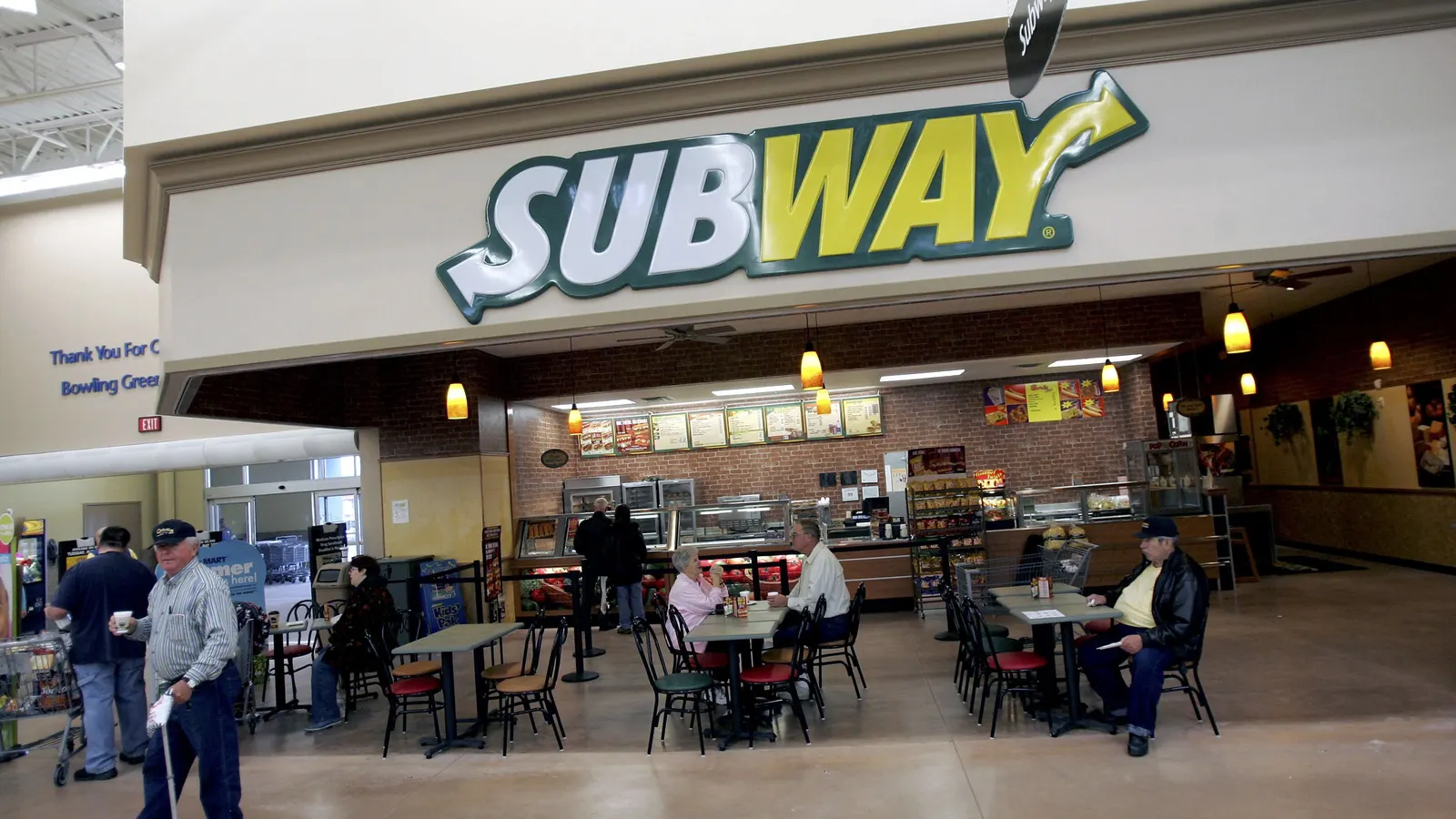
By Julie Littman
Published June 5, 2026
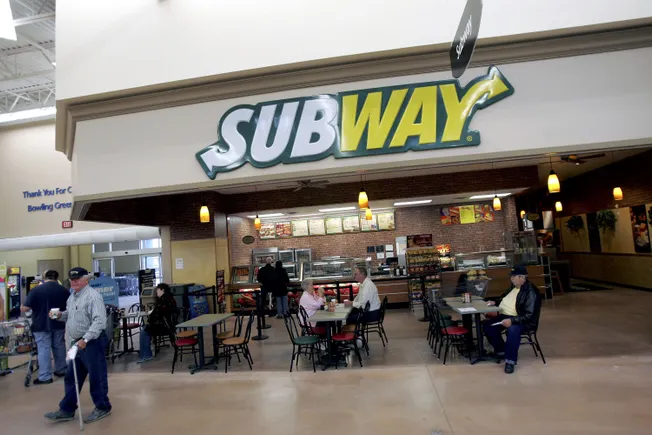
In a move that signals a significant shift in the quick-service restaurant (QSR) landscape, Subway has become the first restaurant chain to integrate its ordering system directly into Walmart’s Express Delivery platform. This strategic partnership, which began rolling out in early June 2026, allows consumers to order made-to-order sandwiches alongside their grocery and household essentials, marking a pivotal evolution in the "one-stop-shop" retail experience.
Main Facts: The Mechanics of the Integration
The collaboration leverages Walmart’s vast logistics network to bring Subway’s menu directly to the consumer’s doorstep. For customers, the process is seamless: if the delivery address is within the service radius of a participating Walmart-based Subway, the option appears directly within the Walmart app or website.
Users can browse the full Subway menu, customize their sandwiches with the same level of detail they would find in a physical storefront, and add their selections to a virtual cart. Critically, these orders are not restricted to grocery baskets; customers can order a Subway lunch as a standalone delivery or bundle it with a larger order of household goods.
As of June 1, 2026, participation in this program has become a requirement for Subway franchisees operating within Walmart locations. According to the company’s franchise disclosure document, these orders are routed directly to the point-of-sale (POS) system of the specific restaurant chosen by the guest. To facilitate this, Subway is mandating that franchisees maintain updated POS software to ensure real-time acceptance of digital orders.
Chronology: From Pilot to Nationwide Expansion
The partnership represents the culmination of a broader strategy by both corporations to leverage their physical footprints. While Subway has historically maintained a presence inside Walmart stores for decades, the integration of digital delivery channels represents a "phase two" for this long-standing landlord-tenant relationship.
- Pre-2026: Subway and Walmart maintained a symbiotic relationship, with thousands of Subway units operating inside Walmart Supercenters. However, as the retail landscape shifted toward digital, the foot traffic inside these locations saw fluctuations.
- Early 2026: Subway introduced its "Fresh Value Menu," featuring meals under $5, in an attempt to combat inflationary pressures and stabilize declining traffic across its system.
- June 1, 2026: The mandatory participation policy for franchisees within Walmart locations officially went into effect.
- June 5, 2026: Official announcement of the delivery integration.
- Summer 2026 (Projected): The service is currently available in select locations across Connecticut, Florida, Georgia, Ohio, Pennsylvania, and Texas. Subway and Walmart anticipate a rapid expansion to approximately 1,400 locations by the end of the summer.
Supporting Data: The Financial Landscape for Franchisees
The financial structure of the partnership is designed to minimize friction for operators. Walmart, acting as the primary platform host, processes the orders and manages the fulfillment logistics. According to the franchise disclosure document, Walmart pays franchisees on a weekly basis for all orders fulfilled during the prior week.
Currently, there are no "participation fees" levied against franchisees to join the platform. However, operators must account for standard credit card processing fees associated with the transactions. This structure is particularly attractive to franchisees, many of whom have faced significant margin compression as the sandwich chain has shuttered over 3,000 units since 2021. By shifting the burden of delivery logistics to Walmart’s existing infrastructure, Subway franchisees are essentially gaining access to a "delivery-as-a-service" model without the capital expenditure of hiring in-house drivers or paying high commission rates often associated with third-party aggregators like DoorDash or Uber Eats.
Official Responses and Strategic Intent
Subway leadership has framed this partnership as a necessary evolution in the face of changing consumer behavior. The chain has been aggressive in its pursuit of modernization, aiming to pivot away from a reliance on legacy physical locations toward a more agile, tech-enabled business model.
"Our goal is to meet the customer where they are—whether that is in the store, on the go, or ordering from the comfort of their home," a spokesperson noted during the launch. By integrating with Walmart, Subway is effectively digitizing the "in-store experience" for the remote consumer.

For Walmart, the move is equally strategic. By offering prepared, high-frequency food items like Subway, the retailer increases the "stickiness" of its app. A customer who might only order groceries once a week might now interact with the Walmart platform multiple times for lunch or dinner, increasing the overall customer lifetime value.
Implications: A New Era for QSRs
The implications of this partnership extend far beyond the two companies involved. It serves as a bellwether for the future of the QSR industry in several key areas:
1. The Death of the Standalone Delivery Model
As delivery fees and driver shortages plague traditional restaurant delivery, partnerships with massive retail entities like Walmart offer a path to scale. By piggybacking on an existing grocery delivery network, Subway bypasses the "last-mile" logistical headache that has crippled many restaurant-led delivery initiatives.
2. Franchisee Sustainability
Subway’s recent history of unit closures has been a major point of concern for its stakeholders. By optimizing the revenue potential of its remaining "captive" locations—those inside Walmarts—the brand is attempting to stabilize its footprint. If successful, this model could be a template for other fast-food brands currently struggling with underperforming real estate.
3. Retail Convergence
We are witnessing the final blur between "retail" and "foodservice." As grocery stores increasingly become hubs for prepared meals, and restaurants increasingly rely on retail-like distribution networks, the distinction between a "restaurant" and a "retailer" becomes purely academic. Consumers now view the Walmart app as a marketplace for both life necessities and caloric needs.

4. Competitive Pressure
Competitors such as McDonald’s, Wendy’s, and Panera Bread will likely be watching the success of this pilot with keen interest. Should Subway see a measurable lift in same-store sales through the Walmart integration, it is almost certain that other major retail chains—such as Target or Kroger—will seek similar partnerships to bolster their own prepared-food offerings.
Challenges Ahead
Despite the optimism surrounding the launch, the partnership is not without its risks. Franchisees have expressed concerns regarding operational complexity. Integrating a high-volume, real-time food preparation system into a grocery logistics flow requires flawless execution. If a customer’s groceries arrive but their sandwich is cold or incorrect, the brand equity of both Walmart and Subway could suffer.
Furthermore, the mandatory nature of the program for Walmart-based franchisees may cause friction within the operator community. Ensuring that thousands of disparate POS systems across the country remain synchronized with Walmart’s interface will require a level of IT oversight that has not historically been a core competency of the Subway franchise model.
Conclusion
The Subway-Walmart delivery integration is a landmark case study in corporate adaptation. By merging the convenience of a retail giant with the ubiquity of a global sandwich brand, the companies are creating a new consumption habit. As the summer progresses and the program scales to 1,400 locations, the industry will be closely monitoring whether this digital synergy is enough to turn the tide for one of the world’s largest restaurant chains. Whether this becomes the new standard for QSRs or a niche experiment remains to be seen, but one thing is clear: the sandwich is no longer just a lunch option—it is a component of the modern, data-driven grocery ecosystem.


 Pevita Pearce
 Azzam Bilal Chamdy