

 Dwi Wanna
 Nana Wu
 Muslim
 Reynand Wu
 Ammar Sabilarrohman
 Neng Nana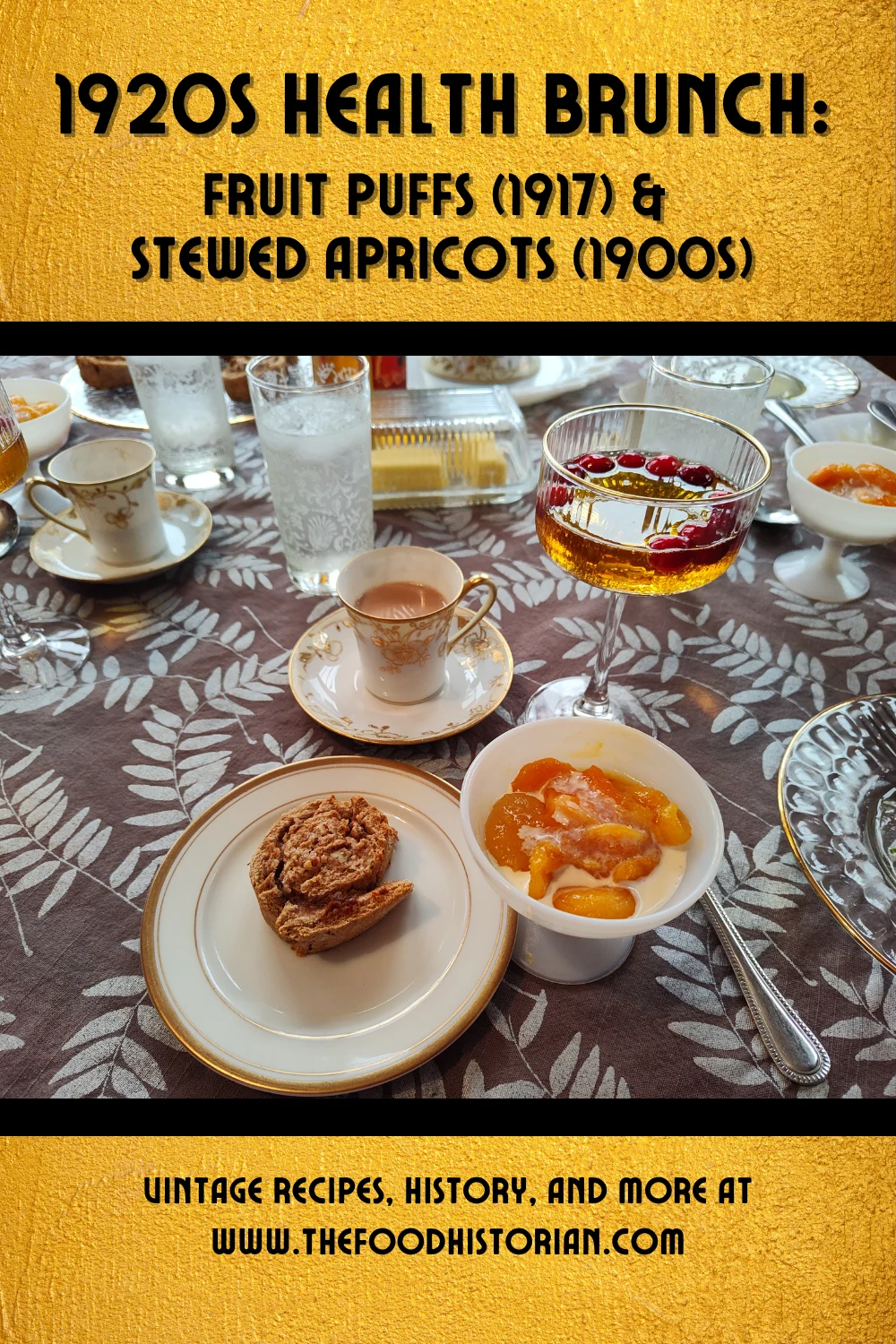
The early 20th century in America was a period of profound transition, not only in industry and geopolitics but in the fundamental way the populace viewed the fuel that powered their daily lives. As the "1920s Health Brunch" series concludes, it is essential to look back at the curious intersection of nutrition science, wartime necessity, and the birth of the modern California fruit industry. Today, we often categorize sugar as an enemy of wellness, but to the home economists and medical professionals of the 1920s, the landscape was far more complex—and occasionally contradictory.
Main Facts: The Carbohydrate Paradox
In the 1920s, the modern obsession with low-carb diets was non-existent. Refined white sugar was widely regarded as a pure, high-energy carbohydrate, essential for the hardworking American. Nutrition science was in its infancy; with the calorie only recently applied to human energy requirements and the first vitamins barely isolated, experts viewed food primarily through the lens of protein, fat, and carbohydrates.
This era saw a fascinating cultural shift: as the Temperance movement gained momentum, many citizens sought to replace the "vice" of alcohol with the "treat" of sugar. However, not all voices were in harmony. John Harvey Kellogg, a titan of health reform, stood in stark opposition to the use of sugar, famously clashing with his brother, Will, over the inclusion of sugar in their revolutionary corn flakes. This familial and professional schism mirrors the broader struggle of the era: how to balance industrial efficiency with the emerging, albeit rudimentary, understanding of human health.

Chronology: A Century of Agricultural and Nutritional Shifts
The culinary landscape of the 1920s was built upon foundations laid throughout the 19th century. The following timeline tracks the development of the "Health Food" movement and the expansion of the American agricultural sector:
- 1850s: Commercial prune and apricot production begins in California’s Santa Clara Valley.
- 1870s: The San Joaquin Valley sees the rise of commercial raisin production, specifically with the development of the "Thompson Seedless" variety.
- 1890s: The calorie is officially introduced as a metric for food energy.
- 1905–1907: The Southern California Fruit Exchange undergoes a rebrand, launching the iconic "Sunkist" label.
- 1912: The first vitamin is officially isolated, marking a turning point in nutritional science.
- 1912–1915: The California Associated Raisin Company is formed, leading to the creation of the Sun-Maid brand.
- 1917: Amidst the pressures of the First World War, the California Prune and Apricot Growers Association is established (later "Sunsweet"). Robert Addison Harrison publishes The National Food and Health Book.
- 1920s: Commercial date production reaches its stride in the Coachella Valley, and the popularity of "health-conscious" salads—like Chef Wyman’s Sunland Salad—reaches a peak.
Supporting Data: Digestion and the "Roughage" Movement
Perhaps the most persistent anxiety among early 20th-century Americans was the state of their digestive tracts. Dyspepsia and chronic constipation were the common afflictions of the age. Because vegetables and fruits were largely dismissed as "filler" lacking in protein or fat, they were relegated to the status of "roughage."
Home economists recommended whole grains and dried fruits—prunes, figs, raisins, and dates—as the ultimate natural remedy. Milk, by contrast, was heralded as the "perfect food," containing all three essential building blocks of nutrition as they were understood at the time. This cultural fixation on regularity explains why foods like Fig Newtons or oatmeal raisin cookies maintain a "healthy" halo to this day, despite having nutritional profiles not dissimilar to their less-celebrated counterparts.

Official Perspectives: The 1917 War-Time Diet
The constraints of the First World War forced a significant change in dietary habits. As white wheat flour was prioritized for the military, the government encouraged civilians to go "wheatless." This necessitated the adoption of cornmeal, rye, barley, and oats.
The National Food and Health Book (1917) by Robert Addison Harrison serves as a quintessential artifact of this period. It was designed to guide the "farm wife" through the complexities of conservation and wartime nutrition. The book’s recipes, including the curious "Fruit Puffs," demonstrate the era’s attempt to marry whole-grain utility with the sweet, indulgent flavors that remained culturally prized.
A Case Study: The "Fruit Puffs" Experiment
The "Fruit Puffs" recipe, as written in 1917, is a fascinating look at home-front cooking. Using whole wheat flour, dates, and nuts, the recipe was intended to be a robust, energy-dense treat. However, as modern recreations have shown, the recipe requires a delicate touch.

Modern Adaptation Notes:
- Moisture Management: Whole wheat flour is far more absorbent than refined white flour. To achieve a true "puff" rather than a dense biscuit, liquid ratios must be adjusted upward.
- Technique: The original instructions to "flatten" the dough are counter-intuitive for a recipe labeled "puff." For better results, keep the dough soft, avoid over-working the gluten, and ensure the oven is preheated to at least 425°F to ensure a quick rise.
- Ingredients: The combination of cinnamon, dates, and pecans remains a timeless flavor profile that effectively bridges the gap between 1917 and the modern palate.
Implications: The Legacy of the Health Brunch
What does the "1920s Health Brunch" tell us about our current relationship with food? First, it highlights that the "health food" industry is not a modern invention, but a century-old marketing machine. From the consolidation of fruit cooperatives into the Sunkist and Sun-Maid brands to the early nutritional advice of John Harvey Kellogg, the desire to categorize certain foods as "medicinal" is deeply embedded in the American psyche.
Furthermore, the shift toward stewed fruits—apricots, prunes, and dates—as a "gentle" digestive aid remains relevant. In an era before modern pharmaceuticals, the kitchen was the primary pharmacy. Today, we may have more data, more processed supplements, and a more nuanced understanding of gut microbiomes, but the fundamental human desire for a breakfast that is both comforting and "good for you" remains unchanged.

Concluding Thoughts
The 1920s were a crucible for the modern American breakfast. The transition from the heavy, pie-laden menus of the 19th century to the fiber-focused, fruit-forward options of the 1920s laid the groundwork for our contemporary health trends. Whether it is the enduring reputation of the prune or the persistent appeal of oatmeal, the lessons of the early 20th century continue to inform our pantry choices. As we look toward future culinary explorations, we are reminded that health is not just about the chemistry of the food, but the story we tell ourselves about why we are eating it. The 1920s Health Brunch is a testament to the fact that while our understanding of nutrition evolves, the joy of a shared, thoughtful meal remains a constant.


 Lina Hope
 Lina Irawan