

 Azzam Bilal Chamdy
 Neng Nana
 Nana Muazin
 Dwi Wanna
 Raul Delapena Setiawan
 Muslim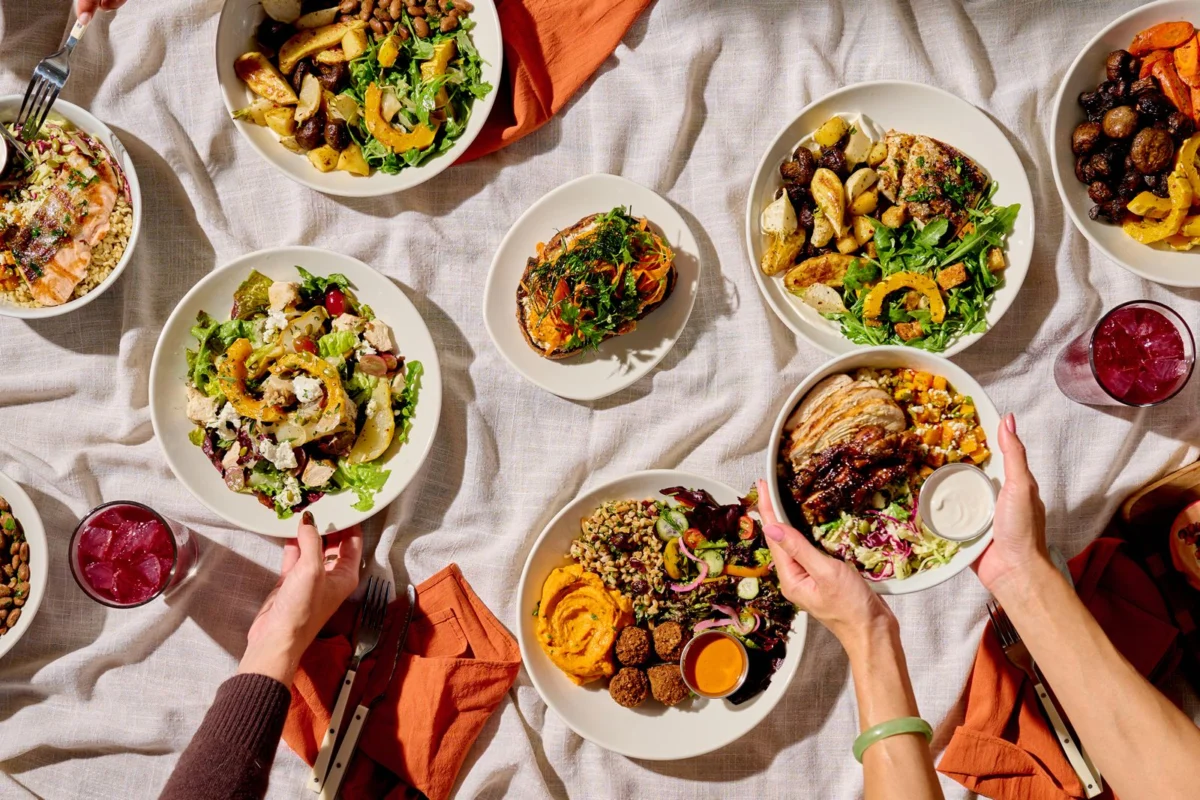
As the seasons shift, the culinary landscape often turns toward heartier, more comforting profiles. This October, Los Angeles-based culinary staple Tender Greens has embraced this transition with a strategic, produce-forward menu refresh. By integrating premium, artisanal ingredients with their signature “chef-driven” philosophy, the brand is positioning itself at the intersection of modern plant-based innovation and traditional comfort food.
The centerpiece of this seasonal rollout is a high-profile collaboration with Hodo, the Bay Area’s renowned purveyor of organic, small-batch tofu. This partnership represents more than just a menu update; it is a calculated move to demonstrate the versatility of plant-based proteins in a fast-casual environment.
The Main Facts: A Commitment to Seasonal Integrity
Starting October 7, Tender Greens locations nationwide began serving a revamped menu that leans heavily into the abundance of autumn. The core of this update rests on two headline dishes featuring Hodo Tofu: the Vegan Tofu Katsu Bowl and the Beet & Burrata Salad.
The Vegan Tofu Katsu Bowl is designed to offer a robust, satisfying meal that caters to the growing demand for plant-based alternatives that do not sacrifice texture. By utilizing Hodo’s dense, organic tofu, the kitchen team has created a “katsu” preparation that delivers the crunch of a traditional fried cutlet while maintaining the structural integrity of the protein. The dish is rounded out with a complex flavor profile: Japanese BBQ sauce, sushi rice, pickled cucumber, carrots, mizuna, and cabbage, all tied together by a ginger-sesame dressing.
Simultaneously, the Beet & Burrata Salad showcases a more sophisticated application of tofu. While burrata provides a creamy, indulgent anchor, the inclusion of “whipped tofu” introduces a unique textural element that elevates the dish beyond standard salad fare. Roasted golden beets, charred purple Napa Savoy cabbage, and furikake sourdough crisps provide a sophisticated balance of sweetness, smoke, and crunch.
Chronology: The Path to the Autumn Launch
The development of this menu was not an overnight endeavor. Following a summer of testing and procurement, Tender Greens’ culinary team, led by Corporate Executive Chef Oliver Plust, spent months refining the integration of Hodo’s products into the existing supply chain.
- Mid-2026: Tender Greens initiated a search for a tofu partner that matched their stringent quality standards, focusing on organic, locally-sourced, and non-GMO options. Hodo was identified as the ideal partner due to their reputation for traditional, labor-intensive manufacturing techniques.
- August 2026: Initial kitchen testing began, with a specific focus on how the tofu would hold up to high-heat frying for the Katsu Bowl and the consistency required for the whipped application in the salad.
- September 2026: Tender Greens finalized the seasonal produce rotation, ensuring the menu would feature peak-season cauliflower, mushrooms, winter squash, and carrots.
- October 7, 2026: The official launch across all 20+ Tender Greens locations nationwide.
Supporting Data: Why Hodo?
The partnership with Hodo is a deliberate signal to the consumer base that Tender Greens prioritizes quality over convenience. Hodo—a family-owned company based in Oakland, California—has gained a cult following among professional chefs for its “clean” flavor profile. Unlike mass-produced tofu, which often suffers from a watery texture, Hodo’s product is crafted using traditional methods that result in a firm, protein-dense curd.
Data from the restaurant industry suggests that consumers are increasingly seeking “stealth health”—meals that provide nutritional density without being explicitly marketed as “diet food.” By focusing on the texture and culinary application of tofu rather than just its status as a meat substitute, Tender Greens is effectively capturing both the dedicated vegan demographic and the "flexitarian" diner who prioritizes taste above all else.
Furthermore, the focus on winter squash, mushrooms, and carrots is supported by current supply chain trends in the West Coast agricultural sector. By aligning their menu with the harvest schedule, Tender Greens minimizes the carbon footprint associated with shipping and ensures that the ingredients retain the highest possible nutrient content.
Official Responses: The Philosophy Behind the Plate
Chef Oliver Plust, the architect behind the current menu, spoke extensively on the intent behind these new additions. In a recent statement, Plust noted, “Hodo tofu has a great texture and clean flavor, which gave us a lot of room to work it into the menu in different ways. We wanted to show what tofu can do beyond a traditional plant-based bowl, from the crispy katsu preparation to the whipped tofu in the Beet & Burrata Salad.”

Plust’s commentary reveals a broader strategic goal: to dismantle the stigma that tofu is a one-dimensional ingredient. By treating tofu with the same culinary rigor as a premium cut of meat, the brand hopes to normalize high-quality plant-based eating. “At the same time,” Plust added, “the fall menu is really about letting the ingredients shine, with mushrooms, squash, carrots, and other produce bringing variety to each dish.”
Tender Greens, which was founded in 2006 by two chefs and a food-obsessed entrepreneur, has consistently maintained that its mission is to elevate the "fast-casual" category. This launch represents a return to their roots—experimenting with local markets to create distinctive plates that feel curated rather than manufactured.
Implications for the Fast-Casual Sector
The success of this launch could have significant implications for the wider fast-casual dining industry.
1. The Rise of "Artisanal Plant-Based"
For years, the industry was dominated by highly processed meat alternatives. Tender Greens’ decision to feature a simple, clean, and traditionally made product like Hodo Tofu suggests a shift toward “whole-food” plant-based options. Consumers are becoming more label-conscious, and a partnership with a brand like Hodo—which uses simple, recognizable ingredients—appeals to the educated, health-conscious diner.
2. Supply Chain Transparency
By highlighting the provenance of their tofu (Bay Area-based, family-owned), Tender Greens is reinforcing their brand narrative of being a local, chef-centric organization. In an era where customers are increasingly skeptical of corporate dining, the emphasis on local partnerships serves as a powerful marketing tool that fosters trust and brand loyalty.
3. The "Comfort" Factor
As the weather turns colder, the restaurant industry often sees a shift in consumer behavior toward “warm” foods. The integration of katsu, roasted beets, and squash demonstrates an understanding of the psychology of the diner. By offering these items in a bowl format—a structure that is inherently comforting and easy to consume—Tender Greens is successfully adapting their high-end culinary standards to the high-volume, quick-service needs of their clientele.
Conclusion: A New Standard for Autumn
Tender Greens has successfully navigated the challenge of balancing innovation with accessibility. By choosing to highlight Hodo Tofu in a way that feels both modern and deeply rooted in culinary technique, they have set a high bar for seasonal menu development.
Whether it is the crunch of the Vegan Tofu Katsu or the sophisticated interplay of textures in the Beet & Burrata salad, the menu reflects a brand that is confident in its ability to adapt to changing consumer preferences. As the industry watches to see how these dishes perform throughout the remainder of the year, one thing remains clear: the future of fast-casual dining is increasingly defined by the marriage of high-quality, local sourcing and creative, chef-led innovation.
For those looking to experience the new fall lineup, the dishes are currently available at all Tender Greens locations. For more information, updates, or to view the full menu, customers are encouraged to visit the official Tender Greens website or follow the brand on their various social media channels, including Instagram and Facebook, where they continue to document the sourcing and preparation of these seasonal specialties.

 Rifan Muazin
 Ali Ikhwan
